

Leg cramps that suddenly wake you from sleep can be intensely painful. Understanding the causes of leg cramps at night can help you recognize possible triggers and know what to do when a cramp strikes.
Also called nighttime leg cramps or nocturnal leg cramps, these sudden involuntary muscle contractions usually affect the calf, although the feet or thighs can also be involved. They become more common with age, and in many cases there is no single identifiable cause.
This guide focuses specifically on why leg cramps occur during sleep, how to stop a nighttime cramp when it happens, and practical steps that may reduce future episodes.
For a broader look at daytime and nighttime causes, deficiencies, medications and home remedies, see our pillar guide to Reasons for Leg Cramps.
What Are Nighttime Leg Cramps?
Nighttime leg cramps occur when a muscle suddenly tightens while you are resting or sleeping. The calf is affected most often, although cramps can also occur in the foot or thigh. A cramp may last from several seconds to several minutes, and the muscle can remain sore afterward.
The cramp itself is similar to one that occurs during the day. What makes nighttime cramps particularly troublesome is that they interrupt sleep and may leave you hesitant to return to bed because you are worried another cramp will occur.
Night Leg Cramps Are Not the Same as Restless Leg Syndrome
Night leg cramps are sometimes confused with restless leg syndrome (RLS).
A nighttime leg cramp causes a sudden, painful muscle contraction. RLS usually causes uncomfortable sensations and an urge to move the legs while resting, rather than a sharply painful muscle tightening.
For better understanding of this differentiation see our RLS Causes Guide
What are The Causes of Leg Cramps at Night?
In many people, the exact cause of nighttime leg cramps cannot be identified. Current medical guidance suggests that muscle fatigue and nerve-related factors may play an important role, while age, inactivity, dehydration, some medicines and certain health conditions can increase risk.
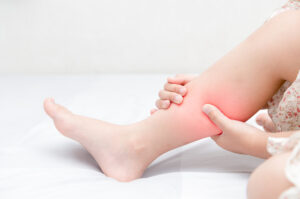
Muscle Fatigue or Overuse During the Day
A day involving unusually strenuous walking, exercise, standing, or other physical activity can leave muscles fatigued. Tired or overworked muscles are one recognized contributor to nighttime cramps.
This can be particularly relevant if you suddenly do much more activity than your muscles are accustomed to.
Age, Inactivity, and Muscle Conditioning
Nighttime leg cramps become more common with age. Older adults gradually lose muscle mass and may also be less physically active, making muscles easier to fatigue.
Long periods of sitting or inactivity may also contribute to nighttime cramping in some people.
Dehydration and Fluid Loss
Dehydration can contribute to muscle cramps, particularly after sweating, exercise, illness, or inadequate fluid intake. Older adults may also be more vulnerable to dehydration for several reasons.
Older adults are indeed more vulnerable to dehydration partly because the sense of thirst can decline with age. HealthLink BC specifically advises older adults to drink regularly even when they do not feel thirsty, and the U.S. National Institute on Aging gives similar guidance.
Hydration therefore matters for older adults. The decreased sensation of thirst may can make it easier to drink too little fluid during the day. Keeping water readily accessible can help build a more consistent hydration habit.
A practical hydration aid: MEVOLY motivational hydration bottle
A lightweight water bottle that is easy to grip, open, and keep nearby can make regular drinking easier throughout the day.

While staying adequately hydrated during the day is important, dehydration is not the cause of every nighttime cramp.
If drinking enough water is difficult for you, see How to Stay Hydrated When You Hate Water for practical ideas.
Certain Medications
Some medicines are associated with nighttime leg cramps. If your cramps began or became noticeably worse after starting or changing a medication, discuss this with your healthcare professional or pharmacist rather than stopping the medication yourself.
Medical Conditions Affecting Nerves or Circulation
In some people, recurring nighttime cramps may occur alongside conditions involving the nerves, kidneys, diabetes, or blood flow. However, leg cramps alone do not establish that one of these conditions is present.
For a closer look at symptom patterns and warning signs, see Leg Cramp Causes: 6 Medical Conditions That Are Hidden Culprits.
How to Stop Leg Cramps at Night
When a leg cramp wakes you, the goal is to help the tightened muscle relax safely.
1. Stretch the Cramped Muscle
Stretching the tightened muscle is one of the standard first steps for relieving a nighttime cramp.
2. Massage the Muscle
Gently rub or massage the cramped area. Avoid forceful massage if the leg is swollen, red, unusually warm, or very tender.
3. Stand or Walk If It Is Safe
Standing, placing gentle weight on the leg, or walking briefly may help the muscle release.
4. Try Warmth or Cold to Stop Nocturnal Leg Cramps
A warm shower, bath, heating pad, or warm towel may help relax the muscle.
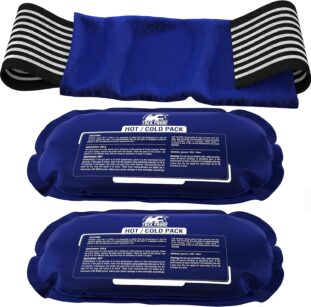
Apply heat. Use a heating pad or a warm towel on the affected area to relax tight muscles. If preferred take a warm bath. The heating pad is often quickly within reach.
Apply cold. A wrapped cold pack may help if soreness remains afterward. Wrap a bag of ice in a towel and apply it to the area – you may need to hobble to get this IF you can!
Elevate. Prop up your leg after the cramp starts to feel better using a leg elevation pillow. These pillows are quite helpful and are better designed for use than propping with regular pillows which easily go flat on you!
How to Use Stretching for Leg Cramps at Night
Check a previous article for more information – Reasons for Leg Cramps – Natural Remedies that May Help.
Here are some recommended exercises from the Cleveland Clinic that you can quickly apply for relief when you are surprised by a cramp in the calf muscle.
Stretch. Start off while standing (or sitting with your leg unfolded in front of you), straighten your leg and then flex it, pulling your toes towards your shin to stretch the muscles.
Pull on your toes if you are able to reach them – often impossible. Also try walking around on your heels.
Massage. Use your hands or a roller to massage the muscles to improve blood flow.
Stand. Get up! This may appear impossible, For seniors with balance problems, use a stable support and turn on a light before getting out of bed.
Grab onto support, and then press your hurting foot against the floor as many times as you can, despite the jarring pain.
Do this repeatedly and resist the temptation to sit down as the episode does not quickly stop while seated. You may prefer to sit down to do this, but this exercise is better done standing.
Walk. Wiggle your leg while you walk around for as long as you can before sitting or lying down.
Want a topical option for temporary muscle discomfort?
Try the Theraworx Roll On. See Best Topical Relief for Leg or Foot Cramps for the topical products we reviewed.

How to Prevent Nighttime Leg Cramps
Not every nighttime cramp can be prevented, especially when the cause is unknown, but several habits may be worth trying.
Anti- Leg Cramp Exercises: Stretch Before Bed
Gentle calf stretching before bedtime may help reduce nighttime cramps for some people.
Try a Few Minutes of Light Activity
Mayo Clinic suggests light activity such as riding a stationary bicycle for a few minutes before bed as another possible preventive measure.
Stay Adequately Hydrated During the Day
Drink fluids regularly, particularly after physical activity or heavy sweating. If you have been prescribed a fluid restriction for a medical condition, follow your healthcare professional’s instructions.
Avoid Heavy Exercise Just Before Bed
Regular activity is beneficial, but strenuous exercise that leaves muscles exhausted may increase the chance of cramping in susceptible people.
Keep Bedding Loose Around Your Feet
Tightly tucked sheets or blankets may hold the feet in an uncomfortable position. Mayo specifically suggests loosening sheets and covers at the foot of the bed as one preventive strategy.
Review Recurring Cramps With Your Healthcare Professional
If the cramps began after a medication change or are becoming more frequent, ask whether medication, another health condition, or another factor may be contributing.
Additional Lifestyle Tips for Managing Leg Cramps at Home
Maintain a Balanced Nutrition: Ensure adequate intake of magnesium, potassium, and calcium.
Wear Supportive Footwear: Proper shoes help reduce strain on leg muscles. Avoid tight fitting shoes that can cause pinching of the nerves.
Looking for more comfortable nighttime positioning?
Some seniors use a knee or leg-elevation pillow simply to make sleeping positions more comfortable. See Leg Cramps in Seniors: The Best Leg Pillows for Night Relief for options and what to consider.
When Should Nighttime Leg Cramps Be Checked?
Occasional nighttime leg cramps are common, but speak with a healthcare professional if the cramps:
- are severe or becoming more frequent;
- repeatedly interrupt your sleep;
- occur with muscle weakness or loss of muscle mass;
- are accompanied by swelling, redness, numbness, or skin changes; or
- do not improve with simple self-care.
Persistent nighttime cramps may deserve further evaluation, particularly when other symptoms occur.
Conclusion: Understanding the Causes of Leg Cramps at Night
The causes of leg cramps at night are not always easy to identify. Muscle fatigue, inactivity, dehydration, certain medications, aging, and some medical conditions may contribute, but many nighttime cramps occur without one clear cause.
When a cramp wakes you, gentle stretching, massage, movement, and warmth may help the muscle relax. A regular bedtime stretching routine, adequate daytime hydration, and sensible activity habits may also reduce episodes for some people.
If nighttime cramps become frequent, severe, or occur with other symptoms, speak with your healthcare professional rather than repeatedly treating them at home.
For a broader look at daytime and nighttime triggers and natural self-care strategies, see Reasons for Leg Cramps: 10 Home Remedies That May Help.
Related Articles
- 7 Symptoms of Dehydration in Seniors – Effects
- Leg Cramps in Seniors. A Seriously Painful Experience
- Leg Cramp Causes – 6 Medical Conditions That May Help
- What Supplements Help Leg Cramps – The Best Ones
- The Causes of Poor Blood Circulation in Aging Adults
- Compression Leg Socks – How to Select and Buy
FAQs for Causes of Leg Cramps at Night
What are the most common causes of severe leg cramps while sleeping?
Often there is no single known cause. Muscle fatigue, prolonged inactivity, dehydration, certain medications, aging, and some health conditions may contribute.
How do I stop a leg cramp when it wakes me?
Gently stretch the affected muscle, massage it, and stand or walk briefly if it is safe. Warmth may also help relax the muscle.
How can I prevent leg cramps while sleeping?
Gentle stretching before bed, regular daytime activity, adequate hydration, and keeping bedding loose around your feet may help some people.
Are nighttime leg cramps the same as restless leg syndrome?
No. Nighttime leg cramps cause sudden painful muscle tightening. Restless leg syndrome typically causes uncomfortable sensations and an urge to move the legs while resting rather than a painful muscle contraction.
References
Medical News Today (2022) Leg cramps at night: Causes, risk factors, and how to stop them. (2022). https://www.medicalnewstoday.com/articles/326327#causes-and-risk-factors
Lorenzo, I., Serra-Prat, M., & Yébenes, J. C. (2019). The Role of Water Homeostasis in Muscle Function and Frailty: A Review. Nutrients, 11(8). https://doi.org/10.3390/nu11081857
Mayo Clinic (2026) Night Leg Cramps – Causes and Definitions https://www.mayoclinic.org/symptoms/night-leg-cramps/basics/causes/sym-20050813
Cleveland Clinic (2023) Muscle Spasms (Muscle Cramps) https://my.clevelandclinic.org/health/diseases/muscle-spasms-muscle-cramps
Cleveland Clinic (2023) Leg Cramps https://my.clevelandclinic.org/health/diseases/14170-leg-cramps
HealthLink BC (2022) Dehydration https://www.healthlinkbc.ca/healthwise/dehydration
















I have suffered with severe leg cramps for a few years now I am 82 and I have severe varicose veins I get the cramps mainly at night but occasionally during the day I have noticed recently that if I feel a cramp coming on I get up and use the toilet and most of the time the cramp eases off.
Thanks for sharing this interesting tip Alex. I cannot put my finger on why this happens, but if it works for you, that is fantastic. It may also help some other folks.
P.S. Did you share this with your doctor as well? They may be able to find a correlation.
Ceci