

Feeling down more often than you’d like? Discover mood boosting foods that lift your spirits naturally, support brain health, and bring joy back to your plate—especially for seniors.
You ever have one of those days? You know, when the weather’s gloomy, your joints ache a little more than usual, and even your morning coffee feels like it’s working against you?
I sure have. After retirement, I thought I’d be floating on clouds, sipping iced tea on the porch. But mood swings caught me off guard, and it wasn’t just “a bad day”—it was a series of them.
One afternoon, after a particularly low spell and a kitchen full of cookies that offered zero comfort, I started digging into what actually helps lift our mood—naturally.
That’s when I stumbled across the magic of mood boosting foods! Let me tell you, the right plate of food can tremendously shift your whole day. And no, it’s not just about salads and smoothies!
Let’s explore as I share everything I’ve learned, from serotonin-rich bites to comfort food alternatives that won’t leave you feeling worse.
Mood Boosting Foods – The Link
Turns out, there’s real science behind why certain foods can give you the emotional equivalent of a warm hug. Your brain needs the right fuel to create feel-good chemicals like serotonin and dopamine—and guess where that fuel comes from? Yes, your plate of food!
The connection between the gut, the foods you eat and mood is a fascinating and increasingly studied area of health. What you consume can significantly influence your emotional state, largely due to the way certain foods interact with brain chemistry.
When you’re munching on omega-3 rich foods like salmon or walnuts, you’re not just helping your heart—you’re giving your brain a mood makeover. Same goes for magnesium rich foods like spinach or dark chocolate. Honestly, who knew that chocolate could actually be good for your emotional health?
How Gut Health Affects Mood
Gut health plays a key role in influencing your mood, as the gut and brain are intricately connected through what is known as the gut-brain axis.
This connection facilitates a constant dialogue between the digestive system and the brain, primarily through the vagus nerve and the production of neurotransmitters.
Approximately 90% of the body’s serotonin, a key neurotransmitter responsible for regulating mood, is produced in the gut.
An imbalance in gut bacteria, often referred to as dysbiosis, can lead to the production of inflammatory substances, which may affect brain function and mood.
Finally, a healthy gut environment is key for the proper absorption of nutrients that support brain health. Thus, maintaining a balanced gut microbiome through a diet rich in probiotics and fiber can significantly enhance mental well-being.
Why Does Food Affect Your Mood?
The connection between food and mood is a fascinating interplay of biology and emotions. When you consume nutrients, they directly influence your neurotransmitters, the brain’s chemical messengers that regulate feelings and thoughts.
Carbohydrates and omega-3 fatty acids are prime examples of foods that support brain health, while the absence of essential nutrients can lead to irritability and fatigue, underscoring the importance of a balanced diet.
How Food Affects Mood
A balanced diet not only sustains physical health but also supports a stable and positive emotional state, illustrating the profound impact of what you eat on how you feel. By choosing nutrient-rich foods, you can harness the power of mindful eating to boost your mood and overall well-being.
For instance,
- carbohydrates increase serotonin production, a neurotransmitter that promotes feelings of happiness and well-being.
- a diet high in processed foods and sugars can lead to energy crashes and feelings of irritability or depression.
- consuming omega-3 fatty acids, found in fish and flaxseeds, is linked to reduced anxiety and improved mental clarity.
- dark leafy greens, rich in folate, contribute to the production of dopamine, enhancing motivation and pleasure.
The Benefits of Mood Boosting Foods
Incorporating mood-boosting foods into your diet can have a profound impact on your overall well-being. These foods are rich in essential nutrients that support brain health and regulate mood-enhancing neurotransmitters like serotonin and dopamine.
Examples include:
- omega-3 fatty acids found in fish, walnuts, and flaxseeds are known to reduce symptoms of depression and anxiety
- foods high in antioxidants, such as berries and dark chocolate, help combat oxidative stress, which is linked to mood disorders.
- complex carbohydrates like whole grains also play a vital role by stabilizing blood sugar levels, providing a steady source of energy that helps maintain a balanced mood.
By consciously choosing these nutrient-dense foods, you can enhance your emotional resilience, improve mental clarity, and foster a more positive outlook on life.
The Best Mood Boosting Drinks
When it comes to enhancing your daily mood, the right beverages can also make all the difference.
Green tea is a fantastic choice, rich in L-theanine, an amino acid known to promote relaxation and alleviate stress without causing drowsiness. I take this throughout most of the day as my first fall back after meals.
For a sweeter option, dark chocolate hot cocoa combines the comforting warmth of cocoa with the mood-lifting properties of flavonoids found in dark chocolate. These compounds can enhance brain function and reduce stress levels.
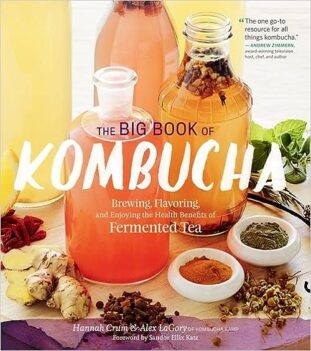
Kombucha, a fermented tea drink, is packed with probiotics that support gut health, which is closely linked to improved mental well-being.
Each of these drinks not only delights the palate but also provides a natural boost to your overall emotional state,
Foods That Help With Anxiety and Depression
Incorporating certain foods into your diet can play a critical role in managing anxiety and depression.
- Nutrient-rich foods such as leafy greens, nuts, and fatty fish are known to have a positive impact on mental health.
- Omega-3 fatty acids, found abundantly in salmon and mackerel, are essential for brain health and can help reduce symptoms of anxiety and depression.
- Foods high in magnesium, like almonds and spinach, are effective in regulating neurotransmitters that influence mood.
- Complex carbohydrates, such as whole grains, are beneficial as they increase the production of serotonin, a neurotransmitter that promotes feelings of well-being and happiness.

By integrating these foods into your daily meals, you can enhance your emotional resilience and naturally support your mental health.
The Foods I Had to Say Goodbye To
Here’s the thing—I loved sugar. I mean, who doesn’t? But after noticing how cranky and tired I felt after my “treats,” I learned the hard way that low sugar mood foods are what I needed.
Processed snacks, soda, and pastries gave me a quick high followed by a moody crash. Now, I go for comfort food alternatives—like a warm sweet potato topped with cinnamon and a dollop of Greek yogurt. Same cozy vibes, but way less guilt!
6 Types of Mood Boosting Foods You Should Be Eating
Alright, here’s where it gets tasty. Below are the heavy-hitters I’ve added to my weekly meals. These aren’t just good-for-you foods—they’re feel-good foods.
1. Fatty Fish: The Brain’s Best Friend
Fish like salmon, mackerel, and sardines are packed with omega-3 rich foods that help balance mood and reduce symptoms of depression. I like to throw some grilled salmon on a salad or make a simple tuna wrap with a whole grain tortilla.
2. Dark Leafy Greens
Spinach, kale, and Swiss chard are loaded with magnesium rich foods, and magnesium is like a natural chill pill. I started tossing spinach into scrambled eggs—didn’t even notice the taste, but I felt sharper and calmer in the mornings.
3. Probiotic Rich Foods

Think yogurt, kefir, sauerkraut, and kimchi. These help create a healthy gut, and a healthy gut leads to a happier brain. My granddaughter got me into Greek yogurt with berries—now it’s a breakfast staple.
In fact I have learned the art of making Greek yoghurt with my very own yoghurt maker – and it’s not complicated.
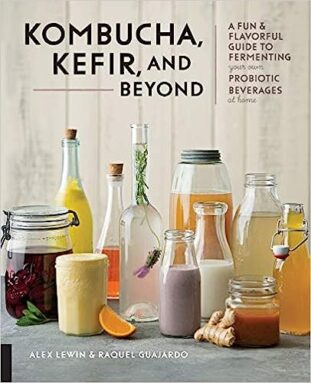
I was so delighted with the results that I quickly moved on to making kombucha and kefir. There are great recipe books for these. Also check out two previous articles – Make Probiotics at Home and Probiotics and Digestive Health
4. Whole Grains for the Win
Oats, quinoa, and brown rice offer steady energy and support mental clarity. I replaced white bread with whole grain toast and noticed my brain fog lifting like a morning mist.
5. Berries and Bananas
Berries are antioxidant-packed, and bananas are loaded with vitamin B6, which helps produce serotonin. I freeze them for smoothies—great for a quick, nutrient dense snack.
6. Nuts and Seeds
Almonds, sunflower seeds, flaxseeds—snack on ‘em raw or toss into a salad. These are feel good nutrition powerhouses.
Quick Tips for Adding Energy and Mood Boosting Foods to Your Day
1. Start Small: Swap out one processed snack a day for something from the feel good nutrition list. A handful of almonds instead of cookies, maybe?
2. Prep Ahead: Make it easy for your tomorrow. Cook some quinoa in bulk, roast a tray of veggies, or prep smoothie bags. A bit of prep today saves your sanity tomorrow.
3. Make Breakfast Count: Try a bowl of oatmeal topped with antioxidant rich meals like blueberries and walnuts. That combo alone has changed how I feel in the morning.
4. Hydration Matters: Sometimes, fatigue or crankiness is just dehydration in disguise. Infuse your water with citrus or cucumber slices—feels fancy, works wonders.
Why Foods that Boost Mood are Especially Important for Seniors
As we age, our bodies process nutrients differently. What used to “work” in our 40s might not be cutting it anymore. Plus, feelings of loneliness, chronic health issues, and reduced mobility can impact mood. That’s why mood boosting foods are not just helpful—they’re essential.
The right diet helps with mental clarity, energy, and even gait and balance. Who knew that a spoonful of yogurt or a bowl of oats could help keep you steady on your feet and smiling a little more?
Conclusion: A Happier You Starts on Your Plate
Listen, life’s too short to eat food that makes you feel down and about. If there’s one thing I’ve learned, it’s that small changes make a huge difference. Adding a few mood boosting foods to your daily meals might not solve everything—but it sure can make the ride smoother, tastier, and a whole lot brighter.
So, next time you’re feeling off, take a peek at your plate – and – adjust accordingly!
FAQs About Mood Boosting Foods for Seniors
What are the best mood boosting foods for seniors?
Fatty fish, leafy greens, whole grains, nuts, and probiotic rich foods are some of the best options for seniors wanting to lift their mood naturally.
Are there quick mood boosting foods I can eat on the go?
Yes! Try a banana with almond butter, Greek yogurt with berries, or a handful of walnuts for quick, nutrient dense snacks.
Do mood boosting foods help with anxiety or depression?
They can support overall emotional health, but they’re not a replacement for professional care. Think of them as a solid sidekick, not the main hero.
How long does it take for mood boosting foods to work?
Some people feel a difference in a few days, others in a few weeks. Consistency is key!