

Learn how to choose mobility aids for independent living using 7 essential decisions that prevent falls and protect senior independence.
A retired gentleman I know resisted using a walker for nearly a year. “I’m not there yet,” he would say. Then one afternoon, he tripped on an uneven sidewalk. No serious injury — but enough of a scare to change his thinking.
The truth is, mobility aids are not signs of weakness. They are tools of independence.
If you’re wondering how to choose mobility aids for independent living, the right decision can reduce fall risk dramatically and extend your ability to live safely at home.
Let’s walk through the essential decisions that matter most.
Why Are Mobility Aids Important for Independence?
Many seniors hesitate because they fear stigma. But understanding why mobility aids are important for independence changes the narrative.
Preserving Dignity and Confidence
Mobility aids can significantly enhance the quality of life for seniors by providing the necessary support and confidence to continue engaging in daily activities.
A properly selected mobility aid restores control. It allows you to move confidently without relying on others for every task. Independence is not about doing everything unaided — it’s about doing things safely.
Reducing Fall Risk Before It Becomes a Crisis
As seniors age, maintaining independence and mobility becomes increasingly important. Falls often happen gradually — small stumbles, near-misses, hesitation on stairs.
Mobility aids intervene early. They support balance and stability before a major fall occurs.
Used proactively, they protect long-term freedom.
What Are the Different Types of Mobility Aids Available?
Understanding the different types of mobility aids available helps you avoid choosing something either too weak — or too restrictive.
Always consult a healthcare professional before selecting mobility equipment. They include canes and walking sticks, walkers and rollators, wheelchairs and scooters, and low vision mobility tools.
How to Choose Mobility Aids for Independent Living
Canes and Walking Sticks
Canes are one of the most commonly used mobility aids for seniors. They are ideal for individuals who need minimal support and can be an excellent option for those who experience slight balance issues or minor leg weakness.
They provide single-point stability but require upper body strength. Canes come in various styles, such as:
- Single-Point Canes: These have a single rubber tip at the bottom and are lightweight, making them easy to handle.
- Quad Canes: Featuring a four-point base, these provide more stability than single-point canes, ideal for those needing extra support.
- Folding Canes: Convenient for travel, these can be collapsed to fit easily into a bag.
Walking sticks, on the other hand, are generally used for balance and support during outdoor activities like hiking.
They are often crafted from durable materials and may not be as adjustable as canes, but offer a sturdy option for those who enjoy spending time in nature.
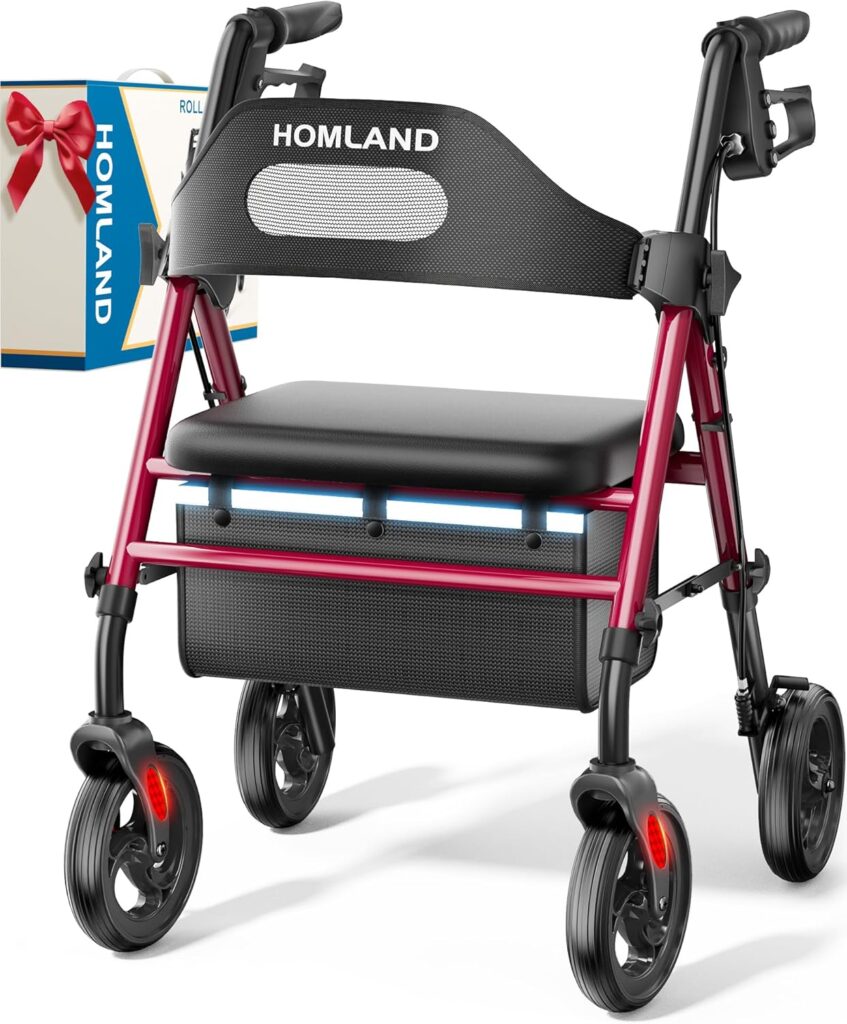
Walkers and Rollators
Walkers offer more stability than canes, featuring a framework that a person can lean on while walking. They are particularly beneficial for seniors who require more substantial support. Walkers come in different forms:
- Standard Walkers: These have four legs with rubber tips and provide maximum stability but require the user to lift the walker with each step.
- Two-Wheeled Walkers: With wheels on the front legs, these allow for a smoother movement without lifting, making them suitable for those with more arm strength.
Rollators are an advanced version of walkers, equipped with four wheels, a seat, and hand brakes. They provide the flexibility to rest whenever needed and are perfect for those who can walk but need occasional breaks.
Wheelchairs and Scooters
For seniors who experience significant mobility challenges, wheelchairs and scooters can offer a high level of independence.
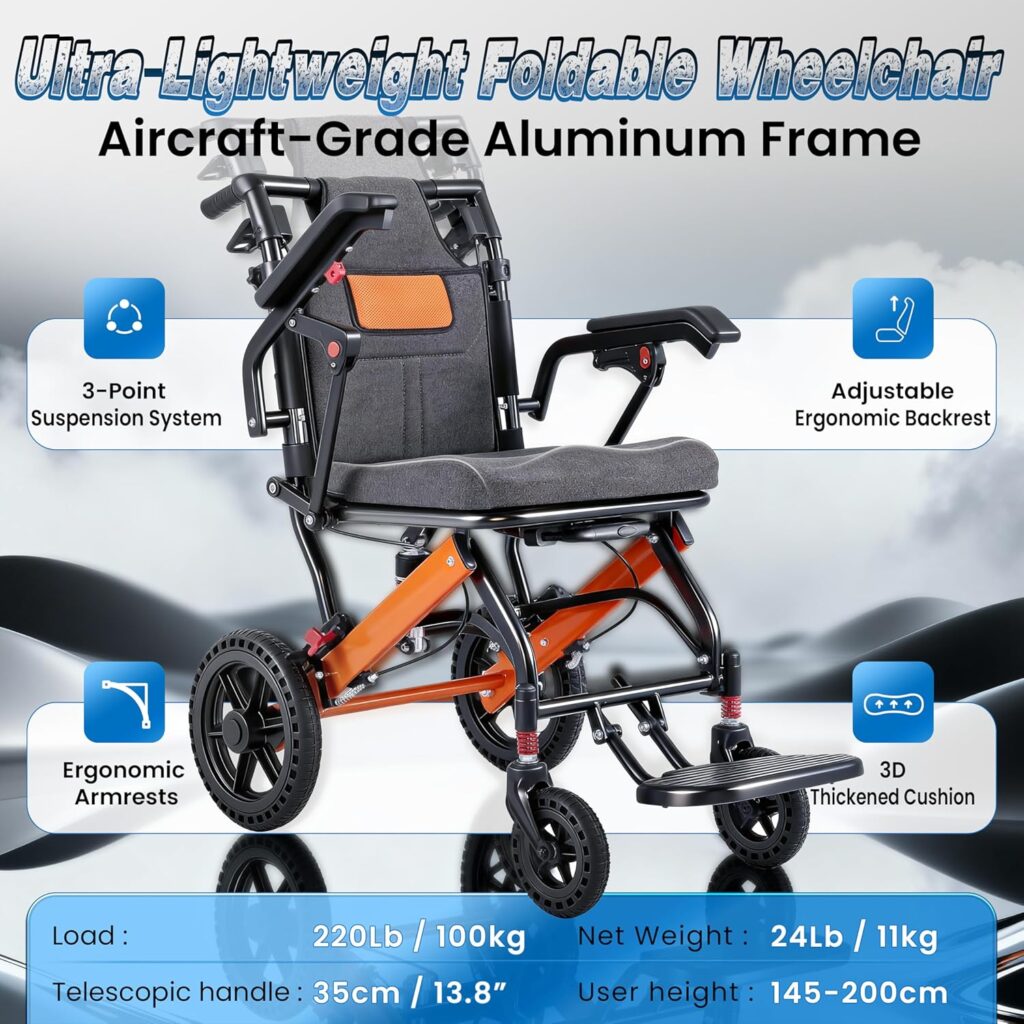
Wheelchairs are either manually operated or powered by electricity. Manual wheelchairs are suitable for individuals who have enough upper body strength or have someone to assist them. Ultra lightweight models are more prtable, and great for travel.
Electric wheelchairs, on the other hand, are ideal for those who lack the strength to propel themselves. There are standard and lightweight models
Mobility scooters are another excellent option, providing an easy-to-operate transportation solution for seniors.
They are typically equipped with a comfortable seat, handlebars for steering, and a battery-powered motor.
Scooters are perfect for longer distances and outdoor use, allowing seniors to maintain an active lifestyle.
Low Vision Mobility Tools
Not all mobility issues are muscular. For those with visual impairments, Low vision mobility tools such as white canes or contrast-enhanced flooring aids help prevent missteps related to depth perception. These aids include:
Electronic Travel Aids: Devices like talking GPS systems can provide auditory cues to help navigate unfamiliar environments.
White Canes: Designed to help visually impaired individuals detect obstacles in their path, these canes are lightweight and reflective, making the user more visible to others.
Guide Dogs: Specially trained to assist with navigation, guide dogs offer companionship and support for those with severe vision loss.
Choosing the correct category prevents unnecessary risk.
Why Is Accessibility Important in Aging in Place?
Mobility aids must match your environment.
Why is accessibility important in aging in place? Accessibility ensures your device works with, and not against your home.
Effective Home Design for Aging in Place
An effective home design for aging in place includes:
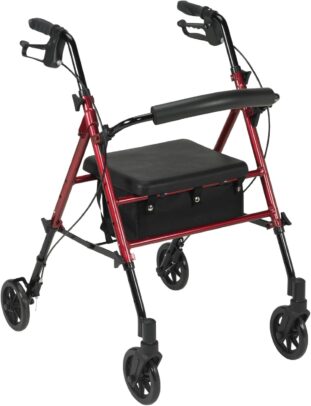
- Wide pathways
- Level flooring transitions
- Adequate turning radius
- Good lighting
If hallways are narrow, a wide walker may be impractical.
Matching Mobility Aids to Your Living Environment
A device perfect outdoors may feel cumbersome indoors. Many seniors choose mobility aids based on how they feel during a brief store test, without considering how the device will function inside their actual living space.
Your environment plays a major role in whether a mobility aid improves safety — or quietly creates frustration.
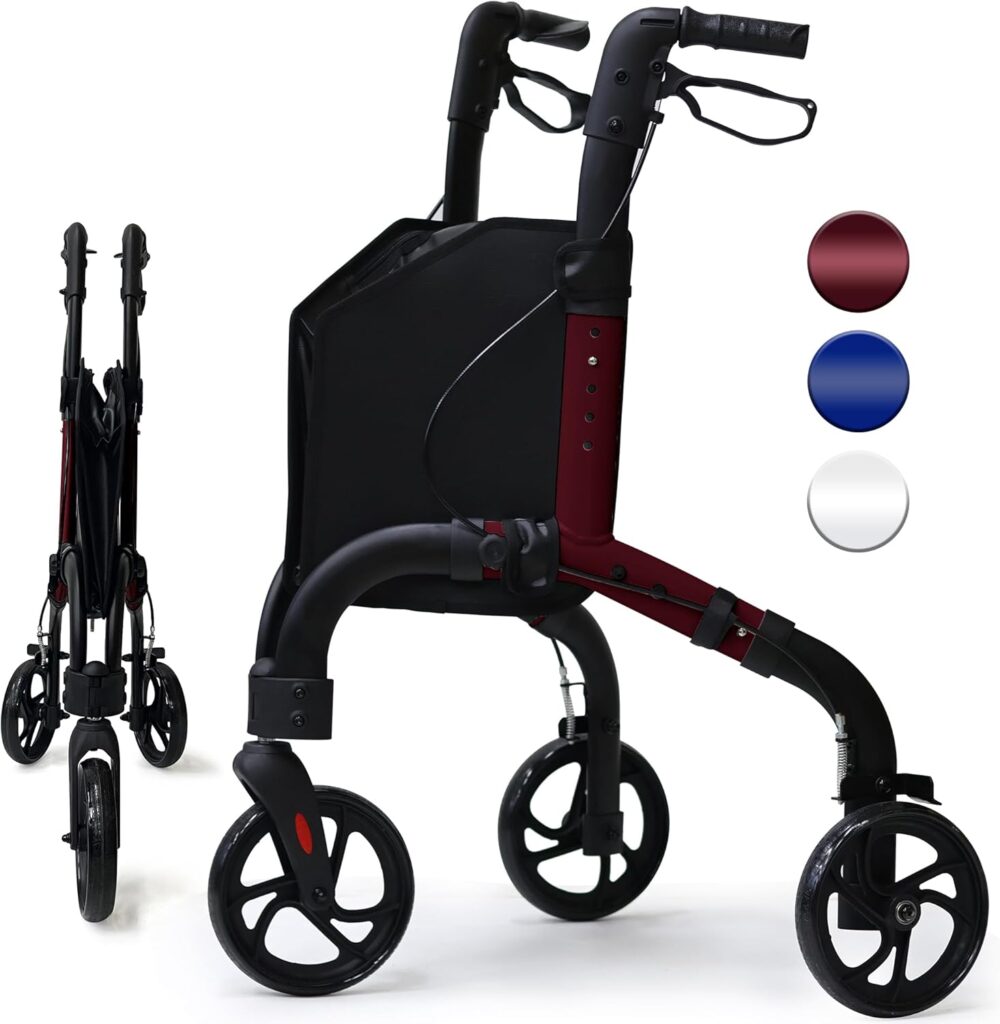
Start by evaluating how you move through your home during a typical day. Do you navigate narrow hallways, tight bathroom doorways, or rooms filled with furniture that reduce turning space? Consider a 3 wheeled rollator.
Even small layout challenges can make larger mobility devices difficult to maneuver.
Flooring also matters more than most people expect. Thick carpeting can create rolling resistance for walkers and rollators, while uneven tile or transition strips can catch wheels unexpectedly.
Seniors living in multi-level homes should also consider whether stairs are part of their daily routine and whether carrying or repositioning a mobility aid will be practical.
Outdoor access introduces another layer of decision-making. Sidewalk cracks, gravel pathways, and sloped driveways require stronger wheel stability and better braking control than smooth indoor flooring.
A device that feels comfortable indoors may feel unstable outdoors if terrain changes frequently.
Lighting conditions should also be reviewed. Poorly lit hallways or entryways can make navigation more challenging, particularly for seniors experiencing mild vision changes.
In these cases, combining mobility aids with environmental lighting improvements creates a safer movement experience.
Taking time to walk through your home mentally — and physically — helps ensure your mobility aid becomes a supportive extension of your environment rather than an obstacle within it.
Decisions1–3: Choose the Right Level of Support
Balance and Stability Assessment
Before selecting any device, consider how your balance has changed over time. Do you feel steady when standing from a seated position?
Do you occasionally reach for walls or furniture for reassurance? Even subtle shifts in stability can indicate the need for additional support.
A helpful self-check is to observe whether you feel hesitant when turning quickly, navigating uneven surfaces, or carrying items while walking. Hesitation often reflects reduced balance confidence, even before visible instability appears.
Healthcare providers or physical therapists can perform gait assessments that identify weaknesses not easily recognized during everyday movement. These evaluations provide valuable insight into how much support is appropriate.
Indoor vs Outdoor Needs
Mobility requirements rarely stay the same across environments. Many seniors feel stable indoors but experience difficulty when navigating curbs, crowded spaces, or uneven ground outdoors.
Devices designed for outdoor use often include larger wheels, improved shock absorption, and enhanced braking systems. However, these features can make the device bulkier indoors.
Some individuals benefit from having separate solutions for indoor and outdoor mobility rather than trying to find a single device that performs equally well everywhere.
Short-Term vs Long-Term Use
Another consideration is whether mobility limitations are temporary or progressive. Recovery from surgery, injury, or illness may require temporary support, while chronic conditions may benefit from investing in durable equipment designed for long-term use.
Thinking ahead helps prevent frequent device changes, which can be costly and emotionally discouraging. Choosing adaptable equipment that allows for adjustments over time often provides greater comfort and confidence as needs evolve.
Decisions 4–5: Safety Features That Prevent Falls
Not all mobility aids are built equally. Safety features can make the difference between a mobility aid that simply assists movement and one that actively reduces fall risk.
Braking Systems and Grip Support
Reliable braking systems are especially important for wheeled devices. Seniors should feel confident that the device will remain stable when sitting, standing, or pausing on slight inclines.
Testing brake responsiveness in different environments — including gentle slopes — provides a clearer picture of real-world performance.
Grip comfort is equally important but often overlooked. Handles that are too small, too firm, or poorly shaped can cause hand fatigue and reduce control.
Over time, discomfort may lead to inconsistent use, which undermines the purpose of the device. Ergonomic grips designed to distribute pressure more evenly can improve both comfort and stability.
Proper Fit and Height Adjustment
Fit is one of the most overlooked fall-prevention factors.
A mobility aid that is not properly fitted can introduce posture strain and reduce balance rather than improve it. Devices that are too low encourage leaning forward, while those that are too high can create shoulder tension and instability.
When standing upright with the device, elbows should remain slightly bent and shoulders relaxed. This positioning allows natural movement and reduces fatigue during longer periods of walking.
Additional Stability Enhancements
Some mobility aids include wider bases, anti-tip features, or reinforced frames that provide additional reassurance for seniors experiencing moderate balance concerns.
These enhancements may feel unnecessary at first but can significantly improve confidence when navigating unfamiliar environments.
Storage features such as baskets or trays may also contribute indirectly to safety by allowing seniors to carry items without compromising balance.
Carrying objects while relying on a mobility aid can shift weight distribution and increase fall risk, so built-in storage can be surprisingly valuable.
Ultimately, selecting devices with thoughtful safety features helps transform mobility support from a reactive measure into a proactive fall-prevention strategy.
Decision 6: Aging in Place Home Modifications for Seniors With Mobility Issues
Mobility aids alone are not enough.
Sometimes aging in place home modifications for seniors with mobility issues must accompany equipment selection.
When Structural Changes Must Accompany Mobility Aids
Installing grab bars, removing rugs, and widening pathways may be necessary.
A walker cannot function safely on cluttered flooring.
Coordinating Devices With Home Layout
Measure spaces before purchasing.
Ensure bathrooms and bedrooms allow adequate maneuverability.
Mobility support and structural safety work together.
Decision 7: Professional Evaluation Before Purchasing
Occupational Therapy Assessments
An occupational therapist can recommend specific device types based on gait and strength.
Professional evaluation prevents costly mistakes.
Trial Periods and Fitting Sessions
Many suppliers allow trial use.
Testing before purchase ensures comfort and stability.
Common Mistakes When Selecting Mobility Aids
- Choosing based on appearance rather than function
- Buying the cheapest option without quality review
- Ignoring environmental compatibility
- Skipping professional assessment
Mobility aids and fall alert devices should enhance safety indoors and outdoors — not create new hazards.
Final Thoughts on Choosing Mobility Aids for Independent Living
Learning how to choose mobility aids for independent living is about making informed, proactive decisions.
The right device extends independence.
It reduces fear, and most importantly, it prevents dangerous falls.
Choose support before you need rescue. If balance has started to feel uncertain, don’t wait for a fall to make the decision.
Choose support early. Stay independent longer.
FAQs for How to Choose Mobility Aids for Independent Living
What are the different types of mobility aids available?
Common mobility aids include canes, walkers, rollators, wheelchairs, scooters, and low vision mobility tools designed to improve balance and stability.
Why are mobility aids important for independence?
Mobility aids reduce fall risk, improve balance, and allow seniors to move confidently without relying heavily on caregivers.
How do I know which mobility aid is right for me?
Assess balance level, indoor and outdoor needs, and consult a healthcare provider for professional evaluation.
Should I modify my home before buying a mobility aid?
Yes. Ensure pathways are clear, floors are stable, and doorways are wide enough to accommodate your chosen device safely.
References
- National Institute on Aging – Healthy Aging Tips for the Older Adults in Your Life https://www.nia.nih.gov/health/caregiving/healthy-aging-tips-older-adults-your-life
- Canadian Institute for Health information – Healthy aging: Safe and supportive care for older adults https://www.cihi.ca/en/taking-the-pulse-measuring-shared-priorities-for-canadian-health-care-2024/healthy-aging-safe-and-supportive-care-for-older-adults
- CDC – Older Adult Fall Prevention https://www.cdc.gov/falls/about/index.html