

Feeling overwhelmed as a caregiver for family member? Discover emotional impacts, real-life fixes, and essential resources to balance caregiving with life while protecting your health.
When I first stepped into the role of a caregiver for family member, I thought, “How hard could it be?” After all, it’s just helping someone you love.
But within weeks, I was juggling sleepless nights, medical appointments, financial stress, and this nagging sense of guilt that no matter what I did—it wasn’t enough.
If this sounds familiar, you’re not alone. Caregiving can feel overwhelming, not only because of the daily elder care responsibilities, but also because of the emotional rollercoaster that comes with it.
The truth? Being a family caregiver often means:
- Putting your own health and needs on the back burner
- Navigating financial and legal challenges without a roadmap
- Managing the emotional toll of watching a loved one decline
- Feeling burned out and isolated
Fortunately, there are ways to lighten the load. This article blends real-life experiences, practical caregiver coping strategies, and helpful resources (including a few tools from Amazon.ca) that can make a world of difference.
Why Being a Caregiver for Family Member Feels Overwhelming
Caregiving is not just about helping with groceries or medications. It can quietly take over every part of your life. Let’s unpack the biggest reasons it feels so heavy:
1. The Emotional Strain of Caregiving
Watching a parent, grandparent, or spouse struggle with aging, memory loss, or illness hits differently when you’re the one providing daily care.
There’s sadness, frustration, and sometimes even resentment—followed by guilt for feeling that way. It’s what one might call the “caregiver emotional boomerang.”
2. The Daily Care Tasks Add Up
From managing prescriptions to preparing meals, small chores snowball. A simple “help out” can quickly morph into in-home caregiving that eats up your entire day.
3. Financial and Career Impacts
Many unpaid caregivers in Canada and the U.S. cut back on work hours or quit jobs entirely to provide care. That’s a huge financial strain, compounded by medical bills, home safety upgrades, and lost career growth.
4. Caregiver Burnout is Real
Caregiver burnout doesn’t happen overnight. It sneaks in when you’ve been “on call” 24/7 without a break. The exhaustion feels physical, mental, and emotional.
Impacts of Being a Caregiver for Family Member
So what happens when caregiving becomes overwhelming? Here are the impacts most caregivers experience:

Emotional Impacts
- Anxiety, depression, or caregiver guilt and relief
- Feeling isolated when friends drift away
- Loss of personal identity outside of the caregiver role
Physical Impacts
- Sleep problems from round-the-clock responsibilities
- Decline in your own health (back pain, headaches, stress-related illness)
- Neglecting exercise or healthy eating routines
Social and Financial Impacts
- Strained relationships with siblings or extended family
- Difficulty balancing caregiving with work (the sandwich generation stress is real)
- Increased reliance on credit or government support programs
Fixes: How to Lighten the Load of Caregiving
Alright, let’s shift gears. If being a caregiver for family member feels like it’s crushing you, here’s what can help.
1. Build a Support Network
- Join family caregiver support groups online or in your community.
- Talk openly with siblings about sharing responsibilities (yes, even if they’ve been absent so far).
👉 Resource: WellWise by Shoppers Caregiver Support (Canada-based caregiver hub).

2. Use Practical Caregiving Tools
The right tools can save hours of frustration. For instance:
- A medication organizer with timer cuts down on errors.
- Lift-assist devices reduce injury risk when helping with mobility. Check out the popular MCombo Dual Motor Power Lift Recliner Chair with Massage, Heat, Infinite Position, USB Ports & Cup Holders
A useful resource is the MedCenter Talking Alarm Clock and Pill Organizer – Reminds your loved one when to take meds, reducing stress for both of you.
3. Embrace Respite Care
You can’t pour from an empty cup. Respite care for families gives you permission to step away and recharge. Even a weekend off can make you a better caregiver.
4. Focus on Self-Care Without Guilt
- Schedule “non-negotiable” time for yourself (walk, book, coffee with a friend).
- Practice relaxation techniques like deep breathing or journaling.
Consider TLC with the iKristin Shiatsu Back and Neck Massager – A quick stress reliever when you only have 10 minutes to yourself.

5. Make the Home Safer and Smarter
Home safety for seniors prevents accidents and reduces your workload.
- Install grab bars and non-slip mats in the bathroom.
- Add smart lights or fall detection devices for peace of mind.
Drive Medical Bathroom Safety Rails are affordable and essential for preventing falls.
6. Manage Finances and Legalities Early
- Look into caregiver financial aid programs and tax credits.
- Have the tough conversations about wills, powers of attorney, and long-term care plans.
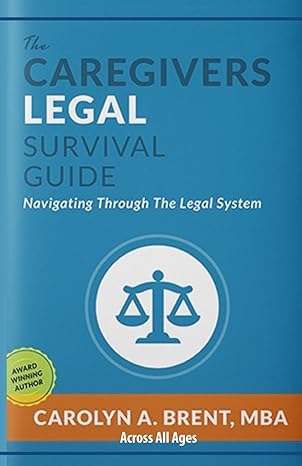
To help you get started , check Caregiver’s Legal Survival Guide – A practical book covering rights, responsibilities, and financial planning.
Personal Story: A Lesson I Learned the Hard Way
When I became the aging parent caregiver for my mom, I thought I could do it all alone.
I skipped vacations, missed work deadlines, and pushed myself until I landed in the ER with exhaustion.
The irony? While I was in the hospital, someone else had to step in to care for her.
That was my wake-up call. I started reaching out to a local caregiver support group, invested in a few smart home safety devices, and allowed myself one weekend a month “off duty.”
The result? My mom still got the care she needed, but I was no longer running on fumes.
Sometimes the best fix isn’t working harder—it’s asking for help and using resources.
Conclusion – Why Being a Caregiver For Family Member is Overwhelming
Being a caregiver for family member is one of the hardest, yet most meaningful roles you’ll ever take on. It’s overwhelming because it challenges you emotionally, physically, financially, and socially.
But the fixes—family caregiver support networks, practical tools, respite care for families, and planning ahead—can transform the experience from draining to manageable.
👉 If you’re in this role, don’t wait until burnout hits. Try one new tool, set up one support system, or schedule one day for yourself this week.
And if you’re ready to make caregiving easier today, see the resources provided in this blog which are worth checking out.
Because caring for someone else shouldn’t mean losing yourself in the process.
Check Related Articles
- 7 Caregiver Coping Strategies to Reclaim Your Energy
- How to Prevent Falls in Seniors – Safety in the Home
FAQs for Caregiver For Family Member
What are the biggest challenges of being a caregiver for family member?
The main challenges include emotional stress, financial strain, lack of personal time, and risk of burnout.
How do I prevent caregiver burnout?
Build a support network, use respite care, set aside self-care time, and use tools that reduce daily workload.
Is there financial help for a caregiver for family member in Canada?
Yes, there are tax credits, caregiver benefits, and provincial support programs available.
What’s the best way to balance work and being a caregiver for family member?
Communicate with your employer about flexible hours, share responsibilities with family, and prioritize self-care to maintain energy.
How do I handle caregiver guilt and relief?
Acknowledge that guilt is common, remind yourself you’re doing your best, and seek support through counseling or caregiver groups.