

Feeling like your get-up-and-go just got up and went? You’re not alone! As we age, our energy levels can sometimes feel more like a slow shuffle than a brisk walk.
But fear not—before you reach for that third cup of coffee, let’s talk about how to conquer tiredness with the power of food – and not just any food!
Yes, there are tasty ways to put the pep back in your step. So, grab a fork and get ready to dig into six energising vitality foods that will have you feeling more lively than a game of bingo on a Friday night!
What are the Causes of Tiredness in Seniors?
Tiredness in seniors can be caused by a variety of factors, ranging from lifestyle habits to underlying health conditions. Here are some common causes:
Poor Sleep Quality: As people age, sleep patterns can change, leading to difficulties in falling asleep, staying asleep, or experiencing deep, restorative sleep. Conditions like sleep apnea or restless leg syndrome are also more common in seniors, disrupting rest.
Nutritional Deficiencies: Lack of essential nutrients like iron, vitamin B12, vitamin D, and magnesium can lead to fatigue. These deficiencies may result from poor diet, malabsorption, or medication interactions.
Chronic Medical Conditions: Conditions such as diabetes, heart disease, arthritis, and hypothyroidism can cause ongoing fatigue. Additionally, chronic pain associated with conditions like arthritis can make it difficult to sleep, leading to tiredness.
Medications: Many medications prescribed to seniors, such as those for high blood pressure, depression, or anxiety, can have side effects like drowsiness or fatigue.
Dehydration: Seniors are more prone to dehydration, which can cause fatigue. The sensation of thirst decreases with age, making it easier to become dehydrated without realizing it.
Lack of Physical Activity: A sedentary lifestyle can lead to muscle weakness and decreased endurance, making even simple activities more tiring.
Mental Health Issues: Depression, anxiety, and loneliness are common in older adults and can manifest as physical fatigue, with a lack of motivation or energy.
Chronic Stress: Long-term stress can lead to adrenal fatigue, where the body’s stress response becomes overtaxed, resulting in constant tiredness.
Addressing these causes of tiredness in seniors can help improve energy levels and overall well-being in seniors.
Excessive Tiredness in the Elderly
On the other hand, excessive tiredness in the elderly can stem from various physical, psychological, and lifestyle factors. Some of the most common causes include:

Chronic Health Conditions: Many older adults suffer from chronic conditions such as heart disease, diabetes, arthritis, or chronic obstructive pulmonary disease (COPD).
These conditions can lead to persistent fatigue due to the body’s ongoing effort to manage the illness.
Sleep Disorders: Sleep disorders like insomnia, sleep apnea, and restless leg syndrome can cause excessive tiredness in the elderly.
These disorders disrupt normal sleep patterns, leading to inadequate rest and daytime tiredness.
Medications: Many seniors take multiple medications (polypharmacy), and some of these can cause drowsiness or fatigue as side effects. In addition, interactions between different medications can exacerbate tiredness.
Depression and Anxiety: Mental health issues like depression and anxiety are common in the elderly and can manifest as excessive tiredness. Depression often leads to a lack of motivation and energy, while anxiety can cause restlessness and fatigue.
Nutritional Deficiencies: Deficiencies in essential nutrients like vitamin B12, vitamin D, iron, and folate are common in older adults and can lead to anemia, muscle weakness, and fatigue.
Thyroid Dysfunction: Hypothyroidism, where the thyroid gland is underactive, is more common in the elderly and can cause significant fatigue, weight gain, and muscle weakness.
Dehydration: Seniors are more prone to dehydration, often due to a decreased sense of thirst or fear of incontinence. Dehydration can cause fatigue, confusion, and weakness.
Cognitive Decline: Conditions like dementia or Alzheimer’s disease can lead to excessive tiredness. The brain’s effort to process information and cope with cognitive decline can be exhausting.
Anemia: Anemia, often due to nutritional deficiencies, chronic disease, or blood loss, reduces the oxygen-carrying capacity of the blood, leading to feelings of exhaustion.
Infections: Infections, even minor ones, can lead to fatigue in older adults as the body uses energy to fight off the illness. Persistent infections or unresolved health issues can cause ongoing tiredness.
Excessive tiredness in the elderly often requires a comprehensive evaluation by a healthcare provider to determine the underlying causes and develop an appropriate treatment plan.
Energising Foods to Conquer Tiredness
Six energising vitality foods that can help conquer tiredness in seniors: These are oats, bananas, spinach, nuts, sweet potatoes and Greek yoghurt. Let’s look at each one in detail, and in which forms they may help to conquer tiredness.
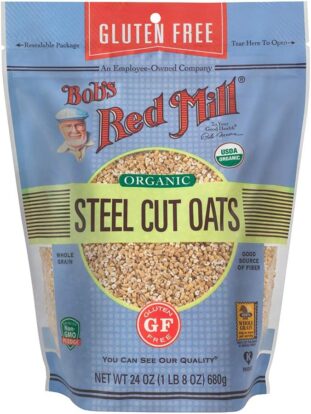
Oats
Oats are an excellent energising food for seniors due to their high content of complex carbohydrates and dietary fiber.
Unlike simple sugars, the carbohydrates in oats are digested slowly, providing a steady release of energy throughout the day, which helps prevent energy crashes.
Oats are also rich in B vitamins, such as thiamine and folate, which play a key role in converting food into energy at the cellular level.
Furthermore, oats contain iron, which helps combat fatigue by supporting healthy red blood cell production, ensuring oxygen is efficiently transported throughout the body.
The soluble fiber in oats, particularly beta-glucan, also helps stabilize blood sugar levels, preventing the spikes and drops that can lead to tiredness.
For seniors, incorporating oats into their diet can help maintain consistent energy levels, reduce feelings of fatigue, and support overall health, making it easier to stay active and alert throughout the day.
Best Kind of Oats to Buy
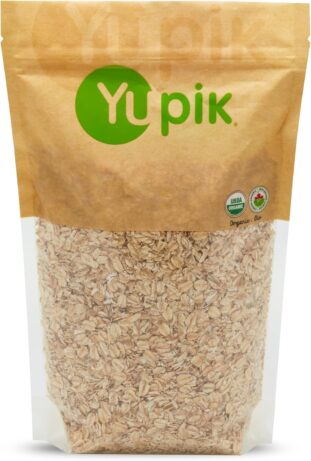
There are various derivatives of oats you can buy in the market, each having its own texture and cooking time. The less the processing time, the more the nutrients packed in your choice of oats. Either way oats remain especially nutritious.
| Different Kinds of Oats You Can Buy | |
|---|---|
| Whole Oat Groats | These are the most unprocessed form of oats, with only the inedible hull removed. They retain the bran and germ, making them highly nutritious but requiring longer cooking times. |
| Steel-Cut Oats | Also known as Irish oats, these are whole oat groats that have been chopped into smaller pieces. They have a chewy texture and take about 20-30 minutes to cook. |
| Rolled Oats | Also called old-fashioned oats, these are steamed and then rolled flat. They cook faster than steel-cut oats, usually in about 5-10 minutes, and are commonly used in oatmeal, baking, and granola. |
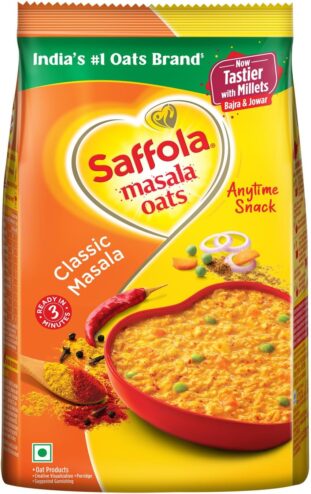
| Quick Oats | These are rolled oats that are further steamed and flattened for even quicker cooking, usually in 1-3 minutes. They have a softer texture and are often used in instant oatmeal packets. |
| Instant Oats | These are pre-cooked, dried, and then rolled oats that cook almost instantly when hot water is added. They’re convenient but often contain added sugars and flavorings. |
| Oat Flour | Made from finely ground oats, oat flour is used in baking as a gluten-free alternative to wheat flour. It’s commonly found in breads, cookies, and pancakes. |
| Oat Bran | This is the outer layer of the oat groat, which is removed during processing. It’s high in fiber and often used to boost the fiber content in cereals, smoothies, and baked goods. |
| Created by MetamorphosisHub.com | |
Bananas
Bananas are a powerful energising food for seniors due to their rich content of natural sugars —glucose, fructose, and sucrose—which provide both immediate and sustained energy.
These natural sugars are easily digestible, making bananas a quick and efficient source of fuel.
Bananas are also high in dietary fiber, which slows the digestion of sugars, preventing energy spikes and crashes.
Bananas are also packed with potassium, an essential mineral that supports muscle function and helps prevent cramps and fatigue.
Potassium balances electrolytes in the body, which is necessary for maintaining proper hydration and energy levels, especially in seniors who may be more prone to dehydration.
Furthermore, bananas contain vitamin B6, which plays a key role in energy metabolism by helping the body convert food into usable energy.
Incorporating bananas into the diet can help seniors maintain steady energy levels, combat tiredness, and stay active throughout the day.
Spinach
Spinach is a highly energising food for seniors due to its rich nutrient profile, especially its iron content. Iron is key for the production of hemoglobin, which carries oxygen to the body’s cells, helping to reduce fatigue and boost energy levels.
Seniors often experience tiredness due to iron deficiency, making spinach an excellent addition to their diet.
Spinach is also high in magnesium, a mineral that plays a key role in energy production by supporting the function of enzymes that convert food into energy.
It also contains B vitamins, including folate, which aids in the body’s energy metabolism.
The antioxidants in spinach, such as vitamin C and beta-carotene, also combat oxidative stress, which can lead to fatigue.
By incorporating spinach into their meals, seniors can improve their energy levels, reduce the risk of anemia, and support overall vitality, helping them to feel more energized and less tired.
Nuts
Nuts are an excellent energising food for seniors due to their high content of healthy fats, protein, and fiber. The healthy fats, particularly unsaturated fats, provide a dense source of energy that the body can use steadily over time.
These fats also support brain health, which can help maintain mental alertness and combat fatigue.
Nuts are rich in protein, which is essential for repairing tissues and maintaining muscle mass, both crucial for seniors to stay active and energized.
The combination of protein and fiber in nuts helps regulate blood sugar levels, preventing the energy dips that can lead to tiredness.
Additionally, nuts are a good source of magnesium, a mineral that plays a vital role in energy production and muscle function.
The steady release of energy from nuts, combined with their nutritional benefits, makes them an ideal snack to help seniors maintain consistent energy levels and reduce feelings of fatigue throughout the day.
Best Nuts to Buy
The best nuts for maintaining energy levels in seniors are those rich in healthy fats, protein, fiber, and essential nutrients. Here are some of the top choices:
- Almonds – High in protein, healthy fats, fiber, and magnesium. Magnesium plays a key role in energy production and muscle function.
- Walnuts – Rich in omega-3 fatty acids, protein, and antioxidants. Omega-3s support brain health, which can help with mental fatigue.
- Pistachios – High in protein, fiber, and healthy fats. They also contain B vitamins, especially B6, which aids in energy metabolism.
- Cashews – Rich in iron, zinc, magnesium, and healthy fats. Iron helps combat fatigue by supporting oxygen transport in the blood.
- Hazelnuts – High in healthy fats, vitamin E, and fiber. Vitamin E is an antioxidant that supports cellular health and energy production.
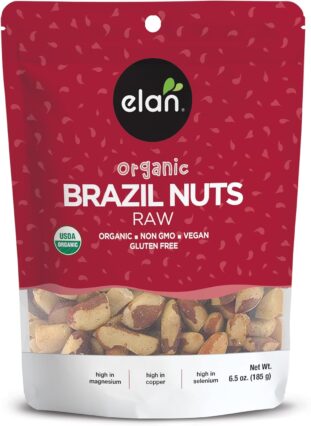
- Brazil Nuts – A great source of selenium, a mineral important for thyroid function, which regulates metabolism and energy levels.
- Macademia Nuts – High in monounsaturated fats, which are heart-healthy and provide sustained energy. They are also rich in fiber.
Incorporating a variety of these nuts into a senior’s diet can help maintain steady energy levels, support overall health, and reduce fatigue.
Sweet Potatoes
Sweet potatoes are loaded with complex carbohydrates, fiber, and beta-carotene, providing a steady source of energy. They also have potassium, which helps regulate fluid balance and muscle function.
Sweet potatoes are a superb energising food for seniors due to their rich content of complex carbohydrates and fiber.
These carbohydrates provide a steady and prolonged release of energy, helping to maintain stable blood sugar levels and prevent energy crashes, which is key for combating tiredness.
Sweet potatoes are also packed with beta-carotene, an antioxidant that the body converts into vitamin A, supporting immune function and overall health.
They are also a good source of potassium, which helps regulate fluid balance, nerve signals, and muscle contractions, further aiding in the prevention of fatigue.
Moreover, sweet potatoes contain vitamins C and B6, both of which are important for energy metabolism. Vitamin C aids in the absorption of iron, preventing anemia-related fatigue, while vitamin B6 helps convert food into usable energy.
Incorporating sweet potatoes into the diet can help seniors maintain steady energy levels, support muscle function, and enhance overall vitality.
Greek Yogurt
Greek yogurt is high in protein and contains probiotics that support gut health, which can influence energy levels. It’s a great option for a quick and sustaining snack that helps keep fatigue at bay.

Greek yogurt is an energising food for seniors due to its high protein content, which supports muscle health and provides sustained energy.
Protein helps in maintaining and repairing tissues, which is essential for staying active and combating fatigue.
Greek yogurt is also rich in probiotics, beneficial bacteria that support gut health. A healthy gut microbiome is linked to improved digestion and nutrient absorption, which can enhance overall energy levels and reduce tiredness.
Greek yogurt also contains calcium, which supports bone health and can prevent conditions like osteoporosis that may contribute to fatigue.
It also provides vitamin B12, important for energy production and red blood cell formation, helping to prevent anemia-related tiredness.
The combination of protein, probiotics, calcium, and B vitamins makes Greek yogurt a great option for maintaining steady energy levels and overall vitality in seniors.
Conclusion – Tiredness in Seniors
So there you have it—if you’re feeling like a nap is your new best friend, it might be time to give your diet a little upgrade!
With these energising foods, you can say goodbye to mid-day slumps, and don’t be surprised if your friends start asking for your secret to staying so lively. Here’s to eating your way to a more energetic and fabulous you!
Related Articles
FAQ
Which foods are best for combating tiredness in seniors?
Energising foods like oats, bananas, nuts, leafy greens, and lean proteins can help combat fatigue.
These foods provide steady energy, essential nutrients, and support overall vitality, helping seniors maintain consistent energy levels throughout the day.