
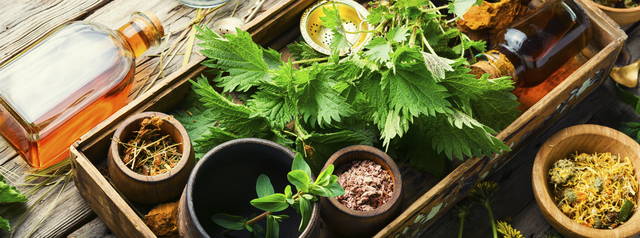
Explore fast-acting herbal remedies for hypertension, how they compare to medication, and safe home options seniors can use to support blood pressure naturally.
High blood pressure has a way of sneaking up on many of us as we age. One day, everything feels fine. The next, a routine appointment ends with a quiet warning and a prescription pad coming out. I remember a friend saying, “I didn’t feel sick — I just felt surprised.” That reaction is common.
Many seniors now search for fast acting herbal remedies for hypertension because they want options — not necessarily to replace medication, but to understand what else may help support their blood pressure naturally.
This guide is not about choosing sides. It’s about clarity. We’ll look at herbal options, how they compare to medication, and how seniors can safely use natural approaches as part of a bigger health picture.
What Is High Blood Pressure, Really?
Before diving into how to manage high blood pressure, let’s quickly cover what we’re dealing with.
High blood pressure, or hypertension, means your blood is pushing too hard against your artery walls. Over time, that pressure can damage your heart, kidneys, eyes—even your brain!
Normal readings usually hover around 120/80 mm Hg. Anything consistently higher? That’s where things start heading into dangerous territory. But the good news is that it’s totally manageable.
I still remember the day I sat in my doctor’s office, stunned. She looked up from the monitor and said, “Your blood pressure is way too high—we’ve got to take action.” My heart sank a little. I mean, I felt fine. A bit tired, sure, but not “high blood pressure” kind of tired. Sound familiar?
If you’re anything like I was, trying to manage high blood pressure can feel like a maze—one that’s full of confusing advice and one-size-fits-all tips.
But guess what? You’re not alone, and it’s not as overwhelming as it seems. With the right info, a few smart changes, and a sprinkle of determination, you can crush it.
Let’s walk through what worked for me, and what might work for you, too.
Signs You Might Be in the Red Zone
The truth is, high blood pressure is often called the “silent killer” because symptoms might not show up until it’s already doing damage. That said, some folks (like me) did feel a few things, including: frequent headaches, dizziness, fatigue, and nosebleed.

If any of those sound familiar get your home blood pressure monitor out—or grab a reliable one—and start tracking!
High Blood Pressure Medications vs Natural Remedies: What Seniors Should Know
When comparing high blood pressure medications vs natural remedies, the biggest difference is speed versus support.
Prescription medications work quickly and predictably. They are often essential, especially for dangerously high readings.
Herbal and natural remedies, on the other hand, tend to work by supporting the body’s stress response, circulation, and inflammation levels over time.
A retired neighbor once told me, “Medication lowered my numbers, but learning to manage stress helped me feel better overall.” That combination mindset matters.
How to Use Herbal Remedies for Hypertension Safely as a Senior
Before trying any herbal option, it’s important to understand how to use herbal remedies for hypertension safely.

- Always inform your healthcare provider
- Start with one remedy at a time
- Monitor blood pressure regularly
- Watch for interactions with medications
Herbs can be helpful, but they are still biologically active. Seniors benefit most when herbs are used as supportive tools, not quick fixes.
9 Fast Acting Herbal Remedies for Hypertension Seniors Often Explore
1. Hibiscus Tea for Blood Pressure Support
Hibiscus tea is one of the most frequently studied herbal teas for hypertension relief, and for good reason. It contains natural compounds (anthocyanins and polyphenols) that may help relax blood vessels and support smoother blood flow. For some seniors, this translates into modest reductions in systolic and diastolic blood pressure when used consistently.
What makes hibiscus especially appealing is its ritual value. Seniors who drink it daily often describe it as a calming pause in their routine—something they look forward to rather than “take” like medication.
That sense of intention can indirectly support blood pressure by lowering stress, which plays a major role in hypertension.
That said, hibiscus is not suitable for everyone. It may interact with certain blood pressure medications or diuretics, so seniors should start slowly and discuss regular use with a healthcare provider.
2. Garlic for Natural Blood Pressure Support
Garlic has a long history in traditional medicine and modern research for cardiovascular support. It may help by improving blood vessel flexibility and supporting nitric oxide production, which assists circulation.
Some seniors report small but noticeable improvements in blood pressure when garlic is used consistently over time, not sporadically.
Garlic is especially popular among seniors exploring high blood pressure home remedies because it can be added to meals or taken in standardized capsule form. Capsules are often preferred by those who want the benefit without digestive discomfort or lingering odor.
It’s important to note that garlic can have blood-thinning effects. Seniors taking anticoagulants or preparing for surgery should be cautious and seek medical advice before regular use.
3. Ashwagandha for Stress-Related Hypertension
For many seniors, blood pressure rises are closely tied to chronic stress, anxiety, or emotional tension. Ashwagandha is classified as an adaptogen—an herb that helps the body respond more calmly to stress.
Rather than directly lowering blood pressure numbers, ashwagandha works indirectly by reducing cortisol levels and calming the nervous system.
Seniors often describe feeling more emotionally balanced, less reactive, and better able to handle daily stressors. Over time, this calmer baseline may help reduce stress-related blood pressure spikes.
Ashwagandha is not a quick fix, and it may take several weeks to notice benefits. It’s also not recommended for seniors with certain thyroid conditions unless supervised by a healthcare professional.
4. Green Tea for Gentle Blood Pressure Support
Green tea is not dramatic, but it’s reliably supportive. Rich in antioxidants such as catechins, green tea may help reduce inflammation and support blood vessel health over time. These effects can contribute to gradual improvements in cardiovascular function.
Many seniors appreciate green tea because it offers a gentler caffeine profile than coffee, reducing jitteriness or heart palpitations that can elevate blood pressure. Some even switch to decaffeinated green tea to enjoy the antioxidants without stimulation.
While green tea alone is unlikely to significantly lower high blood pressure, it fits well into a broader lifestyle approach that includes hydration, movement, and stress management.
5. Lavender as an Essential Oil for Lowering Blood Pressure
Lavender is widely recognized for its calming effects on the nervous system, which is why it’s often mentioned among essential oils for lowering blood pressure. When inhaled, lavender may help activate the parasympathetic (“rest and relax”) response, lowering heart rate and stress levels.
For seniors, lavender is often used before bedtime, during meditation, or in moments of anxiety. Some notice that it functions as one of the good herbal remedies for stress management because it helps prevent stress-related blood pressure spikes rather than lowering baseline readings.
Lavender is typically used through aromatherapy (diffusers, inhalation, or diluted topical application). It should not be ingested unless under professional guidance, and seniors with respiratory sensitivities should use it cautiously.

6. Omega-Rich Herbal Oils (Supportive Role)
Omega-rich plant oils—such as flaxseed oil or algae-based oils—play a supportive rather than fast-acting role in blood pressure management.
They help maintain blood vessel elasticity and reduce inflammation, which supports overall vascular health.
For seniors, these oils work best as part of a long-term routine alongside other high blood pressure home remedies, including balanced nutrition and regular movement. Benefits are subtle but cumulative, often noticed over months rather than days.
Because oils are calorie-dense, seniors should use them mindfully and choose high-quality sources to avoid unnecessary additives or oxidation.
7. Cinnamon for Circulatory Support
Cinnamon may help support circulation and blood sugar balance—two factors closely linked to blood pressure, especially in seniors with metabolic concerns. Improved blood sugar regulation can reduce vascular stress and inflammation.
Many seniors enjoy cinnamon because it’s easy to incorporate into daily life: sprinkled on oatmeal, added to tea, or mixed into warm milk. This ease of use increases consistency, which is key for any natural approach.
Ceylon cinnamon is generally preferred over cassia cinnamon for regular use, as it contains lower levels of coumarin, which can affect the liver when consumed in large amounts.
8. Valerian Root for Night-Time Blood Pressure Spikes
Blood pressure doesn’t stop being influenced by lifestyle at night. Poor sleep, restlessness, or nighttime anxiety can contribute to overnight blood pressure elevations and higher morning readings.
Valerian root is commonly used to support relaxation and sleep quality. Seniors who experience stress-related insomnia may find that better sleep leads to more stable blood pressure patterns over time.
Valerian can cause drowsiness or grogginess in some individuals, so it’s best used in the evening and started at low doses. It should not be combined with sedative medications unless approved by a healthcare provider.
9. Magnesium-Supporting Herbal Blends
Magnesium plays a critical role in muscle relaxation, nerve function, and vascular tone. Low magnesium levels are associated with increased blood vessel constriction, which can raise blood pressure.
Some herbal blends are designed to support magnesium absorption or pair magnesium-rich herbs with calming botanicals. Seniors often notice improvements in muscle tension, nighttime cramps, or restlessness—indirect signs that vascular relaxation may be improving as well.
Because magnesium can interact with certain medications and affect digestion, seniors should choose gentle formulations and avoid excessive dosing without medical guidance.
When Medication Is Still Necessary (And That’s Okay)
It’s important to say this clearly: herbal remedies are not a substitute for prescribed treatment when blood pressure is dangerously high.
Medication saves lives. Herbal support can complement, not compete with, medical care. The smartest approach is often integration, not replacement.
Helpful Products for Seniors
(Highly rated, commonly used by seniors — not medical claims)
- Organic Hibiscus Tea Bags – easy daily use
- Garlic Extract Capsules (odor-controlled)
- Lavender Essential Oil (therapeutic grade)
- Blood Pressure Monitors for Home Use
Call to Action
If you’re exploring fast acting herbal remedies for hypertension, start with education — not pressure. Track your numbers, ask questions, and work with your healthcare provider to find what supports your body best.
Small, informed steps can make a meaningful difference.
Conclusion
Managing high blood pressure isn’t just about numbers—it’s about feeling better, living longer, and staying in charge of your health. I didn’t do everything right the first time. Frankly, I didn’t even know where to start. But once I did, everything shifted.
So take that first step. Read a label. Take a walk. Skip the salt. Whatever it is—just start. Because yes, you can manage high blood pressure, and you can do it on your terms.
FAQs: Fast-Acting Herbal Remedies for Hypertension
Are herbal remedies safe for seniors with high blood pressure?
They can be, but seniors should always consult a healthcare provider to avoid interactions with medication.
What is the fastest way to manage high blood pressure?
Start by reducing sodium, staying active, and managing stress. These quick wins can bring results within days or weeks.
Do herbal remedies work as fast as medication?
No. Medication works faster and more predictably. Herbal remedies support blood pressure gradually.
Is it okay to take natural supplements for blood pressure?
Yes, but always consult your doctor first. Some supplements can interact with medications or conditions.
What foods should I avoid with high blood pressure?
Limit salty, processed foods, sugary drinks, and red meats. Focus instead on fruits, vegetables, and whole grains.
Can herbal teas help lower blood pressure?
Some herbal teas for hypertension relief, like hibiscus, may support circulation when used consistently.
Should seniors stop medication if using natural remedies?
Never stop medication without medical advice. Herbal options should be supportive, not replacements.
References
- Public Health Agency of Canada: Heart Health – Medical conditions involving the heart and circulation, including heart attack, stroke, angina and high blood pressure. https://www.canada.ca/en/public-health/services/diseases/heart-health.html
- Heart & Stroke Foundation of Canada: High Blood Pressure. https://www.heartandstroke.ca/heart-disease/risk-and-prevention/condition-risk-factors/high-blood-pressure