

Learn how to manage high blood pressure and cholesterol effectively by avoiding 9 dangerous mistakes that quietly increase heart risks in seniors.
If you’re like most seniors, you’ve probably heard this advice more than once: watch your blood pressure… keep an eye on your cholesterol. Sounds simple enough, right? Yet somehow, even with doctor visits, lab tests, and good intentions, the numbers don’t always cooperate.
And here’s what I’ve noticed: most seniors already have some idea of what to do. Doctor says, “Watch salt.” Someone else says, “Cut fat.”
The internet screams, “Take this supplement!” I’ve seen this play out repeatedly — people doing some things right, but unknowingly making small choices that quietly work against them.
And that’s the frustrating part. You can eat “pretty well,” stay “somewhat active,” and still struggle if a few key details are off.
The truth is, learning how to manage high blood pressure and cholesterol effectively isn’t just about adding healthy habits. It’s also about avoiding the subtle missteps that can undermine everything else you’re doing.
Let’s walk through 9 dangerous mistakes — the kind many of us don’t even realize we’re making — and what actually works instead.
Here’s the plan:
- We’ll cover the mistakes that impact both blood pressure and cholesterol.
- We’ll keep it practical (no guilt, no weird extreme diets).
- We’ll add simple tools and habits that help you stay consistent.
Mistake 1: Not Treating Cholesterol Levels and Heart Health as a “Package Deal”
This is one of the biggest oversights I see. Blood pressure and cholesterol don’t live in isolation. They are not separate problems but are tightly connected through your whole cardiovascular health, inflammation, and artery function.
- LDL cholesterol is often called the “bad” cholesterol because higher levels can contribute to plaque buildup.
- HDL cholesterol is often called “good” cholesterol because it helps carry cholesterol away from arteries.
- Triglycerides add another layer (especially tied to sugar and refined carbs).
When these are out of balance, your blood vessel health and arterial health can take a hit. When cholesterol builds up in the arteries, blood vessels stiffen.
That stiffness forces your heart to work harder, driving pressure up. That’s the connection many people miss. Ignoring one while focusing on the other is like fixing a leaky roof but ignoring the cracked foundation.
Lesson learned:
Think in terms of heart health for seniors, not individual numbers. track trends, not panic over one test. A single lab result is a snapshot. Patterns reveal the story. If your goal is learning how to manage high blood pressure and cholesterol effectively, think about the “system” and not about your “score.” What helps one often helps the other.
Mistake 2: Not Learning How to Recognize High Cholesterol Symptoms (because they’re often quiet)
High cholesterol often doesn’t announce itself with fanfare!. That’s why cholesterol testing matters even when you “feel fine.” But some folks do notice certain hints that should spark a check-in:
- getting winded faster than usual
- more frequent headaches
- leg discomfort when walking (circulation-related)
- unusual fatigue
None of these automatically mean cholesterol problems… but they’re worth taking seriously because they can be linked to circulation support and overall cardiac risk factors.
Quick reality check: if you’re waiting for obvious symptoms, you’re waiting too long. Prevention is quieter than a crisis (thank goodness).
Mistake 3: Not Taking High Blood Pressure Lifestyle Changes Because “I’m Already on Meds”
Meds can be essential. But medication plus lifestyle is usually where the best wins happen. Without lifestyle changes, you may be fighting uphill against salt, stress, inactivity, and poor sleep.
Here are lifestyle shifts that actually move the needle:
- a consistent walking routine (even 10–15 minutes after meals helps)
- improving sleep quality (blood pressure is sensitive to poor sleep)
- reducing stress spikes (more on that later)
- gradual changes in sodium intake (not overnight misery)
This is hypertension management in real life: steady, and not dramatic.
And yes, doing this supports heart disease prevention too.
Mistake 4: Believing The Best Ways to Lower Cholesterol Are With “No-Fat”
Old-school advice told people to cut fat completely. That can backfire, because not all fats behave the same way. The best ways to lower cholesterol are actually with “smart-fat + fiber.”
A heart-supportive approach usually includes:
- more healthy fats (olive oil, nuts, seeds, fatty fish)
- fewer trans fats and heavily processed foods
- more fiber (beans, oats, veggies)
A heart-friendly diet isn’t about being perfect. It’s about being consistent enough that your body can calm down and stop living in inflammation mode.
Speaking of which… inflammation and heart health are strongly connected. When inflammation stays high, arteries don’t stay happy.
Mistake 5: Learning how to reduce cholesterol naturally while still eating “healthy-looking” processed foods
This one is tricky. A food can look healthy and still be loaded with:
- sodium
- added sugars
- refined carbs
- “hidden fats” (especially in packaged snacks)
If you’re trying to reduce cholesterol naturally, it helps to keep a simple rule:
If it needs a marketing slogan, I double-check the label.
Aim for more whole foods, more home-prepped basics, and fewer “heart-healthy” products that quietly push your numbers the wrong way.
This is one of those lifestyle medicine moments: small food swaps repeated daily beat big dramatic diets you quit in two weeks.
Mistake 6: Not Using a Cholesterol Diet Guide For Beginners and Going Too Extreme, Too Fast
A lot of seniors do the “big purge”:
- toss everything in the pantry
- go bland overnight
- get frustrated
- rebound with comfort foods
Instead, use a beginner-style approach:
- Replace one salty item per week (soups, deli meats, salty snacks)
- Add one fiber habit per day (oats, beans, berries)
- Keep one “safe” easy meal you actually enjoy
This supports cholesterol management and helps with blood pressure control without making life miserable.
How to Reduce Cholesterol Naturally
Lowering your cholesterol naturally involves a holistic approach, focusing on diet, exercise, and stress management. By incorporating more fiber-rich foods, choosing healthy fats, engaging in regular physical activity, and finding healthy ways to cope with stress, you can significantly unclog your arteries – and improve your heart health.
Foods to Embrace
- Oatmeal
- Beans
- Wholegrains
- Avocados
- Nuts and Seeds
- Fatty Fish (Salmon)
- Fruits and Vegetables
Lifestyle Boosters
- 30 minutes of exercise most days
- Maintain a healthy weight
- Stress-reducing activities (yoga, meditation)
- Adequate sleep
- Avoid smoking
- Regular check-ups with your doctor
These tips are meant to complement, not replace, medical advice. Always consult with your healthcare provider for personalized recommendations.
Mistake 7: Not Having a Plan to Manage High Blood Pressure at Home
Guessing is NOT a plan! You may feel good and STILL could have high blood pressure. If you only check your blood pressure at the doctor, you’re missing patterns:

- stress days
- poor sleep
- dehydration
- salty meals
- medication timing
Home tracking helps you connect cause and effect.
A reliable monitor makes a difference. If you don’t have one, you should do so right away. Two that are consistently well-reviewed on Amazon.ca include:
- Omron Silver Upper Arm Blood Pressure Monitor
- Omron Bronze Upper Arm Blood Pressure Monitor
This is not about obsessing. It’s about blood pressure monitoring like a calm adult: collect data, gently adjust, move on.
Mistake 8: Underestimating Movement (because you think it has to be intense)
Here’s the truth: your heart and arteries love regular movement. It improves metabolic health, supports circulation, and can help with weight and stress—without requiring gym life.
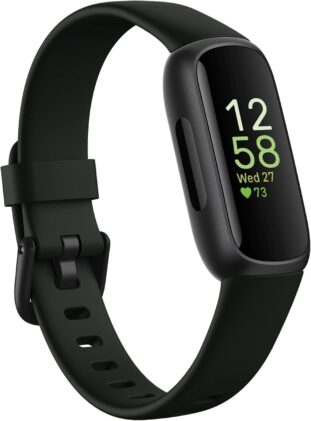
If you like structure, a simple tracker can help consistency:
- Fitbit Inspire 3 Fitness Tracker
Even if you’re not “techy,” a tracker can be a quiet nudge: “Hey… let’s take a lap around the house.”
This supports an aging heart far more than you’d expect.
Mistake 9: Taking Supplements Randomly Without Understanding “Why”
Supplements can help—but random supplement stacking is a common mistake. Some people take three things and still don’t address the basics (sleep, sodium, movement).
One supplement many seniors use for overall heart support is omega-3:
- Webber Naturals Omega-3 Fish Oils 1000 mg Softgels
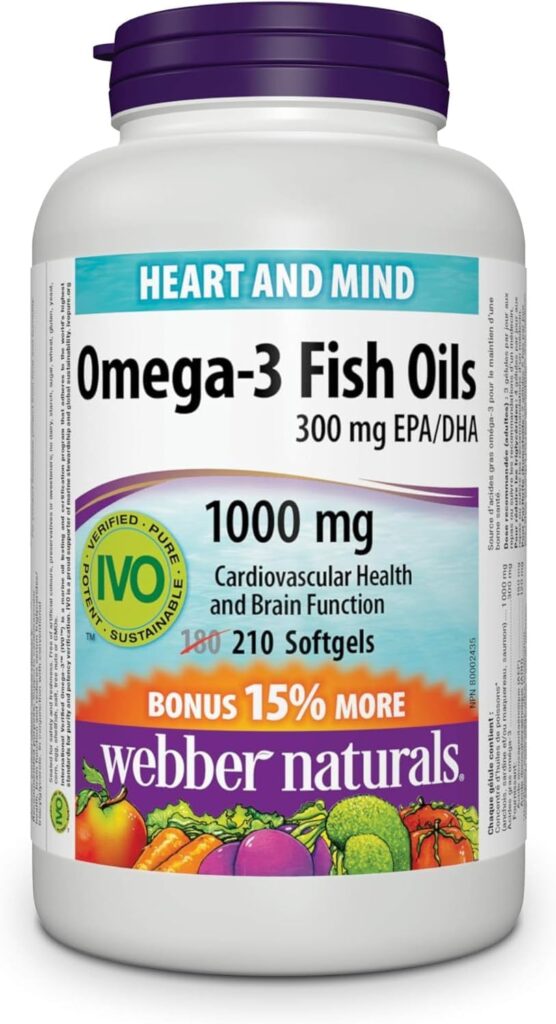
Important: talk to your healthcare provider if you’re on blood thinners or have medical conditions. Supplements can interact with medications.
Used wisely, supplements can support preventive cardiology habits. Used blindly, they become expensive hope.
The Simple “Do This Instead” Plan
How to manage high blood pressure and cholesterol effectively without feeling overwhelmed? Start here:
- Get clear on your numbers (BP + labwork): supports cholesterol testing
- Pick 2 lifestyle moves for 30 days:
- reduce sodium intake gradually
- add fiber daily
- walk after meals
- Track at home weekly: supports blood pressure monitoring
- Use tools that make consistency easier (monitor + tracker)
- Recheck labs with your doctor and look at trends
That’s not flashy, but it’s how real progress happens for senior wellness.
Helpful Tools That Support Heart Health
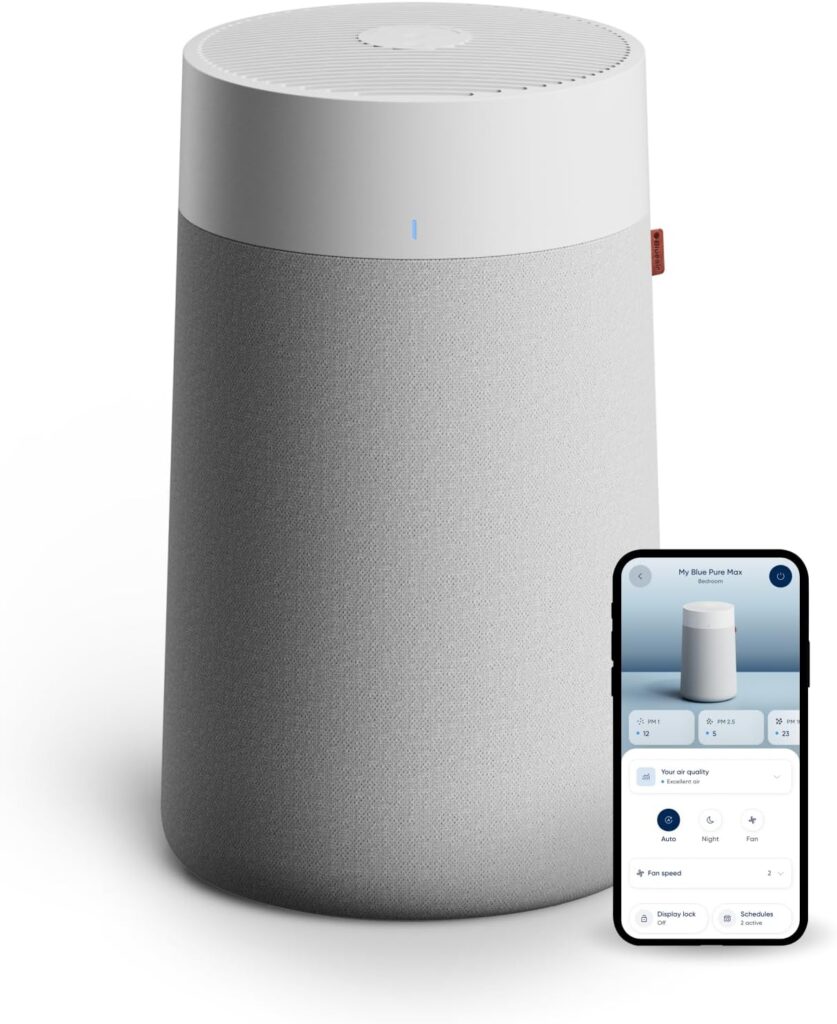
If you’re building better habits, the right tools make consistency easier. A few top-rated options on Amazon.ca that many seniors find helpful are listed here:
- Omron Silver Upper Arm Blood Pressure Monitor – Reliable, easy-to-read, and ideal for home tracking
- Fitbit Inspire 3 Health & Fitness Tracker – Encourages daily movement and heart awareness
- NOW Omega-3 Fish Oil 1000 mg – Supports heart and circulation health
- Blueair Blue Pure 411 Air Purifier – Helps improve indoor air quality, supporting overall wellness
(Always review product details and consult your healthcare provider before starting supplements.)
Conclusion: Small Fixes, Big Payoff
Managing heart health isn’t about perfection — it’s about awareness. Once you stop making these common mistakes, everything else starts working better.
If you’ve been wondering how to manage high blood pressure and cholesterol effectively, the real answer often lies in what you stop doing, not just what you add.
Take it one step at a time. Your heart will thank you for it.
Frequently Asked Questions
How can seniors lower blood pressure and cholesterol together?
By combining heart-healthy eating, daily movement, stress management, and regular monitoring.
Can lifestyle changes really replace medication?
Sometimes they reduce reliance, but medication decisions should always be guided by a doctor.
What foods help manage cholesterol naturally?
Foods rich in fiber, omega-3s, and antioxidants support healthier cholesterol levels.
Is walking enough exercise for heart health?
Yes. Consistent walking improves circulation and supports blood pressure control.
References
American Heart Association (2025) Prevention and Treatment of High Cholesterol (Hyperlipidemia) https://www.heart.org/en/health-topics/cholesterol/prevention-and-treatment-of-high-cholesterol-hyperlipidemia