
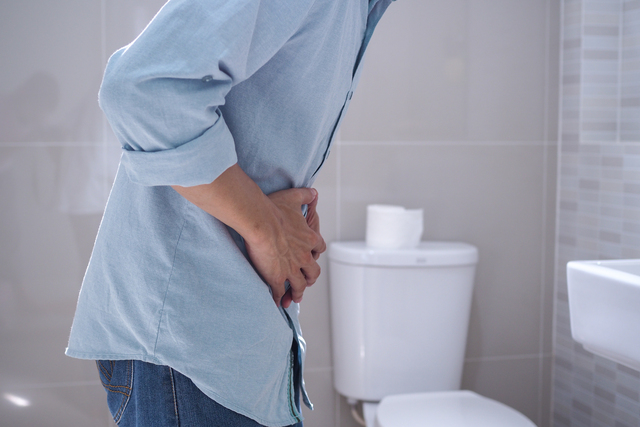
Discover the avoidable causes for overactive bladder in seniors, with practical tips and solutions to improve bladder health and quality of life.
If you are navigating the golden years, you may have noticed your bladder seems to have a mind of its own. Overactive bladder (OAB) can feel like an unwelcome houseguest—always interrupting and hard to ignore.
But did you know many causes of OAB in seniors are avoidable? Let’s dive into what might be triggering those frequent bathroom trips and how to tackle them head-on.
How Do You Know If You Have An Overactive Bladder?
Overactive bladder is a condition marked by frequent urination, urgency incontinence, and, for many, a disrupted night’s sleep due to nocturia. While it’s common among older adults, it’s not just “a normal part of aging.”
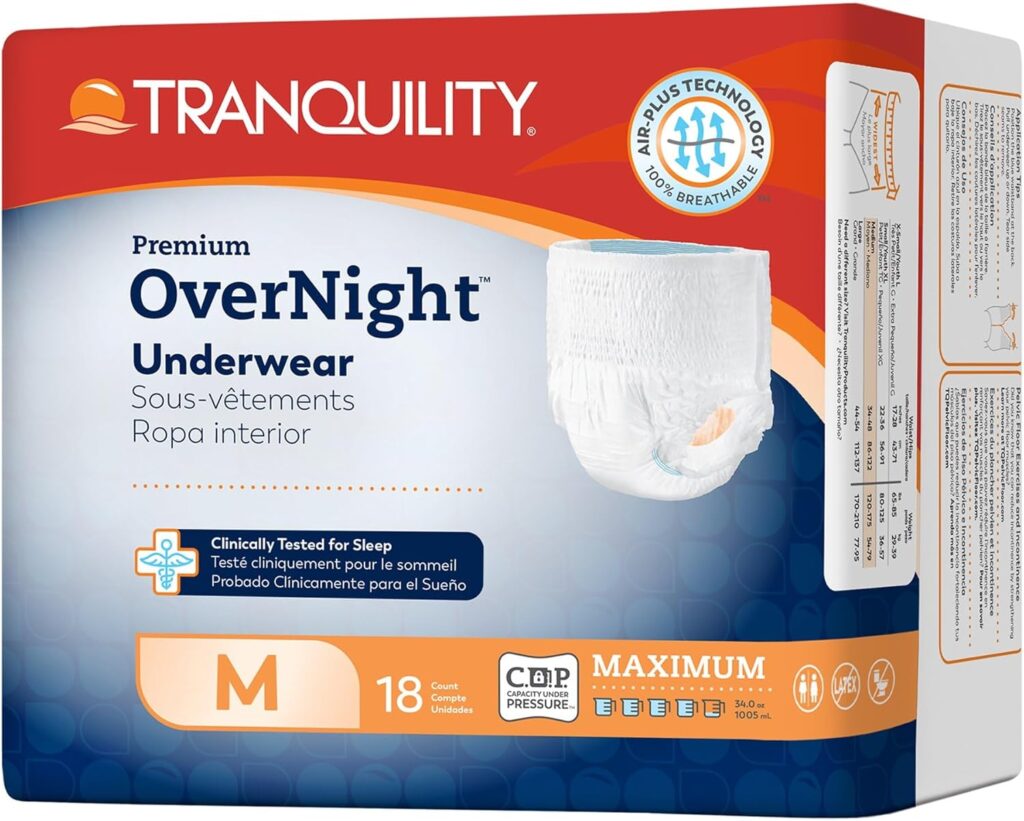
While aging brings changes in bladder function it is often compounded by external factors.
This article explores the main causes for overactive bladder in seniors as this is key to managing the symptoms effectively. and what you can do about them.
Medications Causing Overactive Bladder in Seniors
Some medications, especially diuretics, are known troublemakers for bladder control. While these “water pills” help with conditions like high blood pressure, they can lead to excessive urination. Certain anticholinergic drugs can also mess with your bladder’s signaling system.
What Can You Do?
- Talk to your doctor: Ask if there are alternative medications that don’t aggravate OAB symptoms.
- Time your doses: If you take diuretics, try doing so earlier in the day to avoid late-night bathroom trips.
Lifestyle Factors Contributing to Overactive Bladder in Seniors
Sometimes, our habits are the biggest culprits! Caffeine intake and alcohol consumption can irritate the bladder and ramp up urgency. And let’s not forget about smoking, which can exacerbate bladder problems over time.
These lifestyle choices are significant causes for overactive bladder in seniors. In addition to these, inadequate physical activity and excess weight can increase pressure on the bladder, worsening OAB symptoms.
Poor hydration habits—either drinking too little or too much water—can also disrupt bladder function. Stress is another overlooked factor; chronic stress can lead to muscle tension and exacerbate bladder overactivity.
Quick Fixes
- Cut back on coffee and swap it with herbal teas.
- Limit alcohol, especially in the evenings.
- Quit smoking to improve not just bladder health but overall well-being.
- Maintain a healthy weight to reduce pressure on your bladder.
- Incorporate light exercises like walking or yoga into your daily routine.
- Manage stress with techniques such as meditation or deep-breathing exercises.
- Monitor your hydration levels and aim for a steady intake of water throughout the day.
Causes For Overactive Bladder – Chronic Urinary Tract Infections in Older Adults
How do you know if you have an overactive bladder? Recurring urinary tract infections (UTIs) can mimic OAB symptoms. In seniors, UTIs are sometimes “silent,” presenting only as increased urgency or confusion.
These infections often occur due to weakened immune responses, incomplete bladder emptying, or changes in the urinary tract with age.

For individuals with catheters or other medical devices, the risk of UTIs increases significantly. These infections are often overlooked causes.
How to Prevent UTIs
- Stay hydrated to flush out bacteria and promote regular urination.
- Incorporate cranberry supplements or juice into your diet (but skip the sugary stuff) to help prevent bacteria from adhering to the bladder wall. SOLUTION SPECIFIC SUPPLEMENTS – Pure D-Mannose helps support urinary tract health
- Practice good bathroom hygiene, including wiping from front to back and ensuring proper cleansing.
- Avoid holding your urine for extended periods; empty your bladder regularly.
- Wear breathable, cotton underwear to reduce moisture and discourage bacterial growth.
- Consult with a healthcare provider if you experience recurring UTIs, as they might recommend a prophylactic antibiotic or specialized treatment.
Constipation and Urinary Urgency in Elderly
Surprisingly, a backed-up digestive system can press on the bladder, triggering frequent urination. This is another of the overlooked causes of overactive bladder.
Pro Tips on How to Control an Overactive Bladder
- Add fiber-rich foods like oats and leafy greens to your meals.
- Drink plenty of water.
- Stay active to keep things moving.
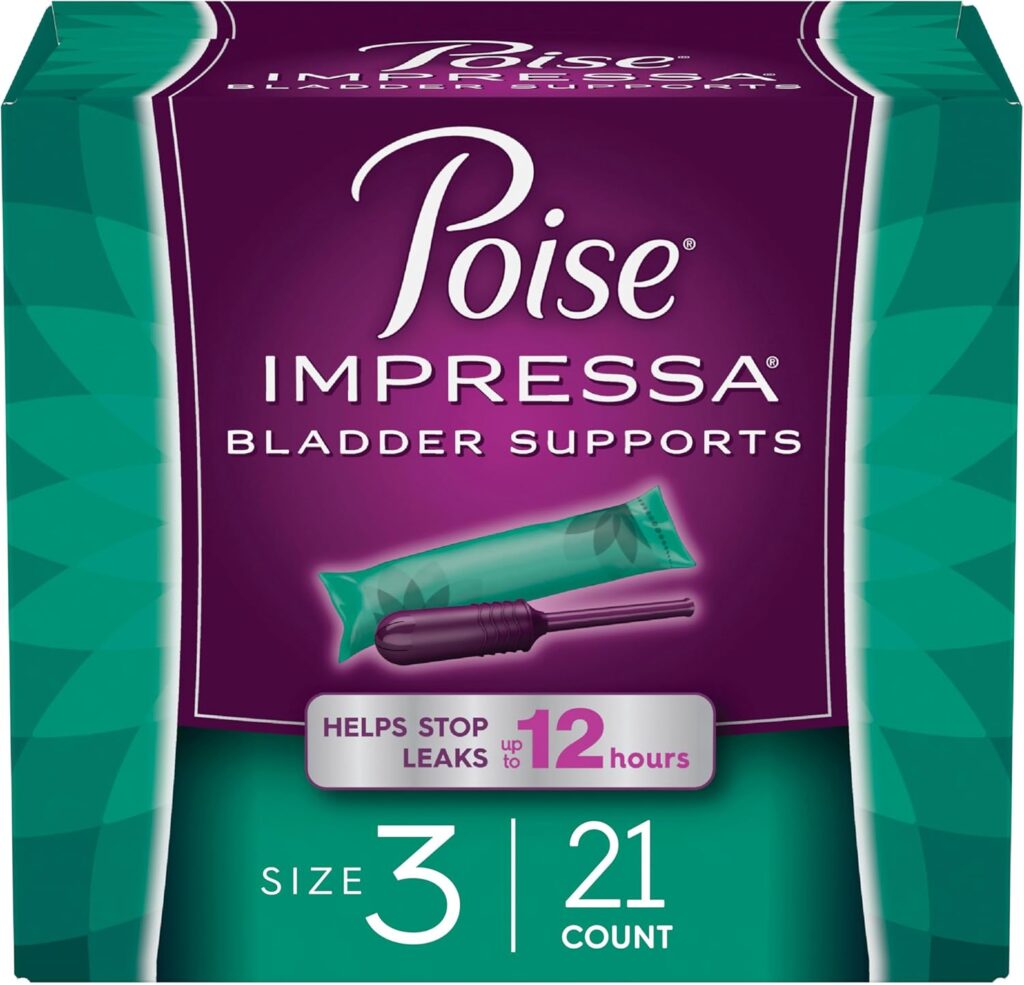
- Use bladder support products – many can be discreetly ordered online and there is a wide selection. Consider POISE Impressa Bladder Supports for Women or TENA Men Bladder Control Pads.
Neurological Disorders Affecting Bladder Control in Seniors
Conditions like Parkinson’s or stroke can disrupt the communication between your brain and bladder, leading to detrusor overactivity. These neurological challenges are significant causes for overactive bladder in seniors.
What Can You Do?
- Work closely with a neurologist.
- Consider neuromodulation therapy, a treatment option for managing nerve signals.
- Do not underestimate the value of pelvic floor therapy—even for neurologically induced OAB.
How to Control an Overactive Bladder Due to Mobility Limitations
Reduced mobility can lead to functional incontinence, where you simply cannot make it to the bathroom in time.
What to Do?
- Keep a clear path to the restroom.
- Use assistive devices like grab bars or commode chairs.
- Consider timed voiding to preempt accidents.
Diet and Fluid Intake Patterns
What and when you eat or drink plays a huge role. Bladder stones or irritation can stem from certain foods or dehydration.
Poor diet and hydration habits are frequent causes for overactive bladder in seniors.
Make Smart Choices
- Avoid spicy and acidic foods if they trigger symptoms.
- Spread out your fluid intake during the day rather than chugging water all at once.
- Opt for bladder-friendly snacks like bananas and cucumbers.
How to Control an Overactive Bladder
Managing OAB starts with a multi-faceted approach. Understanding the causes for overactive bladder in seniors is essential, but proactive steps can make all the difference.
Bladder Training
Bladder training helps strengthen your bladder and reduce frequent trips. Begin by keeping a journal of your bathroom habits.
Gradually increase the time between trips, starting with small intervals. Patience is key—over time, your bladder will adapt.
Pelvic Floor Exercises
Strong pelvic floor muscles provide better control. For seniors, doing Kegel exercises regularly can significantly improve symptoms.

Find a comfortable spot, tighten your pelvic muscles (like you’re stopping urine flow), hold for a few seconds, and release. Repeat 10–15 times daily.
Monitor Fluid Intake
Spread out hydration throughout the day to avoid overwhelming your bladder. Cut back on fluids before bedtime to reduce nighttime urgency.
Behavioral Adjustments
- Use timed voiding to establish regular bathroom breaks.
- Avoid bladder irritants like caffeine, alcohol, and acidic foods.
- Wear easy-to-remove clothing for convenience.
Seek Medical Advice
If lifestyle changes don’t bring relief, consult a healthcare provider. Treatments like medications, botulinum toxin injections, or minimally invasive surgeries can help manage severe symptoms.
Neuromodulation therapy, for instance, has proven effective for some seniors.
Practical Tips for Managing Overactive Bladder
- Bladder Training: Gradually increase the time between bathroom trips to strengthen your bladder.
- Pelvic Floor Exercises: Yes, Kegels aren’t just for women! Men can benefit, too.
- Behavioral Interventions: Set reminders to use the restroom before urgency strikes.
- Comfortable Clothing: Choose pants with elastic waistbands for easy bathroom access.
Conclusion – Causes for Overactive Bladder in Seniors
Overactive bladder in seniors doesn’t have to rule your life. By understanding and tackling the avoidable causes, you can reclaim your freedom and peace of mind.
From tweaking your habits to seeking professional guidance, every step you take brings relief within reach. So why not start today?
After all, the bathroom should not be the most visited room in your house! Enhance your convenience and privacy by exploring the products in this post!
Related Articles
- Aging and Bladder Problems: 4 Hidden Dangers
- Bladder Problems in Older Men – How To Decrease Risks
- Bladder Problems in Older Women. A Handy Guide
- How to Calm an Overactive Bladder – Best Foods
FAQs for Causes for Overactive Bladder in Seniors
What causes overactive bladder in seniors?
The main causes for overactive bladder in seniors include age-related bladder changes, certain medications, lifestyle factors, and underlying health conditions like diabetes-related bladder issues or neurological disorders.
How can seniors prevent overactive bladder?
By addressing avoidable triggers like caffeine intake, smoking, and constipation, seniors can often reduce OAB symptoms. Regular pelvic floor exercises and proper hydration also help.
Is overactive bladder treatable in seniors?
Absolutely! Options range from lifestyle changes and bladder training to medications and advanced treatments like botulinum toxin injections or surgery.
Does diet affect overactive bladder?
Yes, spicy, acidic, and caffeinated foods can irritate the bladder. Opt for a balanced diet with fiber-rich foods to avoid constipation, a common contributor to OAB.