

Restless leg syndrome can turn what should be a peaceful bedtime into a frustrating nightly struggle. That irresistible urge to move your legs, along with tingling, crawling, or uncomfortable sensations, can make it hard to relax and get the sleep you need.
For many seniors, the challenge is not only understanding why restless legs happen, but figuring out what actually helps day to day. This guide focuses on five practical ways to manage restless leg syndrome, reduce common triggers, build a calmer nighttime routine, and cope more comfortably when symptoms flare up.
If you’re nodding along, maybe you’re like my Aunt Doreen. She’s in her late 60s, and for the longest time, she thought her leg twitching at night was just “nerves” or too much caffeine. Turns out, it was restless leg syndrome, and once we figured that out, life got a whole lot better for her—and her sleep-deprived husband!
So, if you’re tired of the tossing, turning, and kicking your way through the night, this post’s for you. I’ll walk you through 5 powerful fixes that actually helped—ones that feel doable, not just another list of things to Google at 2 a.m. Plus, I’ll sprinkle in some tried-and-true wisdom and a few “wish I’d known this sooner” tips.
What Is Restless Leg Syndrome?
Restless leg syndrome (RLS) is more than simply feeling fidgety at bedtime. It can create an uncomfortable urge to move your legs, often along with sensations people describe as tingling, crawling, pulling, or an inability to keep the legs still.
For many people, the symptoms become more noticeable in the evening or when they are trying to relax. That is one reason RLS can interfere so much with sleep.
The frustrating part is that symptoms do not always feel exactly the same from one person to another. One senior may describe restless, twitchy legs, while another notices uncomfortable sensations that make sitting or lying still difficult.
If you are unsure whether your symptoms sound like RLS—or you want to understand what may be contributing to them—see our companion guide, Causes of Restless Leg Syndrome: 9 Factors Seniors Should Know.
Once you recognize the pattern, the next question is usually much more practical: What can you do to make restless legs easier to manage?
How to Manage Restless Leg Syndrome Day to Day
There is no single routine that works the same way for everyone with RLS. For many seniors, management is about identifying personal triggers, making a few practical changes, and finding a nighttime routine that makes symptoms easier to cope with.
What Lifestyle Changes Help With Restless Leg Syndrome?
The five strategies below build on the habits already covered in this guide and are intended to be practical rather than complicated.
1. Check for Contributing Health Factors
One of the most useful first steps is making sure there is not an underlying factor contributing to your symptoms.
Iron is especially worth discussing with your healthcare professional because low iron levels can be associated with restless leg symptoms. Your doctor may decide that blood testing is appropriate rather than relying on symptoms alone.
This does not mean every person with RLS needs an iron supplement. The more important point is to check before guessing.
It is also helpful to think about whether your symptoms changed after a new medication, illness, or other change in your health. Keeping track of these details gives your healthcare professional a clearer picture of what may be happening.
For a deeper look at iron and other nutrients, see Nutrition Deficiencies and Restless Leg Syndrome.
2. Reduce Lifestyle Triggers That May Worsen RLS
Sometimes the things we enjoy most in the evening are also the things worth experimenting with.
The original article highlights three common habits to watch:
- caffeine;
- alcohol; and
- nicotine.
These may affect sleep or make nighttime restlessness more noticeable for some people.
You do not necessarily have to change everything at once. Try adjusting one habit at a time and watch what happens.
For example, you might switch an evening coffee to a caffeine-free drink, move your last caffeinated beverage earlier in the day, or pay attention to whether alcohol seems to coincide with worse nights.
The goal is not perfection. It is learning which triggers matter for you.
3. Use Warmth, Cooling, and Gentle Comfort Measures
When your legs feel restless or uncomfortable, simple physical comfort measures may be worth trying.
A warm bath or leg soak before bed can be relaxing, while some people prefer a cool compress. Gentle calf or hamstring stretching may also feel soothing when the legs are tense or difficult to settle.
Other simple options include:
- a warm towel or heat pack;
- gentle leg massage;
- slow stretching; or
- changing position and moving around briefly.
There is no need to turn this into a complicated routine. Try one or two approaches and notice which ones make your legs feel more comfortable.
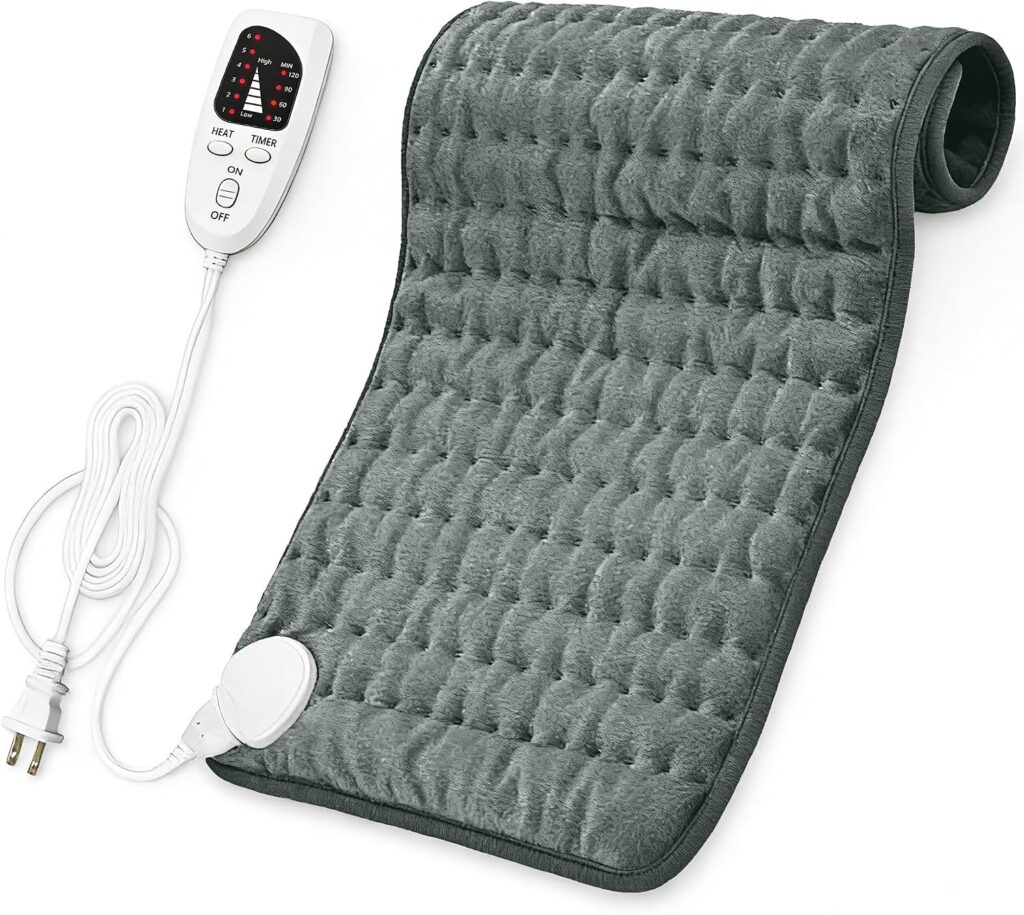
If you prefer controlled warmth rather than preparing a warm towel, a large heating pad can be a convenient option for relaxing comfortably before bed.
If you are interested in complementary approaches beyond these basic comfort measures, see Alternative Therapies for Restless Leg Syndrome.
4. Stay Active Without Overdoing It
Too much sitting can make restless legs especially frustrating for some people, which is why regular daytime movement can be a useful part of an RLS routine.
The existing article suggests gentle activities such as:
- walking;
- swimming;
- yoga; and
- tai chi.
The key is consistent, comfortable movement rather than exhausting yourself.
Aunt Doreen found that even a few laps around her building helped break up long periods of sitting. That is the kind of practical approach that makes sense for many seniors—nothing complicated, just enough movement to keep the body active.
If very vigorous exercise late in the evening seems to leave you more alert or uncomfortable, try moving that activity earlier in the day and compare how you feel at bedtime.
5. Bedtime Routine for Restless Leg Syndrome: Simple Steps for Better Nights
A predictable wind-down routine can make bedtime feel less like a battle.
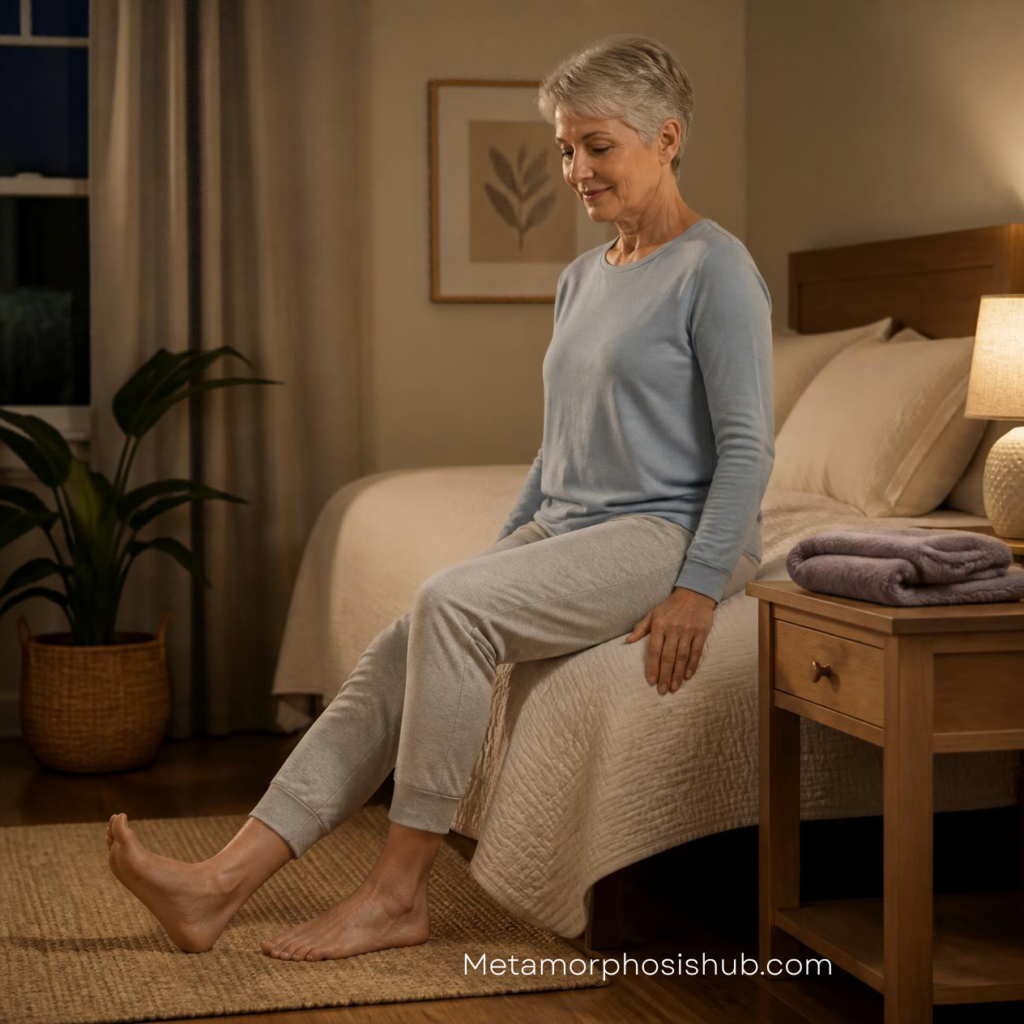
The right ingredients: dimming the lights, reducing screen time, gentle stretching, taking a warm bath or leg soak, and keeping a more consistent sleep schedule.
You might create a simple routine such as:
- lower the lights;
- put away phones or tablets;
- stretch gently for a few minutes;
- use warmth or massage if your legs feel uncomfortable; and
- go to bed at roughly the same time each night.
Aunt Doreen called hers a “wind-down window.” The routine itself does not have to be fancy. What matters is creating a repeatable pattern that helps your body and mind shift from daytime activity toward rest.
And if restless legs still show up despite your routine, that does not mean you have failed. RLS can vary from night to night. The goal is to build a set of strategies you can return to when symptoms are bothersome.
How to Alleviate Restless Legs When Symptoms Flare Up?
Even with a good daytime routine, restless leg symptoms can still appear unexpectedly. When that happens, the goal is usually not to “fight” the sensation, but to give your legs a chance to settle.
A few simple strategies from your current article may help:
- get up and walk around briefly;
- gently stretch the calves and legs;
- massage the uncomfortable area;
- apply a warm towel or heat pack; and
- slow your breathing and give your body a few minutes to relax.
These small changes can be easier to use in the middle of the night than a complicated routine. If one approach does not help, try another and pay attention to what your legs respond to best.
Some seniors find that moving for a few minutes is more comfortable than trying to stay perfectly still. Others prefer warmth, massage, or gentle stretching before returning to bed.
The important thing is to avoid assuming that one method should work every time. RLS symptoms can vary from night to night, so having a few simple options gives you more flexibility when a flare-up happens.
How to Cope With Restless Leg Syndrome: Track Your Triggers and Patterns
One of the most practical things you can do is keep a simple record of what happens before your restless leg symptoms appear.
Track:
- what you ate;
- what medications or supplements you took;
- how active you were; and
- how your legs behaved that night.

You can make this even more useful by also noting things such as caffeine or alcohol intake, bedtime, sleep quality, and anything that seemed to make the symptoms better or worse.
You do not need an elaborate journal. A few notes each day may be enough to reveal patterns over time.
If you prefer an organizational tool for recording sleep, symptoms, activities, medications, and questions for appointments, select a large senior-friendly option like the bloom daily planners Undated Chronic Illness Planner & Medical Journal.
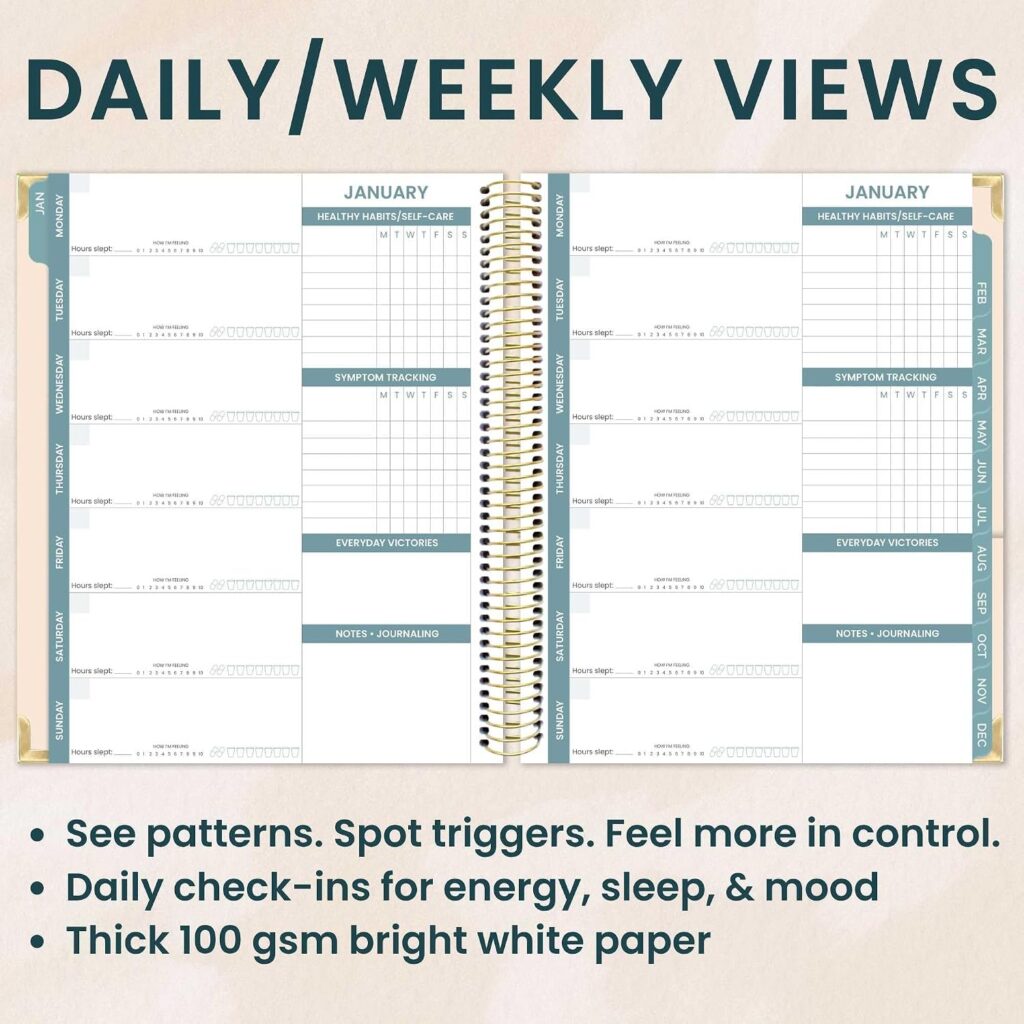
For example, you may notice that symptoms are worse after long periods of sitting, on days when you drink caffeine later than usual, or when your bedtime routine changes. These patterns can help you make more informed adjustments instead of changing several habits at once.
A symptom record can also be useful if you decide to speak with your healthcare professional. It gives you something more specific to discuss than simply saying, “My legs have been bothering me lately.”
Managing Restless Leg Syndrome at Night: When Should You Seek Medical Advice?
Lifestyle changes and bedtime routines can be helpful, but restless leg symptoms are not something you have to figure out entirely on your own.
Consider speaking with your healthcare professional if your symptoms are becoming more frequent, interfering with your sleep, or making it difficult to sit comfortably for long periods. It is also worth getting advice if your restless legs appeared after starting or changing a medication.
A healthcare professional can help review possible contributing factors, including your medications, iron status, other health conditions, and the pattern of your symptoms. Check iron levels rather than simply assuming a deficiency and starting supplements on your own.
You should also seek medical advice if your symptoms include unusual pain, persistent numbness, weakness, swelling, or other changes that do not seem typical of your usual restless leg symptoms.
Keeping the symptom journal we discussed earlier can make that conversation easier. Instead of trying to remember several weeks of restless nights, you can show your healthcare professional when symptoms occurred, what you were doing beforehand, and what seemed to help.
The goal is not to assume that every uncomfortable leg sensation is RLS. It is to make sure persistent or changing symptoms receive the attention they deserve.
Other RLS Strategies Worth Exploring
Day-to-day management is only one part of living with restless leg syndrome. Depending on what seems to be contributing to your symptoms, you may want to explore some areas in greater detail.
Rather than trying to cover all of them here, our related RLS guides take a closer look at specific questions.
Nutrition and Iron
Iron is one of the nutritional factors worth discussing when RLS symptoms are persistent. However, this does not mean everyone with restless legs needs an iron supplement.
Testing and individual circumstances matter, especially for seniors who may already be taking medications or managing other health conditions.
For a closer look at iron and other nutritional considerations, read Nutrition Deficiencies and Restless Leg Syndrome.
Alternative Therapies
Some people explore complementary approaches such as massage, relaxation techniques, warmth, aromatherapy, and other non-drug strategies.
See Alternative Therapies for Restless Leg Syndrome for a closer look at these options.
Restless Leg Treatment Devices
There are also products and devices designed to provide comfort, compression, massage, warmth, or other forms of stimulation.
Not every device is appropriate for every person, so it helps to understand what each type is intended to do before buying one.
Our Guide to Restless Legs Treatment Devices explains the main categories and what to consider when comparing them.
Why Does Restless Leg Syndrome Happen?
If your biggest question is not “What can I do tonight?” but rather “Why is this happening to me?”, start with our main RLS guide.
Causes of Restless Leg Syndrome: 9 Factors Seniors Should Know explores possible contributors such as iron status, medications, health conditions, lifestyle factors, and family history.
Understanding the possible causes can make it easier to decide which management strategies are worth discussing or trying.
Conclusion: Managing Restless Leg Syndrome One Step at a Time
Managing restless leg syndrome does not have to mean changing everything about your routine overnight.
For many seniors, a better starting point is to make small, manageable adjustments: watch for personal triggers, stay comfortably active, experiment with warmth or gentle stretching, build a calming bedtime routine, and keep track of what seems to make symptoms better or worse.
Your routine may look different from someone else’s—and that is okay. Each person’s RLS experience can be different, which is why tracking patterns can be so useful.
Aunt Doreen’s journey wasn’t overnight, but once she tackled her insomnia causes, understood her painful leg syndrome, and developed a routine that worked, she stopped dreading bedtime. And honestly? That’s a win in anyone’s book.
And if your restless legs continue to disrupt your sleep or your symptoms change, talk with your healthcare professional rather than simply adding more remedies or supplements.
The goal is not to find one magical “fix.” It is to build a practical set of strategies that helps you feel more prepared when restless legs show up.
FAQs About Managing Restless Leg Syndrome
What lifestyle changes may help restless leg syndrome?
Some people find it useful to reduce possible triggers such as caffeine or alcohol, stay regularly active during the day, and create a consistent bedtime routine. The key is to make one or two changes at a time so you can see whether they make a noticeable difference.
What can I do when restless legs bother me at night?
Getting up for a short walk, gently stretching your calves and legs, using warmth, or massaging the uncomfortable area may help you feel more comfortable.
Does exercise help restless leg syndrome?
Regular gentle movement can be a useful part of an RLS management routine. Walking, swimming, yoga, or tai chi are examples already suggested in this guide. The goal is comfortable, consistent activity rather than exhausting exercise.
What should I track in an RLS symptom journal?
Consider noting your meals, caffeine or alcohol intake, medications and supplements, activity level, bedtime, and how your legs felt that evening. Also record anything that seemed to make the symptoms better or worse. Over time, this may help you spot useful patterns.
When should I see a doctor about restless leg syndrome?
Consider getting medical advice if symptoms are frequent, worsening, interfering significantly with sleep, or appearing after a medication change. It is also sensible to seek advice if you experience unusual pain, weakness, numbness, swelling, or symptoms that do not seem like your usual restless legs.