
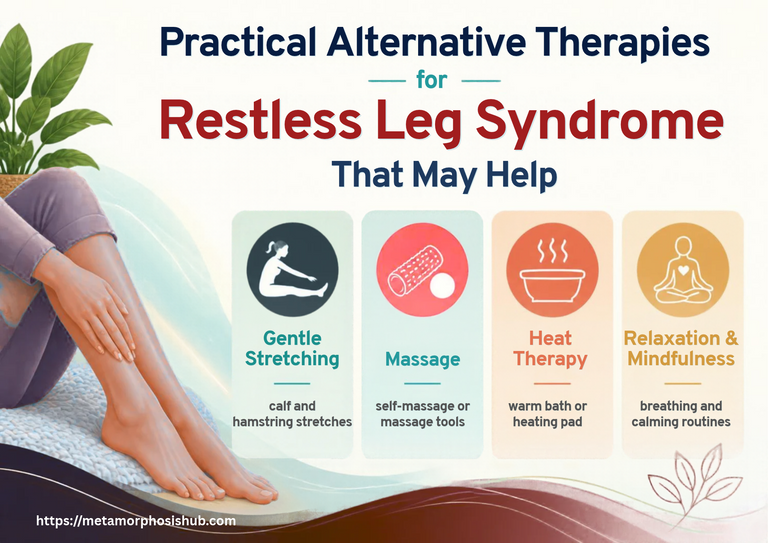
Alternative therapies for restless leg syndrome can give some seniors additional ways to manage uncomfortable nighttime symptoms without relying on one single approach.
Gentle movement, massage, heat or cold, relaxation techniques, and aromatherapy may all have a place in a broader RLS routine when they are used carefully and alongside appropriate medical guidance.
Before experimenting with home therapies, it can also help to understand the causes of restless leg syndrome, especially if your symptoms are new or changing.
The key is to keep expectations realistic. These approaches are not cures, and what helps one person may do very little for another. In this guide, we’ll look at five practical therapies that are simple enough to try at home, easy to adapt for seniors, and focused on comfort, relaxation, and better nighttime routines rather than miracle fixes.
Restless leg syndrome can make bedtime feel like a battle. Just when you are ready to settle down, your legs start buzzing, twitching, crawling, or acting like they have their own agenda.
For many seniors, that means less sleep, more frustration, and a next day that feels heavier than it should.
The good news is that alternative therapies for restless leg syndrome may help some people ease symptoms, especially when used alongside medical guidance and a few smart daily habits.
Restless legs syndrome, often called RLS, usually gets worse during rest and at night, and movement often brings temporary relief. That pattern is well recognized by major medical sources.
I once knew a woman who kept saying, “I’m tired, but the minute I lie down, my legs start arguing with me.” She thought she just needed to “tough it out.”
What finally helped was not one miracle fix, but a mix of gentle movement, better evening habits, and a few restless leg syndrome relief tools she could actually stick with!
That is usually the real lesson here: simple, repeatable changes tend to beat heroic one-night experiments!
Exercise Routines for Restless Leg Syndrome
For many people with RLS, movement can bring temporary relief when the legs feel uncomfortable or impossible to keep still. That does not mean you need a strenuous workout. A senior-friendly approach: gentle, repeatable movement rather than pushing yourself too hard is recommended.
A short walk, a few ankle movements, or some light stretching may be enough to help your legs feel less restless before bedtime. The goal is not fitness glory. It is simply to give your body a little movement when sitting or lying still starts to feel uncomfortable.
Gentle Movement That May Help Restless Legs
You do not need a gym membership or a complicated routine to get moving.
Simple options from include:
- a 10- to 15-minute walk after dinner;
- easy calf raises while holding a counter;
- ankle circles while seated;
- gentle marching in place; and
- slow stretching before bed.
These movements are especially useful because they can be adapted to your mobility level. If walking outdoors is not practical, a few laps around the house or gentle seated movements may be enough to break up a long period of inactivity.
Try to keep the activity comfortable rather than exhausting. You want your legs to feel loosened up, not worn out!
Home Exercises for Restless Leg Syndrome Relief
A few home exercises for restless leg syndrome relief can be worked into your evening without turning bedtime into another chore.
These can include:
- seated hamstring stretches;
- calf stretches against a wall;
- ankle flex-and-point movements;
- seated knee lifts; and
- gentle foot circles.
If balance is a concern, keep one hand on a sturdy chair, countertop, or other secure surface.
Seniors do not need a Pinterest-perfect wellness routine. What matters is finding movements that feel safe enough to repeat regularly and simple enough that you will actually use them.
When Exercise Can Be Too Much
More exercise is not always better.
If a vigorous workout late in the day seems to leave you more uncomfortable or too alert to settle down, try moving that activity earlier or reducing the intensity. Overdoing exercise should be avoided while moderate activity is favored instead.
Pay attention to how your own body responds. Gentle movement should feel manageable. If an exercise causes pain, unusual weakness, or other new symptoms, stop and discuss it with your healthcare professional.
Massage for Restless Leg Syndrome
Massage is one of the simplest alternative therapies to try because it does not require an elaborate routine. Massage is part of home-care strategies and it pairs naturally with stretching, warmth, and relaxation.
For some people, gently rubbing the legs can provide temporary comfort or simply give the body something different to focus on when restless sensations become annoying.
Think of massage for restless leg syndrome as a comfort strategy rather than a cure.
Gentle Leg and Calf Massage
Start simply.
While seated comfortably, use your hands to gently rub the calves and lower legs. Slow strokes or light circular movements may feel more comfortable than deep pressure.
You can also combine massage with:
- gentle calf stretching;
- a warm bath or shower;
- a warm towel; or
- slow breathing.
The purpose is to make the legs feel more comfortable and help the body wind down—not to press hard enough to “work out” the symptoms.
Using Massage During an Evening Flare-Up
If restless sensations appear after you sit down or climb into bed, massage can be one option to try before becoming frustrated.
You might:
- sit up and gently massage the calves for a few minutes;
- stretch the legs slowly;
- stand or walk briefly if remaining still feels uncomfortable; and
- return to bed once you feel more settled.
Some nights massage may feel helpful; other nights movement or warmth may work better. That variation is normal.
This is why the overall approach is to test one or two simple therapies rather than expecting a single method to work every time.
Massage Safety for Seniors
Massage should feel comfortable and not painful.
Avoid aggressive pressure over areas that are sore, swollen, injured, or unusually sensitive. If you have new swelling, numbness, weakness, or unexplained pain, that is a reason to speak with your healthcare professional rather than trying to massage through it. These symptoms are reasons to seek medical advice.
If gentle self-massage feels good, keep it simple. There is no need to turn it into a complicated treatment session.
If you prefer a product-based approach to massage, warmth, or compression, our guide to restless legs treatment devices compares the main options.
Warm and Cold Therapy for Restless Leg Syndrome
Sometimes your legs do not need another complicated remedy—they just need a change in sensation.
Warm baths, heating pads, cool packs, and warm showers are practical comfort measures that some people may find helpful.
The nice thing about warm and cold therapy for restless leg syndrome is that it is easy to experiment with. Some people prefer warmth, while others find cooling more comfortable. You may even prefer different approaches on different nights.
Warm Baths and Showers
A warm bath or shower can become an easy part of your evening routine.
You might try:
- a warm bath before bed;
- a warm shower followed by light stretching; or
- soaking the legs briefly before settling down.
Use warmth before bedtime and pair it with stretching. Ensure that you keep the temperature comfortably warm rather than hot, especially if your skin is sensitive.
Heating Pads and Warm Compresses
If you do not want a full bath, a heating pad or warm compress may be more convenient.
Using short periods of warmth on the calves is one option.
A warm towel can also work well if you want something simple and low-tech.
Whichever method you use, avoid excessive heat and check your skin regularly. Seniors with reduced sensation should be especially cautious with heating products.
When Cooling Feels Better
Not everyone prefers heat.
A cool pack wrapped in cloth may feel more comfortable when the legs feel hot, irritated, or simply too restless for warmth. The original article specifically suggests trying cooling if heat feels irritating.
Do not apply ice directly to the skin. Keep cooling sessions brief and pay attention to how your legs respond.
There is no prize for choosing heat over cold—or cold over heat. The best option is simply the one that feels more comfortable for you.
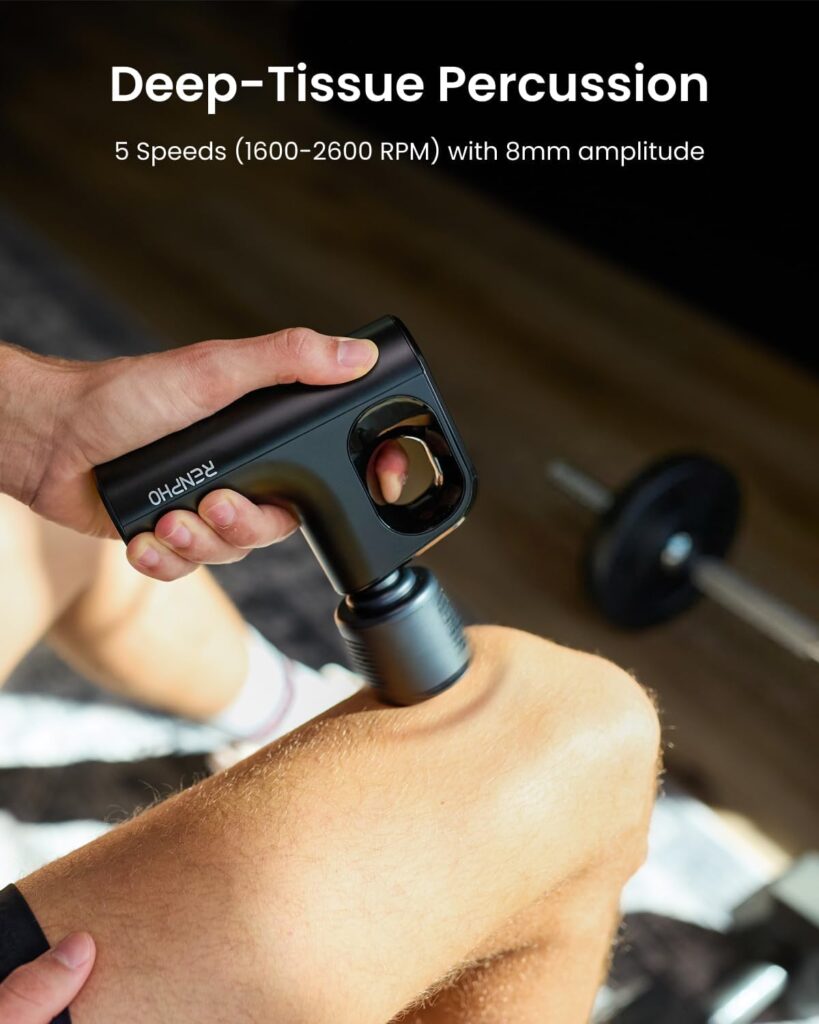
If you prefer a handheld option that combines massage with warming or cooling, a compact heat-and-cold massage tool may be convenient. Use it for comfort rather than as a treatment for the underlying cause of RLS.
Relaxation Techniques for Restless Leg Syndrome
Restless leg syndrome can be frustrating not only because of the physical sensations, but because those sensations often show up just when you are trying to settle down for the night. That can make bedtime feel tense before you have even switched off the light.
Relaxation techniques for restless leg syndrome are not meant to cure RLS. Their role is simpler: helping you feel calmer, reducing some of the frustration around nighttime symptoms, and creating a more comfortable transition into sleep.
Calming evening habits, gentle movement, massage, and routines that help signal that the day is winding down should be followed.
Slow Breathing and Guided Relaxation
Slow breathing is one of the easiest relaxation techniques to try because it requires no equipment.
You might sit or lie comfortably and:
- breathe in slowly through your nose;
- pause briefly;
- breathe out gently;
- repeat for a few minutes.
The goal is not to force your legs to stop moving. It is simply to help the rest of your body become less tense while the sensations pass.
Some seniors also enjoy guided relaxation recordings or quiet audio at bedtime. If that helps you focus less on your legs and more on settling down, it can become part of a simple evening routine.
Keep it easy. Relaxation should not feel like another task you have to “get right.”
Gentle Yoga and Mindful Movement
Gentle yoga can combine stretching, movement, and relaxation in one activity.
That does not mean you need complicated poses or impressive flexibility. A few slow stretches, seated movements, or chair-supported positions may be enough.
Gentle stretching and safe home exercises such as seated hamstring stretches, calf stretches, ankle movements, and knee lifts are recommended.
For seniors, comfort and stability matter more than range of motion. If standing balance is a concern, choose seated movements or keep a sturdy chair or countertop nearby.
Think of this as mindful movement, not a workout. Move slowly, notice how your legs feel, and stop if anything causes pain or unusual discomfort.
Build a Simple Evening Ritual
You do not need a ten-step bedtime routine.
A simple ritual might look like this:
- take a short, comfortable walk;
- stretch your calves and ankles gently;
- use warmth or cooling if your legs feel unsettled;
- try a few minutes of massage or slow breathing; and
- settle into your usual bedtime routine.
Combine a short walk, stretching, warmth or cooling, massage, and a calmer evening routine rather than relying on one “miracle” strategy.
The key is consistency without making the routine feel like a chore.
If you want a more complete day-to-day plan for triggers, sleep habits, and flare-ups, your How to Manage Restless Leg Syndrome guide can take over from here.
Essential Oils for Restless Leg Syndrome: What May Help With Relaxation
Let’s keep expectations realistic: essential oils for restless leg syndrome are not a proven cure or treatment for RLS.
Their value is more likely to come from relaxation, massage, and the calming ritual surrounding their use. Treat oils as a comfort support rather than a miracle therapy.
For some seniors, a familiar scent, gentle calf massage, and a few quiet minutes before bed can make the evening feel calmer—even if the oil itself is not directly changing the underlying RLS.

Lavender for a Calming Bedtime Ritual
Lavender is commonly used in aromatherapy because many people associate its scent with relaxation.
You might use it in a diffuser while you read, stretch, or prepare for bed. The aim is to create a calmer environment rather than expecting the scent to stop restless leg symptoms.
That distinction matters.
If lavender is part of your evening relaxation routine, a simple essential oil can be used in a diffuser or, when properly diluted, alongside gentle massage.
Essential Oils With Massage
Essential oils can also be paired with gentle massage.
If you enjoy the scent, you might combine a properly diluted oil with light calf or lower-leg massage. The massage itself may provide temporary comfort, while the aroma may make the routine feel more relaxing.
Pair aromatherapy with massage and understand that the ritual itself may be where much of the benefit comes from.
Again, think comfort and relaxation and not treatment.
Essential Oil Safety for Seniors
Essential oils are concentrated, so a little caution goes a long way.
It is recommended to:
- dilute essential oils in a carrier oil;
- patch-test first;
- avoid broken or irritated skin;
- stop if redness or irritation develops; and
- keep expectations modest.
Strong scents can also bother some people, so start with a small amount.
If you have sensitive skin, allergies, breathing problems, or use multiple medications, it is sensible to check with a healthcare professional before adding a new topical product to your routine.
Quick Comparison Table of 5 Alternative Therapies for Restless Leg Syndrome
A useful comparison table is provided below:
| Alternative Therapy | What It May Help With | Simple Way to Try It | Keep in Mind |
|---|---|---|---|
| Gentle exercise and stretching | Evening restlessness and stiffness | Short walk, ankle circles, calf stretch | Keep activity moderate; avoid overdoing it |
| Massage | Temporary comfort and relaxation | Gentle calf or lower-leg massage | Use light pressure and avoid painful or swollen areas |
| Warm and cold therapy | Sensory comfort before bed | Warm bath, heating pad, or wrapped cool pack | Use safe temperatures and protect sensitive skin |
| Relaxation techniques | Bedtime tension and frustration | Slow breathing, gentle yoga, quiet relaxation | The goal is calming the body, not curing RLS |
| Aromatherapy and essential oils | Creating a calming bedtime ritual | Lavender diffuser or diluted oil with massage | Patch-test, dilute properly, and treat it as relaxation support |
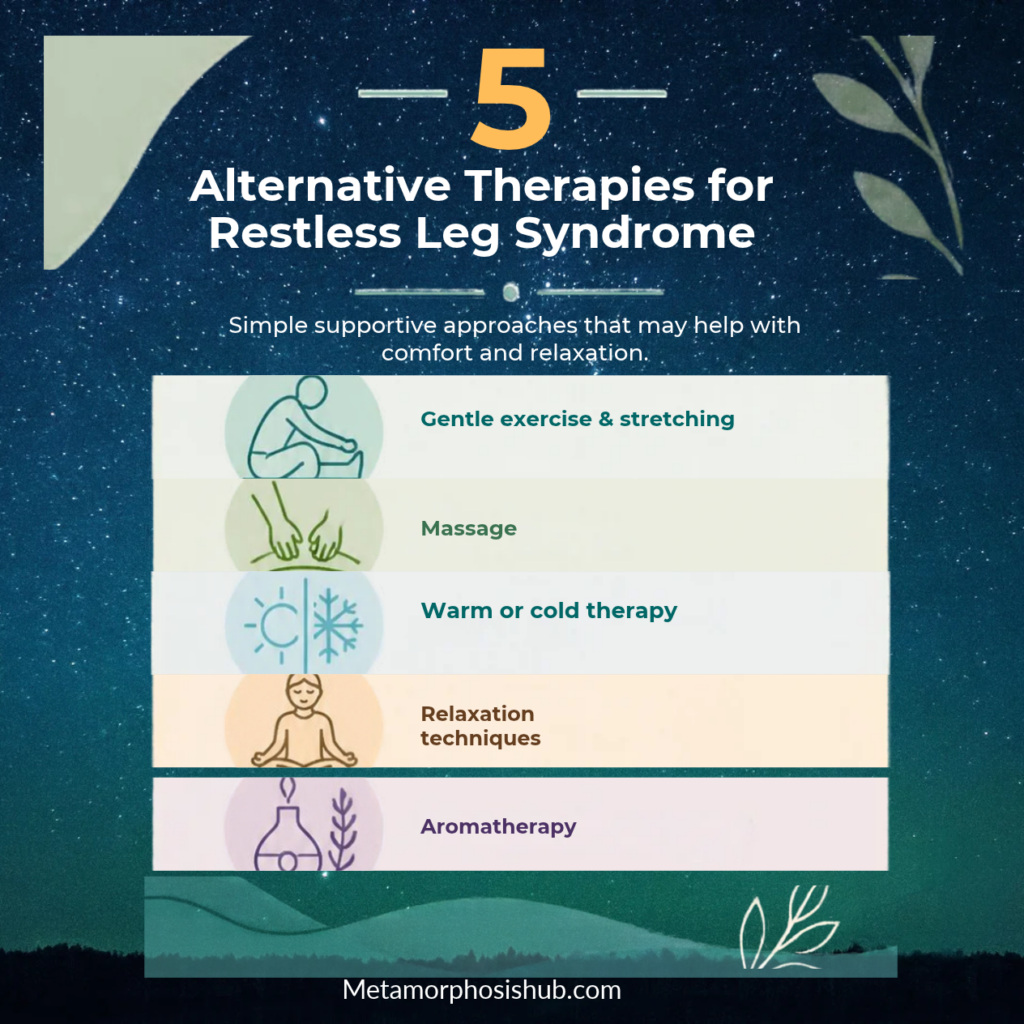
The best approach is usually not to try all five at once! Choose one or two that feel realistic, use them consistently for several evenings, and pay attention to whether they make bedtime more comfortable.
Simple, repeatable alternative therapies for restless leg syndrome are more useful than chasing a different remedy every night.
How to Combine Alternative Therapies Without Overdoing It
When several alternative therapies for restless leg syndrome sound promising, it can be tempting to try everything at once. But that usually makes it harder to tell what is actually helping.
As previously discussed, a better approach is to choose one or two simple strategies and use them consistently for several evenings. For example, you might pair a short walk with a warm bath, or gentle stretching with massage and slow breathing. Keep the routine manageable instead of turning bedtime into a complicated treatment session!
Pay attention to how your legs feel before and after each approach. If something seems helpful, keep it in your routine. If it makes no difference after a reasonable trial, try something else.
You may also want to change only one part of your routine at a time. That makes it easier to recognize patterns instead of wondering whether the walk, the heating pad, the massage, or the lavender oil made the difference.
The goal is not to build the longest possible list of remedies. It is to find a few strategies that are comfortable, safe, and realistic enough to use regularly.
Do not try ten things at once. Pick one or two approaches, test them consistently, and speak with your healthcare professional if restless legs continue to disrupt your sleep.
When Restless Leg Syndrome Symptoms Should Not Be Ignored
Alternative therapies can be useful for comfort and relaxation, but they should not replace medical evaluation when symptoms are persistent, worsening, or unusual.
Speak with your healthcare professional if restless legs are regularly disturbing your sleep, leaving you exhausted during the day, or becoming more frequent or intense. It is also worth getting medical advice if you think iron deficiency, a medication, or another health condition could be contributing.
New symptoms such as swelling, numbness, weakness, or unexplained pain deserve particular attention because they may not fit the typical pattern of restless leg syndrome.
Some medicines can worsen restless leg symptoms, so reviewing your medication list with a doctor or pharmacist may be useful.
The key is not to assume that every uncomfortable leg sensation is RLS. Alternative therapies are most appropriate as supportive measures when the underlying symptoms are understood and serious causes have been ruled out.
If low iron or another nutrient issue may be involved, see our guide to nutritional deficiencies causing restless leg syndrome before considering supplements.
Conclusion: Finding Alternative Therapies That Fit Your Routine
Living with restless leg syndrome can make bedtime unpredictable, but that does not mean your evening routine has to become complicated.
The five approaches in this guide—gentle movement, massage, warm or cold therapy, relaxation techniques, and aromatherapy—offer simple ways to support comfort and relaxation without expecting one method to work for everyone.
Some seniors may prefer a short walk and a heating pad. Others may find that stretching, massage, or a few quiet minutes of slow breathing fit better into their routine. What matters most is choosing strategies that feel realistic enough to repeat.
Keep the process simple. Try one or two alternative therapies for restless leg syndrome, give them a fair trial, and pay attention to how your body responds.
And if your symptoms continue to interfere with sleep, become more severe, or come with new pain, weakness, numbness, or swelling, speak with your healthcare professional rather than continuing to experiment on your own.
There may not be one perfect remedy, but a few well-chosen strategies can make your nighttime routine feel more manageable.
FAQs About Alternative Therapies for Restless Leg Syndrome
What are the most practical alternative therapies for restless leg syndrome?
Gentle exercise, massage, warm or cold therapy, relaxation techniques, and aromatherapy are practical options that may help with comfort and relaxation. They work best as supportive strategies rather than replacements for medical care.
Can exercise routines for restless leg syndrome help at night?
Gentle movement may temporarily ease restless sensations for some people. A short walk, ankle movements, calf stretches, or light home exercises can be easier to use than vigorous late-evening workouts.
Is massage helpful for restless leg syndrome?
Gentle massage may provide temporary comfort and relaxation. Light calf or lower-leg massage can be combined with stretching, warmth, or slow breathing as part of an evening routine.
Does warm or cold therapy help restless legs?
Some people find warm baths, heating pads, warm compresses, or wrapped cool packs comforting before bed. The original article suggests experimenting with warmth or cooling to see which feels better for you.
Are essential oils for restless leg syndrome effective?
Essential oils are not a proven treatment for RLS. Lavender or other calming scents may support relaxation or make a bedtime ritual more enjoyable, especially when combined with gentle massage.
When should I see a doctor instead of relying on home therapies?
See a healthcare professional if symptoms are worsening, regularly disrupting sleep, causing daytime exhaustion, or occurring with swelling, weakness, numbness, new pain, medication changes, or possible iron deficiency.
References
Mayo Clinic (2025) Restless Leg Syndrome – Diagnosis and Treatment. Updated June 30, 2026. https://www.mayoclinic.org/diseases-conditions/restless-legs-syndrome/diagnosis-treatment/
Cleveland Clinic (2026) Restless Legs Syndrome https://my.clevelandclinic.org/health/diseases/9497-restless-legs-syndrome