
Discover 9 safe, and effective steps for what to do after a senior falls. Learn first aid, injury checks, caregiver protocols, smart home safety tools, and fall-prevention strategies to support safer recovery and independence.
I’ll never forget the afternoon my aunt called me in tears, whispering, “Mom fell again… I don’t know what to do.”
Her mother—my late grandmother—was one of those fiercely independent seniors who’d rather crawl than call for help. If you’ve ever been in that moment, standing over a loved one not knowing what injury you can’t see, you know the panic that hits first… and the questions that hit right after.
Is she hurt? Can I move her? Should I call 911? What do I do first?
That’s exactly why this guide exists.
This article will walk you step-by-step through what to do after a senior falls, how to check for hidden injuries, when to call a doctor, and how to help them feel safe again. We’ll also highlight tools and strategies to help prevent the next fall—because honestly, it’s rarely “just one.”
Let’s take this slow, supportive, and practical—just like you’re learning from a friend who’s been here before.
Step 1. Stay Calm and Assess the Situation
The first step in what to do after a senior falls is to avoid rushing. Quick movements and panic can make the situation worse.
Start with a gentle post-fall assessment by observing, not touching.
Questions to ask (softly and slowly):
- “Where does it hurt?”
- “Can you move anything?”
- “Do you feel dizzy?”
- “Did you hit your head?”
- “Can you take a slow breath?”
This helps you understand whether the fall was mild or if there are signs of serious fall injury in seniors, like:
- slurred speech
- confusion
- extreme pain
- visible bleeding
- inability to move
- one-sided weakness
- complaints of “pressure” inside the head
If any of these appear, call 911 immediately.
Steps to Take When a Senior Falls – Step 2: Do Not Move Them Until You’re Sure It’s Safe!
One of the most critical steps to take when a senior falls is resisting the urge to pull them back up. Sudden movement can worsen:
- hip fractures
- spinal injuries
- shoulder dislocations
- internal injuries
- hidden head trauma
Instead, encourage them to stay still while you continue your senior fall response.
If the senior is alert and wants to get up:
✔ Guide them through safe lifting techniques for seniors
✔ Use sturdy furniture (chair, couch, bed)
✔ Support their hips and torso, not their arms
✔ Move slowly in stages
If they cannot get up, call for medical help immediately.
Step 3. Check for Injuries Carefully
When learning what to do after a senior falls, this step matters most. Perform a gentle evaluation by:
- Checking skin for bruises, bumps, swelling
- Asking if touching a certain spot increases pain
- Watching for grimacing or flinching
- Feeling limbs for unusual warmth, coolness, or firmness
- Checking breathing and speech
Use your hands lightly and avoid twisting limbs.
This is where warning signs of internal injuries may show up:
- stomach pain
- nausea
- extreme fatigue
- sudden headache
- pale or clammy skin
If anything feels “off,” don’t gamble—medical evaluation is necessary.
Step 4. Provide First Aid for Seniors After a Fall When Needed
Sometimes a fall results in cuts, scrapes, or minor bruises. Basic first aid for seniors after a fall includes:
- Cleaning small scrapes with warm water
- Applying a sterile bandage
- Using cold compresses for swelling
- Keeping them warm with a light blanket
- Checking vitals every 10–15 minutes
Avoid giving medication unless advised by a professional.
If they hit their head—even lightly—monitor them closely for 24 hours. Seniors bruise differently than younger adults, and complications like slow bleeds can appear later.
Step 5. Help Them Up Safely (If Appropriate)
If no major injuries are suspected, guide them through fall recovery steps for elderly:
- Roll slowly onto their side
- Move onto hands and knees
- Crawl toward a sturdy surface
- Bring one knee forward into a kneeling position
- Press hands onto furniture to stand
Do everything slowly and with your hands supporting their hips or back—not pulling their arms.
Step 6. Document the Fall (Critical for Future Prevention)
A key part of caregiver fall protocol is documenting what happened. This isn’t about blame—it’s about prevention.
Record:
- time and place of the fall
- what they were doing
- environmental factors (wet floor, clutter, dim lighting)
- any medication changes
- health symptoms before the fall (dizziness, weakness)
This helps doctors assess patterns and adjust care plans.
Step 7. Improve Home Safety After the Fall
Once the immediate emergency is over, evaluate whether the home environment contributed to the fall. Good smart home solutions for senior safety include:
- motion-activated night lights
- non-slip mats
- bed-exit alarms
- grab bars in bathrooms
- automatic shut-off appliances
- clear, clutter-free walkways
- raised toilet seats
- stair railings on both sides
This step alone can dramatically reduce future falls.
Step 8. How to Prevent Falls in Elderly – Strengthen Prevention Strategies
To support long-term confidence and mobility, educate yourself on how to prevent falls in elderly. Key strategies:
- daily balance exercises
- reviewing medications that cause dizziness
- annual vision checks
- wearing supportive indoor shoes
- staying hydrated
- removing loose rugs
- scheduling regular mobility assessments
Small habit changes often prevent big injuries.
Step 9. Consider Post-Fall Safety Tools & Alerts
Even when caregivers do everything right, another fall is always possible. Many families benefit from using the best fall alert systems for seniors or home-safety tools to reduce risk.

Here are top-rated Amazon.ca products that help with AFTER-FALL support, caregiver awareness, and safer recovery.
⭐ Top-Rated Safety Tools for Seniors
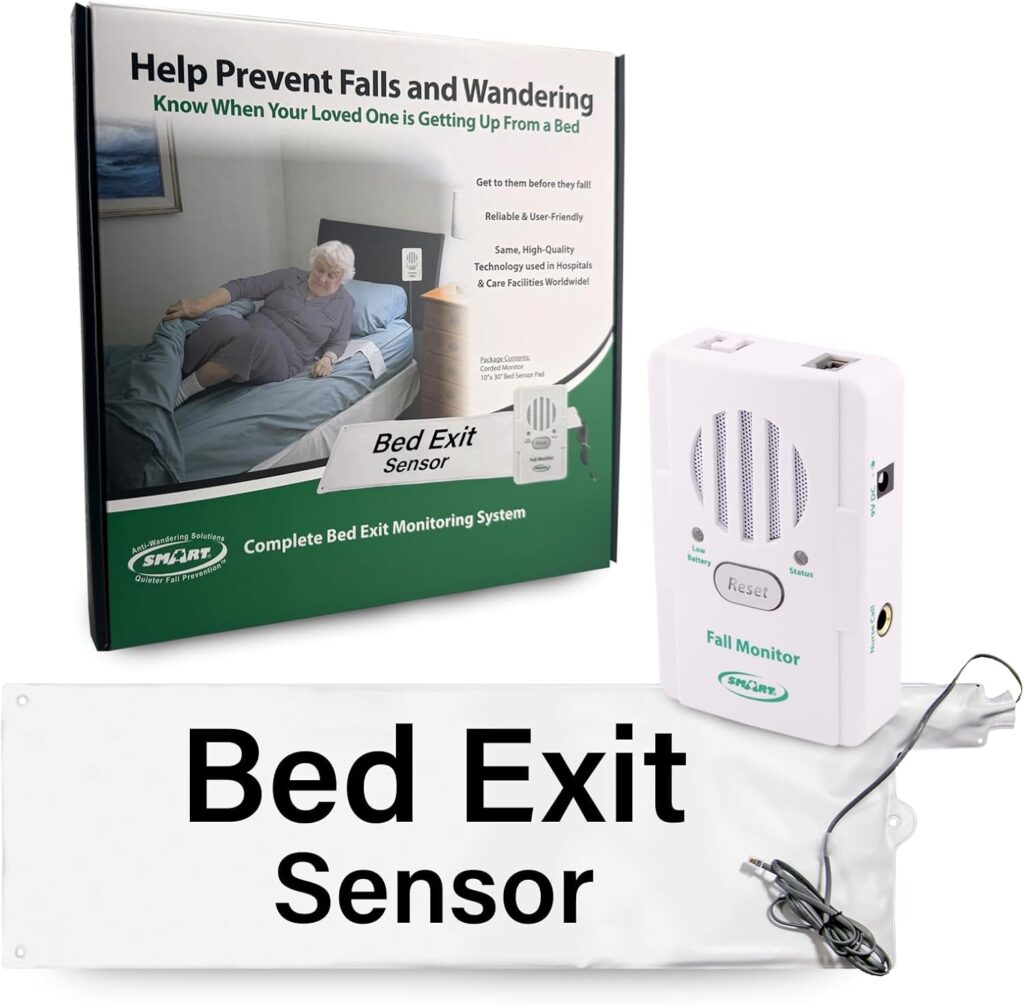
Smart Caregiver Bed Exit Alarm with Corded Monitor
Great for nighttime wandering or seniors who fall when getting out of bed. Helps caregivers respond immediately.
Another option: Lunderg Bed Alarm for Elderly Adults & Chair Alarm Set
CallToU Wireless Caregiver Pager
Perfect for seniors recovering from a fall who may need quick help without shouting.
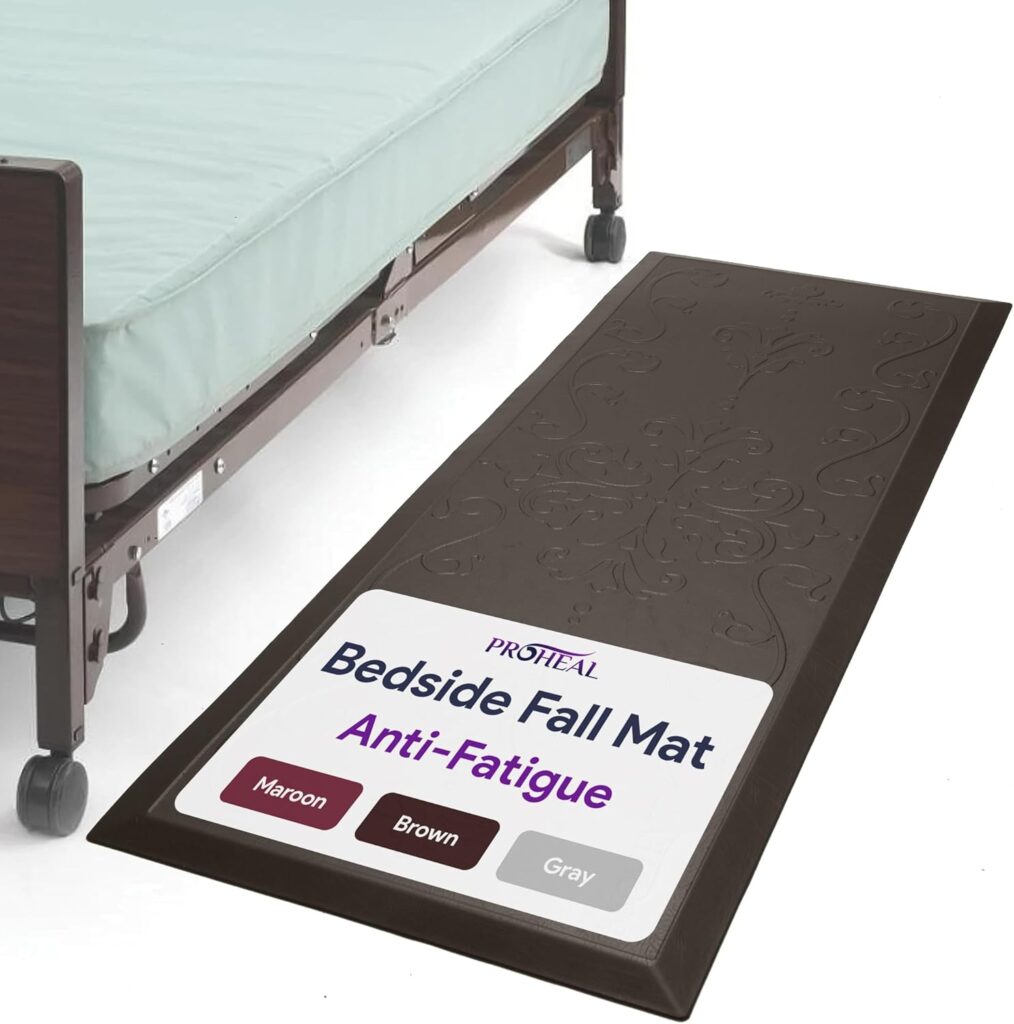
PROHEAL Beveled Edge Fall Mat for Elderly
Absorbs impact and prevents injury if a senior falls while standing up from bed.
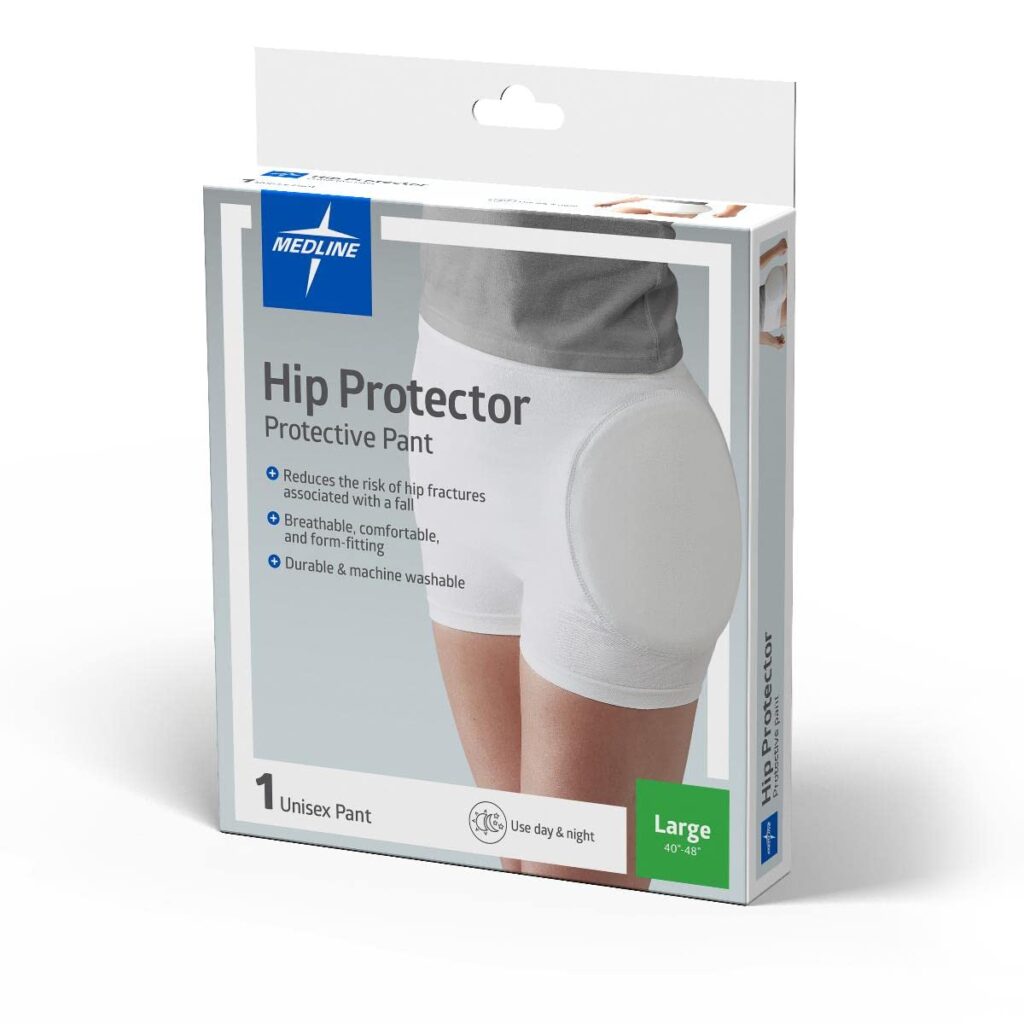
Medline HIPPROTSM Premium Hip Protectors for Elderly & Seniors
Reduces the risk of hip fractures during recovery—great for high-risk seniors with osteoporosis or balance issues.
Conclusion: You’re Not Alone—And Neither Are They!
Falls happen—sometimes when you least expect them. But knowing exactly what to do after a senior falls helps you move from fear to calm, from uncertainty to confidence.
Whether it’s offering slow, steady support, checking for injuries, or updating the home for better safety, every step you take helps protect the senior you love.
And if you want even more peace of mind, the safety tools listed above can make recovery smoother and future falls less likely.
👉 Explore the recommended products above and give your loved one the confidence, dignity, and safety they deserve.
FAQs
What should you check after a senior falls?
Look for pain, swelling, confusion, head injury signs, dizziness, or inability to move. If any symptoms appear, call 911.
How do you help a senior get up after a fall?
Roll them to their side, help them onto hands and knees, guide them toward a chair, and support their hips—not their arms.
When should you call 911 after a senior falls?
Call 911 if they hit their head, feel faint, can’t move, show confusion, or have severe pain.
How can you prevent future falls in seniors?
Improve lighting, remove clutter, use grab bars, review medications, and add smart home or fall-alert devices.