

Compare the best fall detection devices for seniors, including wearable and mobile alert systems designed for safer independent living.
Falls are one of the biggest threats to safe independent living for older adults. In many cases, the injury is not the only problem. The bigger danger is the delay in getting help.
That is why fall detection devices matter so much. The best ones do more than sound an alarm. They can detect a hard fall, connect to a monitoring center, alert family members, share GPS location, and help seniors stay independent with more confidence.
This guide compares the best fall detection devices for seniors, with a focus on wearable and mobile alert systems designed for real everyday use.
It also explains what fall alert devices for seniors are, how to choose a fall alert system, and which features matter most before you buy, and which options offer the best protection for seniors living alone.
Why Fall Detection Devices Matter for Seniors Living Independently
Many older adults want to remain in their own homes for as long as possible. That independence matters. But so does knowing help can be reached quickly if something goes wrong.
Falls are common in older adults, especially at home. The fear is not always the fall itself. It is being alone, unable to get up, and unable to reach a phone.
That is where modern fall detection devices for seniors can make a real difference. Many wearable systems can now detect a fall automatically, even if the senior cannot press a button. Others add GPS tracking, two-way voice communication, or 24/7 professional monitoring.
The goal is not to take away independence. It is to protect it.
What Are Fall Alert Devices for Seniors?
Fall alert devices for seniors are safety tools designed to help older adults get assistance quickly after a fall or emergency.
Most modern systems include one or more of these features:
- wearable pendants or smartwatches
- automatic fall detection sensors
- emergency call buttons
- GPS tracking
- alerts sent to family members or a monitoring center
- two-way voice communication
When a fall is detected, the device may:
- notify a caregiver or family member
- connect the user to a professional monitoring center
- send location details to help responders find the senior faster
Some systems are designed mainly for use at home, while others work better for seniors who go outside often and need mobile protection.
Important Reality About Fall Detection Devices
Here is something many review roundups do not explain clearly.
Medical alert and fall detection devices often get lower star ratings than regular consumer electronics. That does not always mean they are poor choices.
Reviews in this category often reflect:
- subscription frustrations
- activation issues
- accidental alerts
- battery complaints
- confusion about monthly monitoring costs
That means a device can still do its primary job well, even if its star rating looks lower than you might expect.
When comparing top rated fall alert devices for seniors, focus on:
- reliability of fall detection
- emergency response options
- GPS accuracy
- comfort and wearability
- battery life
- how easy the system is for a senior to actually use
How to Choose a Fall Alert System
When helping a senior choose a fall detection device, five factors matter most.
Automatic Fall Detection
This is the most important feature for many seniors. Automatic fall detection means the device may recognize a fall even when the wearer cannot press the emergency button.
GPS Tracking and Location Help
GPS matters most for seniors who:
- walk outdoors regularly
- run errands independently
- travel with family
- still live an active lifestyle
A mobile alert device with GPS can help responders or caregivers find the senior faster.
Wearable Comfort
A device only works if it is actually worn. If it feels too bulky, too awkward, or too noticeable, many seniors will leave it sitting on a table.
Battery Life
Some devices need daily charging. Others last several days. That makes a difference for seniors who may forget to recharge devices regularly.
Monitoring Options
Some systems connect to a 24/7 monitoring center. Others notify family members or caregivers directly through an app. The right choice depends on how much support is needed.
Quick Comparison Table: Best Fall Detection Devices for Seniors
The table below gives a quick side-by-side view of the best fall detection devices for seniors based on mobility, monitoring style, and ease of use.
| Device | Best For | Type | GPS | Automatic Fall Detection | Monitoring Style | Main Strength |
|---|---|---|---|---|---|---|
| Lively Mobile2 | Simplicity | Mobile wearable | Yes | Yes | Monitoring center | Easy to use |
| Bay Alarm Medical SOS Mobile GPS | 24/7 emergency support | Mobile wearable | Yes | Optional | Monitoring center | Strong emergency response |
| Lifeline On-The-Go | Professional monitoring | Wearable pendant | Yes | Yes | 24/7 monitoring | Trusted medical-alert style service |
| NOMO Smart Care | In-home monitoring | Sensor-based home system | Limited / home-focused | Pattern-based alerts | Subscription monitoring | Home-based safety support |
| Senior Protection Pendant X | Simple wearable protection | Pendant | Yes | Yes | Monitoring center | Lightweight wearable design |
| Senior Protection On-The-Go PRO | GPS + voice communication | Pendant | Yes | Yes | Monitoring center | Mobile communication support |
| Generic Medical Alert Smartwatch | Watch-style device | Smartwatch | Varies | Yes | Varies | Familiar watch format |
| PAJ Easy Finder 4G | Real-time location tracking | GPS tracker | Yes | No | App-based | Strong tracking and safe zones |
| Winnes Mini GPS Tracker | Budget tracking | GPS tracker | Yes | No | App-based | Lower-cost location monitoring |
| Lunderg Bed & Chair Alarm | Fall prevention at home | Bed/chair alarm | No | No | Caregiver pager | Prevents unsafe standing attempts |
Top Rated Fall Detection Devices for Seniors Compared
Lively Mobile2 Emergency Response Device – Best for Simplicity
The Lively Mobile2 is one of the strongest options for seniors who want something simple, wearable, and easier to manage than a more complicated smartwatch.
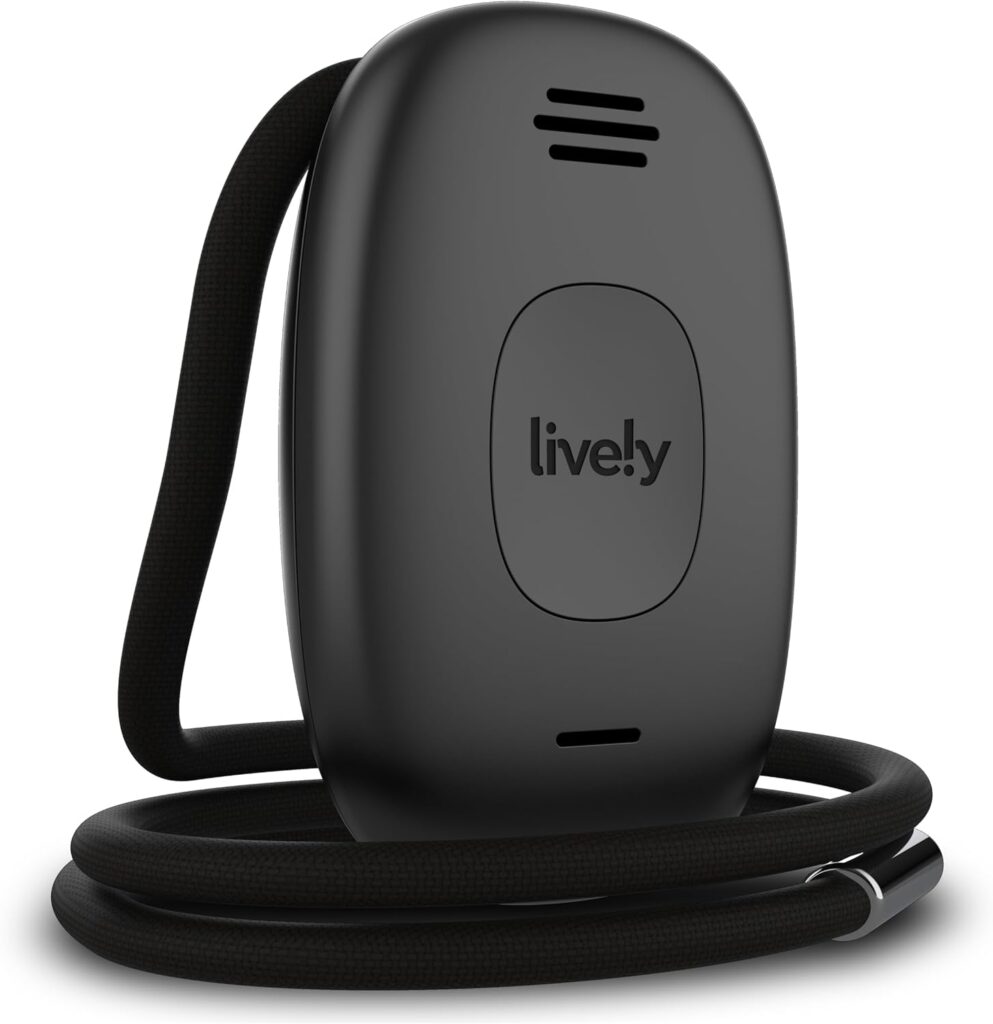
It is designed for older adults who want:
- automatic fall detection
- GPS location tracking
- two-way voice support
- a device that can be worn throughout the day
Why it stands out
The biggest strength here is simplicity. This is one of the more approachable mobile fall detection options for seniors who do not want a confusing setup.
Best for
Seniors who want a wearable fall detection device with straightforward everyday use.
👉 Check pricing and monitoring options
Bay Alarm Medical SOS Mobile GPS – Best for 24/7 Emergency Monitoring
The Bay Alarm Medical SOS Mobile GPS is a strong mobile option for seniors who want professional monitoring and GPS support outside the home.
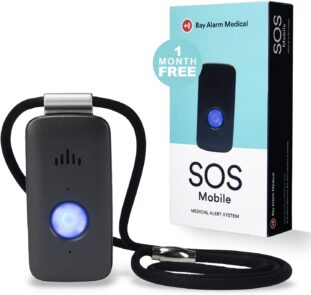
Why it stands out
This device is geared toward independent seniors who still go outdoors and want the reassurance of monitored emergency help.
Key strengths
- GPS location tracking
- optional automatic fall detection
- connection to trained emergency operators
- mobile protection beyond the house
Best for
Active seniors who want stronger 24/7 emergency backup.
👉 View monitoring plans and availability
Lifeline On-The-Go Medical Alert System – Best for Professional Monitoring
The Lifeline On-The-Go is another strong monitored wearable option. It combines automatic fall detection, two-way voice communication, and GPS location technology.
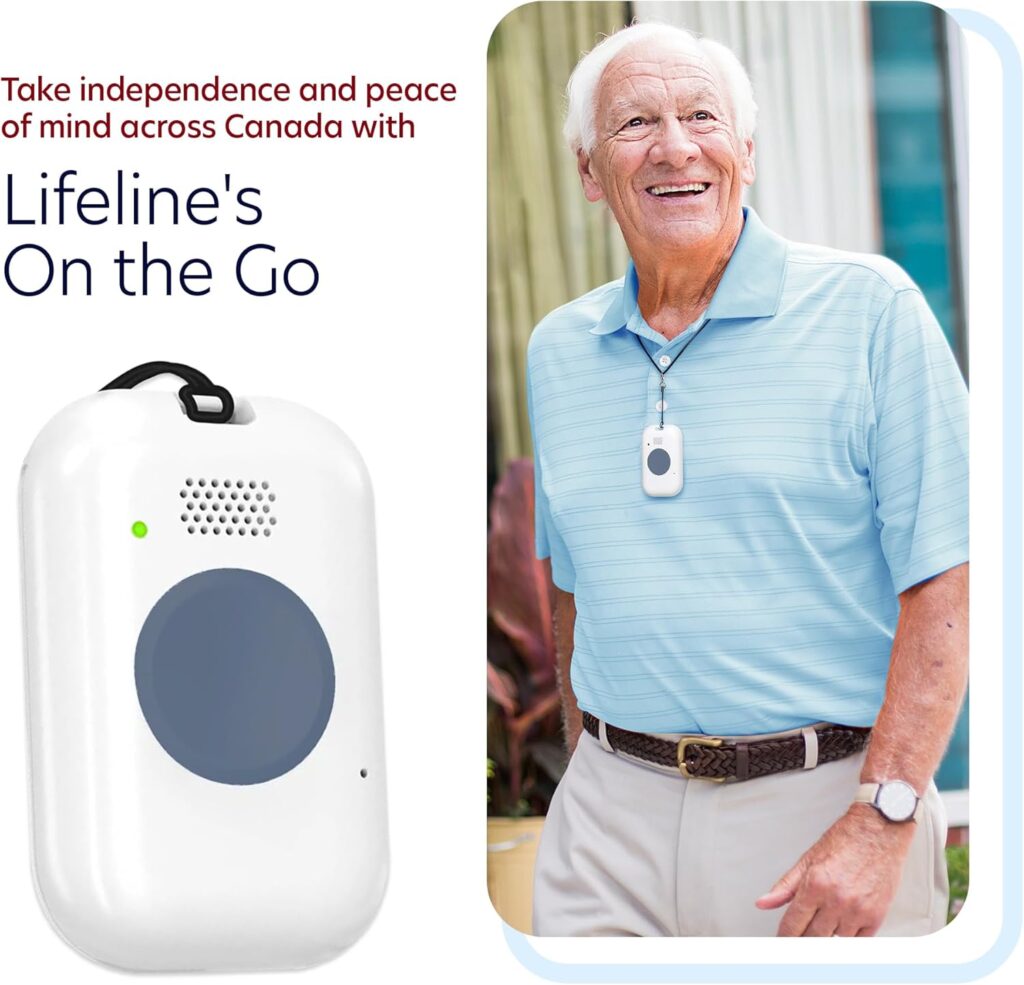
Why it stands out
This system feels more like a traditional medical alert service, which may appeal to families who want a more established emergency-monitoring model.
Key strengths
- automatic fall detection
- direct connection to monitoring staff
- GPS location support
- medical-alert style reliability
Best for
Seniors and families who want a more traditional monitored emergency response setup.
👉 Explore monitoring service options
NOMO Smart Care Medical Alert System – Best for In-Home Monitoring
The NOMO Smart Care system is different from the wearable devices above. It focuses on monitoring inside the home using smart sensors and alert patterns.

Why it stands out
This is better for home-based monitoring than for mobile outdoor protection.
Key strengths
- in-home monitoring support
- unusual activity pattern alerts
- emergency call button
- useful for families wanting home-based oversight
Best for
Seniors who spend most of their time at home and need extra in-home monitoring support.
👉 Explore monitoring features and system setup
Senior Protection Medical Alert Pendant X – Best for Simple Wearable Protection
This device is positioned as a lightweight wearable alert option with automatic fall detection and GPS support.
Why it stands out
It keeps the focus on the core functions many families want:
- fall detection
- wearable protection
- location support
- communication with responders
👉 View device details and monitoring options
Best for
Seniors who want a wearable pendant without needing a full smartwatch experience.
Senior Protection On-The-Go PRO Pendant – Best for GPS and Voice Communication
The On-The-Go PRO Pendant adds fall detection, GPS tracking, and two-way voice communication in a more mobile-focused pendant design.
Why it stands out
It is one of the better fits for seniors who still spend time outside the home and want both tracking and voice support in one wearable.
Best for
Seniors who want a stronger mobile alert pendant with location and voice capability.
👉 Check availability and monitoring details
Generic Medical Alert Smartwatch – Best Watch-Style Device
Some seniors dislike pendants and prefer a device that looks more like a normal watch. That is where a medical alert smartwatch can be appealing.
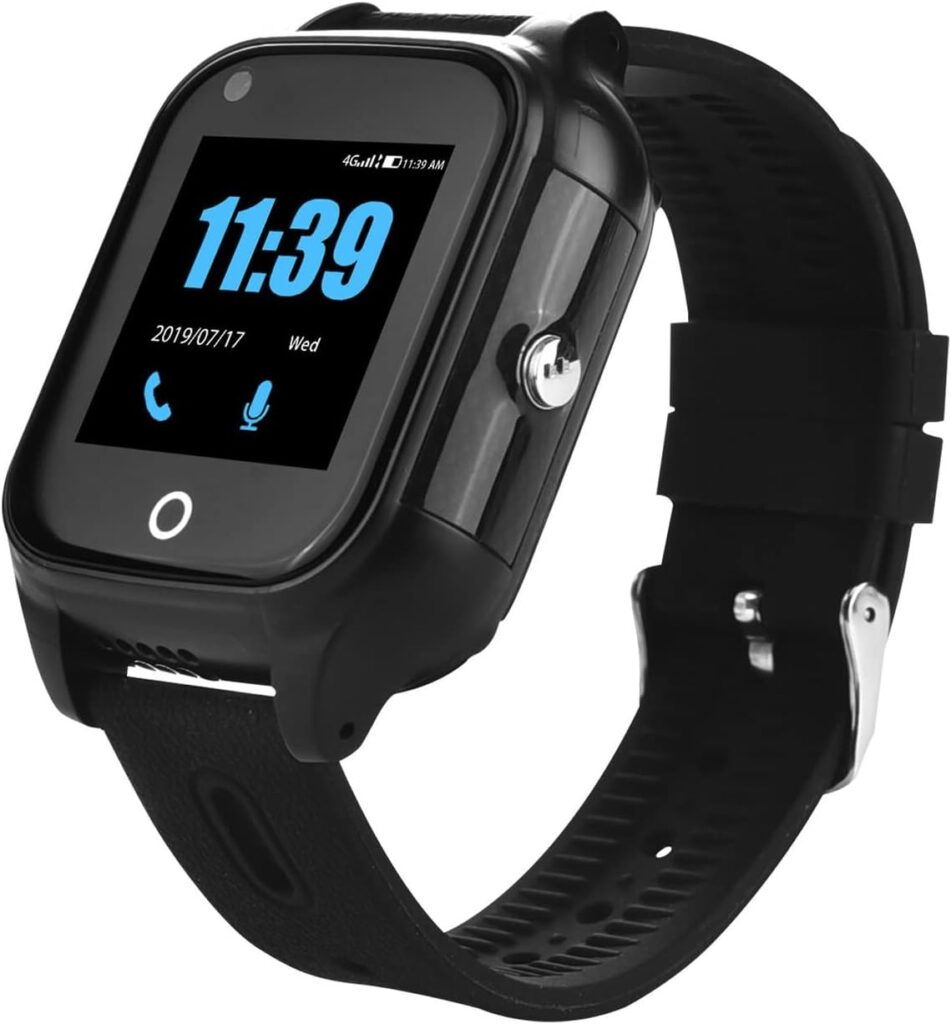
Why it stands out
The watch-style format may feel less medical and more familiar.
Key strengths
- watch-style design
- emergency call function
- built-in fall sensors
- wearable all day, including around water if rated appropriately
Best for
Seniors who prefer a watch over a pendant.
👉 Explore smartwatch alert features
Other Fall Prevention and Monitoring Devices to Know About
These devices are useful, but they are not the same as true wearable fall detection devices. They work better as supporting options for prevention, tracking, or in-home caregiver support.
PAJ Easy Finder 4G Personal GPS Tracker
This is better described as a location-monitoring device than a true fall detection system.
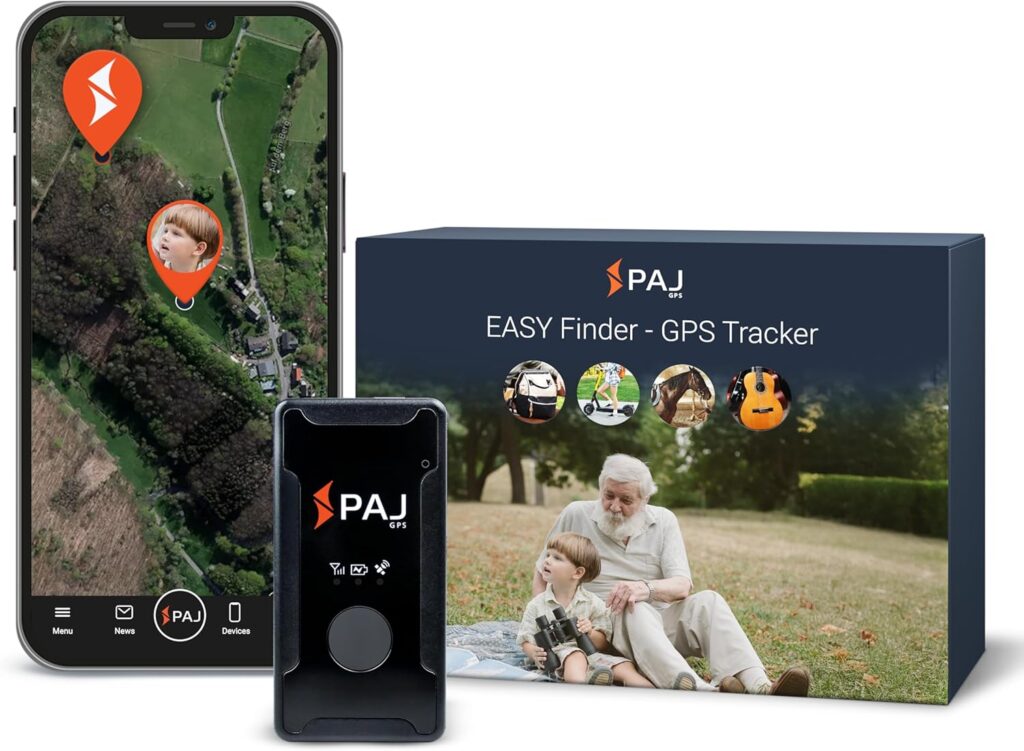
Best for:
- wandering risk
- dementia-related tracking concerns
- real-time caregiver location monitoring
👉 Check availability and real-time tracking features
Winnes Mini GPS Tracker
The Winnes Mini GPS Tracker is a lower-cost location tracker with app-based monitoring and an SOS alert button.
Best for:
- budget-minded families
- simple tracking needs
- location monitoring instead of automatic fall detection
👉 Check availability and tracking features
Lunderg Bed Alarm & Chair Alarm System
The Lunderg Bed and Chair Alarm is best viewed as a fall prevention tool, not a wearable fall detection system.
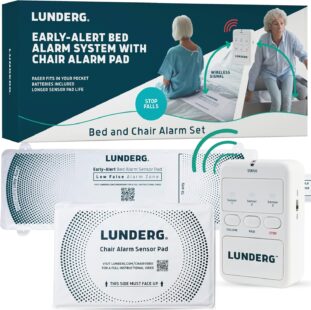
Best for:
- nighttime fall prevention
- dementia care
- caregivers who need alerts when a senior gets up unsafely
👉 View fall prevention system details
Which Fall Detection Device Is Right for You?
The right device depends on how the senior lives.
Best for seniors who stay mostly at home
- NOMO Smart Care
- Lunderg Bed and Chair Alarm
Best for seniors who go out regularly
- Bay Alarm Medical SOS Mobile GPS
- Lively Mobile2
- Lifeline On-The-Go
- Senior Protection On-The-Go PRO Pendant
Best for caregivers who mainly want location tracking
- PAJ Easy Finder
- Winnes Mini GPS Tracker
Best for seniors who want the simplest wearable option
- Lively Mobile2
- Senior Protection Pendant X
Fall Prevention Tips for Elderly Adults
Even the best fall detection devices work best when paired with simple fall prevention habits.
Creating a safe home environment is one of the most effective ways to reduce fall risk. Our guide to
👉 How to Set Up a Home for Aging in Place
explains simple safety improvements that can make daily living much safer.
Here are practical tips that significantly reduce fall risks:
- install smart safety devices like night lightsin hallways
- remove loose rugs and clutter
- wear supportive footwear indoors
- keep frequently used items within reach
- install grab bars in bathrooms
- use senior mobility aids
- stay active with balance exercises
- schedule regular vision checks
None of these eliminate every risk—but they dramatically reduce the likelihood of dangerous falls. Fall detection helps after a fall. Fall prevention helps reduce the chance of one happening in the first place.
For seniors looking for in-home alert devices to manage fall risks check the guide 👉 Best In-Home Fall Alert Devices for Seniors
For seniors who need additional mobility support, assistive devices such as wheelchairs or mobility scooters can significantly reduce fall risk. Our guide to
👉 Best Electric Wheelchairs for Seniors
explores reliable options designed to support safe movement and independence.
For seniors who remain active and travel frequently, lighter mobility equipment can also improve safety and comfort.
👉 Our guide to Ultra Lightweight Electric Wheelchairs for Seniors compares travel-friendly models designed for easier transport and everyday use.
Conclusion: Choosing the Right Fall Detection Device for Safer Independent Living
The best fall detection devices for seniors can make a real difference in confidence, independence, and response time during an emergency.
The best choice depends on the senior’s lifestyle:
- home-based monitoring
- wearable simplicity
- mobile GPS support
- professional monitoring
- caregiver tracking
For many seniors, a wearable mobile alert system like Lively Mobile2, Bay Alarm Medical SOS Mobile GPS, or Lifeline On-The-Go will be the strongest fit. For others, especially where home monitoring or prevention matters more, options like NOMO Smart Care or Lunderg Bed Alarm may be more useful.
The key is choosing a device that fits naturally into daily life and is actually likely to be used.
👉 Explore the recommended products above and choose the device that matches your lifestyle. Your independence matters—protect it with confidence.
FAQs for Fall Detection Devices for Seniors
What is the best fall detection device for seniors?
The best option depends on lifestyle, but strong choices include wearable mobile systems like Lively Mobile2, Bay Alarm Medical SOS Mobile GPS, and Lifeline On-The-Go.
How do fall detection devices work?
They use sensors, motion detection, and alert systems to recognize a fall and notify caregivers, monitoring staff, or emergency responders.
Do fall detection devices work without Wi-Fi?
Yes. Many wearable devices use cellular networks and GPS instead of relying on home Wi-Fi.
Are fall detection devices worth it?
For many seniors living alone, yes. They can reduce dangerous delays in getting help and support safer independent living.
What is the difference between a fall detection device and a fall prevention device?
A fall detection device helps after a fall happens. A fall prevention device, like a bed or chair alarm, helps warn caregivers before a risky fall occurs.