

Appetite changes in older adults are common. Learn why hunger shifts with age and discover practical, gentle tips to stay nourished and energized.
No one really warns you about this part of aging.
One day, food is one of life’s great pleasures. The next? You’re staring at a full plate thinking, “I should be hungry… but I’m just not.” Or maybe it’s the opposite—snacking more than usual, craving sweets, or feeling full after only a few bites.
If you’ve noticed appetite changes in older adults — in yourself or someone you care about — you’re not imagining things. Appetite changes in older adults are incredibly common, yet surprisingly misunderstood.
They’re not about willpower, laziness, or “being picky.” More often, they’re tied to age-related health changes, digestion, medications, hydration, and even emotions.
Over the years, I’ve watched this play out with family members, neighbors, and friends—some slowly losing interest in food, others eating out of boredom or stress without realizing it.
Once we understood why it was happening, managing it became far less frustrating. What I’ve learned is this: appetite changes aren’t a failure — they’re a signal.
This guide breaks it down gently and realistically, with 8 practical tips that actually help—no guilt, no extremes, just smart adjustments that support healthy aging.
Why Appetite Changes in Older Adults Happen
As we age, the body undergoes age-related health changes that quietly affect hunger cues, digestion, and even motivation to eat. This is part of the normal aging process, but that doesn’t mean it should be ignored.
Some appetite changes are subtle and temporary. Others stick around and can affect senior wellness, energy levels, and overall quality of life.
How Aging Affects Appetite and Hunger Signals
One of the biggest misconceptions is that appetite loss is “just part of getting old” and can’t be helped. That’s not true.
How aging affects appetite has a lot to do with physiology:
Slower Metabolism and Digestion
With age, metabolism naturally slows, and digestion becomes less efficient. This means food sits longer in the stomach, leading to early fullness. Many seniors feel “done” after just a few bites.
This shift in aging and the body often explains why large meals suddenly feel overwhelming.
Hormonal Changes and Appetite Regulation
Before jumping into solutions, it helps to understand what’s going on behind the scenes. With aging, the body changes how it processes hunger, fullness, and digestion. These age-related health changes affect nearly every system involved in eating.
Common contributors include:
- Slower digestion and delayed stomach emptying – The stomach produces less digestive acid, and food moves more slowly through the gut
- Changes in hunger hormones like ghrelin and leptin which regulate hunger and fullness — don’t fire as reliably with age. These hormonal appetite shifts can blunt hunger signals, trigger appetite at odd times, or cause fullness to kick in faster.
- Reduced sense of taste or smell
- Dental issues or difficulty chewing
- Chronic conditions affecting the digestive system
- Side effects from medications
- Emotional shifts, grief, stress, or loneliness
None of this means something is “wrong.” It simply means your body is asking for a different approach. In plain language? Your body’s hunger alarm doesn’t always ring when it should.
💡 Tip #1:
Instead of three large meals, aim for smaller, nutrient-dense meals spaced throughout the day. When every bite counts, quality matters more than quantity.
The Challenges of Appetite in the Elderly Aren’t Always Physical
Not all appetite changes start in the stomach. The challenges of appetite in the elderly often include emotional and social factors that are easy to overlook.Loss of routine after retirement is an example.
Changes in appetite are closely tied to aging and mental health. Depression, anxiety, grief, and loneliness can all suppress appetite — or push people toward emotional eating.
I’ve seen seniors skip meals or eat half as much simply because eating alone felt joyless due to a reduced motivation to cook. Food isn’t just fuel; it’s connection.
How to Boost Appetite in Elderly
💡 Tip #2:
Make food social again. Even a weekly lunch date, shared soup with a neighbor, or joining a community meal can dramatically improve appetite.
How to Manage Appetite Changes With Age Using Routine
Routine may sound boring—but it’s powerful. When meals happen at consistent times, your body learns to expect food — even when hunger cues are muted.
When appetite cues fade, structure steps in.
How to manage appetite changes with age often starts with:
- Eat by the clock, not just hunger
- Planning light meals even when hunger is low
- Pairing meals with habits (after a walk, with tea, during a show)
The body learns to expect food again.
💡 Tip #3 From experience:
Even a small breakfast—toast with nut butter or yogurt—can “wake up” appetite for the rest of the day.
How to Boost Appetite in the Elderly Without Forcing Food
Forcing meals rarely works. Encouraging appetite gently does.

If you’re looking for how to boost appetite in the elderly, focus on stimulation—not pressure.
Helpful strategies include:
- Light movement before meals
- Bright, colorful foods
- Warm meals instead of cold ones
- Aromatic herbs and spices
Taste buds dull with age, but flavor doesn’t have to disappear.
💡 Tip #4:
Some seniors find that a NUTRIBULLET Pro 900 Series Blender makes smoothies easier to tolerate than full meals—especially when chewing feels tiring.
The Role of Hydration in Appetite Regulation With Age
Here’s a tricky one.
Dehydration often masquerades as appetite loss.
The role of hydration in appetite regulation with age is significant because:
- Mild dehydration reduces hunger
- Drinking too much before meals causes early fullness
- Thirst cues weaken with age
💡 Tip #5
Sip fluids throughout the day, but avoid filling up right before meals. Herbal teas, broths, and water-rich foods all count.
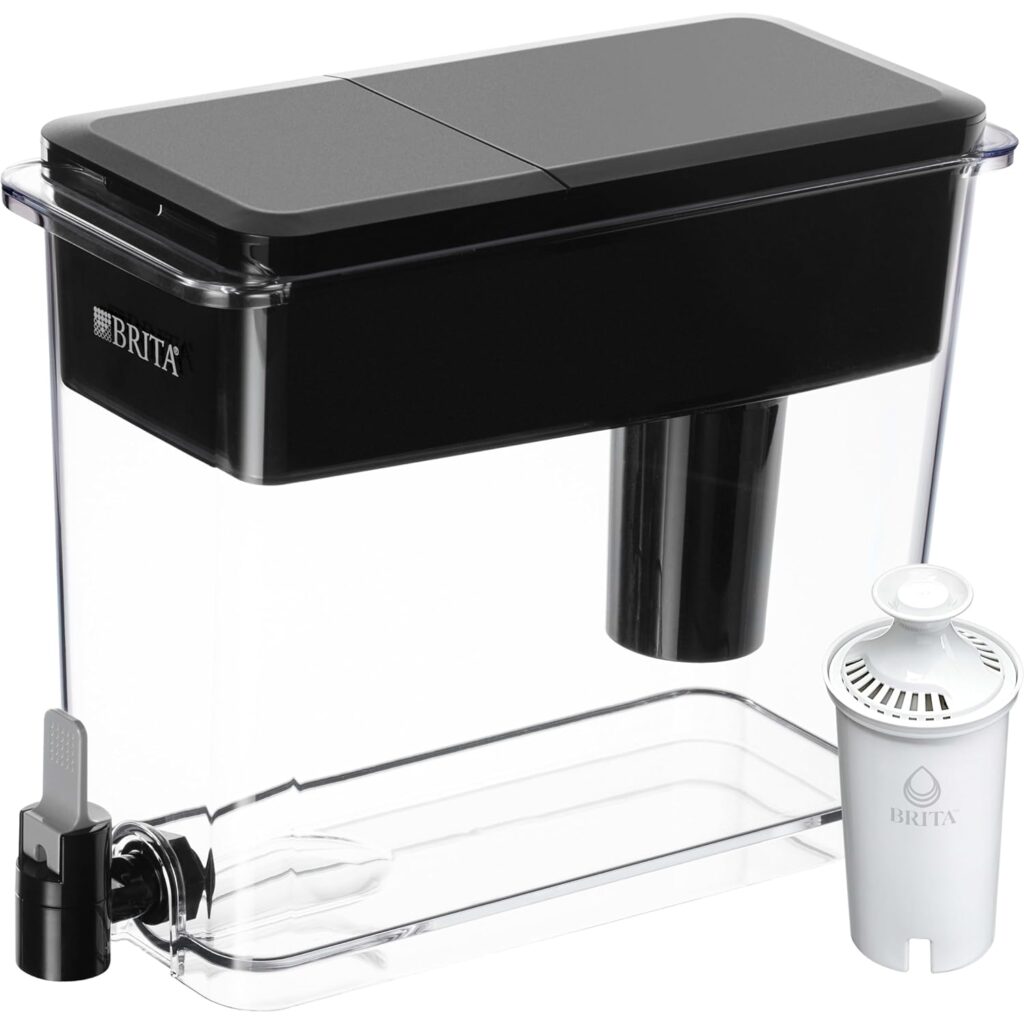
A BRITA Large Water Filter Dispenser can make staying hydrated easier—and tastier—especially for those sensitive to tap water flavor.
6. Digestive Changes Can Make Food Less Appealing
Slower digestion is a major reason appetite changes in older adults persist.
Common digestive complaints include:
- Bloating
- Constipation
- Indigestion
- Early fullness
These digestive system changes can make eating feel uncomfortable rather than enjoyable.
💡 Tip #6: What helps:
Gentle fiber, probiotics, and movement support gut comfort.
Many seniors benefit from Jamieson Probiotic 10 Billion CFU which supports gut health without being harsh.
Medications and Appetite Changes in Older Adults
Medication side effects are a huge, often overlooked factor.
Blood pressure meds, antidepressants, pain relievers, diabetes medications and antibiotics can all affect taste, cause nausea, or hunger.
💡 Tip #7: Practical step:
If appetite changed after starting a medication, ask your doctor or pharmacist—not Google—about alternatives or timing adjustments.
Keeping a simple food-and-medication log for a week often reveals patterns.
If appetite changes appear suddenly, a medication review with a doctor or pharmacist is always worth doing.
8. When Appetite Changes Signal Something More
While many changes are normal, some deserve attention.
💡 Tip #8: Practical step:
Seek professional guidance if appetite changes:
- Last longer than 2–3 weeks
- Cause unintentional weight loss
- Lead to fatigue or weakness
- Come with digestive pain or nausea
Early support protects senior wellness, muscle mass, and independence.
A registered dietitian familiar with senior nutrition can help personalize solutions without restrictive diets.
Summary – Proven Tips to Manage Appetite Changes With Age
These are strategies that actually work — not in theory, but in real life.
1. Eat Smaller Meals More Often
Large meals can feel intimidating when appetite is low. Instead, aim for 4–6 smaller meals or snacks throughout the day.
This approach supports healthy aging and reduces the pressure to “clean your plate.” A small bowl of oatmeal with nut butter mid-morning often works better than forcing breakfast.
2. Focus on Nutrient-Dense Foods When Appetite Is Low
When appetite drops, every bite matters. Prioritize foods rich in protein, healthy fats, and vitamins to support senior lifestyle health.
Good options include: eggs, Greek yoghurt, Avocado, smoothies with protein powder
- Eggs
- Greek yogurt
- Avocado
- Smoothies with protein powder
A helpful option many seniors tolerate well is Ensure Original Nutrition Shake (Amazon.ca), especially on low-appetite days.
3. Use Flavor to Combat Dull Taste Buds
Taste perception changes with age, making food seem bland. Herbs, spices, citrus, and vinegar can wake up the palate without excess salt.
This small tweak supports aging self-care and makes meals enjoyable again.
4. Stay Hydrated — But Time It Right
This role of hydration in appetite regulation with age is often overlooked.
Hydration plays a major role in appetite, but drinking too much right before meals can suppress hunger. A practical rule is to sip fluids between meals, not during.
For seniors who struggle with hydration, Hydrant Electrolyte Powder Packets can gently support fluid balance without heavy sugar.
5. Make Meals Social Again
Eating alone kills appetite faster than most people realize. Sharing meals improves intake, mood, and emotional health in seniors.
Senior centers, community lunches, or even regular phone calls during meals can help.
6. Address Digestive Discomfort Early
Digestive issues like bloating, constipation, or reflux can make eating unpleasant. Supporting digestion improves appetite naturally.
Many seniors find gentle relief with Culturelle Digestive Health Daily Probiotic , which supports digestive health in aging.
7. Gentle Movement Can Stimulate Appetite
Light activity improves circulation, mood, and hunger cues. A short walk before meals often helps appetite return.
This supports aging and mobility while boosting overall energy.
8. Use Supplements Thoughtfully (When Needed)
Certain deficiencies worsen appetite and fatigue. Common ones include:
- Vitamin B12
- Zinc
- Vitamin D
A senior-friendly option like Jamieson Vitamin B12 1000 mcg can support energy and appetite, but always check with a healthcare provider first.
Surprise! – Appetite Changes in Older Adults and Weight Concerns
Appetite changes can lead to unintended weight loss or gain.
- Weight loss increases risk of muscle loss and weakness
- Weight gain from emotional eating affects quality of life in aging
Balance, not perfection, is the goal.
When Appetite Changes Shouldn’t Be Ignored
Seek professional guidance if appetite changes:
- Last longer than two weeks
- Cause noticeable weight loss or gain
- Come with fatigue, weakness, or mood changes
These may signal underlying age-related health changes that deserve attention.
Helpful Products That Support Appetite and Nutrition
Used gently and appropriately, these resources can help:

- Ensure Original Nutrition Shake — easy calories and nutrients
- Hydrant Electrolyte Powder Packets— hydration support
- Culturelle Digestive Health Daily Probiotic — digestive comfort
- Jamieson Vitamin B12 1000 mcg — energy and appetite support
- Magic Bullet Mini Blender — perfect for quick smoothies
Each fits naturally into a senior-friendly routine without feeling overwhelming.
Conclusion: Eating Well Looks Different as We Age
Appetite changes in older adults aren’t a failure. They’re feedback.
The goal isn’t eating like you did at 30—it’s staying nourished, energized, and comfortable now.
With small adjustments, curiosity, and compassion, food can still be enjoyable—and supportive of long-term healthy aging.
If appetite has been a struggle, start with one tip. Then another. Progress beats perfection every time.
👉 If helpful tools make eating easier, explore the gentle product options mentioned above and choose what fits your lifestyle—not trends.
FAQs
What causes appetite changes in older adults?
Aging, medications, hormonal changes, emotional health, and medical conditions all contribute to appetite shifts.
How to boost appetite in elderly adults naturally?
Eat smaller meals, add flavor, stay active, and make meals social whenever possible.
Are appetite changes a normal part of aging?
Yes, but persistent changes should be discussed with a healthcare provider.
Can dehydration affect appetite in seniors?
Yes. Dehydration often suppresses hunger and worsens fatigue.
When should appetite changes be a concern?
If appetite changes last more than two weeks or cause weight or energy changes.