
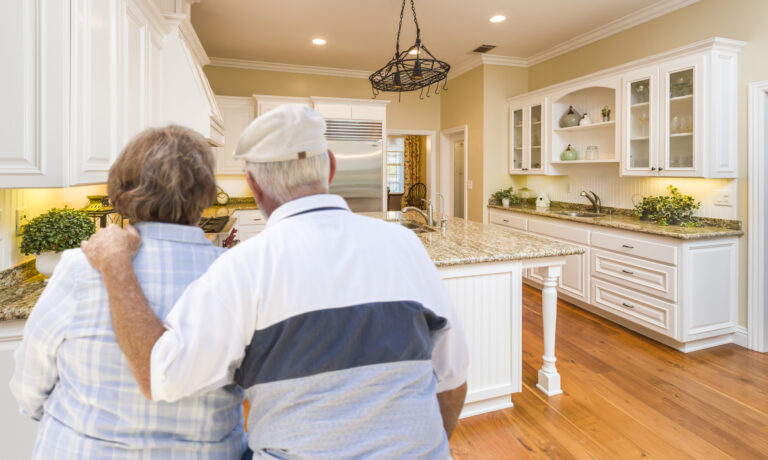
Discover 9 critical aging in place home modifications that prevent dangerous falls and help seniors stay safe and independent at home.
A few years ago, a friend of mine slipped in her bathroom at 6:30 in the morning. No rushing. No clutter. Just one wet tile and a moment of imbalance. The fall left her shaken — and it completely changed how she viewed her home.
Most seniors don’t fall because they are careless. They fall because homes built decades ago were never designed for aging bodies.
That’s why aging in place home modifications matter so much.
If you want to stay safely independent, small structural changes can prevent big consequences.
Let’s walk through the most critical upgrades.
What Is Aging in Place and Why Is It Important for Seniors?
Before discussing modifications, it helps to understand about aging in place and why it is important.
The benefits of aging safely at home means remaining in your own home safely and comfortably as you grow older — instead of relocating to assisted living or care facilities.
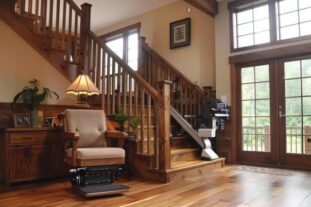
Understanding the Risks of Falls at Home
Falls are the leading cause of injury among seniors. Bathrooms, stairs, kitchens, and entryways are common risk zones.
Ignoring environmental hazards increases vulnerability.
Why Aging in Place Lifestyle Changes Matter More Than You Think
True safety isn’t only structural — it involves aging in place lifestyle changes such as improved lighting habits, removing clutter, and choosing appropriate footwear.
Home design and daily behavior work together.
Aging in Place Guidelines for Seniors to Improve Home Safety
Following clear aging in place guidelines for seniors creates structure instead of guesswork.
Aging safely at home is rarely about one dramatic renovation. It is about adopting structured, repeatable safety habits that support long-term independence.
Strong aging in place guidelines for seniors focus on three pillars:
- Environmental safety
- Physical capability
- Routine reassessment
When these three work together, fall risk drops significantly.
Environmental Zoning: Room-by-Room Risk Awareness
Instead of thinking “my house is safe,” break your home into zones:
- Bathroom
- Kitchen
- Stairways
- Bedroom
- Entryways
Each zone carries different risks. For example, bathrooms involve wet surfaces and tight movement space, while kitchens involve reaching, lifting, and turning quickly.
This zoning approach strengthens your overall home safety strategy for seniors without requiring expensive changes all at once.
How to Ensure Safety in Aging in Place Homes
Many seniors assume safety means installing grab bars — and stopping there.
But real safety includes:
- Clear walking pathways (minimum 36 inches wide)
- Contrasting stair edge strips for visual depth perception
- Lever-style door handles instead of round knobs
- Improved handrail grip texture
Another overlooked guideline? Keep frequently used items between shoulder and knee height. Overreaching is a major contributor to falls.
These small adjustments align with long-term fall prevention planning for seniors.
When to Conduct an Aging in Place Home Assessment Checklist
An aging in place home assessment checklist should not be a one-time event.
Consider conducting one:
- After any medication change
- After surgery or hospitalization
- If balance feels slightly “off”
- When vision changes
Mobility and balance often decline gradually. Because the change is subtle, seniors adapt slowly — without realizing that environmental hazards now pose greater risk.
A formal checklist helps catch these changes before they become dangerous.
You may also consider a professional home safety evaluation through an occupational therapist or certified aging-in-place specialist. They assess how you move — not just how your home looks
1. Bathroom Upgrades — Common Aging in Place Modifications for Bathrooms
Bathrooms account for a high percentage of home falls.
When people ask what are common aging in place modifications for bathrooms, the answer usually includes:
Grab Bars and Non-Slip Flooring
Install grab bars near toilets and showers — not towel racks pretending to be supports.
Non-slip mats or textured flooring reduce wet-surface risks.
Walk-In Showers and Raised Toilets
Step-over tubs increase fall risk. Walk-in showers with seating are safer.
Raised toilet seats reduce strain on knees and hips.
These are foundational bathroom safety upgrades for seniors.
2. Kitchen Changes — How to Make My Kitchen Safe for Aging in Place
The kitchen is active, busy, and full of potential hazards.
If you’re wondering how to make my kitchen safe for aging in place, consider:
Lowered Storage and Pull-Out Shelving
Climbing stools become dangerous with age and must be avoided at all cost!
Pull-out drawers as a safer option, because they eliminate deep bending and overreaching.
Improved Lighting and Anti-Slip Surfaces
Under-cabinet lighting reduces shadow areas.

Anti-slip mats near sinks and stoves improve traction.
Kitchen safety protects both mobility and independence.
3. Entryways and Exterior Modifications
Falls often happen before someone even enters the home.
Ramps and Handrails
Replace uneven steps with ramps when appropriate.
Install sturdy handrails on both sides of entry steps.
Motion-Sensor Lighting
Exterior motion lighting prevents missteps in dark driveways or walkways.
Outdoor safety is part of comprehensive aging in place home modifications.
4. Flooring and Trip Hazard Removal
Loose rugs are among the most overlooked hazards.
Removing Loose Rugs
Secure rugs with anti-slip backing — or remove them entirely.
Cluttered walkways also increase trip risks.
Threshold Adjustments
Raised thresholds between rooms create unexpected obstacles.
Level transitions improve stability.
These changes dramatically reduce indoor fall risks.
5. Staircase Safety Improvements
Stairs are one of the highest fall-risk zones.
Dual Railings
Install handrails on both sides for added support.
Stair Lifts When Necessary
When mobility declines significantly, stair lifts prevent accidents.
Investing in structural supports aligns with strong aging in place guidelines for seniors.
6. Bedroom Safety Modifications
Nighttime trips to the bathroom are common fall scenarios.
Bed Height Adjustments
Beds that are too low or too high increase strain.
Adjust for easy standing without excessive effort.
Night Lighting
Install soft pathway lights from bedroom to bathroom.
Proper illumination prevents disorientation and missteps.
7. Smart Technology for Fall Prevention
Modern safety solutions go beyond structural upgrades. Smart tools provide layered protection — especially when living alone.
Today’s smart home safety technology does not require complex technical knowledge. Many devices are plug-and-play.
Motion Lighting and Automated Pathways
Nighttime falls are common because vision is reduced and balance is less stable when waking.
Motion-activated lighting systems can:
- Illuminate hallways automatically
- Turn on bathroom lights softly
- Light staircases when movement is detected
This prevents sudden disorientation caused by switching from darkness to bright light.
For seniors who wake frequently during the night, this simple adjustment dramatically reduces fall risk.
Fall Detection Wearables and Emergency Alerts
Modern emergency pendants now include:
- Automatic fall detection sensors
- GPS tracking
- Two-way communication
- Direct emergency dispatch
These systems support seniors who want independence but understand the importance of rapid response.
Technology does not eliminate falls — but it reduces the consequences.
Smart Flooring and Pressure Sensors
Less common but growing in popularity are pressure-sensitive floor systems. These systems detect unusual inactivity patterns and alert caregivers if movement stops unexpectedly.
While not necessary for everyone, this level of aging in place technology support may benefit seniors with known balance issues or neurological conditions.
Voice-Controlled Assistance
Voice assistants can:
- Call emergency contacts
- Control lights
- Lock doors
- Adjust thermostats
- Set medication reminders
When mobility is reduced, eliminating the need to physically move across a room can prevent secondary falls.
Used properly, smart devices enhance — rather than complicate — independent living.
Technology as a Layer, Not a Replacement
It’s important to emphasize: technology complements structural modifications.
Grab bars, proper lighting, stable flooring, and clear pathways remain foundational. Technology acts as an additional safety net — not the first line of defense.
When structural safety and smart tools work together, your home becomes adaptive instead of hazardous
8. How to Modify My Home for Aging in Place Without Major Renovations
Many seniors hesitate because they fear major construction.
If you’re asking how to modify my home for aging in place affordably:
Low-Cost Safety Improvements
- Add grab bars
- Improve lighting
- Remove clutter
- Secure rugs
These changes are inexpensive but powerful.
When to Seek Professional Guidance
Occupational therapists and certified aging-in-place specialists provide tailored advice.
Large structural modifications benefit from professional input.
9. Regular Home Safety Reviews — Using an Aging in Place Home Assessment Checklist
Safety isn’t a one-time exercise.
Revisit your aging in place home assessment checklist annually.
Health changes, medication effects, and mobility shifts require adaptation.
Proactive reviews prevent reactive emergencies.
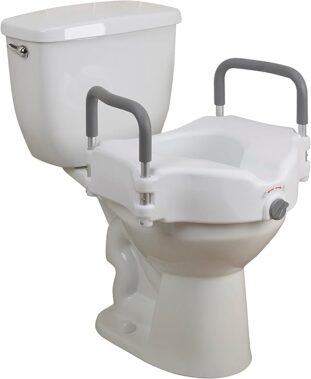
Final Thoughts on Aging in Place Home Modifications
Most falls are preventable.
The goal of aging in place home modifications is not to make your home look medical — but to make it quietly supportive.
A safe home extends independence. If staying at home matters to you, begin with one critical upgrade this month.
Start with one room. Then another. Progress builds confidence.
Small changes today prevent dangerous falls tomorrow.
Helpful Products Listed in this Article
- MOEN SecureMount Grab Bars – Reliable bathroom support
- DRIVE MEDICAL Raised Toilet Seat – Easier accessibility and transfers
- GRITIN 10.2inch Under Cabinet Lighting Rechargeable 2 pack – Extra lighting for kitchen, bathroom cupboards, bedroom closets
- GORILLA GRIP Non-Slip Rug Pads – Floor stability
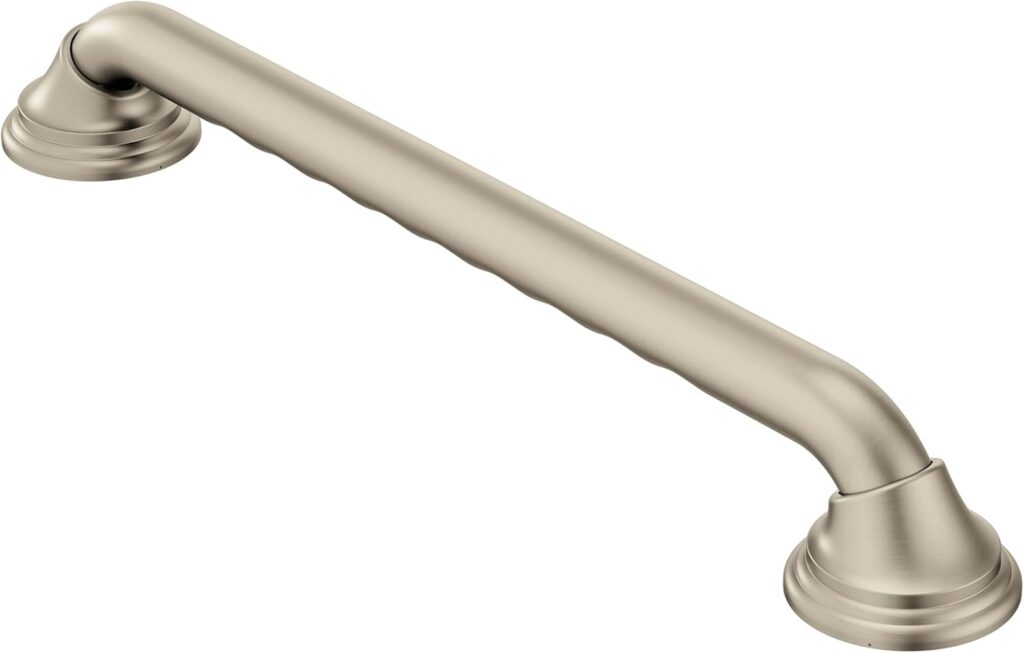
Always verify measurements and installation requirements.
FAQs
What are the most important safety upgrades to prevent falls at home?
The most important upgrades include grab bars in bathrooms, improved lighting, non-slip flooring, secure handrails on stairs, and removing loose rugs or cluttered walkways.
How do I ensure safety in aging in place homes?
Conduct a home safety assessment, improve lighting, remove trip hazards, install grab bars, and review modifications annually.
Why do fall risks increase as we age at home?
Fall risks increase due to reduced balance, slower reflexes, vision changes, medication side effects, and homes that were not originally designed for aging bodies.
How do I modify my home for aging in place on a budget?
Start with lighting improvements, remove loose rugs, add grab bars, and conduct a safety checklist before considering larger renovations.
References
- National Institute on Aging – Healthy Aging Tips for the Older Adults in Your Life https://www.nia.nih.gov/health/caregiving/healthy-aging-tips-older-adults-your-life
- Canadian Institute for Health information – Healthy aging: Safe and supportive care for older adults https://www.cihi.ca/en/taking-the-pulse-measuring-shared-priorities-for-canadian-health-care-2024/healthy-aging-safe-and-supportive-care-for-older-adults
- CDC – Older Adult Fall Prevention https://www.cdc.gov/falls/about/index.html