

Learn how to protect liver and kidney health with expert tips and lifestyle changes by knowing the early signs and symptoms of liver damage before it’s too late.
Your liver and kidneys work round the clock to keep you healthy, filtering out toxins, processing nutrients, and balancing fluids. But here’s the truth—by the time you notice something’s off, the damage might already be in full swing.
Liver and kidney health is easy to overlook, yet problems can sneak up like a thief in the night.
So, how do you know if your liver and kidneys are in trouble? The early signs and symptoms of liver damage aren’t always obvious, especially for seniors. But catching them early can be the difference between a quick fix and long-term health issues.
Let’s break it all down—what to watch for, what causes damage, and how to keep these vital organs in top shape.
What is the Connection Between Liver and Kidney Health?
The liver and kidneys are akin to the body’s detox dream team—they work together to filter out waste, regulate fluids, and keep everything running smoothly.
If one starts slacking, the other often has to pick up the slack, which can lead to serious health issues. Here’s how they’re connected:
Detoxification & Waste Removal – The liver processes toxins, drugs, and metabolic waste, then sends some of these byproducts to the kidneys to be excreted in urine.
If the liver struggles (due to disease, excessive alcohol, or poor diet), the kidneys get overloaded with toxins, increasing their workload.
Fluid & Electrolyte Balance – The kidneys help maintain the right balance of water, sodium, and other electrolytes. If the liver is damaged (like in cirrhosis), it can cause fluid retention.
This can lead to swelling (edema) and increased pressure on the kidneys. This can eventually contribute to kidney disease.
Blood Pressure Regulation – The liver and kidneys both influence blood pressure. A damaged liver can cause high blood pressure in the portal vein (portal hypertension), which can affect kidney function.
Meanwhile, kidney disease can cause systemic high blood pressure, further stressing the liver.
Protein & Nutrient Processing – The liver breaks down proteins and produces urea, which the kidneys filter out. If liver disease leads to a buildup of ammonia (a byproduct of protein metabolism), it can be toxic to the brain (hepatic encephalopathy) and put extra strain on the kidneys.
Liver-Kidney Disorders – Conditions like hepatorenal syndrome (HRS) highlight the connection. HRS is a severe complication of liver disease where the kidneys start failing because of reduced blood flow and toxin overload. It’s a sign that both organs are in distress.

How to Support Liver & Kidney Health:
- Stay hydrated to help the kidneys flush out waste.
- Eat a balanced diet rich in fiber, lean protein, and healthy fats.
- Limit alcohol and processed foods to reduce liver stress.
- Control blood pressure and blood sugar, as both affect kidney and liver function.
- Exercise regularly to support circulation and metabolic health.
Basically, what’s good for one is good for the other. Keeping both in check helps prevent major health issues down the road.
What Causes Liver and Kidney Damage?
Several culprits can wreak havoc on your liver and kidney health, and many of them are more common than you’d think:
- Poor diet – A diet high in processed foods, sugar, and unhealthy fats can lead to fatty liver and kidney health issues .
- Alcohol consumption – Your liver and kidneys struggle to process alcohol, and too much can lead to scarring (cirrhosis) or chronic kidney disease.
- Medications – Over-the-counter pain relievers like acetaminophen can be harsh on the liver and kidney function if taken in excess.
- Diabetes and high blood pressure – These conditions put extra strain on the liver and kidney health, increasing the risk of failure.
- Dehydration – Not drinking enough water can reduce kidney function, leading to toxin buildup.
Now, let’s dive into the telltale signs your liver and kidneys may be waving a red flag.
Early Signs and Symptoms of Liver Damage
Unexplained Fatigue
Feeling exhausted even after a full night’s sleep? Your liver and kidney function might be slowing down, making it harder for your body to filter toxins and keep energy levels up.
Yellowing of Skin and Eyes (Jaundice)
A yellow tint in the eyes or skin means your liver isn’t processing bilirubin properly—often a sign of chronic liver disease.
Dark Urine and Pale Stools
Urine that’s dark brown or tea-colored could indicate liver disease prevention issues. Pale or clay-colored stools might mean bile isn’t reaching the digestive tract properly.
Swelling in Legs, Ankles, or Abdomen
When the liver and kidneys struggle to regulate fluids, swelling (edema) occurs, especially in the lower body.
If your belly suddenly looks bloated, it might not just be last night’s pizza—it could be liver and kidney inflammation.
Persistent Itching
Your liver helps remove toxins, but when it’s struggling, bile salts can build up under the skin, causing relentless itching.
Nausea and Loss of Appetite
A sluggish liver can make digestion difficult, leading to nausea, bloating, and appetite loss. If food suddenly seems unappealing, it might not just be picky eating.
Easy Bruising and Bleeding
If you’re noticing more bruises than usual, your liver might not be producing enough proteins to help with blood clotting.
How to Support Liver and Kidney Health
Now for the good news: You can protect your liver and kidneys with a few simple lifestyle tweaks. Here’s how:
Stay Hydrated
Water is your kidney function’s best friend. Aim for at least 8 cups daily to help flush toxins.
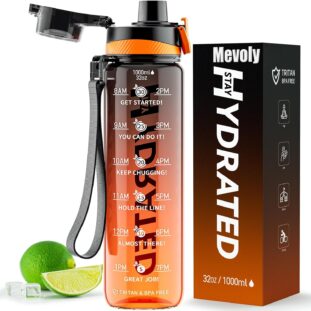
Add liver and kidney detox drinks like lemon water or herbal teas for an extra boost. Getting a motivational watter bottle does wonders for committment!
Eat a Liver and Kidney-Friendly Diet
- Load up on best foods for liver and kidney health like leafy greens, berries, and fatty fish.
- Cut back on processed foods, excess sugar, and alcohol.
- Try herbs for liver and kidney health like milk thistle and dandelion root. Go easy on these to begin with, as some people find these herbal teas harsh on their digestive system. I can testify to this uncomfortable experience with dandelion root tea the first time I took it!
Monitor Medications
Check with your doctor before taking medications that affect liver and kidney function, especially painkillers like ibuprofen or acetaminophen.
Manage Blood Pressure and Blood Sugar
Since diabetes and liver and kidney health are closely linked, keep your blood sugar in check. Exercise regularly, cut down on carbs, and monitor your numbers.
Get Regular Checkups
Your doctor can run tests to detect early liver and kidney damage before symptoms even appear. Don’t wait until you feel sick!
Conclusion – Liver and Kidney Health
Your liver and kidneys might not get as much attention as your heart or brain, but trust me—they’re just as important. The early signs and symptoms of liver damage can be subtle, but catching them early could save your health.
Staying hydrated is an absolute necessity! Make a committment to improvement today! Get a motivational water bottle to drive your commitment!
There are many brands to choose from – with beautiful colors to choose from! Eat right, monitor your medications, and don’t skip those checkups. Your liver and kidney health depends on it!
Got questions or concerns? Talk to your doctor. Better be safe than sorry!
Related Articles
FAQs
What are the first signs of liver damage?
The early signs and symptoms of liver damage include fatigue, yellowing skin or eyes (jaundice), dark urine, swelling in the legs or abdomen, nausea, and persistent itching.
Can liver damage be reversed?
In many cases, yes! Early-stage liver and kidney health issues can improve with diet, hydration, exercise, and eliminating harmful substances like alcohol.
What foods are best for liver and kidney health?
Leafy greens, berries, fatty fish, nuts, whole grains, and herbs like milk thistle support liver and kidney function. Avoid processed foods and excessive sugar.
Does drinking water help liver and kidney health?
Absolutely! Staying hydrated flushes toxins and supports kidney function, making it easier for the liver and kidneys to do their job.
How do I know if my liver or kidneys are failing?
Symptoms like extreme fatigue, confusion, severe swelling, difficulty urinating, and persistent nausea could signal severe liver and kidney failure symptoms. Seek medical attention immediately.