

Heading to the doctor soon? This complete doctor visit checklist helps seniors avoid common pitfalls, ask the right questions, and get the most out of each appointment. Learn what to bring, say, and do!
Ever walked out of a doctor’s office thinking, “Darn, I forgot to ask about that weird pain in my knee”? Or maybe you left without understanding half of what the doctor said. Been there, done that. And let me tell you—it’s not just frustrating, it’s risky.
As you age, health appointments become more than just routine—they’re our lifeline. A solid doctor visit checklist isn’t about being overly organized; it’s about being your own best advocate.
I learned this the hard way after a rushed visit left my medication list in the glove compartment… not much help there!
So if you’re ready to avoid those common goofs and get serious about making the most of your time with the doc, keep reading.
Mistake 1: Not Getting Organized Before You Go
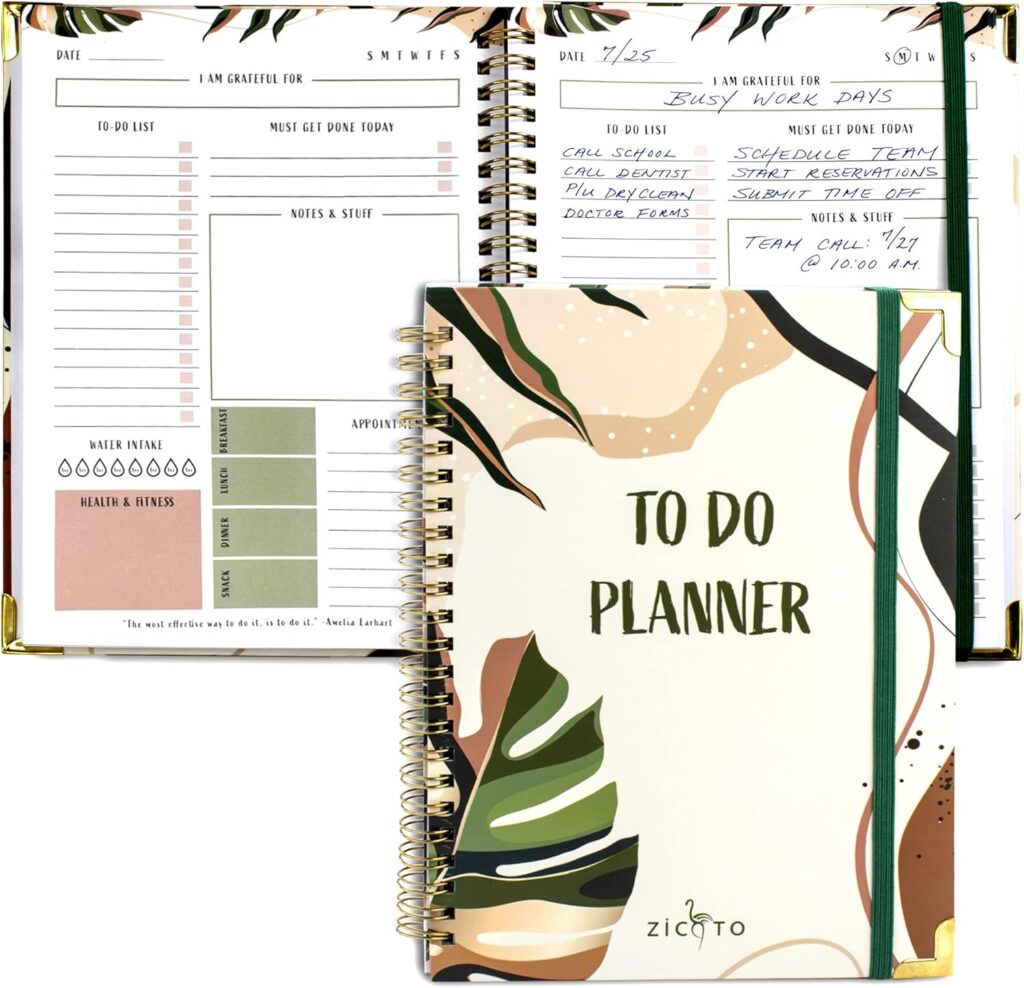
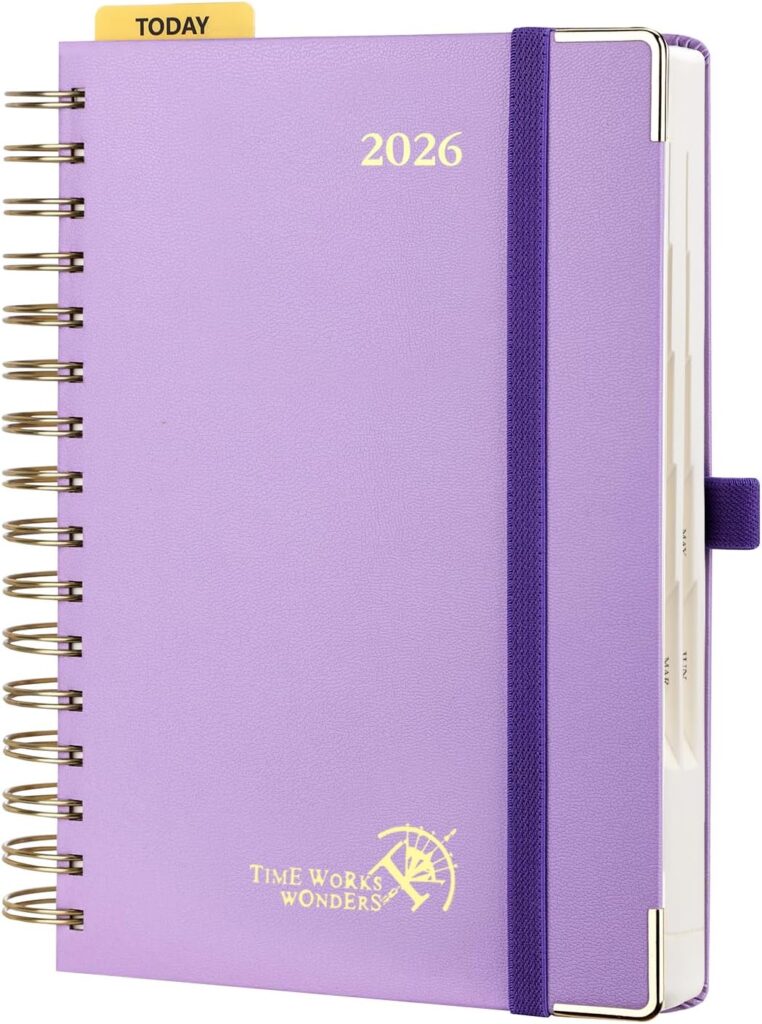
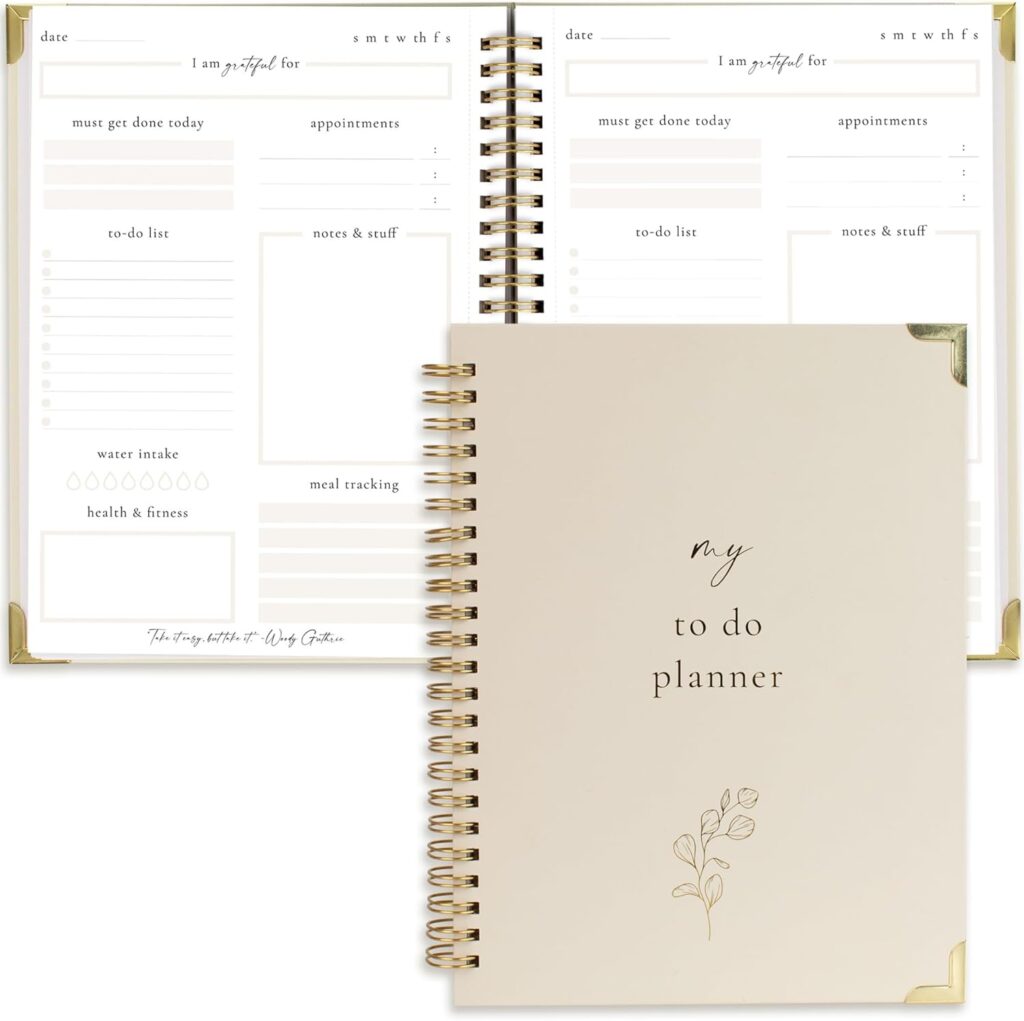
First things first, prep starts before you set foot in the waiting room. This begins with getting yourself a good daily planner you will use as your health planner. This is a planner you take with you to your doctor appointments. In here you document the following:

- your review of this checklist
- any concerns you note since your last doctor visit
- appointment dates for followups, blood work, bone scans, etc.
- referral dates
- any other important information
Choose a planner, preferably for 365 days, that is uplifting and not boring black. I found this important because it makes it easier to document in.
Don’t just opt for your corporate style planner – choose one that doesn’t make your heart lead a marching band in fear of your upcoming visit to the doctor.
Check out the samples in this article.
Create a Personal Health Summary
Write out a personal health summary. Include your current conditions, allergies, past surgeries, and family medical history.
Trust me, trying to recall that gallbladder removal from 1982 on the spot? Not fun.
- Make a list of all current meds—name, dosage, when you take them. This medication list for doctor visits can be a real time-saver.
- Highlight any chronic condition checklist items you’re monitoring—like blood sugar, joint pain, or high blood pressure.
Prepare a List of Concerns
We all get the “everything’s fine” syndrome when put on the spot. Don’t wing it—bring a medical concerns list. Even jot down those tiny annoyances (weird rashes included). You never know what’s worth mentioning.
Pack the Essentials
Before heading out, use this bring to doctor visit mini-checklist:
- Insurance cards
- ID
- Glasses or hearing aids
- Any test results from another clinic
- Your health info organizer
Mistake 2: Not Asking the Right Questions
No need to be shy. You’ve earned the right to understand every detail about your health.
Use a Questions List
A doctor questions list is your secret weapon. Some to consider:
- What are the side effects of this medication?
- Are there lifestyle changes that could help me feel better?
- Should I get any screenings based on my age?
Don’t forget the “what ifs”—they’re often the most revealing.
Use the Time Wisely
Doctors are busy. It helps to prioritize your top 2-3 concerns first. This pre-appointment questions tactic ensures you don’t leave with regrets.
Pro tip: Write down their answers or bring a buddy to do it for you.
Mistake 3: Not Knowing What to Expect During the Visit
Depending on your age and health, your routine visit checklist might look different from someone else’s.
Physical Exam Basics
Standard vitals? Check. But for seniors, a good physical exam checklist includes:
- Blood pressure and heart rate
- Vision and hearing checks
- Balance and mobility assessment (great for preventing falls!)
Mental & Emotional Health
More doctors are adding mental wellness to their annual checkup checklist. Questions about memory, mood, or even social connections might pop up—answer honestly.
Talk About Tests
Whether it’s bloodwork, bone density scans, or cancer screenings—ask, “Do I really need this?” Not all tests are necessary for everyone.
Mistake 4: Not Preparing for Special Situations: New Doctor Visit Checklist
Visiting a New Doctor
A new doctor visit checklist is super handy. Bring your full medical history form (provided by the doctor’s office) and be ready to chat a bit longer.
Also, ask how the office handles follow-ups or urgent needs—communication is key!
Seeing a Specialist
If you’ve got a referral, tailor your questions for specialist accordingly. Be specific: “What are my treatment options?” or “Is this reversible?”
Specialists can get technical, so don’t hesitate to ask for plain English explanations.
Mistake 5: Not Following Through After the Appointment
Review Your Notes
When you get home, go over any instructions. If something sounds off, call the office—don’t guess.
Update your healthcare visit guide with new diagnoses, meds, or follow-up dates.
Schedule What’s Next
Put follow-ups on your calendar right away, whether it’s a primary care visit tip or a referral. Also, set reminders for any tests you agreed to.
If something wasn’t clear, use that health appointment planner to draft new questions.
Tips for Seniors and Caregivers
Bring a Companion
Having a second set of ears helps. Whether it’s your daughter, neighbor, or friend, they can take notes and help you feel more relaxed.
Use Technology
Apps can store your health info organizer and even send appointment reminders. Some let you track blood pressure or glucose levels too.
Know Your Rights
You have the right to understand your care and say no to treatments. Never feel pressured.
Conclusion – Doctor Visit Checklist Mistakes to Avoid
Whew, that’s a lot, right? But here’s the deal—staying on top of your health isn’t just about showing up.
It’s about showing up prepared. A thoughtful doctor visit checklist gives you clarity, confidence, and control.
So next time you slide into that exam room, you won’t be wondering what you forgot. You’ll walk in with purpose—and walk out empowered.
Don’t leave your health to chance. Own it. Get a Planner!
Related Articles
- 10 Natural Remedies for Chronic Back Pain
- 11 Heart Health Tips for Seniors – How to Take Care of Your Heart
FAQs for a Doctor Visit Checklist
What should I include in a doctor visit checklist?
Your checklist should include a list of medications, current symptoms, past medical history, allergies, questions for your doctor, and essentials like insurance cards and ID.
How do I prepare with a new doctor visit checklist for a new doctor?
Bring a full medical history, a medication list for doctor, and a list of immediate concerns. Be ready to discuss your health concerns openly.
What should seniors ask their doctor during checkups?
Questions about medications, preventive screenings, fall risks, memory, and chronic conditions are especially important. Use a doctor visit checklist to generate your questions.
Can I bring someone to my appointment?
Absolutely. Having a companion helps you remember key points and feel more supported.
What if I forget to ask something?
Call the doctor’s office afterward or use your health appointment planner to note it for your next visit.