

Want to eat smarter and feel better? Discover how to read food labels effectively like a pro with simple, experience-based tips that make decoding tricky packaging a breeze—especially for seniors.
I’ll never forget the first time I squinted at a nutrition facts label on a box of granola, thinking, “Wait… there’s how much sugar in this thing?” It was one of those aha moments where I realized that just because something looks healthy doesn’t mean it actually is.
And let’s be honest—those food labels can feel like they’re written in some secret code. Especially as you age and start focusing more on things like low sodium label meaning or what daily value percentages really mean.
If you’ve ever stood in the grocery aisle holding a can of soup at arm’s length trying to figure out what’s really inside, you’re not alone.
This guide is for folks like us—people who want to eat smarter, live better, and not get duped by fancy packaging and misleading health claims on packaging. So let’s walk through how to read food labels right—without needing a magnifying glass or a science degree!
Why Learning How to Read Food Labels Effectively Matters
When I hit my late 60s, I started noticing subtle shifts in my energy, my digestion, and honestly, my waistline. It wasn’t about dieting—it was about feeling good in my body. And that’s where decoding food packaging became a real game-changer.
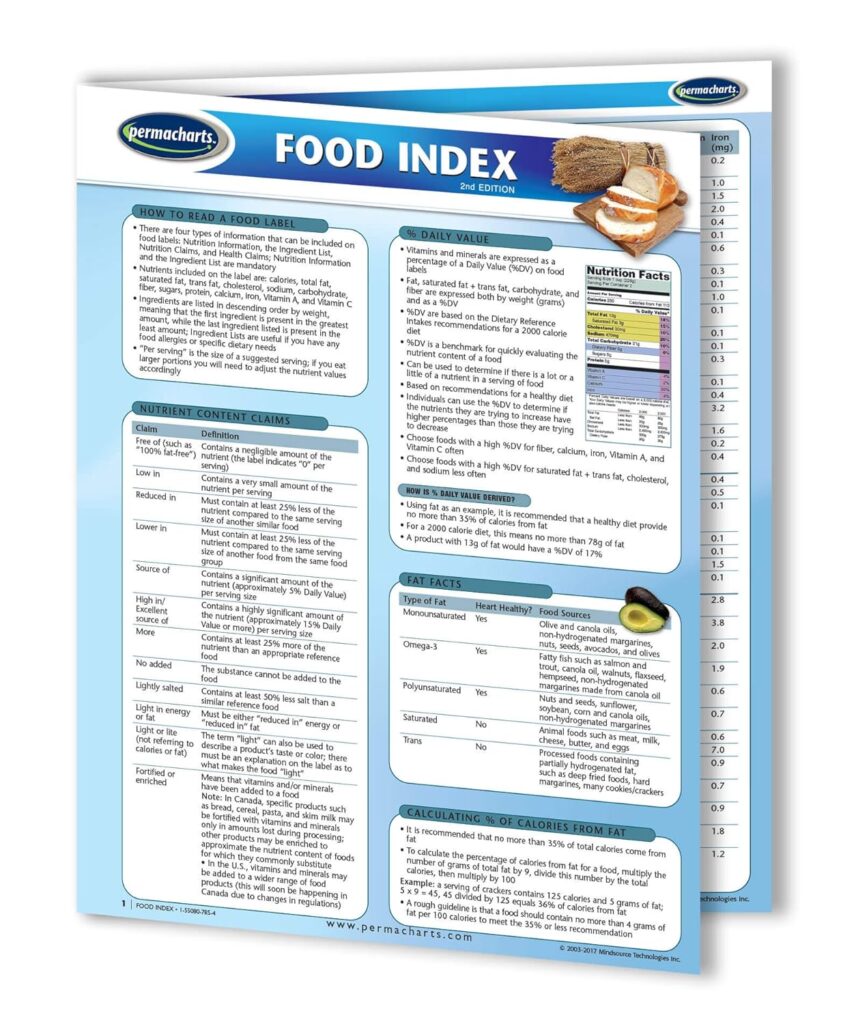
The thing is, food labels aren’t just there for decoration. They’re little cheat sheets that can tell us:
- If we’re eating too much added sugar
- Whether that “healthy” snack is secretly packed with trans fat
- How much fiber or protein we’re actually getting
- Whether the product fits a clean eating labels lifestyle
By learning how to read food labels effectively, you can identify nutritional content, such as calories, fats, sugars, and sodium, which are especially important for maintaining a balanced diet.
This knowledge empowers you to avoid harmful ingredients, manage allergies, and make healthier choices, ultimately reducing the risk of chronic diseases like obesity and heart disease.
Start With the Serving Size (Often Misleading)
Here’s something I learned the hard way: just because it looks like one serving doesn’t mean it is. That tiny frozen meal you grabbed? It might be two servings… which means double the calories, fat, sodium, and carbs.
When it comes to nutrition labels, starting with the serving size is essential because it can often be misleading. Very much so! Many people assume that an entire package is one serving, but this is rarely the case.
The serving size determines the calorie and nutritional values you consume, which can significantly impact your dietary goals.
For example, a small bag of chips may list a serving size as half the bag, doubling the calories and fat if you consume it all. Paying attention to this ever so minute detail allows for more informed and healthier eating decisions.
Pro tip: Always start at the top where serving size is explained.
Ask yourself:
- How many servings are in the whole package?
- How big is one serving?
- Is this portion size reasonable for you?
Because let’s face it—who eats just half a muffin?
How to Identify Added Sugars on Food Labels
Don’t be fooled by sneaky sugars. Sugar… it’s hiding in everything from salad dressing to soup!
Look for “Total Sugars,” which includes both natural and added sugars. Pay particular attention to “Added Sugars,” as high levels can contribute to various health issues.
Comparing products with the same serving size can reveal hidden sugars. In addition, scan the ingredients list for terms like corn syrup and fructose, which often indicate added sugars.
But the food industry gets more and more creative to get you to let your guard down. You’ll see ingredients like maltodextrin, evaporated cane juice, or even fruit juice concentrate. Sounds harmless, right? But it all adds up to sugar, sugar, sugar!
Take a peek at the sugar content in food and pay attention to added sugars, not just total sugars. Added sugars are what you want to limit.
Pro tip: If sugar or any of its aliases are in the first three ingredients, it’s probably not a healthy pick—no matter what the front of the package claims.
Why Does the Order of Ingredients Matter on Food Labels: Spot Hidden Sugars and Additives
If you want to know what’s really in your food, skip the flashy front and flip to the ingredients list.
Manufacturers often disguise sugars under unfamiliar names, making it essential to scrutinize ingredient lists for terms like sucrose, maltose, or high-fructose corn syrup.
These sweeteners, lurking in everything from bread to sauces, can contribute to excessive sugar intake without consumers’ awareness. By understanding these clever disguises, you can make more informed choices,
Here’s where you’ll uncover:
- Hidden food additives
- Processed food ingredients
- Things you can’t pronounce (a red flag!)
Keep an eye out for hidden ingredients like artificial dyes, preservatives, or flavor enhancers.
Pro tip: A good rule of thumb—if your grandkid can’t read it, maybe skip it.
Watch Out for Tricky “Health” Claims
“Low-fat,” “natural,” “whole grain,” “gluten-free”—these sound great, right? But don’t let them fool you. Just because something is labeled “natural” doesn’t mean it’s free of GMO food labeling or low in sugar or sodium.
That’s why it’s so important to check the label, not just the marketing fluff.
Pro tip: Food marketing tricks are designed to catch your eye and open your wallet, not necessarily keep you healthy.
What to Look for in Nutrition Facts Labels
Here’s where things get real. Let’s break it down:
Understand Calories Without Overwhelm
Navigating the world of calories doesn’t have to be overwhelming. By focusing on the balance between energy intake and expenditure, you can manage your diet without stress.
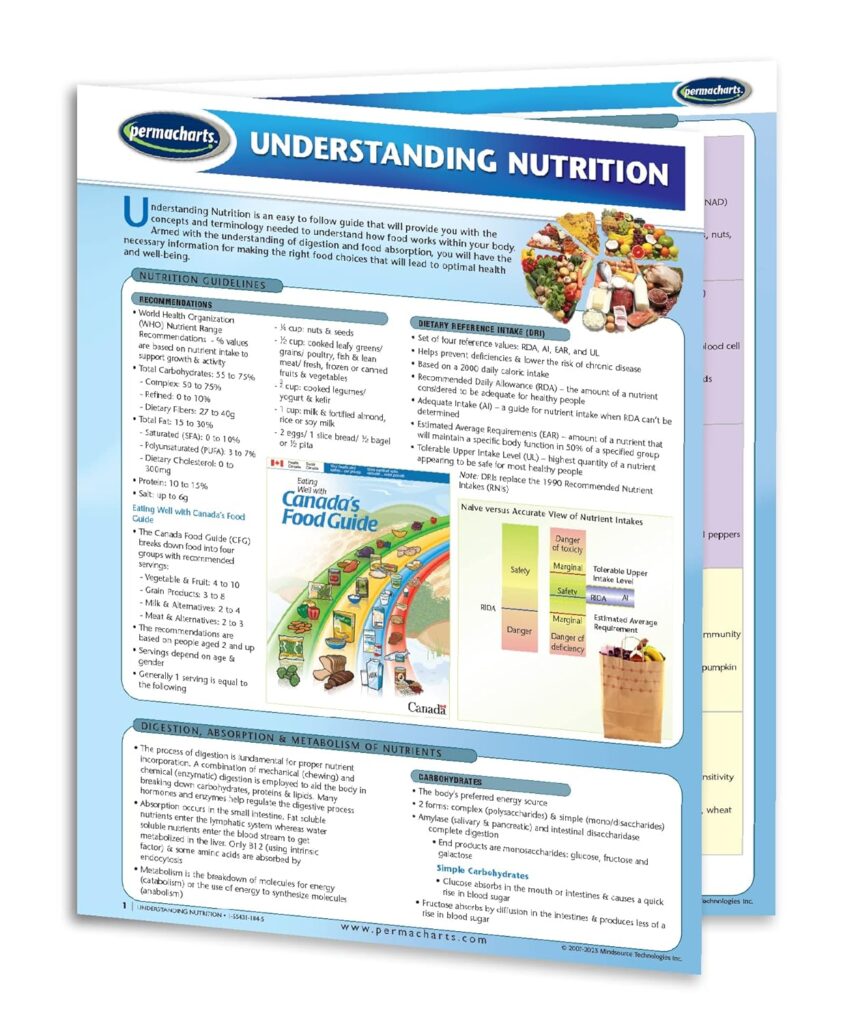
Instead of obsessing over every single calorie, aim for a well-rounded diet rich in nutrients. Incorporate whole foods like fruits, vegetables, and lean proteins to naturally regulate your calorie intake.
Remember, it’s the overall dietary pattern that counts. By cultivating healthy eating habits, you can achieve a sustainable lifestyle that prioritizes wellness over numbers.
- Look at calories per serving, not per package.
- Don’t forget to factor in how many servings you actually eat.
What to know about Fats on Food labels
Fats are categorized into unsaturated, saturated, and trans fats. Unsaturated fats, found in foods like avocados and nuts, are beneficial for heart health while saturated fats, often present in animal products, should be consumed in moderation to avoid health risks.
Trans fats, typically found in processed foods, are known to increase the risk of heart disease
- Aim to avoid trans fat label—even small amounts are harmful.
- Be mindful of saturated fat too, especially if you’re watching your heart health.
Sodium Levels: What’s Reasonable for Everyday Eating
Understanding sodium levels is helpful for maintaining a healthy diet and preventing health issues such as hypertension. For everyday eating, it is reasonable to aim for no more than 2,300 milligrams of sodium per day, which aligns with many health guidelines.
However, for individuals with specific health concerns, such as heart disease, a lower intake of about 1,500 milligrams is generally advised.
Incorporating more fresh vegetables, lean proteins, and whole grains while reducing processed foods can help manage sodium intake effectively
- A big one for seniors! That low sodium label meaning is worth gold.
- Look for foods with less than 140mg of sodium per serving.
Fiber, Protein, and Nutrients to Pay Attention To
Fiber aids digestion and maintains a healthy gut, playing a pivotal role in regulating blood sugar levels. Eating more fiber is believed to keep everything moving.
Protein, the building block of life, is essential for maintaining muscle mass, repair and growth, supporting overall body function. Look for foods with 5g or more per serving.
Essential nutrients such as vitamins and minerals, found in fruits, vegetables, and whole grains, bolster the immune system and enhance energy levels.
How to Compare Nutrition Labels Between Products
When comparing products, you must read food labels effectively to make informed choices. Start by examining the serving size, as this affects the nutritional data you see.
Pay attention to the calorie count and the percentage of daily value (%DV) for key nutrients such as sodium, fiber, and sugar. Look for products with lower saturated fats and trans fats to promote heart health.
Be wary of misleading claims like “natural” or “low-fat,” which might not always equate to healthier options. By focusing on these details, you can choose products that align with your dietary needs and health goals.
% Daily Value
Those daily value percentages? They’re based on a 2,000-calorie diet. Use them to get a sense of high or low:
- 5% or less = low
- 20% or more = high
Marketing Claims That Can Be Misleading
In the competitive world of advertising, truth in marketing is often overshadowed by enticing, yet misleading claims that can skew consumer perception.
Companies may use phrases like “clinically proven” or “all-natural” without substantial evidence, leaving buyers to assume benefits that may not exist. These tactics exploit the desire for quick solutions, often leading to disappointment when products fall short.
It is essential to approach such claims with skepticism, seeking out verifiable information and relying on trusted sources to ensure they make informed purchasing decisions.
Organic, Healthy, and Non-GMO: What These Labels Really Mean
These are worth looking into—but not always what they seem.
Deciphering food labels like organic, natural, and “healthy” can be challenging. The term organic indicates food grown without synthetic pesticides or fertilizers, adhering to strict government standards.
“Natural” suggests minimal processing, yet lacks rigorous regulation, often leading to ambiguity. Meanwhile, “healthy” often highlights low fat or sugar content but doesn’t guarantee overall nutritional value.
To make informed choices, you should look beyond these labels, examine the ingredients, and consider the food’s nutritional profile. Understanding these distinctions will empower you to select products that truly align with your dietary goals.
- “Organic” means the product meets certain farming standards, but it doesn’t mean it’s healthy.
- “Non-GMO” means no genetically modified organisms, but again—check the full label.
If you’re navigating the world of organic vs non-organic labels, remember: it’s a personal choice, not always a nutritional necessity.
A Word on Nutrition Facts Labels for Seniors
Reading labels can get harder with age. Sometimes the print is teeny-tiny, or your vision isn’t what it used to be. I started keeping a little magnifier in my purse for grocery trips—yes, really!
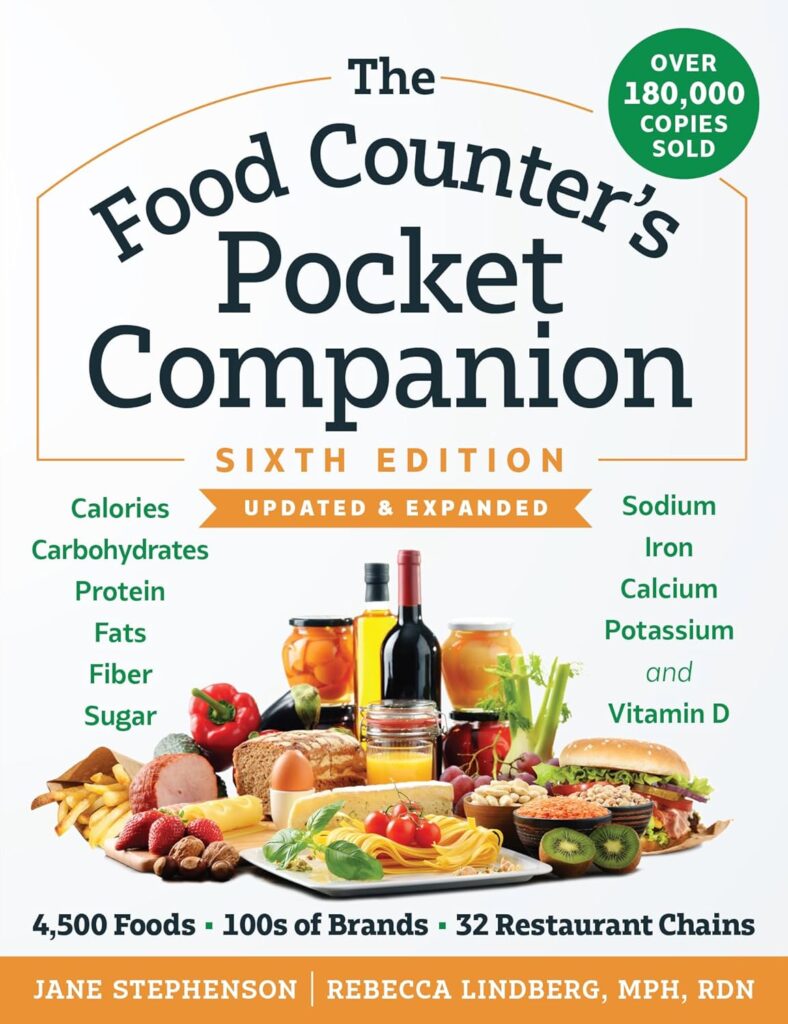
For us older folks, paying attention to reading nutritional labels helps manage chronic conditions like high blood pressure, diabetes, and high cholesterol.
And hey, it’s also a great excuse to slow down and be mindful of what we’re feeding our bodies.
Common Food Label Mistakes to Avoid
A common mistake is overlooking serving sizes; the nutritional information often pertains to a single serving, not the entire package.
This oversight can lead to underestimating calorie and nutrient intake. Furthermore, many might confuse “natural” with “organic,” assuming both mean the same when they don’t.
Understanding these distinctions will help you avoid misleading claims and ensure a healthier lifestyle. Always scrutinize labels to align with your nutritional goals.
14 Practical Tips on How to Read Food Labels for Healthy Eating
General Tips for How to Read Food Labels
- Read before you buy – Don’t wait till you’re home.
- Check Calories, Fat, Sodium, Fiber, Protein, %Daily Value
- Compare brands – Even two cans of the same soup can be wildly different in sodium or fat.
- Use a food label guide app if you’re feeling lost.
- Write down go-to healthy options so you don’t have to decode the same thing every week.
- Don’t trust the front – Flip that box over!
How to Read Food Labels Like a Pro
- Start with serving size explained
- Watch for added sugar and trans fat label
- Read the ingredients list meaning carefully
- Don’t be misled by health claims on packaging
- Use daily value percentages as a quick guide
- Choose foods with less sodium, more fiber and protein
- Be wary of processed food ingredients
- Embrace tools like a food label guide or magnifier if needed
Reading labels might feel like a pain at first, but once you get the hang of it, it becomes second nature. You’ll make better choices without even thinking.
Conclusion – How to Read Food Labels Effectively
If I could go back and teach my younger self one thing, it would be this: don’t trust the front of the package—flip it and read the back.
Understanding food labels will help you informed dietary decisions. These labels offer valuable insights into nutritional content, helping you choose healthier options. Always start by examining the serving size to accurately assess calorie and nutrient intake.
Look for low levels of saturated fat, sodium, and added sugars to support overall health. Pay attention to the percentage of daily values and aim to meet your nutritional needs without exceeding them.
By decoding food labels, you empower yourself to make smarter, more conscious choices that contribute to a balanced and nourishing diet
Learning how to read food labels like a pro isn’t about perfection. It’s about empowerment. It’s about knowing what you’re putting in your body, choosing foods that make you feel your best, and not getting tricked by pretty packaging.
Related Articles
- 6 Types of Mood Boosting Foods to Transform Bad Days
- 10 Unexpected Aging Health Facts That Shock Seniors
- Appetite Changes in Older Adults
FAQs About How to Read Food Labels
What should I look for first when reading a food label?
Start with the serving size. It tells you how much of everything else you’re actually eating.
What are added sugars on food labels?
Added sugars are sugars added during processing. They don’t include naturally occurring sugars in fruits or milk.
How can I tell if a food is healthy from the label?
Look for high fiber, low sodium, minimal added sugars, and ingredients you recognize.
Is low-fat always better?
Not necessarily. Some low-fat foods are loaded with sugar or processed food ingredients to make up for taste.
What does % Daily Value mean?
It shows how much a nutrient in one serving contributes to your total daily diet. Use it to quickly judge if something’s high or low in nutrients.