
Discover the most important next steps after a high blood pressure diagnosis, including lifestyle changes, treatment options, monitoring tips, and FAQs to protect your long-term health.
Understanding What a High Blood Pressure Diagnosis Means
Receiving a diagnosis of high blood pressure can feel overwhelming, but it’s also a powerful opportunity to protect your future health.
High blood pressure, also known as hypertension, means the force of blood against your artery walls is consistently too high. Over time, this extra pressure strains your heart and blood vessels.
Blood pressure is measured using two numbers: systolic (top number) and diastolic (bottom number). A reading of 130/80 mmHg or higher is generally considered high.
Many people feel fine at first, which is why hypertension is often called a “silent condition.”
Next Steps After a High Blood Pressure Diagnosis
So now you’ve been diagnosed, so what?
Your very first step is to schedule a doctor’s appointment to have a discussion about your risks and to develop a plan to follow.
Doing nothing, just because you “feel fine” and a vague “I’ll begin to take things easy” is not a good option. More than ever, this is the time you need to learn all about heart health facts and why heart health is important for seniors

Why Immediate Action Matters for Your Health
Ignoring the next steps after a high blood pressure diagnosis can lead to serious complications.
Uncontrolled hypertension increases the risk of heart disease, stroke, kidney damage, and vision problems.
The good news? Early action can significantly lower these risks.
Taking control early helps prevent long-term damage and often reduces the need for stronger medications later. Small changes made today can deliver big health benefits over time.
Step 1: Confirm and Track Your Blood Pressure
After an initial diagnosis, it’s important to confirm your readings. Blood pressure can fluctuate due to stress, caffeine, or activity.

Home Blood Pressure Monitoring
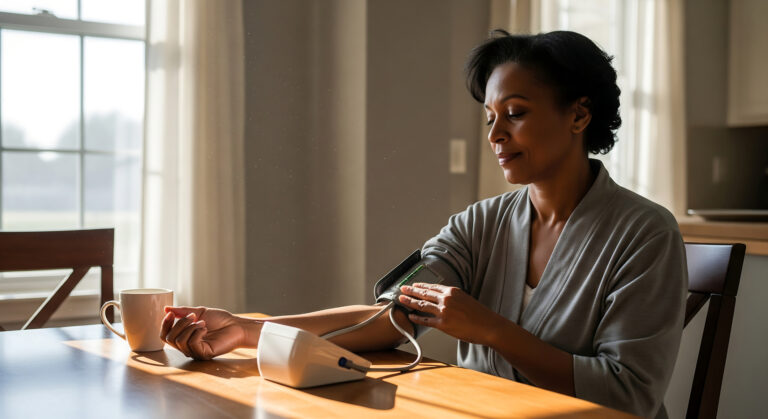
Using a validated home blood pressure monitor allows you and your doctor to see patterns over time. Purchase one immediately.
There are several to choose from across a spectrum of prices, but accuracy and reliability should be your watchword. The OMRON series are highly rated and are a good investment in your health.
The Iron, Bronze, Silver, and Platinum are 4 models worth checking out and they come in an affordable price range – low and medium..
Measure at the same time each day, sit calmly for five minutes, and keep a written or digital log – whichever suits your preference.
Many seniors use portable home blood pressure monitoring devices that store measurements and are very handy to take along to doctor appointments
Step 2: How to Manage High Blood Pressure – Work Closely With Your Healthcare Provider
Your doctor is your partner in managing hypertension. Expect discussions about your family history, lifestyle habits, and possible underlying conditions.
Questions You Should Ask
- What is my target blood pressure?
- Do I need medication right away?
- How often should I follow up?
- Are there any required dietary changes
Blood tests, urine tests, or heart evaluations may be recommended to check for organ stress.
Step 3: Adopt Heart-Healthy Lifestyle Changes
Lifestyle changes are often the most effective next steps after a high blood pressure diagnosis.

Improve Your Diet – Best Foods to Lower Blood Pressure
The DASH (Dietary Approaches to Stop Hypertension) eating plan emphasizes fruits, vegetables, whole grains, lean proteins, and low-fat dairy.
Reducing sodium intake to under 2,300 mg per day—or even 1,500 mg—can make a major difference. Processed foods should be eliminated, or at best consumed in minimal quantities as many are high in sodium or sugars
Physical Activity and Weight Management
Aim for at least 150 minutes of moderate exercise per week, such as brisk walking or cycling. Even modest weight loss can lower blood pressure readings.
Step 4: Manage Stress and Improve Sleep
Chronic stress and poor sleep can drive blood pressure higher. Techniques such as deep breathing, meditation, journaling, and setting healthy boundaries help calm your nervous system. Strive for 7–9 hours of quality sleep each night.


Step 5: Limit Alcohol, Quit Smoking, and Reduce Sodium
Alcohol raises blood pressure when consumed in excess, while smoking damages blood vessels instantly.
Cutting back—or quitting entirely—can improve blood pressure within weeks. Reading food labels and cooking at home helps control sodium intake.
Step 6: Understand Medications and Treatment Options
Some people need medication in addition to lifestyle changes. Common options include diuretics, ACE inhibitors, calcium channel blockers, and beta blockers.
Adherence and Side Effects
Taking medication exactly as prescribed is critical. If side effects occur, don’t stop suddenly—talk to your doctor about adjustments.
Step 7: Build Long-Term Habits and Support Systems
Managing blood pressure is a lifelong journey. Set realistic goals, celebrate small wins, and involve family or friends for accountability. Digital apps and support groups can also help you stay consistent.
Conclusion
Just because you’ve been diagnosed with high blood pressure does not mean that the world has come to an end.
That can only happen if you don’t follow the necessary next steps after a high blood pressure diagnosis. Consult your doctor and take control of your blood pressure – to enjoy many more years!
FAQs for Next Steps After a High Blood Pressure Diagnosis
Can high blood pressure go away completely?
In some cases, lifestyle changes can return blood pressure to normal ranges, especially when caught early.
Do I need medication forever?
Not always. Some people reduce or stop medication under medical supervision after sustained improvements.
How fast can blood pressure improve?
Improvements may be seen within weeks of lifestyle changes, though consistency is key.
Is high blood pressure genetic?
Genetics play a role, but lifestyle choices strongly influence outcomes.
Can stress alone cause hypertension?
Stress contributes, but it’s usually one factor among many.
Should I avoid exercise?
No—regular, moderate exercise is strongly recommended unless your doctor advises otherwise.
Conclusion: Take Control With Confidence
The next steps after a high blood pressure diagnosis don’t have to be frightening. With knowledge, support, and steady habits, you can successfully manage your blood pressure and protect your long-term health. Start small, stay consistent, and remember—you’re taking an important step toward a healthier future.