

Are your legs keeping you up at night? Nutritional deficiencies causing restless leg syndrome (RLS) can often play a significant role.
That twitchy, restless feeling can be incredibly frustrating. Let’s explore how tweaking your diet can help soothe those restless legs and get you back to a good night’s sleep. We’ll discuss key nutrients and foods that may help, as well as what to avoid.
Key Nutritional Deficiencies Causing Restless Leg Syndrome
Several vitamins and minerals are key for proper nerve and muscle function. When these are lacking, RLS symptoms can worsen. Here are a few key players:
- Iron: Helps carry oxygen in the blood.
- Magnesium: Relaxes muscles and nerves.
- Folate (Vitamin B9): Important for cell growth and function.
- Vitamin D: Supports nerve and muscle healt
These essential minerals and vitamins are all co-factors that can play a role in RLS. When you feel your RLS flaring up, it can be tough to pinpoint exactly what’s causing it. Do not be too quick to self-diagnose or start megadosing on supplements. First speak with your healthcare provider.
How Diet Affects Restless Leg Syndrome – It Matters More Than You Think
Your diet plays a central role in managing RLS symptoms. What you eat can either soothe or exacerbate your condition. By making informed choices, you can potentially alleviate discomfort and improve your quality of life.
Let’s explore how specific nutritional deficiencies can affect RLS symptoms and what you can do to address them through dietary modifications to improve your overall wellness.
Restless Leg Syndrome and Magnesium Deficiency
Magnesium plays a key role in muscle and nerve function. A deficiency can lead to muscle spasms and contribute to RLS. Magnesium helps relax muscles, potentially reducing the urge to move your legs.
Examples of magnesium-rich foods include:
- Leafy green vegetables (spinach, kale)
- Nuts and seeds (almonds, pumpkin seeds)
- Avocados
- Bananas
- Dark chocolate (in moderation!). They promote muscle relaxation.
Importance of Foods Rich in Iron for Restless Leg Syndrome
Iron deficiency is a common factor associated with RLS. Iron helps produce dopamine, a neurotransmitter involved in controlling movement. Foods rich in iron include:
- Lean meats
- Poultry
- Beans
- Fortified cereals.
While iron is important, high iron levels can be dangerous, especially in seniors. Excess iron can lead to organ damage and other health problems. Consult with a doctor before taking iron supplements. A balanced diet and regular blood tests can help maintain healthy iron levels and ensure optimal dopamine production.
Simple Methods to Identify Food Triggers for Restless Legs
Identifying your individual food triggers can be a game-changer in managing RLS. One effective method is keeping a food diary. Note everything you eat and drink, along with any RLS symptoms you experience.
Look for patterns over time. Another approach is trying an elimination diet, where you remove suspected trigger foods for a period and then reintroduce them one at a time to see if symptoms return. It’s important to make dietary changes gradually.
Tracking my food intake taught me that artificial sweeteners were a major cause of my increased symptoms. Be mindful and patient as you monitor changes and adjust your diet accordingly to achieve symptom relief.
By understanding the link between nutritional deficiencies and RLS, and by making informed dietary choices, you can take proactive steps towards managing your symptoms and improving your overall well-being. Remember to consult with a healthcare professional for personalized advice and guidance.
Foods That Soothe Restless Leg Syndrome
Incorporating these foods into your diet may provide some relief from RLS:
- Leafy Greens: Spinach, kale, and collard greens are rich in magnesium and folate.
- Nuts and Seeds: Almonds, pumpkin seeds, and cashews are good sources of magnesium.
- Legumes: Lentils, chickpeas, and beans are packed with iron and folate.
- Fatty Fish: Salmon and tuna provide vitamin D.
- Fortified Foods: Cereals and plant-based milks often contain added iron and vitamin D.
Remember, everyone’s body responds differently. What works for one person may not work for another. Pay attention to how your body feels after eating certain foods. A useful lesson learned here is to keep a food journal to track your symptoms and identify any potential triggers or beneficial foods. Iron rich foods are often a good place to start.

……………………………..
The good news! Certain foods can help alleviate RLS symptoms by addressing key nutritional deficiencies. Focus on incorporating these into your diet:
- Iron-Rich Foods: Leafy green vegetables (spinach, kale), lean meats (beef, poultry), beans, lentils, and fortified cereals are excellent sources of iron. Lesson Learned: Pair iron-rich foods with vitamin C (citrus fruits, strawberries) to enhance iron absorption – a tip I wish I knew sooner!
- Magnesium-Rich Foods: Nuts (almonds, cashews), seeds (pumpkin, sunflower), whole grains, and dark chocolate (yay!) are great choices. Lesson Learned: A handful of almonds before bed can make a noticeable difference.
- Folate-Rich Foods: Dark leafy greens, broccoli, avocados, citrus fruits, and beans are packed with folate.
- Vitamin D-Rich Foods: Fatty fish (salmon, tuna), egg yolks, and fortified dairy products can boost your vitamin D levels. Sunlight exposure (with appropriate precautions!) is also crucial, since it allows your body to make vitamin D.
Besides dietary changes, consider these helpful strategies:
Herbal Teas for Calming Restless Leg Syndrome
Certain herbal teas possess calming properties that can soothe RLS symptoms. Chamomile tea, known for its relaxing effects, can help ease muscle tension and promote sleep. Valerian root tea may also reduce nerve excitability. Peppermint tea can help alleviate muscle spasms and reduce discomfort. Lesson Learned: Always consult with your doctor or a qualified herbalist before using herbal remedies, especially if you are taking other medications.
Impact of Hydration on Restless Leg Syndrome
Dehydration can lead to muscle cramps and exacerbate RLS symptoms. Make sure you’re drinking enough water throughout the day. Aim for at least eight glasses of water daily. Consider adding electrolytes to your water, especially after exercise or during hot weather, as electrolyte imbalances can contribute to muscle issues.
- Regular Exercise: Gentle exercises like walking, stretching, and yoga can improve circulation and reduce RLS symptoms. Lesson Learned: A short walk in the evening works wonders for me.
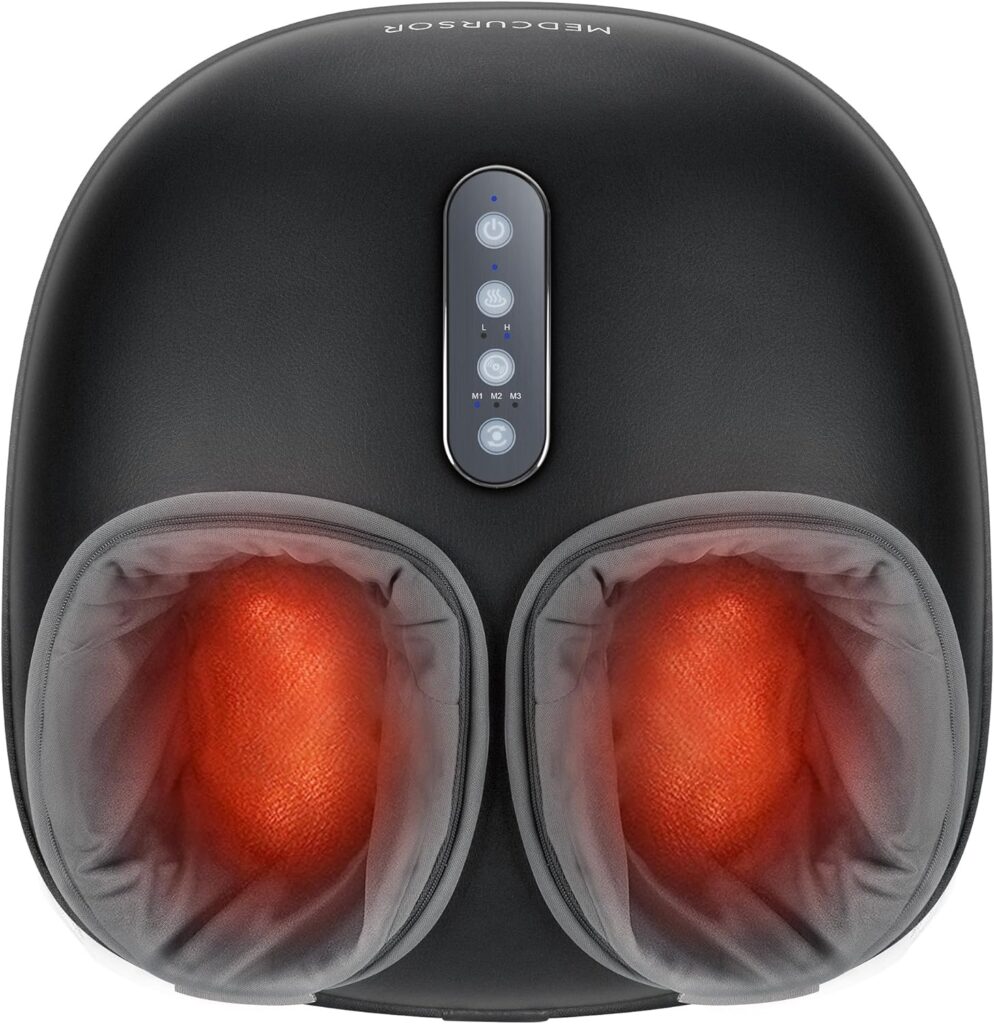
- Warm Baths or Compresses: Applying heat to your legs can relax muscles and ease discomfort.
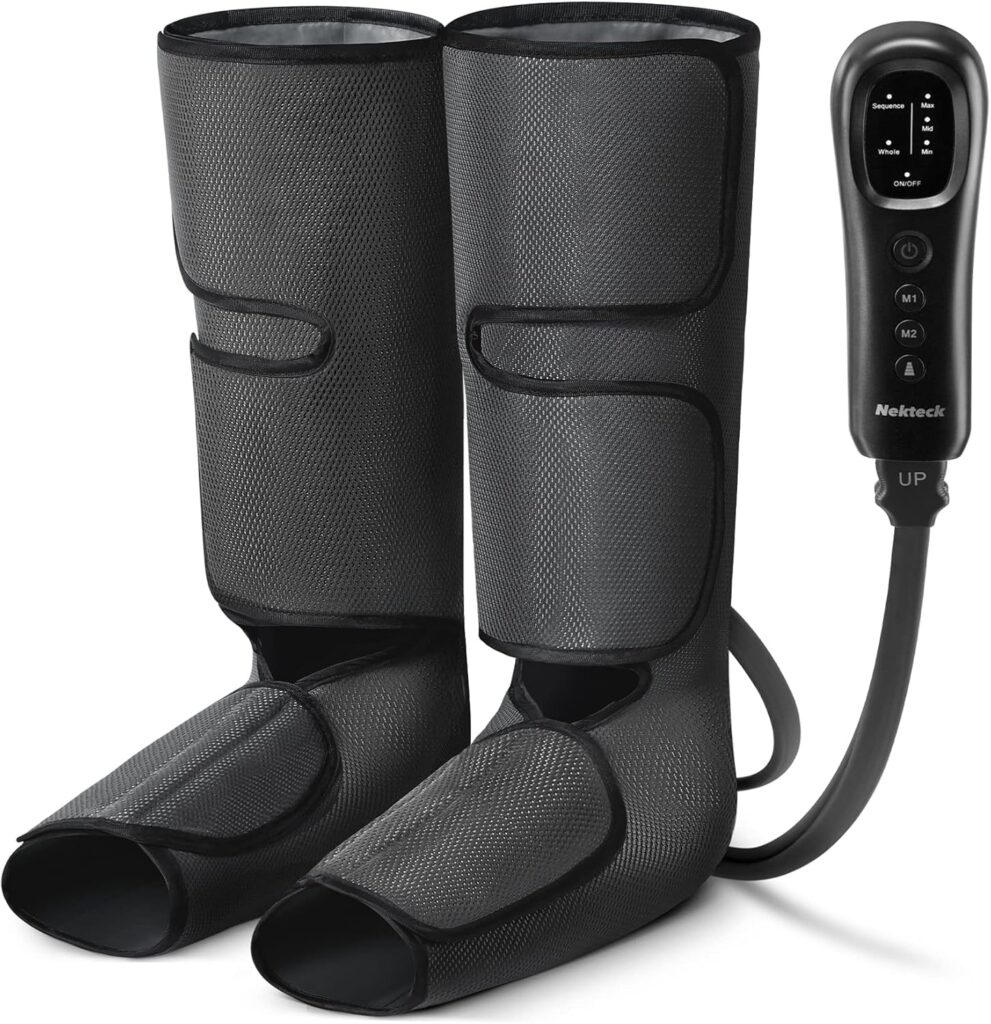
- Massage: Massaging your legs can improve circulation and reduce muscle tension.
What Foods can Trigger Restless Leg Syndrome?
Certain foods can act as sneaky instigators for Restless Leg Syndrome. Caffeine, found in coffee, tea, and even chocolate, can stimulate your nervous system and worsen RLS symptoms. Alcohol might seem relaxing, but it can disrupt sleep cycles and exacerbate those nighttime twitches. Been there, done that! Even sugary treats, like processed foods, can lead to energy crashes and restless legs. It’s all about finding balance and listening to your body’s signals. After all, everyone is different!

Certain foods and beverages can exacerbate RLS symptoms. Consider limiting or avoiding these:
- Caffeine: Coffee, tea, and energy drinks can interfere with sleep and worsen RLS.
- Alcohol: Can disrupt sleep cycles and exacerbate nerve sensitivity.
- Processed Foods: Often high in sodium, sugar, and additives, which can contribute to inflammation and nerve irritation.
- Sugary Drinks: Can lead to blood sugar spikes and crashes, potentially affecting nerve function
It’s important to note that these are general recommendations, and individual sensitivities may vary. A lesson learned is to experiment with eliminating these foods one at a time to see if it makes a difference in your RLS symptoms. Inflammatory foods are often a trigger for RLS.
What Foods Aggravate Restless Leg Syndrome? Are They the Same Food Triggers?
Aggravating foods can often overlap with triggers, but the effect might be more about intensity and frequency of symptoms. Foods high in sodium can mess with your electrolyte balance, potentially worsening RLS. Highly processed foods, loaded with additives, can also contribute to inflammation, another factor that can irritate your legs. In my experience, yes they can be the same triggers, it’s all about moderation. I have learned to be aware of what I put into my body.
Remember, keeping a food diary can really help you pinpoint your personal food triggers. A good night’s sleep is worth more than that extra piece of cake!
Decoding Food Triggers and Aggravators
It’s important to differentiate between triggers and aggravators:
- Triggers: Foods that are directly linked to initiating RLS symptoms.
- Aggravators: Foods that can intensify existing RLS symptoms.
| Category | Description | Examples |
| Food Triggers | Foods that may initiate RLS symptoms in susceptible individuals. | Caffeine: Coffee, tea, chocolate, energy drinks. Alcohol: Beer, wine, spirits (especially before bed). High-Sugar Foods: Candies, pastries, sugary sodas. |
| Food Aggravators | Foods that can worsen existing RLS symptoms. | Processed Foods: High in additives, preservatives, and sodium. Saturated Fats: Fatty cuts of meat, fried foods, full-fat dairy. Artificial Sweeteners: Aspartame, sucralose (found in diet sodas and sugar-free products). |
Note that sensitivity to triggers and aggravators varies. Keeping a food diary can help you identify your individual triggers. Make sure to discuss any dietary changes with your doctor, especially if you have other health conditions or are taking medications.
Summary Tips for Managing RLS Through Diet
Here are some simple strategies to consider:
- Hydration: Stay well-hydrated throughout the day.
- Balanced Diet: Focus on whole, unprocessed foods rich in vitamins and minerals.
- Magnesium-Rich Foods: Include foods like spinach, almonds, and dark chocolate in moderation (if chocolate isn’t a trigger).
- Iron-Rich Foods: If you’re iron-deficient, consider adding lean meats, beans, and leafy greens to your diet.
- Regular Meal Times: Try to eat meals and snacks at consistent times each day.
Remember, dietary changes are just one piece of the puzzle. Maintaining a healthy lifestyle through regular exercise, good sleep hygiene, and stress management can also help reduce your RLS symptoms!
Next Steps
Managing RLS through diet is a process of trial and error. By incorporating nutrient-rich foods and avoiding potential triggers, you can take proactive steps towards soothing your restless legs. If dietary changes don’t provide sufficient relief, consult with your doctor or a registered dietitian. They can assess your nutritional status, rule out other underlying causes, and recommend appropriate treatments.
- Keep a Food Diary: Track what you eat and your RLS symptoms to identify potential triggers.
- Consult Your Doctor: Discuss your concerns and dietary changes with a healthcare professional.
- Consider a Nutritional Assessment: Talk to your doctor about checking for potential nutritional deficiencies like iron or magnesium.
- Explore Other Treatments: Dietary changes can be combined with other RLS treatments, such as medication or lifestyle modifications.
FAQs for Nutritional Deficiencies Causing Restless Leg Syndrome
1. What are the commonest nutritional deficiencies causing restless leg syndrome?
The most common nutitional deficiencies causing restless leg syndrome are iron, magnesium and folate.
2. What are the best foods that soothe restless leg syndrome symptoms?
Foods rich in magnesium and potassium can help soothe RLS. Consider incorporating bananas, avocados, and leafy green vegetables into your diet. Staying hydrated by drinking plenty of water can also make a difference. Remember to consult your doctor before making significant dietary changes.
3. What foods should I avoid to reduce restless leg syndrome?
Certain foods and beverages can worsen RLS symptoms. Common culprits include caffeine (coffee, tea, chocolate), alcohol, and processed foods high in sugar and unhealthy fats. Experiment with eliminating these from your diet to see if your RLS improves. Tracking your diet and RLS symptoms in a journal can also be very helpful.
4. Are Vitamin Deficiencies Linked to Restless Leg Syndrome?
Yes, deficiencies in certain vitamins, particularly vitamin D and some B vitamins (like folate and B12), have been linked to RLS. Discuss your concerns with your doctor, who can test your vitamin levels and recommend appropriate supplementation if needed. Safe Sunlight exposure (safely) and eating fortified foods can also help improve your vitamin D levels.