

Discover the common diseases caused by magnesium deficiency and how this essential mineral impacts your health. Learn symptoms, tips, and ways to maintain proper magnesium levels.
Ever feel like your body’s just off? Maybe you’re always tired, can’t shake off that brain fog, or you’re dealing with random muscle cramps. While a lot of things can be at play, one culprit might be a magnesium deficiency.
You see, magnesium is more important than most folks give it credit for. It’s involved in over 300 biochemical reactions in the body. When your body doesn’t get enough of it, it can lead to all kinds of health issues—some of which might surprise you.
This article looks at reasons for magnesium deficiency, causes, diseases caused by magnesium deficiency and how you can keep things in check.
Reasons for Magnesium Deficiency
Magnesium deficiency, or hypomagnesemia , happens when your body doesn’t have enough magnesium to perform essential functions. Your body uses magnesium for a ton of things—like regulating muscle and nerve function, controlling blood sugar levels, and supporting your immune system.
These are the reasons for magnesium deficiency. Without enough magnesium, your body cannot work like it should.
Many of us are walking around low on magnesium without even realizing it! Unfortunately, the body doesn’t just scream “magnesium deficiency!” right off the bat. It might start off with minor symptoms that you brush off, but it can quickly escalate into more serious conditions. Let’s break down the diseases linked to this silent problem.
5 Magnesium Deficiency Causes
Magnesium deficiency causes can arise from the following factors:
Poor Diet: A diet low in magnesium-rich foods like leafy greens, nuts, and whole grains can lead to deficiency.
Absorption Issues: Conditions like celiac disease or Crohn’s can hinder magnesium absorption in the intestines.
Medications: Certain medications, such as diuretics and proton pump inhibitors, can deplete magnesium levels.
Increased Needs: Pregnant or breastfeeding women and athletes may require more magnesium.
Chronic Stress: Stress can increase magnesium excretion through urine.
Overall, a combination of dietary habits and health conditions often contributes to magnesium deficiency.
What are Symptoms of Magnesium Deficiency?
Before things escalate to full-blown diseases, your body will throw out a few warning signs. Look out for some of these symptoms:
- Muscle twitches or cramps
- Fatigue or low energy
- Weakness
- Irritability or mood swings
- Difficulty sleeping
- Headaches
- Numbness or tingling
- Heart palpitations
If you’ve checked off more than a few of these, magnesium might be the missing link in your health puzzle. Check out more detailed information on specific magnesium deficiency symptoms in women or men, and those that overlap here:
Symptoms of Magnesium Deficiency in Seniors
Magnesium deficiency can exacerbate age-related health concerns like bone loss, muscle weakness, cognitive decline, and heart problems. Symptoms of magnesium deficiency can be more pronounced in seniors, often because of age-related factors like poor absorption, medications, and lifestyle changes.
As we age, our bodies become less efficient at absorbing and utilizing certain nutrients, and magnesium is no exception. Here are some symptoms of magnesium deficiency that tend to be more significant or noticeable in seniors:
1. Bone Weakness and Osteoporosis
As seniors are already at higher risk for osteoporosis and bone fractures, a magnesium deficiency can exacerbate this issue. Magnesium plays a key role in calcium absorption, which is important for maintaining bone density. In older adults, magnesium deficiency can accelerate bone loss and increase the likelihood of fractures.
2. Muscle Cramps and Spasms
Muscle-related symptoms like cramps, twitches, and spasms tend to be more severe in seniors. This can be due to the natural loss of muscle mass with age, but magnesium deficiency can make it worse by affecting muscle function and causing uncomfortable cramping, particularly at night.
3. Fatigue and Weakness
While fatigue is a general symptom of magnesium deficiency, it can be more debilitating in seniors. Older adults may experience chronic tiredness or muscle weakness, which can significantly impact mobility and overall quality of life. This is particularly concerning because seniors often have reduced energy reserves to begin with.
4. Cognitive Decline
Cognitive issues like memory loss, confusion, or difficulty concentrating may be more pronounced in seniors with magnesium deficiency. Magnesium is crucial for brain health, and low levels can contribute to or accelerate cognitive decline, especially in older adults who are already vulnerable to conditions like dementia or Alzheimer’s disease.
5. Heart Problems
Seniors are more prone to cardiovascular issues, and low magnesium can increase the risk of heart arrhythmias (irregular heartbeats), heart disease, and hypertension (high blood pressure). Since magnesium helps regulate heart rhythm and blood pressure, older adults with low magnesium levels may experience more pronounced palpitations or heart complications.
6. High Blood Pressure (Hypertension)
Older adults often struggle with high blood pressure, and magnesium deficiency can worsen this condition. Magnesium helps relax the blood vessels, so without enough of it, seniors may experience increased arterial stiffness and higher blood pressure, which can raise the risk of stroke and heart attacks.
7. Insomnia and Sleep Disturbances
Seniors often struggle with sleep disorders, and magnesium deficiency can make it even harder to get restful sleep. Magnesium supports the body’s production of melatonin, the hormone that regulates sleep cycles, so low levels can lead to insomnia or frequent waking during the night.
8. Depression and Anxiety
Mental health issues like depression and anxiety can be more intense in seniors who are magnesium deficient. Since magnesium helps regulate neurotransmitters that affect mood, low levels can worsen symptoms of depression, especially in older adults who are already at risk for social isolation and mental health challenges.
9. Digestive Problems
Older adults may experience more severe constipation or slow digestion when magnesium is lacking. Magnesium is important for maintaining proper gut function, and a deficiency can lead to significant digestive discomfort in seniors, who may already be dealing with age-related changes in digestion.
10. Increased Risk of Falls
Because of the combined effects of muscle weakness, bone fragility, and balance issues, seniors with magnesium deficiency are at a greater risk of falls. This can result in hip fractures or other serious injuries, which are more dangerous in older adults.
11. Numbness and Tingling
Magnesium deficiency can cause numbness or tingling, particularly in the extremities (hands and feet), and this symptom can be more distressing for seniors. Nerve function tends to decline with age, so low magnesium levels can intensify sensations of pins and needles or even lead to neuropathy.
12. Immune System Decline
Magnesium is essential for a healthy immune system, and seniors may notice an increased susceptibility to infections or slow recovery from illnesses when magnesium levels are low. This is particularly important for older adults, as they are already more vulnerable to infections like pneumonia or the flu.
Specific Magnesium Deficiency Symptoms in Women
There are some specific symptoms of magnesium deficiency that can be more noticeable in women due to their unique physiological needs and life stages, including menstrual cycles, pregnancy, and menopause. Some magnesium deficiency symptoms tend to impact women more directly.
They include menstrual cramps, heightened PMS Symptoms, increased risk of osteoporosis, fatigue and low energy, anxiety and depression, insomnia or sleep disturbances, hair loss and brittle nails, and an increased risk of migraines.
Specific Symptoms of Magnesium Deficiency in Men
In men, magnesium deficiency can manifest in various ways, affecting everything from hormonal balance to muscle function and heart health.
Men who are active, under stress, or experiencing changes in libido or energy levels should consider whether a lack of magnesium could be the root cause.
Boosting magnesium levels through diet or supplements may help mitigate these symptoms and improve overall well-being.
Symptoms include low testosterone levels, muscle weakness and cramps, heart health issues, prostate health, stress, anxiety, and mood changes, decreased exercise tolerance, and, increased risk of osteoporosis.
Other symptoms include a higher risk of insulin resistance and blood sugar issues, and, a higher risk of high blood pressure, difficulty sleeping, digestive issues, and, frequent headaches or migraines.
Diseases Caused by Magnesium Deficiency
Cardiovascular Diseases
When it comes to heart health, Magnesium is critical for maintaining a regular heartbeat and proper blood pressure. A deficiency can lead to serious cardiovascular problems, including:
- Arrhythmias (irregular heartbeat): If you’ve ever felt like your heart’s skipping a beat or beating too fast, magnesium deficiency might be to blame. Magnesium helps keep electrical signals in the heart running smoothly.
- Hypertension (high blood pressure): Studies show that people with low magnesium levels are more prone to high blood pressure. And we all know that hypertension is a major risk factor for heart attacks and strokes.
- Atherosclerosis (hardening of the arteries): Magnesium plays a role in keeping your blood vessels relaxed. Without enough magnesium, your arteries can stiffen, leading to a higher risk of heart disease.
Migraines and Chronic Headaches
Ever notice those nasty headaches that just won’t quit? It could be a magnesium thing. Migraines are often linked to low magnesium levels, especially if you deal with chronic ones. Magnesium helps relax blood vessels in your brain, and without it, those blood vessels can tighten up, triggering painful migraines.
Osteoporosis
A lot of people think calcium is the only mineral that matters when it comes to strong bones. But magnesium plays a critical role in bone health, too. Magnesium helps with the absorption of calcium, so when you’re deficient, your bones can suffer. Long-term magnesium deficiency has been linked to osteoporosis, a condition that makes your bones weak and brittle.
Type 2 Diabetes
Believe it or not, magnesium helps regulate blood sugar and insulin sensitivity. If you’re deficient, it could mess with how your body processes sugar, which might lead to insulin resistance and eventually type 2 diabetes. In fact, studies show that people with higher magnesium intakes tend to have a lower risk of developing this disease.
Depression and Anxiety
Magnesium has a calming effect on the nervous system, which is why it’s often called a natural “chill pill.” When you’re low on magnesium, you may experience anxiety or even depression. This is especially true if you’ve noticed you’re more stressed out than usual or struggling to relax.
Asthma
For people with asthma, a lack of magnesium can make things worse. Magnesium helps relax the muscles around your airways, making it easier to breathe. A magnesium deficiency can lead to bronchoconstriction, which makes asthma symptoms more severe.
Magnesium and Muscle Spasms and Cramps
One of the more common signs of magnesium deficiency is muscle cramps or spasms. If you’re someone who deals with leg cramps, especially at night, it might be worth checking your magnesium levels. Magnesium plays a role in muscle contraction and relaxation, and without enough of it, your muscles can act up.
Magnesium Supplements for Deficiency
Seven popular and highly rated magnesium supplements on Amazon.ca are summarized in this section.
SENZU Magnesium Bisglycinate 200mg Vegan Capsules

SENZU Magnesium Bisglycinate TRAACS 100% Chelate 200mg 120 Capsules Vegan Magnesium Supplement; Relieves Muscle Cramping; Maximum Absorbtion; Made in Canada
CanPrev Magnesium Bis-Glycinate 200 Gentle
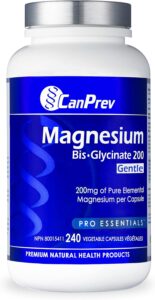
Maintains Healthy Bones, Teeth and Proper Muscle Function; Promotes Relaxation; Preferred, highly absorbable Bis-Glycinate form – 240 capsules
Boost Magnesium Levels With a Magnesium Rich Foods List
So, how do you keep your magnesium levels up? Here are a few tips from someone who’s been there and done that. Adding these to your diet can be a game-changer. Your diet is the easiest way to up your magnesium game. Select from a magnesium rich foods list below:
| Category | Foods |
|---|---|
| Leafy Green Vegetables |
Spinach, Kale, Swiss chard, Collard greens |
| Nuts and Seeds |
Almonds, Cashews, Pumpkin seeds, Sunflower seeds, Chia seeds, Flaxseeds |
| Whole Grains |
Brown rice, Quinoa, Oats, Barley, Buckwheat |
| Legumes |
Black beans, Lentils, Chickpeas, Kidney beans, Edamame |
| Fish |
Salmon, Mackerel, Tuna, Halibut |
| Fruits |
Avocados, Bananas, Figs, Raspberries |
| Dairy Products |
Yogurt (plain), Milk, Cheese |
| Dark Chocolate | Dark chocolate (with at least 70% cocoa content) |
| Tofu |
Tofu, Tempeh |
| Seeds |
Sesame seeds, Hemp seeds |
| Fortified Foods |
Fortified cereals, Fortified non-dairy milks (like almond or oat milk) |
| Other |
Potatoes (with skin), Whole wheat bread, Peanuts |
2. Consider Magnesium Supplements
If you are struggling to get enough through diet alone, supplements can help. Just make sure to talk to your doctor first, especially if you have kidney issues. Magnesium comes in different forms, like magnesium citrate or magnesium glycinate, which are easier for your body to absorb.
3. Cut Back on Processed Foods
Processed foods are typically low in magnesium, and consuming them regularly can deplete your body’s stores. Try cutting back on processed snacks, sodas, and fast food, and choose whole, nutrient-dense options instead.
4. Be Mindful of Certain Medications
Some medications, like diuretics or antibiotics, can mess with your magnesium levels. If you’re on long-term meds, ask your doctor if magnesium could be an issue.
VITASAVE Magnesium Bis-Glycinate Supplement 200mg

VITASAVE Magnesium Bis-Glycinate Supplement 200mg High Potency – Superior Absorption – Supports Bones and Teeth – Promotes Relaxation & Sleep – 240 Capsules
NATURELO Magnesium Glycinate Chelate Complex – 200 mg

Magnesium with Organic Vegetables to Support Sleep, Calm, Muscle Cramp & Stress Relief – Gluten Free, Non GMO – 120 Capsules
THORNE Magnesium Citramate – Magnesium with 135 mg Citrate-Malate

Magnesium with Citrate-Malate to Support Energy Production, Heart and Lung Function, and Metabolism of Sugar and Carbs – 90 Capsules
NUTRITIONN Magnesium Glycinate Supplement
Magnesium Glycinate Supplement 212.5 mg Elemental Magnesium; Once Daily for Men and Women – Pure Chelated Bisglycinate for Good Health and Sleep – Made in Canada
BIO ABSORB NUTRACEUTICALS Magnesium Bisglycinate/Glycinate Supplement
200mg of Chelated Elemental Magnesium. 260 Vegan Capsules
Conclusion – Diseases Caused by Magnesium Deficiency
Magnesium deficiency is one of those health problems that fly under the radar but can have a big impact on your well-being. From heart issues to mental health struggles, this tiny mineral plays a huge role in keeping your body running smoothly.
This deficiency is relatively easy to fix by eating the right foods or, in some cases, taking supplements. If any of the symptoms or diseases mentioned sound familiar, it might be worth taking a closer look at your magnesium intake.
Related Articles
What Supplements Help Leg Cramps – The Best Ones
FAQ for Diseases Caused By Magnesium Deficiency
How do I know if I’m magnesium deficient?
A blood test is the best way to confirm a magnesium deficiency. However, if you’re experiencing symptoms like muscle cramps, fatigue, or headaches, it might be worth upping your intake (on doctor’s advice) and seeing if things improve.
Can I get too much magnesium?
It’s rare to get too much magnesium from food alone, but supplements can cause issues if overdone resulting in diarrhea or abdominal cramping. Stick to recommended doses unless your doctor says otherwise.
Are there any groups of people more at risk for diseases caused by magnesium deficiency?
Yes. Older adults, people with gastrointestinal diseases (like Crohn’s or celiac disease), those with type 2 diabetes, and alcoholics are more prone to magnesium deficiency.
How long does it take to correct a magnesium deficiency?
This depends on the severity of the deficiency. It can take a few weeks to a couple of months, depending on how you’re addressing it through diet and supplements.
References
Mayo Clinic (2024) Magnesium supplement (oral route) https://www.mayoclinic.org/drugs-supplements/magnesium-supplement-oral-route/description/drg-20070730