

Discover the emotional and physical stages of burnout in senior caregivers. Learn practical, experience-based tips to recognize and recover from caregiver burnout.
Ever felt like you were running on empty, but still had to keep going because someone depended on you? Yeah, me too. When I was helping care for my elderly uncle after his stroke, I had no clue what I was in for.
What started out as a few visits a week quickly turned into a daily marathon of appointments, medications, and cleaning up messes that no one ever warned me about. Before I knew it, I was snapping at people, skipping meals, and crying in my car.
If you’re a senior caregiver, you probably know this feeling all too well. That creeping, slow-burn exhaustion doesn’t happen all at once—it builds.
In this article, we’ll walk through the different stages of burnout, how to recognize the warning signs, and more importantly, how to stop burnout in its tracks before it stops you.
What Are the Stages of Burnout in Senior Caregivers?
Burnout doesn’t usually show up waving a red flag. It sneaks in, disguised as “just a rough week” or “being tired.” Understanding the stages of burnout helps us recognize the difference between normal fatigue and something more serious.
Most experts agree burnout follows a fairly predictable path.
Stage 1: The Energized Enthusiastic Beginning
Ah, the honeymoon phase. You’re full of motivation, determined to make your loved one’s life better. You’re organizing medications, prepping healthy meals, maybe even reading up on stress management strategies.
But here’s the trap: you’re pouring from a full cup without realizing that refill station isn’t open 24/7. Overcommitment and unrealistic expectations lay the groundwork for burnout later.
Pro Tip: Set boundaries early. You don’t need to be a superhero—just a human with a solid plan.
Stage 2: The Arrival of Stress
Now the cracks begin to show. You’re tired, sure—but it’s more than that. You start skipping your own doctor appointments, pushing back plans with friends, and brushing off your rising emotional exhaustion as just “a bad day.”
Essentially, you relegate your own plans to the back burner.
You’re still functioning, but you’re feeling the squeeze. It’s often during this stage that caregivers begin experiencing work-life imbalance and creeping mental burnout.
Pro Tip: Keep a burnout journal. A few bullet points a day can help you track when things start shifting.
Stage 3: Chronic Stress Seeps In
At this point, you’re not bouncing back as quickly. You might find yourself forgetting things, losing patience more easily, or feeling detached. Sound familiar?
This stage is where chronic stress becomes a regular guest in your life. You might experience emotional fatigue, poor sleep, or even physical burnout signs like headaches or a racing heart.
Pro Tip: Schedule downtime like you’d schedule a medical appointment. Put it on your calendar and treat it like it matters—because it does.
Stage 4: Full-Blown Burnout
You’ve hit the wall. Everything feels like too much. You may be overwhelmed, resentful, even depressed. That initial fire to help has burned down to ash.
Caregivers in this stage are often dealing with professional exhaustion (even if you’re unpaid!), burnout symptoms like insomnia or digestive issues, and a growing sense of hopelessness.
Pro Tip: This is the point to ask for help—really ask. Talk to a therapist, join a burnout support group, or explore respite care services.
Stage 5: The Fallout
If burnout isn’t addressed, it can take a serious toll on your physical and emotional well-being. Some caregivers walk away entirely, plagued with burnout and depression or guilt.
This stage often comes with long-term stress effects—chronic illness, strained relationships, and financial trouble.
Pro Tip: It’s not selfish to take care of yourself; it’s strategic. You can’t care for others if you’re running on fumes.
Caregiver Burnout Symptoms – How to identify Caregiver Burnout
Some signs are subtle; others are in-your-face obvious. Here are a few to watch out for:
- Irritability or snapping over small things
- Constant fatigue, even after sleeping
- Withdrawing from social activities
- Trouble concentrating
- Feeling numb or emotionally distant
Recognizing these early can help you course-correct before you hit the harder stages of burnout.
Why Senior Caregivers Are Especially at Risk
If you’re a caregiver for an aging parent, spouse, or friend, the emotional weight is enormous. You may be dealing with burnout and anxiety, grief, or unresolved family dynamics.
And unlike a 9-to-5 job, caregiving doesn’t come with scheduled breaks or performance reviews. It’s 24/7.
Seniors caring for other seniors—like spouses—may face their own health limitations, adding layers of complexity. This unique situation often accelerates stress overload resulting in caregiver burnout symptoms.
Strategies for Preventing Burnout Before It Starts
I wish I had known the following tips earlier:
1. Building a Care Team
You don’t have to do it all. Loop in family, friends, neighbors, or even paid help. Just because you can doesn’t mean you should.
2. Making Time for You
Put self-care on the calendar. Whether it’s 15 minutes with a cup of tea or an hour-long walk, guard that time fiercely.
3. Educating Yourself
Learn about the condition you’re managing and brush up on burnout prevention. The more confident you feel, the less overwhelmed you’ll be.
4. Using Tools and Technology
Use apps for medication management, digital calendars for appointments, and meal delivery services. Little things add up to big relief.
5. Talking to Others
Sometimes just having someone listen makes a world of difference. Join an online caregiver group or see a counselor who gets it.
Helpful Product Picks from Amazon Canada for Caregiver Burnout
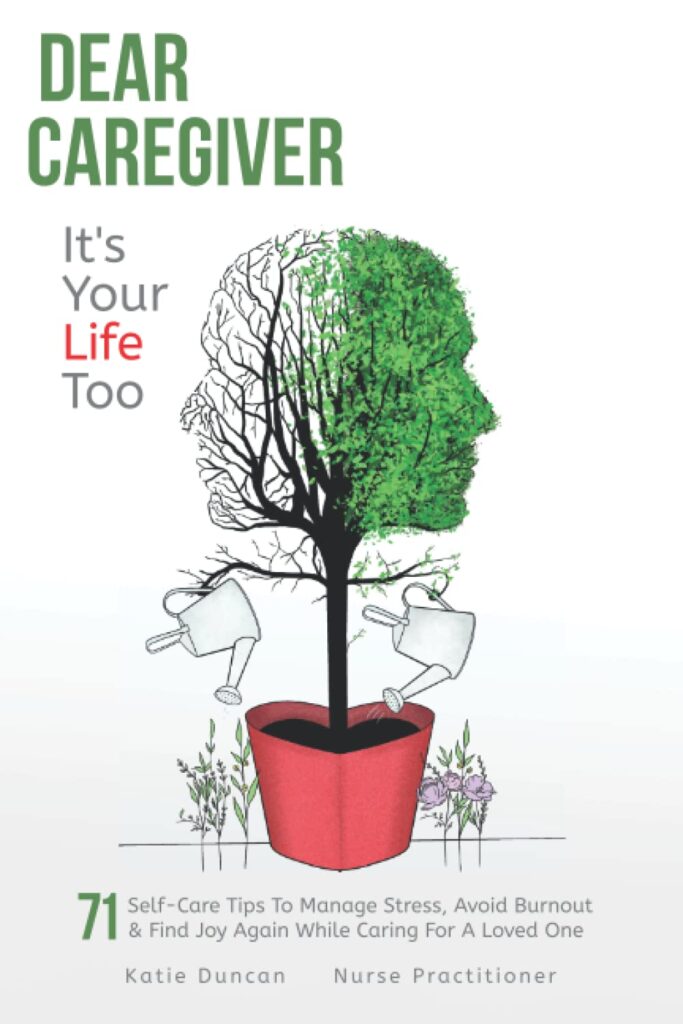
- Dear Caregiver, It’s Your Life Too: 71 Self‑Care Tips To Manage Stress
A compact, practical book full of bite-sized self-care strategies. Great for caregivers in early burnout stages who need quick tips. - Snailax Shiatsu Kneading Back Massage Cushion
This is a popular massage cushion (for back/neck) with vibration and kneading — helps relieve physical tension as burnout deepens. - RAINLAX Mindfulness Breathing Owl 3‑in‑1 Device
A small, gentle device that guides breathing and promotes mindfulness. Handy for caregivers who need short “reset” breaks during their day. - ONO Roller Handheld Fidget Toy for Adults
A simple but effective tactile stress-relief tool. Good for those moments when you feel overwhelmed (Stage 2 or 3 of burnout) and need something calming right away. - UNMERA Acupressure Mat and Pillow Set for Back Neck Pain Relief and Muscle Relaxation
A more passive, low-impact option. Good for moments when someone feels too drained for massage but still wants relief. - Overcoming Burnout Journal
A structured journal with prompts designed to help you identify which stage of burnout you’re in and walk you through recovery through reflection.
Disclaimer: None of these products are substitutes for medical advice

SNAILAX SHIATSU Kneading Back Massage Cushion

RAINLAX Mindfulness Breathing Owl 3‑in‑1 Device

ONO Roller Handheld Fidget Toy for Adults

UNMERA Acupressure Mat and Pillow Set
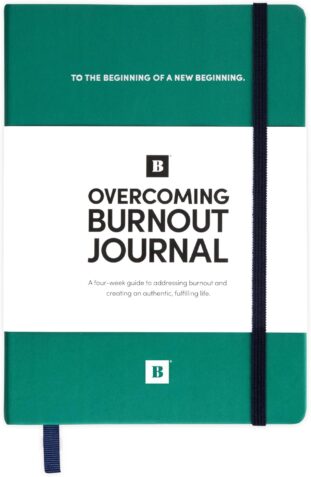
Book – Overcoming Burnout 4-Week Guided Self Care Journal with Prompts
Recovering from the Stages of Burnout
So what if you’re already deep in the stages of burnout? There’s hope, but it starts with acknowledgment.
- Take a break—even a short one can reset your nervous system
- Focus on burnout recovery over productivity
- Reconnect with things that bring you joy
- See your own doctor—yes, you deserve care too
And if things feel truly unmanageable, that’s your cue to involve a professional. You’d do it for your loved one—why not for yourself?
Conclusion – How to Identify Caregiver Burnout
Burnout doesn’t make you a bad caregiver—it just means you’re human. The stages of burnout in senior caregivers are real, but they’re also reversible.
With awareness, a solid support system, and a few practical shifts, you can keep doing what you do best—caring—without losing yourself in the process.
Take it from someone who’s been there: your well-being matters just as much as the person you’re caring for. Select products to either help prevent or recover from burnout.
Related Articles
- 7 Caregiver Coping Strategies to Reclaim Your Energy
- Why Being a Caregiver for Family Member Feels Overwhelming: Impacts and Fixes
FAQs for Stages of Burnout
What are the stages of burnout in caregiving?
The stages typically include the energized beginning, onset of stress, chronic stress, full-blown burnout, and the fallout. Recognizing them early can prevent long-term damage.
How can senior caregivers recover from burnout?
Recovery starts with acknowledging burnout, taking breaks, seeking support, and prioritizing self-care. Professional help may also be necessary.
What are early warning caregiver burnout symptoms?
Common signs include irritability, fatigue, trouble concentrating, emotional numbness, and withdrawal from social activities.
Why do senior caregivers face a higher risk of burnout?
Older caregivers often have their own health issues and limited resources, making the physical and emotional toll more intense.
How can burnout in caregivers be prevented?
Prevention includes building a support network, scheduling personal time, using tech tools, and learning stress management techniques.