

Wondering why your mobility is slipping without warning? Discover the silent, yet crushing conditions that affect mobility, how to spot them early, and practical steps to stay active and independent.
Have you ever woken up one day and thought, “Why does walking feel harder than it used to?” No big fall, no injury, no dramatic event—just a slow, sneaky shift in how your body moves. That’s how conditions that affect mobility tend to show up. Not with a bang, but with a whisper.
Now, I’m no doctor, but after helping my own mom through her post-stroke recovery and watching a few friends wrestle with creeping joint pain, coupled with my own creaks and challenges, I’ve picked up a thing or two.
The truth is, a lot of seniors don’t notice mobility issues until they’re already causing problems. And let me tell you—by then, it’s a heck of a lot harder to fix.
This article walks you through the not-so-obvious mobility decline in old age, share tips that actually work (yep, learned the hard way), and give you the lowdown on how to keep moving with confidence.
What Are The Conditions That Affect Mobility, Anyway?
Mobility decline in old age may be caused by any health issues that make it tough to move around freely. We’re not just talking broken bones or sprained ankles.
Some conditions creep in over time—quietly disrupting your balance, coordination, and strength.
You might feel:
- A slight limp that turns into a shuffle
- Trouble getting up from a chair
- A fear of falling (even if you haven’t fallen—yet)
- Or just plain ol’ fatigue when doing your usual walk around the block
Unfortunately, these changes can be subtle. And when you chalk them up to “just aging,” you might miss the signs of something bigger.
Common But Silent Conditions That Affect Mobility
Let’s dig into the stealthy troublemakers. These are the conditions that sneak up on you and slowly make day-to-day movement harder.
Osteoarthritis – The Creaky Culprit
You know that feeling when your knees sound like an old floorboard? That’s probably osteoarthritis, the most common joint pain condition for older adults.
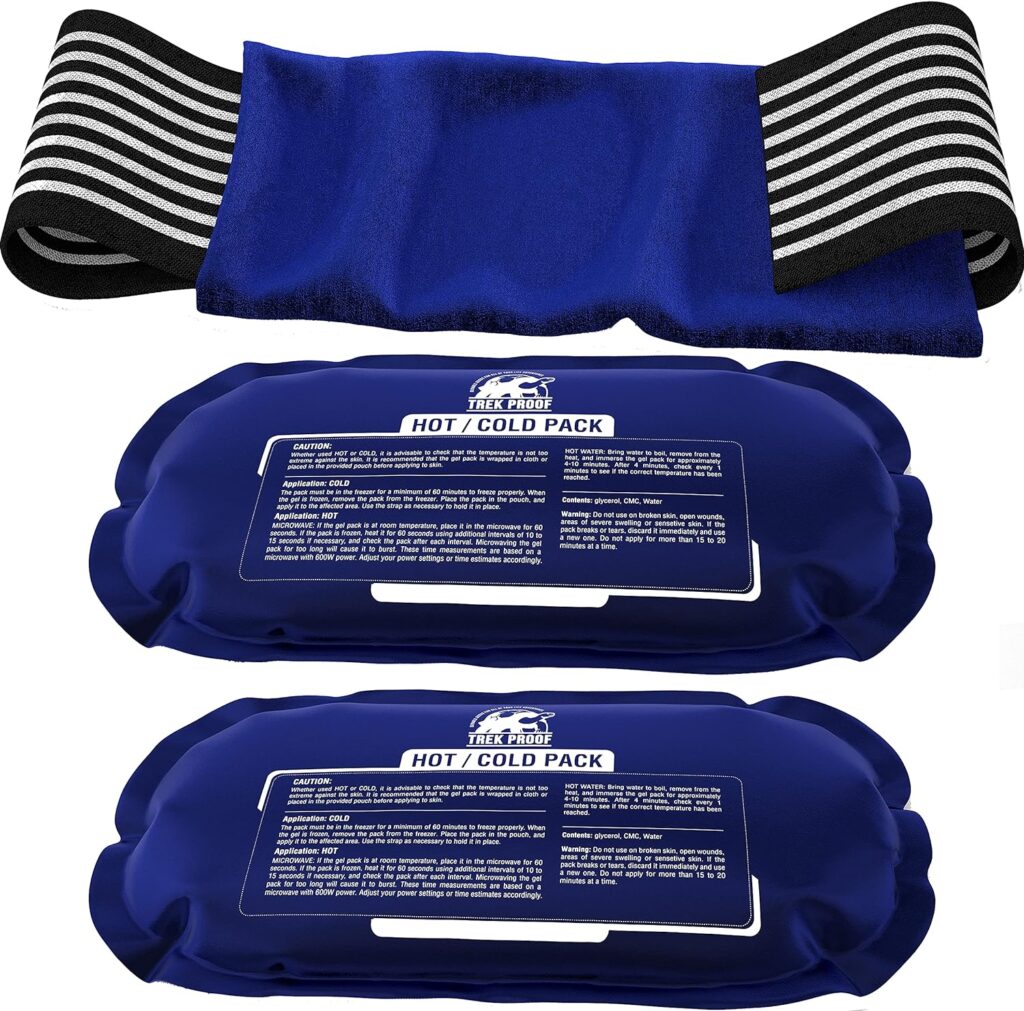
It wears down the cartilage that cushions your joints, especially in your knees, hips, and spine.
Suddenly, that afternoon garden session feels like boot camp. The trick? Catch it early.
Use physical therapy, joint-friendly exercise like swimming, and heat/cold packs to manage pain and stay flexible.
Muscle Weakness and Mobility Decline in Old Age
Losing strength isn’t just about not lifting grocery bags anymore. Muscle weakness can lead to balance problems, which raises your risk of falling.
That’s where my dad tripped up—literally. He thought he was “just getting older” but turns out, skipping strength training for years caught up with him.
The solution? Light resistance training a couple times a week. You don’t need a gym—try resistance bands or bodyweight squats (with a chair nearby, just in case).
Neurological Disorders – The Invisible Interrupters
Here’s where things get trickier. Conditions like Parkinson’s disease, multiple sclerosis, and the aftereffects of a stroke can quietly affect your mobility by interfering with the brain-body connection.
You might notice:
- Shuffling feet
- Slower reactions
- Stiffness or tremors
Early diagnosis is key. Meds, occupational therapy, and staying active can all make a huge difference.
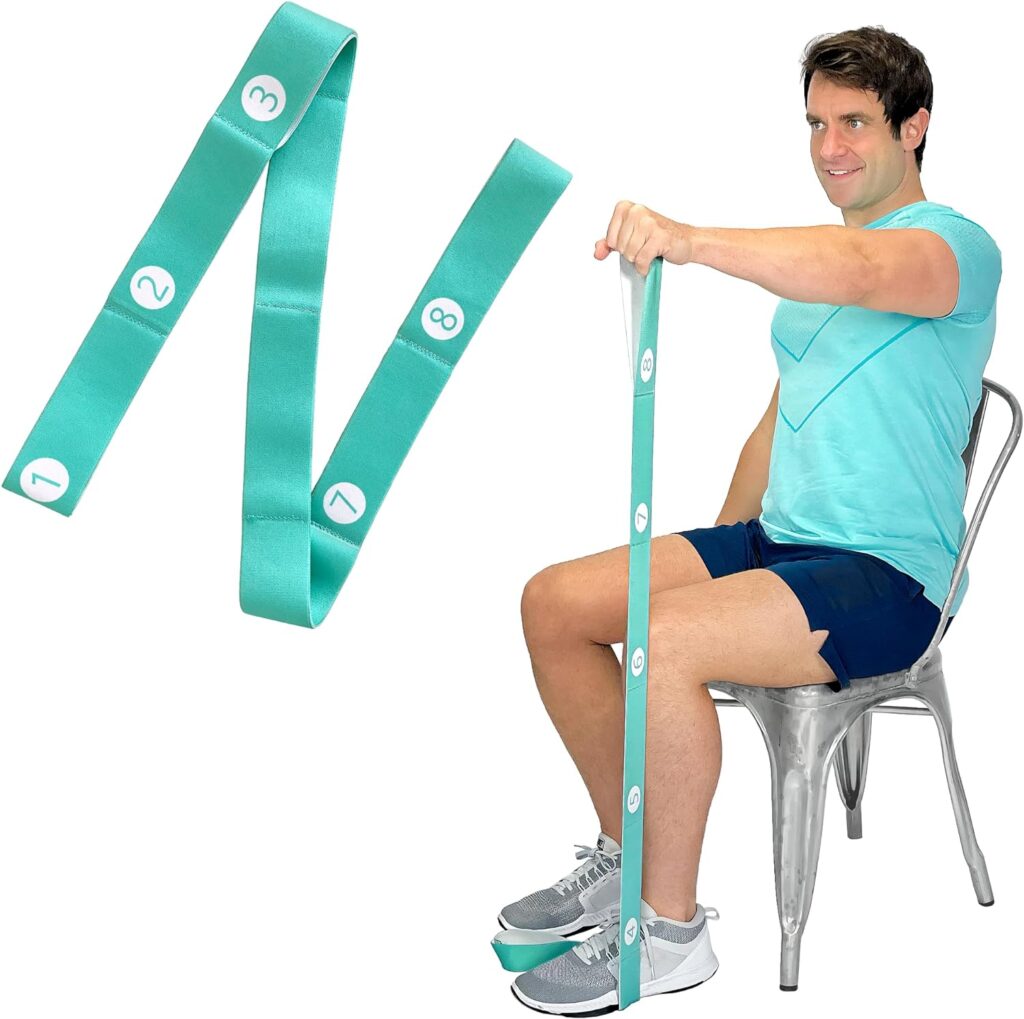
My neighbor, Jessie, has Parkinson’s disease—and thanks to a combo of tai chi, medication, and a wicked sense of humor, she’s still managing to keep up with her grandkids.
Osteoporosis – The Silent Killer
Often called the “silent killer” because it creeps in unnoticed, osteoporosis weakens your bones without symptoms until a sudden fracture occurs—often in the hip, spine, or wrist. It’s a major cause of mobility impairments in older adults, especially women post-menopause.
You might not feel it coming, but the aftermath can drastically limit movement and independence. Strength training, calcium-rich foods, vitamin D, and weight-bearing exercise are your best defense.
If you’re over 65, ask your doctor about a bone density scan—better to catch it before the break, and not after!
Balance Problems – The Confidence Killers
Ever feel a bit wobbly getting out of bed or stepping into the shower? That’s often the first sign of balance problems. Could be due to gait disorders, inner ear issues, or chronic illness mobility concerns.
The fix? Balance training. Simple heel-to-toe walks or standing on one leg while brushing your teeth can do wonders. And yes, grab bars in the bathroom are your new best friend.
Chronic Pain – The Quiet Quitter
Pain is exhausting. And chronic pain—from things like arthritis, leg swelling, or even lingering injuries—can make you avoid movement altogether. That inactivity, ironically, makes things worse.
Break the cycle with movement that feels good. Think stretching, gentle yoga, or a walk with a friend. Use mobility aids when needed—there’s no shame in using a cane if it keeps you independent.
Spotting the Signs Early – Important for Mobility Decline in Old Age
So how do you know if you’re dealing with conditions that affect mobility?
Watch for signs like:
- Frequent trips or stumbles
- Trouble getting up from low seats
- Slower walking pace
- Needing the wall to steady yourself
If you catch it early, you’ve got more options. You can jump into rehabilitation therapy or physical therapy, start strengthening exercises, and avoid bigger problems down the road.
What You Can Do Before It Gets Worse
I’m all about being proactive. Here’s what I suggest—based on a lot of trial, error, and tough love.
✅ Start Moving Daily
Even just 10–15 minutes of walking or stretching can help combat mobility decline. Mix in practical exercises that improve gait, balance, and strength.
🦶 Exercises to Improve Gait
- Heel-to-Toe Walk
Walk in a straight line, placing the heel of one foot directly in front of the toes of the other. Great for coordination and stride control. - High Knee Marching
March in place, lifting your knees to waist level if possible. Focus on rhythm and even steps to smooth out your walking pattern. - Treadmill Walking or Track Walking
Start slow and gradually increase time. Helps with endurance and stride length. You can even begin by simply walking several laps around your sitting room – clutter free of course!

⚖️ Exercises to Improve Balance
- Single-Leg Stand
Hold onto a counter or chair, lift one foot slightly off the ground, and hold for 10–15 seconds. Switch legs. - Tandem Standing
Stand with one foot directly in front of the other (like you’re on a tightrope). Hold for 30 seconds, then switch. - Side Leg Raises
Holding a chair, lift one leg out to the side slowly. Helps strengthen stabilizing muscles.
💪 Exercises to Improve Strength
- Chair Squats
Stand in front of a sturdy chair, lower yourself like you’re about to sit, then stand back up. Builds leg and core strength. - Wall Push-Ups
Stand an arm’s length from a wall, place palms on it, and do push-ups. Strengthens upper body without floor work. - Resistance Band Rows
Sit or stand, anchor a resistance band, and pull toward your chest. Strengthens back and shoulders, supports posture.
✅ Check Your Home for Hazards
Falls are no joke. After my aunt broke her hip on a bathroom rug, we decluttered and installed nightlights, safe bathroom modifications, and nonslip mats. Best Saturday afternoon we ever spent.

✅ Get a Professional Assessment
A visit to a physical therapist or geriatric specialist can spot issues you’ve missed. They will check your mobility impairments and help tailor a routine that fits your body and lifestyle.
✅ Try Supportive Tools
Mobility aids like walkers or canes can be game changers. Don’t think of them as signs of weakness—they are tools of independence.
Plus there are several good practical styles and colors to choose from. Check the very popular HELAVO Foldable Rollator.
✅ Stay Socially Active
It’s not just about your legs—staying connected helps your mental health, which is deeply tied to physical motivation. Join a walking group, attend a balance class, or just make a point to chat with neighbors.
Mobility Decline in Old Age – When to Ask for Help
Being independent is amazing, but there’s no shame in needing help. Whether it’s from family, a home care worker, or a therapist, accepting support can help you stay active longer.
So if you’re seeing signs of these conditions that affect mobility, don’t wait. Take that first step (pun intended). Exercise may be the only thing you need at first.
Conclusion: You’re Not Doomed to a Chair
Just because you’ve got a few creaks or wobbles doesn’t mean you’re destined to sit on the sidelines. Conditions that affect mobility are common, but they’re not unbeatable.
With a little awareness, some smart strategies, and maybe a few stubborn friends to keep you moving, you can stay active, capable, and in control of your mobility.
And next time your knees pop louder than your popcorn, at least now you’ll know what to do!
Related Articles
FAQs for Conditions That Affect Mobility
What are the most common conditions that affect mobility in seniors?
The most common include osteoarthritis, muscle weakness, balance problems, Parkinson’s disease, and the aftereffects of stroke.
How can I tell if I am experiencing a mobility decline in old age?
Watch for signs like slower walking, unsteadiness, frequent tripping, or needing support to get up from chairs.
Can the common conditions that affect mobility be reversed?
Some causes can be improved with physical therapy, exercise, and lifestyle changes—especially if caught early.
What exercises help with mobility?
Balance drills, strength training, stretching, and walking all support mobility impairments and prevent mobility decline.
Are mobility aids helpful or harmful in the long run?
They are ONLY helpful when used properly. They can prevent falls and help you stay independent longer.