
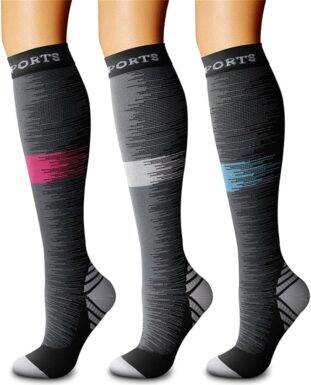
Compression socks for men or women are designed to support healthy blood circulation, reduce swelling, and relieve leg fatigue. While many people purchase unisex compression socks, gender-specific designs often provide a better fit based on differences in calf size, foot shape, and leg length.
Understanding the differences between compression socks for men, compression socks for women, and unisex options can help you choose the right pair for comfort, circulation support, and long-term leg health.
This article explores the use of compression socks, discussing whether gender-specific designs truly outshine the convenience of unisex options, allowing you to make an informed choice for your well-being.
Compression Socks Benefits for Health
Compression socks are designed to apply gentle pressure to the legs, helping veins move blood more efficiently back toward the heart.
Some of the most important compression socks benefits for health include:
• Improved blood circulation in the lower legs
• Reduced swelling in feet and ankles
• Lower risk of blood clots during travel
• Relief from leg fatigue after standing or sitting long periods
• Support for people with poor circulation or varicose veins
Many seniors and travelers also use compression socks to prevent discomfort during long flights or extended periods of sitting.
People experiencing leg cramps caused by poor circulation may also benefit from supplements for leg cramps and improved circulation support.
Compression Socks For Men or Women vs Unisex
Compression socks are designed to improve blood circulation and reduce swelling and discomfort in the legs and feet.
While there is no strict rule for categorizing socks as “men’s” or “unisex,” there can be differences in design, sizing, and color options between socks marketed specifically for men and those labeled as unisex.
Here are some potential differences you might find:
Sizing of Compression Socks for Men or Women
Typically, compression socks for men come in larger sizes and may have wider calf circumferences to accommodate the proportions of men’s legs.
Unisex compression socks are often available in a wider range of sizes, including smaller sizes suitable for women or individuals with smaller feet.
Furthermore, mens sock brands may provide sizing charts that take into account calf circumference, shoe size, and other factors specific to men’s legs.
Unisex compression sock brands often provide sizing charts that accommodate a wider range of body types and genders.
Design and Aesthetics
Male compression socks may feature designs, colors, or patterns that are traditionally considered more masculine, such as solid dark colors, stripes, or subtle patterns.
On the other hand, unisex socks often come in a broader range of colors and patterns that appeal to a wider audience, including both men and women. They may have more neutral or gender-neutral designs.
Length
Both compression socks for either men or women and unisex compression socks are available in various lengths, including knee-high, thigh-high, and ankle-high options. The choice of length often depends on the specific needs and preferences of the user.
Compression Level
Compression socks are available in different compression levels, ranging from mild to extra-firm compression. Both mens and unisex socks can come in various compression levels to cater to different medical or lifestyle requirements.
Material and Comfort
The material used in compression socks can vary, but both mens and unisex socks aim for comfort and durability. Common materials include nylon, spandex, and polyester blends, which provide elasticity and moisture-wicking properties.
Additional Features
Some compression socks, regardless of gender designation, may have additional features like cushioning, arch support, or reinforced heels and toes for added comfort and durability. These features are often more related to the brand or type of sock rather than gender.
Note that these differences may vary by brand and product. When selecting compression socks, it is recommended that you consider your specific needs.
These should include the level of compression required, the purpose (medical or athletic), and personal preferences regarding style and fit, rather than strictly adhering to gender labels.
Always consult with a healthcare professional for guidance on the appropriate compression level and sock type especially if you have a medical condition.
How to Choose Compression Socks
When selecting compression socks, the most important factors are fit, compression level, and intended use.
Here are some practical tips on how to choose compression socks correctly:
• Measure calf circumference to ensure proper compression
• Choose the right compression level (usually 15-20 mmHg or 20-30 mmHg)
• Consider sock length such as knee-high or thigh-high
• Check fabric breathability for all-day comfort
• Look for reinforced heel and toe areas for durability
A well-fitting compression sock should feel snug but not painfully tight.
Differences Between Womens and Mens Compression Socks
While the primary function of providing graduated compression for improved circulation remains the same for both men and women socks, there are some notable differences.
Again, these differences are mainly related to size, design, and style preferences. Consider the following:
Size and Fit – Compression Socks for Men
Mens legs are generally larger in circumference than women legs. Therefore, mens compression socks are designed with larger calf and foot sizes to provide a comfortable fit for men.
Womens socks, on the other hand, are tailored to fit the proportions of women’s legs and feet. Choose the appropriate size and gender-specific socks to ensure proper compression and comfort.
Compression Levels
While compression levels are not inherently different between men and women socks, the sizing and labeling may be gender-specific.
Always refer to the manufacturer’s sizing chart and compression level recommendations when choosing compression socks.
Material and Comfort
The choice of materials, such as nylon, spandex, cotton, or blends, may vary between compression socks for men or women.
However, comfort and moisture-wicking properties are essential considerations for both genders.
Style and Aesthetics
The design and aesthetics of compression socks may differ between men and women versions.
Womens compression socks often offer a wider variety of colors and patterns to suit different fashion preferences.
Mens socks typically come in more conservative and neutral colors.
Length and Height
Both men and women compression socks are available in various lengths, including knee-high, thigh-high, and full-length options. However, women’s socks may offer more style choices in terms of patterns and colors, especially in knee-high styles.
Toe Options– Mens Compression Socks
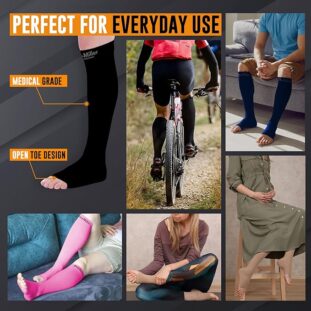
Some compression socks for women come with open-toe designs, which can be more accommodating for open-toe shoes or sandals. Mens compression socks usually have closed toes for full foot coverage.
Note that while gender-specific compression socks are available, many compression sock manufacturers offer unisex options as well. These socks are designed to accommodate a range of sizes and preferences and can be worn by both men and women.
How to Wear Compression Socks Correctly
Many people buy compression socks but wear them incorrectly, reducing their effectiveness.
To learn how to wear compression socks correctly, follow these simple tips:
• Put them on first thing in the morning before swelling begins
• Roll the sock down and gradually pull it up the leg
• Smooth out wrinkles to avoid pressure points
• Avoid folding the top band, which can restrict circulation
Proper use helps maximize the benefits of compression therapy.
Example Compression Sock Options
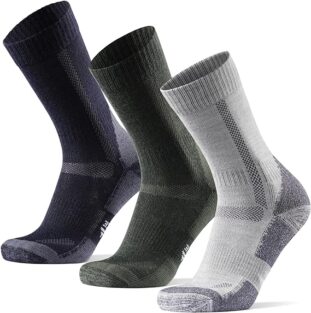
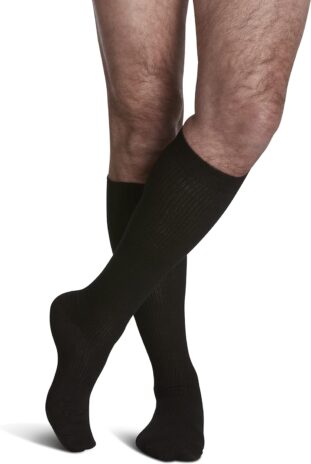
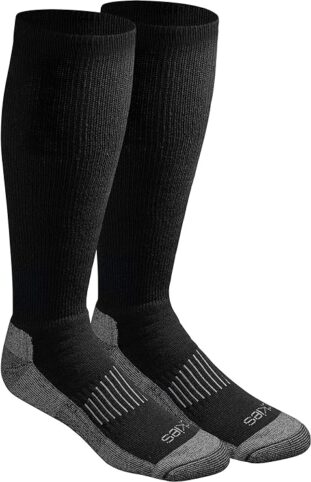
The compression sock examples shown throughout this article highlight different styles of compression socks for men, compression socks for women, and unisex options.
These examples help demonstrate the range of compression levels, materials, and designs available so readers can better understand how to choose compression socks that fit comfortably and support healthy circulation.
Below are several compression sock styles available on Amazon that illustrate these differences.
Danish Endurance Wool Compression Socks
Best for outdoor use and cold weather comfort.
Sigvaris Men’s Compression Socks
Medical-grade compression designed specifically for men’s leg proportions.
Dickies Men’s Compression Socks
Durable everyday compression socks designed for work environments.
Doc Miller Open Toe Compression Socks
Comfortable compression option suitable for medical use and open-toe footwear.
CWVLC Unisex Compression Socks
A versatile unisex compression sock designed to fit a wide range of users.
Quick Tip Before Choosing Compression Socks
If you’re unsure which compression socks may work best, start by focusing on fit and compression level rather than style.
• Compression socks for men usually offer wider calf sizing and longer foot lengths.
• Compression socks for women often provide a slimmer fit with more design options.
• Unisex compression socks work well for general circulation support when sizing is chosen carefully.
The examples shown throughout this article highlight several well-reviewed compression sock styles so you can explore different materials, compression levels, and fit options before choosing the pair that best supports your circulation and comfort.
👉 Check the examples highlighted in this guide to compare current pricing and user reviews.
Why Are There More Unisex Compression Socks for Purchase?
While unisex compression socks are prevalent, gender-specific options are still available for those who prefer them.
The most important factors in choosing compression socks are the level of compression, fit, and intended purpose, instead of the gender designation of the product.
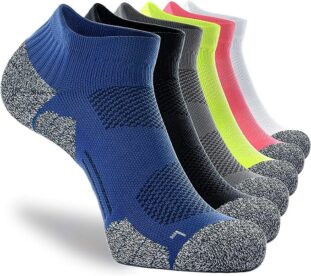
There are several reasons why there may be more unisex compression socks available for purchase compared to gender-specific ones:
Consumer Preferences: Some consumers prefer unisex compression socks because they offer more choices and versatility, allowing them to share socks with family members or friends if needed.
Market Size and Demand: The market for compression socks is huge, and many manufacturers aim to appeal to the widest possible audience.
Unisex compression socks can be worn by both men and women, which broadens their potential customer base.
Cost Efficiency: Producing unisex compression socks can be more cost-effective for manufacturers. They can streamline production by creating a single design that fits a wide range of people.
This reduces the need for multiple molds or designs tailored to specific genders.
Simpler Inventory Management: Unisex socks simplify inventory management for both manufacturers and retailers. They don not need to stock as many variations of sizes and designs, which can lead to more efficient supply chains.
Fashion and Style Trends: Many people prioritize fashion and style when choosing compression socks. Unisex options often offer a broader range of colors and patterns, allowing individuals to express their personal style without adhering to traditional gender color or design norms.
Conclusion – Compression Socks for Men or Women
Choosing between compression socks for men or women and unisex designs ultimately depends on fit, comfort, and personal preference.
Gender-specific socks often provide a more precise anatomical fit, while unisex compression socks offer flexibility and broader size availability.
The most important factors are choosing the correct compression level, ensuring proper sizing, and wearing compression socks consistently to support healthy circulation.
Related Articles
- Poor Circulation Problems in Seniors – The Real Dangers
- Compression Leg Socks – How to Select and Buy
- Best Products to Improve Poor Blood Circulation
- Stylish Compression Socks for Women
FAQ
Are compression socks for men or women better than unisex socks?
Compression socks for men or women may offer a better anatomical fit based on calf size and foot shape. However, well-fitting unisex compression socks can still provide effective circulation support.
What are the health benefits of compression socks?
Compression socks improve circulation, reduce swelling, relieve leg fatigue, and help prevent blood clots during long periods of sitting or travel.
How do I choose compression socks?
To choose compression socks, measure your calf size, select the proper compression level, and ensure the sock fits snugly without causing discomfort.
How should compression socks be worn?
Compression socks should be worn in the morning before swelling develops and pulled up smoothly without wrinkles to maintain consistent pressure.
References
Howley, E.K (2023) The Most Common Signs of Poor Circulation and How to Improve Them https://health.usnews.com/wellness/articles/how-to-improve-poor-circulation