

Learn which supplements for leg cramps may help, what vitamin or mineral deficiencies can trigger cramps, and what to try first for nighttime relief.
Leg cramps can be frustrating, painful, and surprisingly disruptive, especially when they keep happening at night. For many people, the first question is simple: what actually helps?
That is where supplements for leg cramps often come into the conversation. In some cases, frequent cramps are linked to low levels of key nutrients that support muscle contraction, nerve signaling, and electrolyte balance.
Magnesium, potassium, and certain vitamins are often part of that discussion.
This guide takes a practical look at supplements for leg cramps, including what deficiency causes leg cramps, which vitamin deficiency causes leg cramps, which mineral deficiency causes muscle cramps, and which products may be worth considering first.
What Are Muscle Cramps?
Most people already know what a muscle cramp is especially if they have experienced them. Muscle cramps are sudden, involuntary contractions that happen in one or more muscles. They often appear without warning, cause sharp pain, and can briefly make movement difficult.
They are intense, uncomfortable spasms that commonly affect the:
- legs
- feet
- hands
- arms
- neck
- back
They may come and go quickly, but when they happen often, they can interrupt sleep, reduce comfort, and make people wonder whether a nutrient deficiency is involved.
What Deficiency Causes Leg Cramps?
One of the most common questions is: what deficiency causes leg cramps?
In many cases, leg cramps are associated with low levels of:
- magnesium
- potassium
- certain B vitamins
- vitamin D
- sometimes vitamin E
That does not mean every cramp is caused by a deficiency. But it does explain why so many people start by looking into vitamins for leg cramps and mineral support before moving on to other options.
Cramps can have several causes, but deficiencies are common enough that they are worth looking at early, especially when cramps are frequent or happen mostly at night.
Mineral Deficiency Causes Muscle Cramps
A mineral deficiency causes muscle cramps more often than many people realize. Two of the most discussed minerals here are magnesium and potassium.
Magnesium
Magnesium is one of the first nutrients people think about when cramps keep returning.
It helps with proper nerve and muscle impulse transmission, and that low magnesium levels may contribute to:
- muscle weakness
- cramps
- spasms
- nervous-system-related symptoms
Magnesium levels may be affected by:
- poor diet
- heavy sweating
- vomiting or diarrhea
- medication use
- food processing that strips nutrients
Because magnesium supports muscle relaxation, it often becomes the first supplement many people try when cramps are recurring.
A deficiency in magnesium is also linked to depression, migraines, ADD, PMS, fibromyalgia, asthma, allergies, and type II diabetes.
Certain medications can cause magnesium loss, and foods high in fat and oxalic acid (such as almonds, chard, cocoa, rhubarb, spinach, and black tea) can hinder its absorption.
In addition, the body’s need for magnesium increases with higher intake of zinc and vitamin D.
If magnesium seems like the most likely fit for your symptoms, refer to this guide to magnesium supplements for leg cramps takes a deeper look at forms, dosage, and product options.
Potassium
Potassium is another major player. It supports:
- muscle contraction
- nerve transmission
- fluid balance
- heart and kidney function
While potassium is important, supplements usually provide only small amounts per serving, which is why food intake still matters a lot. Bananas, beans, tomatoes, potatoes, and oranges are all commonly cited sources.
The amount of potassium you need each day depends on your age and sex but you can get most of this from your daily diet. Most dietary supplements provide ONLY small amounts of potassium, not more than 99 -100 mg per serving.
That is why potassium for leg cramps can be helpful in some cases, but it is usually part of a broader electrolyte and nutrition picture rather than a magic fix.
If low electrolyte intake seems more likely, it may also help to refer to and compare the best potassium supplement for leg cramps before deciding what to try next.
What Vitamin Deficiency Causes Leg Cramps?
While minerals are often the first place to look, vitamin deficiency causes leg cramps too in some cases.
These are the most commonly linked vitamins:
- Vitamin D
- Vitamin B1
- Vitamin B6
- Vitamin B12
- Vitamin E
These vitamins for leg cramps matter because they support:
- nerve communication
- muscle strength
- circulation
- general muscle health
If these nutrients are low, muscles may become more prone to fatigue, poor signaling, and nighttime cramping.
Vitamin D
Vitamin D helps support muscle strength and overall function. When it is low, weakness and cramping may become more noticeable.
Vitamin B1, B6, and B12
These B vitamins help nerves communicate properly with muscles. When levels are low, that signaling can be affected.
Vitamin E
Vitamin E is sometimes discussed in relation to muscle circulation and cramps, especially in older adults.
When these vitamins are low, muscles may become more prone to fatigue, spasms, and nighttime cramps.
Supplements for Leg Cramps at Night
Supplements for leg cramps at night are especially popular because nighttime cramps are so disruptive. They interrupt sleep, cause sudden pain, and often feel harder to prevent.
Your original draft noted that nighttime cramps are particularly common in older adults and that supplements may help most when they are part of a bigger strategy that also includes:
- hydration
- nutrition
- general health management
When people are specifically looking for nighttime support, they usually want one of three things:
- muscle relaxation
- better electrolyte balance
- deeper, less interrupted sleep
That is why magnesium, potassium, and calming herbal support tend to dominate this conversation.
If you are dealing with frequent cramps, having the right supplement or topical on hand can make a noticeable difference – especially at night!
When cramps happen mostly after dark, understanding the causes of leg cramps at night can make it easier to choose the right support
Quick Product Summary Table
The table below gives a quick side-by-side view of the main supplements for leg cramps covered in this guide, including what each one is best suited for.
| Product | Main Nutrient / Type | Best For | Main Strength | Main Watch-Out |
|---|---|---|---|---|
| Naturelo Magnesium Glycinate Chelate Complex | Magnesium glycinate | Muscle relaxation and gentle daily support | Easy absorption and whole-food angle | May take time to notice results |
| CanPrev Pure Magnesium Bis-Glycinate 200 mg | Magnesium bis-glycinate | Gentle magnesium support | Multiple gentleness options | May not suit every stomach equally |
| Summit Magnesium Biglycinate 200 mg | Magnesium bisglycinate | Absorption, sleep, and muscle support | Broad wellness support | Needs consistent use |
| Vitality Relax+ All Herbal Supplement | Herbal blend | Stress, tension, sleep, and cramp support | Cramp bark plus calming herbs | Often sells out |
| Jamieson Potassium 100 mg | Potassium | Electrolyte support | Helps support fluid and electrolyte balance | Potassium supplements are low-dose only |
| Hyland’s Leg Cramps PM | Homeopathic quick-relief tablet | Night cramps and pain relief | Fast nighttime support | Not a true supplement and not preventive |
5 Helpful Supplements for Leg Cramps
This article reviews 5 helpful mineral supplements for leg cramps that are popular with consumers.
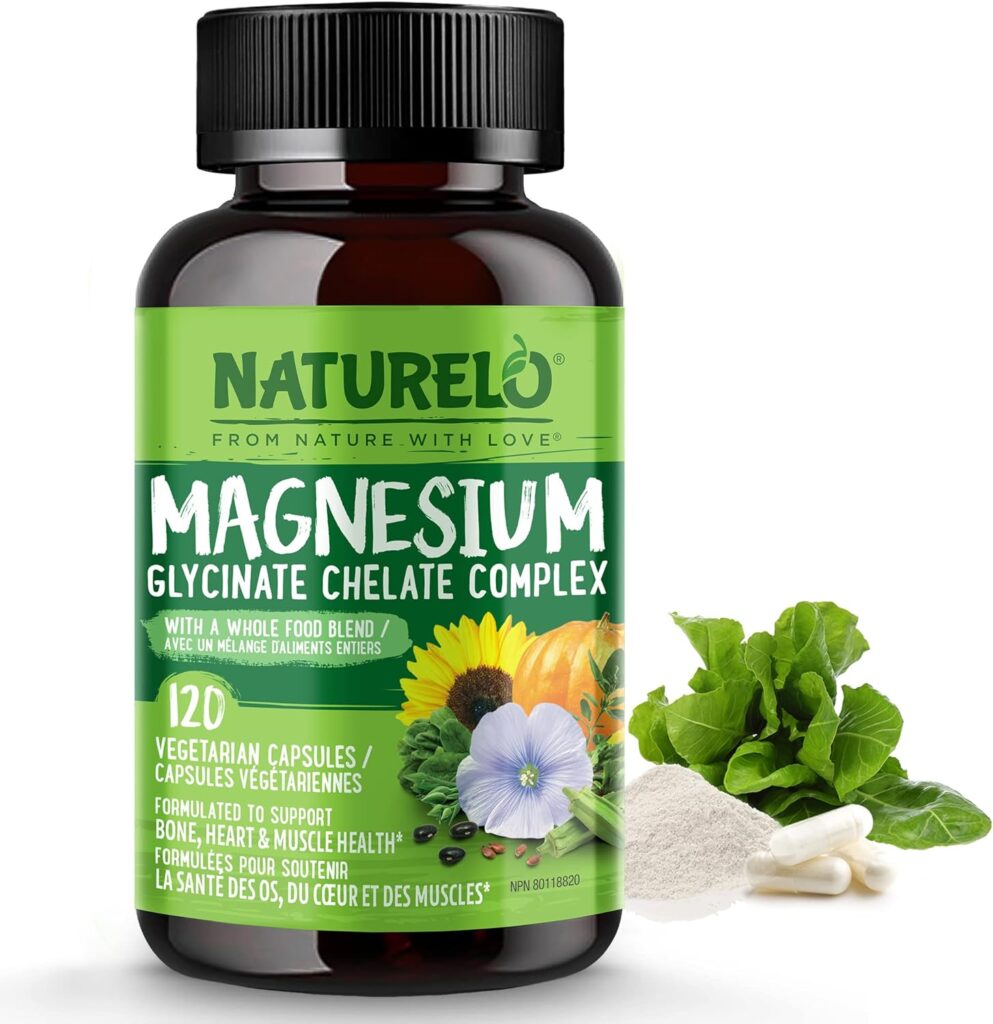
NATURELO Magnesium Glycinate Chelate Complex
This is a magnesium-focused supplement with a plant-based, whole-food style angle.
Best for: Gentle daily magnesium support
Main nutrient: Magnesium glycinate chelate
Why it stands out: This plant-based magnesium glycinate formula is positioned for easy absorption, calmer muscles, and better tolerance, with added organic vegetables and seeds.
Pros: Easy to take; gentle on the stomach; may support sleep and relaxation.
Watch-out: Results may take a few days, so consistency matters.
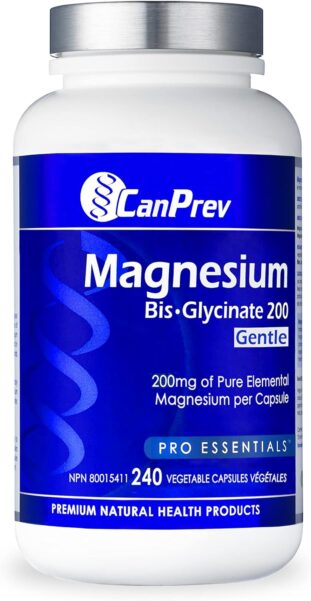
CanPrev – Pure Magnesium Bis-Glycinate 200mg
This is another strong magnesium option that is clearly positioned around gentler digestion and good absorption.
Best for: gentle magnesium support for sensitive digestion
Main nutrient: Magnesium bis-glycinate
Why it stands out: CanPrev emphasizes absorption and gastrointestinal gentleness, with different “Gentle” levels designed to be easier on the bowels than harsher forms of magnesium. It is also made in Canada and promoted as vegan and free from common allergens.
Pros: Highly absorbable; easier on digestion; available in Gentle, Extra Gentle, and Ultra Gentle options.
Main watch-out: Not everyone responds the same way, and benefits may not be noticeable right away.
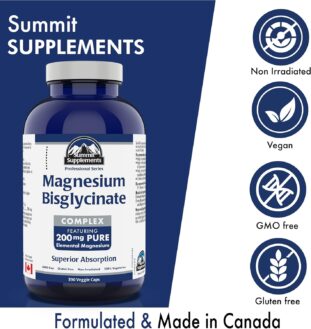
SUMMIT Magnesium Biglycinate – 200 mg
This is a broader magnesium supplement with a strong overall wellness angle.
Best for: Muscle support, sleep, and ongoing daily use.
Main nutrient: Magnesium bisglycinate
Why it stands out: This magnesium bisglycinate supplement is presented as highly bioavailable and easy on the stomach, while also linking it to muscle support, better sleep, relief from fatigue, and even restless legs at night.
Pros: Good absorption; may help with sleep and fatigue; made in Canada.
Main watch-out: Like many magnesium products, it usually needs consistent daily use to keep symptoms from returning.
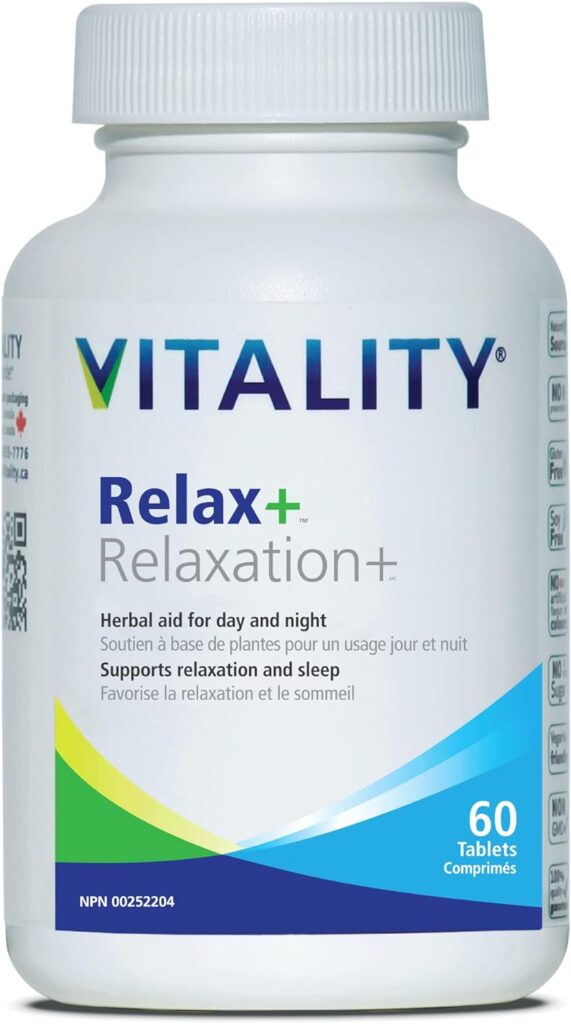
VITALITY Relax+ All Herbal Supplement
This one is different from the others because it is not mainly a mineral product. It is a calming herbal formula.
Best for: Stress, muscle tension, sleep, and cramp support
Main type: herbal blend
Why it stands out: This is the herbal option in the lineup, using passionflower, valerian, and crampbark to ease stress, anxiety, tension, sleep disruption, and cramps. That makes it a good fit for people whose nighttime cramps seem closely tied to poor sleep or general tension.
Pros: Non-habit-forming; flexible low-dose use; crampbark acts as a natural muscle relaxant.
Main watch-out: Because it is popular, it is sometimes out of stock.
JAMIESON Extra Strength Timed Release Potassium 100mg
This is the potassium-based option in the lineup.
Best for: Electrolyte balance and potassium support
Main nutrient: Potassium
Why it stands out: This gradual-release potassium product fits readers who suspect electrolyte imbalance may be part of the problem, especially where diet or medications may affect potassium levels. It is especially positioned toward people at higher risk of potassium depletion, including those on diuretics or certain diets.
Pros: Supports fluid balance; gradual-release formula; easy-to-swallow smooth capsules.
Main watch-out: Potassium supplements are low-dose by design, so food intake still matters a lot.

NOTE: Most dietary supplements provide ONLY small amounts of potassium, not more than 99 -100 mg per serving. You can get most of your daily potassium requirements from your food intake,
Need Faster Night Relief? One Bonus Option That Is Not a Supplement
This section is here for readers who want quicker symptom support, especially at night. But it is not part of the main five supplements.
Hyland’s Leg Cramps PM Tablets
Hyland’s Leg Cramps PM is better thought of as a quick-relief nighttime product than a nutrient supplement.
Best for: Faster nighttime cramp relief
Type: Non-supplement quick-relief tablet
Why it stands out: This is not a true supplement, but it may help with nighttime leg, calf, and foot cramps while also helping some people get back to sleep faster.
Pros: Fast-dissolving; may help at night; non-habit-forming.
Main watch-out: it helps with cramping episodes, but it is not preventive, so it does not replace a true nutrient-support approach. It does not solve recurring deficiency issues.

If you want faster symptom relief without swallowing another capsule, discover relief for leg or foot cramps: 5 topicals may be a better next step.
How to Choose the Right Supplement for Leg Cramps
Not everyone needs the same kind of support.
The best nutrients to consider first depend on whether the likely trigger is magnesium, potassium, vitamin support, or tension-related sleep disruption.
When Magnesium May Make More Sense
For many people, magnesium support is the first angle worth exploring, especially when nighttime cramping keeps coming back especially when:
- cramps happen often at night
- sleep is also an issue
- muscle tension is part of the problem
- digestion allows for supplement use
- the person suspects a low-magnesium pattern
When Potassium May Help
For some people, potassium support may make more sense when low electrolyte intake or fluid imbalance seems to be part of the problem. Also consider Potassium may be more relevant when:
- fluid and electrolyte balance seems off
- diet quality is poor
- the person uses diuretics
- potassium-rich foods are lacking
When Broader Vitamin Support May Be Worth Considering
If cramps come with other signs of low nutrient status, a broader vitamin-support conversation may make sense, especially when B vitamins or vitamin D may be part of the picture.
When to Talk to a Healthcare Provider First
This matters more when:
- cramps are persistent or worsening
- there are underlying health conditions
- multiple medications are involved
- the person is older and already medically complex
- weakness, swelling, numbness, or other concerning symptoms are also present
For a wider look at nutrient options beyond this shortlist, see our guide on what supplements help leg cramps and how they compare.
Conclusion: Which Supplements for Leg Cramps Make Sense?
The best supplements for leg cramps depend on why the cramps are happening in the first place.
If the issue seems tied to:
- muscle relaxation and nighttime cramping, magnesium may be the strongest place to start
- electrolyte balance, potassium may deserve attention
- tension, poor sleep, and general nervous-system strain, an herbal option may be worth considering
That is why this page works best as a broad guide. It helps you think about what deficiency causes leg cramps, which nutrient might be involved, and what to try first before jumping randomly between products.
And if magnesium seems like the most likely fit, our magnesium-specific guide becomes the next logical step.
Related Articles
- Different Forms of Magnesium Supplements – What Forms are Best?
- Leg Cramp Causes – 6 Medical Conditions That are Hidden Culprits
- Magnesium Supplement Benefits – How to Know The Use
- Reasons for Leg Cramps – Natural Remedies That Work
- Leg Cramps in Seniors – A Seriously Painful Experience
FAQ
What supplements help leg cramps?
The most common supplements for leg cramps include magnesium, potassium, calcium, vitamin D, and B vitamins because they help support muscle contraction and electrolyte balance.
What deficiency causes leg cramps?
A mineral deficiency causes leg cramps most often, especially low magnesium or potassium, because both affect muscle contraction and nerve signaling.
What vitamin deficiency causes leg cramps?
Vitamin deficiencies linked to cramps include vitamin D, vitamin B1, vitamin B6, and vitamin B12 because they help support muscle and nerve function.
Do supplements help leg cramps at night?
Yes, in some cases. Supplements for leg cramps at night may help improve muscle relaxation and electrolyte balance, especially when low magnesium or potassium is part of the problem.
What is the difference between a supplement and a quick-relief cramp tablet?
A supplement is usually meant to support the body over time and help prevent recurring cramps, while a quick-relief cramp tablet is meant to help during an active episode.
References
Blyton, F et al (2012) Unknotting night-time muscle cramp: a survey of patient experience, help-seeking behaviour and perceived treatment effectiveness https://onlinelibrary.wiley.com/doi/10.1186/1757-1146-5-7
Garrison, S. R et al (2020) Magnesium for skeletal muscle cramps https://www.cochranelibrary.com/cdsr/doi/10.1002/14651858.CD009402.pub3/full
Maughan, R.J & Shirreffs, S.M. (2019) Muscle Cramping During Exercise: Causes, Solutions, and Questions Remaining. Sports Med 49 (Suppl 2), 115–124 (2019).https://link.springer.com/article/10.1007/s40279-019-01162-1
Potassium Fact sheet for Consumers https://ods.od.nih.gov/factsheets/Potassium-Consumer/#