

In this guide, we look at the common reasons for leg cramps, explain when medical conditions may be involved, and share practical home remedies for leg cramps that may help ease discomfort.
Leg cramps are sudden, painful muscle contractions that most often affect the calves, thighs, or feet. If you experience them regularly, understanding the reasons for leg cramps can help you identify possible triggers and decide what steps may provide relief.
Leg cramps can happen during activity, while sitting for long periods, or at night while you are asleep. They also become more common with age.
Common contributing factors include muscle fatigue or overuse, dehydration, low levels of certain minerals, some medications, and underlying health conditions. In many cases, however, there is no single obvious cause.
We will also point you to more detailed guides on nighttime cramps, vitamin and mineral deficiencies, supplements, and other treatment options.
If your cramps are severe, happen frequently, or occur with swelling, skin changes, weakness, or numbness, speak with a healthcare professional rather than relying only on home treatment.
If you need ideas for immediate topical comfort when a cramp strikes, see our guide to Best Topical Relief for Leg or Foot Cramps.
What Are the Most Common Reasons for Leg Cramps?
Muscle Fatigue and Overuse
Muscle fatigue and overuse are among the most common reasons for leg cramps. A long walk, strenuous exercise, prolonged standing, or suddenly increasing your activity level can place more demand on muscles than they are accustomed to.

This can be particularly relevant for older adults who have been less active and then suddenly undertake a demanding activity.
With age, muscle mass and conditioning may also decline, making muscles easier to fatigue.
If you are starting or returning to exercise, increase activity gradually and give your muscles time to adjust. Regular gentle movement and stretching may also help maintain flexibility and conditioning.
Muscle overuse/strain is well established as a common cause, and Mayo Clinic specifically identifies age and poor conditioning as factors that can make muscles fatigue more easily.
Dehydration and Fluid Loss
Dehydration can contribute to muscle cramps, especially after exercise, heavy sweating, illness, or inadequate fluid intake. Fluids and electrolytes are important for normal muscle and nerve function.
Staying adequately hydrated is therefore a sensible part of preventing cramps when fluid loss may be involved. However, dehydration is only one possible cause, and drinking more water will not prevent every type of leg cramp.
MedlinePlus includes dehydration among recognized causes of muscle cramps.
Staying hydrated ensures muscles get the nutrients they need, reducing cramping and promoting better overall muscle performance.
Low Levels of Certain Minerals
Low levels of certain minerals, including potassium, calcium, and magnesium, can contribute to muscle cramps in some people. These minerals help support normal muscle contractions and nerve signalling.
However, not every leg cramp is caused by a mineral deficiency, so frequent cramps should not automatically be treated by taking supplements.
If you are concerned about a possible deficiency, especially if you take medications or have a chronic health condition, discuss it with your healthcare professional.
For a closer look at this issue, see our guide to Vitamin Deficiency and Leg Cramps.
Mayo and MedlinePlus both recognize low potassium, calcium or magnesium as possible contributors, but neither describes mineral deficiency as the most common cause of all leg cramps.
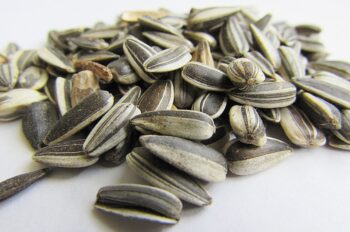
Sea kelp is one of the highest sources of calcium along with small-boned fish like anchovies or sardines and eating them will boost your calcium levels.
Certain Medications
Some medications can contribute to muscle cramps or muscle discomfort. This may occur because of the medication itself or, in some cases, because it affects fluid or mineral balance.
If your leg cramps began or became noticeably worse after starting or changing a prescription, speak with your healthcare professional or pharmacist. Do not stop a prescribed medication on your own.
It is also helpful to review your full medication list because older adults often take several prescriptions, and side effects or interactions can sometimes contribute to new symptoms.
Aging, Inactivity, and Muscle Conditioning
Leg cramps become more common with age. One reason may be that muscles gradually lose mass and strength, making them easier to fatigue. Long periods of inactivity can also leave muscles less conditioned for sudden or strenuous activity.
Regular gentle movement, appropriate strength and flexibility exercises, and gradually increasing activity can help support overall muscle health. If mobility or balance is a concern, choose activities that are appropriate for your abilities.
Mayo identifies age and poor conditioning as risk factors for muscle cramps.
What are the Reasons For Leg Cramps at Night?
Night leg cramps, also called nocturnal leg cramps, are sudden and often painful muscle contractions that occur while you are resting or sleeping. They most commonly affect the calf but can also occur in the feet or thighs.
In many cases, the exact reason they happen at night is not known. Muscle fatigue, changes in nerve activity, dehydration, inactivity, certain medications, and some underlying health conditions may contribute.
The likelihood of experiencing nighttime leg cramps also increases with age.
Night leg cramps can easily be confused with restless leg syndrome, but they are different conditions. A leg cramp causes a sudden, painful tightening of a muscle, while restless leg syndrome is usually characterized by an urge to move the legs and uncomfortable sensations rather than a painful muscle contraction.
If your cramps occur mainly while you sleep, see our detailed guide to Causes of Leg Cramps at Night – How to Stop Them, where we look more closely at nighttime triggers, prevention strategies, and what to do when a cramp wakes you.
Reasons for Leg Cramps: When a Medical Condition May Be Involved
Most occasional leg cramps are harmless, but sometimes recurrent or unusual leg cramps can be associated with an underlying health condition.
Problems affecting blood flow, nerves, kidney function, thyroid function, or other aspects of health may contribute to muscle cramping or produce leg pain that feels similar to a cramp.
For example, reduced blood flow from peripheral artery disease (PAD) can cause aching or cramping in the calves, thighs, or hips during walking or exercise.
This discomfort typically improves with rest. Nerve compression can also cause cramp-like leg pain, particularly when walking or standing.
Certain medical conditions, including diabetes and disorders involving the nerves, thyroid, kidneys, or liver, may also increase the likelihood of muscle cramps.
This is one reason frequent cramps should not automatically be blamed on dehydration or a mineral deficiency.
When Leg Cramps Need Medical Attention
Speak with a healthcare professional if your leg cramps:
- happen frequently or are becoming more severe;
- do not improve with stretching or other simple self-care;
- occur with muscle weakness, numbness, swelling, redness, warmth, or skin changes;
- repeatedly occur when walking and improve when you stop and rest; or
- began after a new medication or a significant change in your health.
These symptoms do not necessarily mean that something serious is wrong, but they deserve further evaluation rather than relying only on home remedies.
Mayo Clinic specifically recommends medical assessment for frequent or severe cramps, cramps that do not improve with self-care, or those accompanied by swelling, skin changes or weakness.
Important: Sudden one-sided leg swelling, warmth, redness, or unexplained severe pain should not simply be treated as an ordinary muscle cramp. Seek prompt medical advice.
Several health conditions can produce cramping or cramp-like leg pain. For a more detailed discussion of warning signs and possible underlying conditions, see Leg Cramp Causes: 6 Medical Conditions That Are Hidden Culprits.
10 Home Remedies for Leg Cramps That May Help
Once you understand the possible reasons for leg cramps, simple home measures may help with occasional symptoms.
When a painful leg cramp strikes, the first priority is to help the tightened muscle relax. For occasional cramps, several simple home remedies for leg cramps may provide relief or help reduce how often they occur.
Not every remedy works for everyone, and recurring cramps can have different causes. These strategies are most appropriate for occasional muscle cramps rather than cramps caused by an underlying medical condition.
1. Gently Stretch the Cramped Muscle
Stretching is one of the simplest things to try during a leg cramp. If the cramp is in your calf, straighten the affected leg and gently pull your toes toward your shin or face until you feel the calf stretch.
Hold the position for several seconds without bouncing or forcing the movement.
For a front of the thigh cramp, hold onto a stable chair or other stable support and gently bring your heel toward your buttock if you can do so safely. Stop if the movement causes pain.
For a hamstring cramp at the back of the thigh, keep the leg extended and gently stretch the muscle without bouncing or forcing the movement.
Stretching and gently rubbing the muscle are among the self-care measures recommended for muscle cramps.
2. Massage the Tight Muscle
Gently massaging the cramped area may help the muscle relax. Use your hands to rub the muscle slowly rather than applying hard or painful pressure.
If the leg is swollen, red, unusually warm, or very tender, avoid vigorous massage and seek medical advice because those symptoms may indicate something other than an ordinary muscle cramp.
3. Stand or Walk Briefly — If It Is Safe
If your balance and mobility allow, standing and placing some weight on the affected leg may help release a calf or hamstring cramp. Slowly walking around the room can sometimes help as well. Both Mayo Clinic and the NHS include standing or movement among measures that may ease a cramp.
For seniors with balance difficulties, use a stable support and avoid suddenly getting out of bed in the dark.
4. Apply Warmth to a Tight Muscle
A warm towel, heating pad, warm shower, or bath can be soothing when a muscle remains tight.
Use comfortable rather than excessive heat, particularly if you have reduced sensation in your feet or legs. Mayo Clinic includes warmth among the self-care approaches that may help relax a cramped muscle.
5. Try Cold for Soreness After the Cramp
The muscle can remain tender even after the actual cramp has stopped. A cold pack wrapped in a towel may help with lingering soreness.
Avoid placing ice directly against your skin. Mayo Clinic notes that rubbing or cooling the sore muscle with ice may help relieve pain after a cramp.
6. Stay Adequately Hydrated
Dehydration can contribute to muscle cramps in some circumstances, particularly after heavy sweating, exercise, illness, or inadequate fluid intake. Drinking enough fluids throughout the day can therefore be a sensible part of preventing cramps.
However, drinking extra water will not prevent every leg cramp because dehydration is only one possible cause.
If your doctor has placed you on a fluid restriction because of a heart, kidney, or other medical condition, follow that advice rather than increasing your fluid intake on your own.
7. Stretch Your Calves Regularly
Gentle stretching does not have to wait until a cramp occurs. Regular gentle stretching may help some people who experience recurring cramps, particularly before or after physical activity.
If your cramps usually happen at night, a gentle calf stretch before bed may also be worth trying. although stretching may not prevent nighttime cramps. completely.
A simple approach is to stand facing a wall, place one foot behind the other, keep the back heel on the floor, and gently lean forward until you feel the calf stretch.
Avoid bouncing or stretching to the point of pain.
However, recurring nighttime cramps can have several possible causes. If they frequently wake you from sleep, see our detailed guide to Causes of Leg Cramps at Night: How to Stop Them for more specific prevention strategies.
8. Increase Physical Activity Gradually
Suddenly asking an unconditioned muscle to do much more than usual can contribute to muscle fatigue and cramping.
If you have been inactive, gradually increase walking, exercise, or other physical activity instead of making a dramatic jump in intensity. This can be particularly important for older adults because muscle mass and conditioning tend to decline with age.
Gentle, regular movement is usually more sensible than alternating long periods of inactivity with occasional strenuous activity.
9. How to Stop Leg Cramps at Night: Create a Simple Bedtime Routine
If your cramps mainly occur while you sleep, a few minutes of gentle calf stretching before bed may be worth trying. Mayo Clinic also suggests that light activity, such as a few minutes on a stationary bicycle, may help some people with nighttime cramps.
Because nighttime cramps have their own triggers and patterns, see our detailed guide to Causes of Leg Cramps at Night if they frequently interrupt your sleep.
10. Track Your Triggers
Sometimes the most useful home strategy is identifying a pattern.
For a week or two, make a brief note of:
- when the cramps occur;
- what activity you did that day;
- whether you exercised or perspired heavily;
- whether the cramps happen primarily at night;
- any recent changes in medications; and
- whether you notice other symptoms such as numbness, weakness, or swelling.
This information can help you recognize possible triggers and can also be useful if you need to discuss recurring cramps with your healthcare provider.
Prefer a topical option?
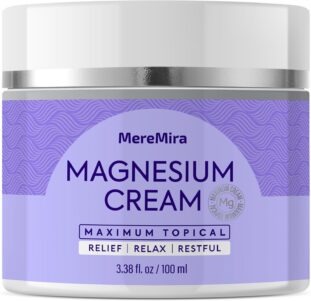
If stretching, warmth, and massage are not enough, some people like having a topical product on hand for temporary relief after a painful cramp. One option to consider is MEREMIRA Magnesium Cream. Check current price and reviews on Amazon.
A Quick Reminder About Natural Remedies for Leg Cramps
Many products and supplements are marketed as natural remedies for leg cramps, but “natural” does not automatically mean proven, effective, or appropriate for everyone.
Simple measures such as stretching, massage, heat, movement, adequate hydration, and sensible activity habits are reasonable places to start for occasional cramps.
If cramps happen frequently, are severe, repeatedly wake you from sleep, or occur with weakness, swelling, redness, numbness, or other unusual symptoms, the underlying cause deserves medical evaluation rather than continued trial-and-error with home remedies.
Looking for nighttime comfort?
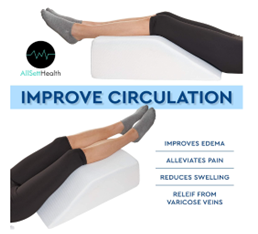
Some seniors also use leg or knee pillows to improve sleeping position and comfort. See Leg Cramps in Seniors: The Best Leg Pillows for Night Relief for the different types and what to consider when choosing one.
What About Supplements for Leg Cramps?
Because the reasons for leg cramps vary, supplements are not appropriate for every case
Supplements are often promoted for leg cramps, particularly products containing magnesium, potassium, or calcium.
These minerals are important for normal muscle and nerve function, and low levels can contribute to muscle cramps in some people.
However, many leg cramps occur without a confirmed mineral deficiency, so taking a supplement does not necessarily mean the cramps will improve.
Magnesium is one of the most commonly suggested supplements for muscle cramps, but evidence for routinely using it to prevent ordinary leg cramps in older adults is limited.
This is another reason to look for the underlying cause rather than assuming magnesium is the answer.
Potassium deserves particular care. Low potassium can cause muscle cramps, but potassium supplements are not appropriate for everyone.
People with kidney or heart conditions, or those taking certain blood-pressure medicines such as ACE inhibitors or potassium-sparing diuretics, may be at risk of potassium becoming too high.
If you experience frequent cramps and suspect a nutritional deficiency, speak with your healthcare professional or pharmacist before starting a new supplement.
They can help determine whether testing, dietary changes, or supplementation is appropriate for you.
Leg Cramps Treatment: Which Supplement Guide Do You Need?
If you would like to explore this subject further:
- Wondering which nutrients or deficiencies may be involved? See Vitamin Deficiency and Leg Cramps.
- Want to compare different supplement options? See 5 Helpful Supplements for Leg Cramps.
- Specifically researching potassium? See Best Potassium Supplement for Leg Cramps.
Conclusion: Understanding the Reasons for Leg Cramps
Leg cramps can be painful and disruptive, particularly when they happen repeatedly or wake you during the night. Understanding the possible reasons for leg cramps is the first step toward choosing an appropriate way to manage them.
For occasional cramps, simple measures such as gentle stretching, massage, warmth, adequate hydration, and gradually increasing physical activity may help.
These home remedies for leg cramps are easy to try, but no single remedy works for everyone because cramps can have many different causes.
If your cramps are frequent, severe, or accompanied by symptoms such as swelling, weakness, numbness, redness, or skin changes, speak with a healthcare professional rather than relying only on home treatment.
A medication, nutritional deficiency, circulation problem, nerve issue, or another health condition may need to be investigated.
And if you want to explore a specific aspect of leg cramps in more detail, our related guides cover nighttime leg cramps, vitamin and mineral deficiencies, supplements, medical causes, and topical relief.
FAQ for Reasons for Leg Cramps
What are the most common reasons for leg cramps?
Frequent leg cramps can have several possible causes, including muscle fatigue, overuse, dehydration, certain medications, low levels of some minerals, aging, and underlying medical conditions.
In many cases, however, there may not be one obvious cause.
If cramps are becoming more frequent or severe, it is worth discussing them with a healthcare professional rather than assuming they are caused by dehydration or a nutritional deficiency.
What deficiency can cause leg cramps?
Low levels of minerals such as potassium, magnesium, or calcium can contribute to muscle cramps in some people. However, not every leg cramp is caused by a deficiency.
If you suspect nutrition may be involved, see our guide to Vitamin Deficiency and Leg Cramps before automatically starting a supplement.
How do I stop a leg cramp when it happens?
Gently stretching the cramped muscle is one of the first things to try. Massage, standing or walking briefly if it is safe, and applying warmth may also help the muscle relax.
If the muscle remains sore after the cramp has stopped, a wrapped cold pack may provide additional comfort.
Why do I get leg cramps at night?
Night leg cramps become more common with age, but the exact cause is often unclear. Muscle fatigue, inactivity, some medications, and certain health conditions may contribute.
If your cramps occur mainly while you sleep, our dedicated guide to Causes of Leg Cramps at Night: How to Stop Them covers nighttime triggers and prevention in greater detail.
When should I worry about leg cramps?
Occasional leg cramps are common, but seek medical advice if they are frequent or severe, do not improve with simple self-care, or occur with symptoms such as swelling, redness, warmth, numbness, muscle weakness, or skin changes.
Cramps or cramp-like pain that regularly occurs while walking and improves with rest should also be discussed with a healthcare professional.
References
Mayo Clinic (2023) Muscle Cramps. https://www.mayoclinic.org/diseases-conditions/muscle-cramp/symptoms-causes/syc-20350820
MedlinePlus NIM. Muscle Cramps. Also called: Charley horse https://www.medlineplus.gov/musclecramps.html
















Hello Ceci,
The body is an amazing system, having no idea that lack of Vitamin E or even lack of salt would have such a knock on effect when it comes to cramps.
As a sufferer of leg cramps and restless leg I have often assumed it’s due to poor warm up and cool down stretching.
I am hugely impressed with the research that went into this article and was found purely by accident. Now I have found Metamorphosis Hub I shall be a frequent visitor.
Thank you for sharing your knowledge
Cordelia
Delighted that you found us Cordelia! Thank you also for your kind comment. Research is so important to me as i really like to understand these topics and how they apply to me. Glad that you found value in the article!
Please subscribe to our newsletter so that you receive notifications and additional news articles – and never have to miss out!
Ceci
Wow
Now this article was useful. As an athlete I have had a lot of cramps when I was dancing and I used to wonder what it is mainly caused by. I have heard about the salt and thus increased often however it continued to happen (the cramps) the other aspect that I learnt is that it is not just about salt it could also be ELECTROLYTES which I had no idea about.
Thabo, I am delighted that the article provided you with value and taught you something new! As an athlete you should now focus on how to avoid these cramps and spasms.
Ceci
Ceci,
This information is great. I actually have a fiend that has muscle spams in her legs, and she can’t ever sleep because of it. Her doc diagnosed her with restless leg syndrome, and I’ve seen her struggle with this for years. While she does get meds for this, I bet the natural remedies will help as well. I feel bad for her, since she’s gone so far as had some compression therapies out of state for her legs.
I’ll have to share this with her, so thank you for posting this!
Katrina
Hi Katrina,
So sorry to hear about your friend’s condition. Please share with her. I incorporate several of these natural cremedies into my diet and I can confidently say that my bouts of leg cramps have stopped.
Ceci
Hi Ceci,
Thanks for showing us the reasons people can leg cramps. I must say it’s very comprehensive and educational. I am glad that you also provide natural remedies & exercises to reduce cramps or relieve the pain instead of medications. I am also a huge fan of natural remedies, so your article caught my eye while I scroll down reading.
I don’t have leg cramps easily because I stretch my body often during the day and before bed. Besides, I also use three leg-alignment belts while I sleep, so it helps more or less.
Cheers,
Matt
Hello Matt,
Thanks for the read. I am a strong proponent of natural remedies first. Sometimes it may be necessary to move up to more formal medication if this is prescribed by the doctor.
Ceci
yes helpful appreciate will try a few many thanks
Hi Dianne, Thanks for visiting the website and reading this article. I hope one of these remedies may work for you. I found many of them helpful. There are several other articles on leg cramps on this site.
Do your cramps mainly occur during the day or do they occur at night? Check out this article – https://metamorphosishub.com/causes-of-leg-cramps-at-night-how-to-stop-them/ Please let me know either way. I’m sure other members of the community would love to know!
However, if you find that these pesky cramps are not going away, I suggest that you schedule an appointment with your healthcare provider just to ensure that there are no underlying medical conditions causing them.
Ceci
Hi Ceci,
This is great information. I often get tight calves and sometimes cramps. I had known about magnesium and eating almonds could help but you have provided a LOT more solutions and causes to be aware of. Have to love those sunflower seeds and pumpkin seeds.
Good tips too on stretching and recovering the muscle when we get a cramp. I had just been doing the traditional calf stretches but you have suggested a few more good things to do.
Thank you, John
Hi John,
Delighted that you got value from the article! Consider subscribing for the newsletter as you will get even more information!
Ceci
Hi Ceci, thanks for this great reminder on cramps and how to deal with them. I am active sportsman(used to do professionally soccer) so I come in contact with cramps time-to-time. I can say that the proper stretching is here the key (at least in my case). As older I get, as more important it is. Nowadays, I do stretching even for 20-30 minutes and I see huge difference. Anyway, it is very interesting to see, that even such a small detail like low vitamin E can cause it. Great post, please keep up this great work. Cheers
Hi Julius,
You are right that stretches do help as long as you don’t overdo them and end up getting sore. Keeping a healthy and active lifestyle is always recommended.
Ceci
Hi Ceci,
Thank you for a useful article.
I occasionally get leg cramps and had been told that it was probably a lack of salt and that I should eat a bag of crisps!
I hadn’t realised that there were so many other possible causes.
It is so useful to see a bigger picture.
All the best,
Julia
Delighted that you have gained a better understanding of this painful issue 🙂
Ceci
Lots of very useful tips in this article and so fully explained. l will do as many of the said suggestions as I can. Thank you for the well presented article.
Hi Maria,
I am so delighted that you found value in the article! I also hope that in the near future you might share your results on this platform. Do stop by frequently for more value giving articles – or better still, subscribe to our newsletter and be one of the first to be notified as new articles are posted.
Regards,
Ceci
Hello, what a great site. i am 84 and have started to suffer leg cramps at night. i rub the effected muscle and this helps. to strengthen my legs i do about 200 squats a week.
I will now start taking Vitamin “E”, Almonds and sunflower seeds from today, Thursday 17 November 2022.
Thanks again. Regards Roy Chinery.
Hi Roy,
Delighted that you love the site and that you found value in this article!
Leg cramps at night are really awful!. I suffered from them myself a while back – which is what prompted this research. Understanding the causes and preventive things to do truly changed the situation and they are now history! Consider signing up for our Insiders Weekly so that you are one of the first to know of new articles.
Regards,
Ceci
Just found you today as I researched this subject on the Mayo Clinic site. I am suffering increasingly from feet spasms, especially during the night but also during the day while doing tasks or being driven and can’t press them out easily. They have now spread to both hands and it is happening more than once on both feet and hands every day. I’ve been given medications that may be worsening the condition and appreciate the information. My background is as a dancer and fitness specialist and more, so I know about the overuse and stretching issues etc. Applying a heat liniment seems to help but it is very concerning that it is getting worse in both my hands and feet now. Don’t know if I will be able to find a response unless you email me directly. Thank you for your help.
Hi Margo,
Delighted that you found the site! I most certainly empathize with you, because I can appreciate the level of pain these pesky leg cramps cause having been a sufferer before myself. I hope you are aware that I am not a physician so I cannot provide information in that capacity, but I do have a strong academic background blended with my own personal experience I can share.
It is worrisome that the spasms seem to be spreading to your hands as well. Were you given the meds you are taking by a doctor? If so, have you gone back to explain the worsening condition? My first recommendation is that you see a doctor as soon as you can – if you have not seen one yet. You may benefit from consulting another doctor altogether if the doctor you have previously seen is the one that gave you the meds which appear to be worsening the condition. There are certain medical conditions that can cause leg cramps and muscle spasms, so you should have the doctor check this angle. Here is Metamorphosis Hub article about medical conditions that may cause cramps:
https://metamorphosishub.com/leg-cramp-causes-6-medical-conditions-that-are-hidden-culprits/
Now back to some tips that you may find helpful. Keep in mind that no two people are alike and what works for me may not work for you. I was truly amazed to receive so many responses from fellow sufferers when I wrote a bunch of articles on leg cramps. I never knew that there were so many people dealing with the problem. Many even wrote to share the remedies that worked for them.
I found that painstakingly conducting trial and error with various remedies (a slow process) and closely watching for triggers helped me and another friend tremendously. I recommend that you hydrate and drink loads and loads of water throughout the day. Don’t wait till evening time to do this faithfully as it will increase your frequency to the bathroom and keep you up for most of the night! I also found that caffeine seemed to be my trigger. I cut back to just one cup a day and in conjunction with drinking copious amounts of water, I experienced great relief. No more cramping while driving, or during the night and I rarely experience them anymore. Once again, this is what worked for me.
Applying hot or cold compress to the affected areas seem to offer relief and I note that you are already doing so.
I hope all this helps. Do share your results with the community as someone could benefit from your experience.
Good luck,
Ceci
I have been having horrible leg and feet cramps. Have tried everything. They are happening on my ankles, the side of my legs. I’m taking magnesium supplement and lotion. Stretching every morning and night, using a foot massager, wearing compression leg sleeves. Nothing seems to work. I’m 87 and have been practicing yoga for most of my life and have always lived a healthy lifestyle. My doctor has checked my medications and can’t find a reason there. I now have an appointment to see a neurologist
So sorry to read of your dilemma Pauline, especially since it seems that you have tried everything!. I am however pleased to learn that your visit to your doctor has resulted in a referral to a neurologist because there could be an underlying medical condition. I hope that visit identifies the cause.
Did you know that certain medical conditions can also cause muscle cramps? Check out this article for additional information https://metamorphosishub.com/leg-cramp-causes-6-medical-conditions-that-are-hidden-culprits/
I have ruled out most of these situations that can cause leg cramps. My question is …. I had MRI and CT scans about 2 years ago that showed severe problems in my lower back. I have never had any back pain from this, however, I did experience leg pain for about 6 months. At this time I feel good (except for the severe leg cramps during the night). I am almost 79 years old … go to the gym 3-4 times a week, bike ride, volunteer at a gift shop 2-3 days a week (on my feet for 4-5 hours at a time), usher at local theaters — in other words, very active and pretty fit for my age. CAN THE NERVES IN MY BACK BE COMPRESSING TO CAUSE LEG CRAMPS? I only get them during the night … not during the daily activities.
Firstly, I would like to admire your level of activity for your age. It is indeed commendable because while I am yet in the early 70’s I would certainly love to be in your league (:-)! One nerve related AND quite painful issue I have experienced is the one for pyriformis syndrome / sciatic pain due to prolonged sitting (especially on an uncomfortable chair – I dare say) where there is a compression on the nerve running down your leg! Type “back pain” into the search box at the top of the site to read more in articles.
My honest recommendation is that you visit your doctor to look into this for you, as there are also certain underlying medical conditions that can trigger leg cramps, and you need to eliminate these. Night leg cramps (especially in side sleepers – myself included) can also be brought on by the alignment of the spine putting pressure on the nerves. A knee pillow helps to properly align your spine and reduce pressure during sleep. This has worked for me and you could give this a try (there is an article about leg cramps and knee pillows on the site as well), but please have a chat with your doctor to rule out any medical causes of these cramps.