

Learn how to manage multiple prescriptions safely with 7 practical tips for seniors, plus tools that help prevent missed doses and mix-ups.
Managing several prescriptions can feel like a part-time job. One pill is before breakfast. Another is with food. One tablet looks almost identical to another. Then there is the question that quietly sits in the background: Are all of these still necessary?
If that sounds familiar, you are not alone. Older adults are more likely than any other age group to live with several chronic conditions and to take multiple medications, and using five or more medicines a day is commonly described as polypharmacy.
That can raise the risk of side effects, drug interactions, falls, and medication mistakes if the routine is not managed carefully.
A woman I know once kept her morning tablets in one kitchen cupboard, her bedtime medication in the bathroom, and her “only if needed” pills in a purse pocket. It worked until it didn’t.
One rushed afternoon, she doubled a dose because she genuinely could not remember whether she had taken it. That little scare taught her something important: when the system is fuzzy, mistakes become much more likely.
The good news is that learning how to manage multiple prescriptions does not require a medical degree. It usually comes down to a few repeatable habits that make your routine safer, simpler, and easier to follow.
Why Learning How to Manage Multiple Prescriptions Matters More With Age
As you age, the body can process medicines differently. Side effects may hit harder. A dose that once felt fine may suddenly cause dizziness, confusion, stomach upset, or extra sleepiness.
Mayo Clinic notes that older adults are at higher risk of medication-related problems such as taking an unnecessary medication, taking the wrong dose, or having harmful side effects.
That is why medication safety and daily routine matter so much. The issue is not only remembering what to take. It is also making sure the medication plan still makes sense for your life now.
What Is Polypharmacy and Why Should Seniors Care?
So, what is polypharmacy? In simple terms, it usually means taking five or more medications at the same time. NIH’s StatPearls and Health Canada both use that five-or-more definition in older adults.
Polypharmacy is not automatically bad. Some people truly need several medications. The concern starts when the mix becomes hard to manage, medications are duplicated, side effects build up, or one drug creates a problem that leads to another prescription.
That is where polypharmacy safety becomes less about numbers and more about fit. Does every medicine still have a clear job? Does the routine feel manageable? Are you feeling better, or just more tired and foggy?
The Impact of Polypharmacy on Elderly Adults and Daily Life
The impact of polypharmacy on elderly adults can show up in small ways first. A little more fatigue. A little more dizziness. A little more trouble keeping track of everything. Over time, those small issues can affect balance, confidence, and independence.
Health Canada notes that polypharmacy in older adults is associated with undesirable drug interactions and related health effects, including a higher risk of falls.
The National Institute on Aging also warns that inappropriate polypharmacy can increase the risk of cognitive problems, harmful interactions, and medicines that no longer match the person’s goals of care.
And then there is the aspect of quality of life.
When the routine becomes complicated, some people start skipping doses, taking pills late, or avoiding outings because they are worried about getting the schedule wrong.
7 Proven Ways to Manage Multiple Prescriptions Safely
#1. Keep One Complete Medication List
This sounds simple, but it is one of the smartest things you can do.
Write down:
- prescription medications
- over-the-counter medicines
- vitamins
- supplements
- as-needed medicines
- dose and time taken
- why you take each one
Bring this list to every medical appointment. A complete list makes it much easier to spot duplicate medicines, confusing instructions, and possible interactions.
A good list should also include allergies and the name of the doctor who prescribed each medication. That one detail can save a lot of confusion later.
#2. Learn How to Have a Medication Review With Your Doctor
If you are wondering how to have a medication review with your doctor, start by bringing all your medications or an updated list to the appointment and asking clear questions:
- Do I still need this?
- Is there anything here that overlaps?
- Could any of these be causing dizziness, sleepiness, or stomach issues?
- Is there a simpler way to schedule these?
This is where a lot of people hesitate because they do not want to seem difficult. But a medication review is not complaining. It is good self-care.
One older man I know assumed his tiredness was “just aging.” During a review, it turned out that one medication was making him groggy and another no longer made much sense. A few careful changes later, he felt steadier and more like himself again.
#3. Start Understanding Drug Interactions in Polypharmacy
You do not need to become a pharmacist, but understanding drug interactions in polypharmacy matters.
Some medicines can:
- intensify each other’s side effects
- make you extra sleepy
- irritate the stomach
- affect blood pressure
- interact with supplements or even certain foods
The important habit here is to avoid adding new over-the-counter products casually. Even pain relievers, sleep aids, cold medicines, and herbal supplements can complicate an already crowded medication plan.
NIH highlights the importance of identifying high-risk medications and interaction risks in older adults.
#4. Use a Simple System to Organize Daily Medications
This is where a lot of medication stress can drop dramatically.
A clear pill organizer or reminder system helps you see whether doses were taken and what comes next. It also reduces the mental load of opening several bottles every day.
Here is a quick comparison:
| System | Best for | Main benefit |
|---|---|---|
| Weekly pill organizer | Most seniors with a stable routine | Easy to see daily doses |
| AM/PM organizer | Morning and evening schedules | Reduces mix-ups |
| XL organizer | Larger tablets or many pills | More space, easier handling |
| Automatic dispenser | Complex schedules or caregiver support | Timed reminders and better consistency |
The best system is the one you will actually use. Fancy is not always better. Whatever provides clarity is better.
#5. Watch for Side Effects and Changes in Quality of Life
The effects of polypharmacy on quality of life are not always obvious at first. Sometimes the first clues are:
- new fatigue
- confusion
- dizziness
- dry mouth
- constipation
- balance problems
- loss of appetite
- feeling “not quite right”
Keep notes if something changes after a medication is started, stopped, or increased. That running record can help your doctor or pharmacist connect the dots faster.
#6. Learn How to Reduce Polypharmacy Risks at Home
If you want to know how to reduce polypharmacy risks, focus on your environment and routine.
Helpful habits include:
- keeping medicines in one main location
- using good lighting when sorting pills
- avoiding loose tablets in random places
- reading labels before every dose
- setting alarms for tricky timings
- asking a caregiver or pharmacist for help when the schedule gets too complex
A cluttered or rushed setup increases the chance of mistakes. A calm, repeatable system lowers that risk.
#7. Know When to Ask for Help Managing Medications
Sometimes the safest choice is admitting the system has become too complicated to manage alone.
Ask for help if:
- you often forget whether you took a dose
- you miss refills
- you have trouble opening bottles
- the schedule keeps changing
- you feel confused by instructions
- side effects are making daily life harder
That help might come from a family member, pharmacist, home-care worker, or doctor. Asking early is much better than waiting for a preventable mistake.
How to Manage Polypharmacy Safely Without Feeling Overwhelmed
The phrase how to manage polypharmacy safely sounds formal, but the real-life version is gentler:
- simplify where possible
- review regularly
- write things down
- use tools that reduce guesswork
You do not have to solve everything in one day. Often the most helpful first step is just getting all medications onto one accurate list and booking a medication review.
Warning Signs Your Medication Routine Needs Attention
Pay attention if you notice:
- more falls or near-falls
- new confusion
- unusual sleepiness
- missed or doubled doses
- frequent “I can’t remember if I took it”
- pill bottles piling up
- side effects that make you avoid activities
Those are not things to brush off. They are signs the system may need a reset.
Helpful Products That Make Managing Multiple Prescriptions Easier
A few practical tools can make a busy medication routine much easier to handle. These are four Amazon.ca options worth considering for seniors and caregivers:
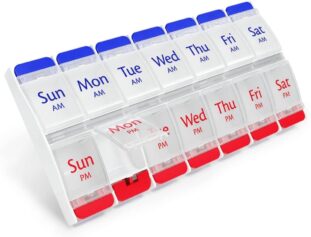
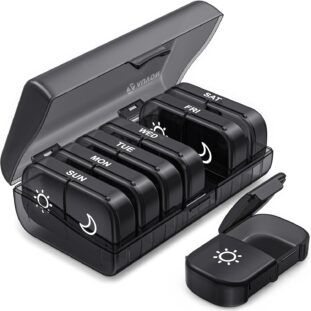
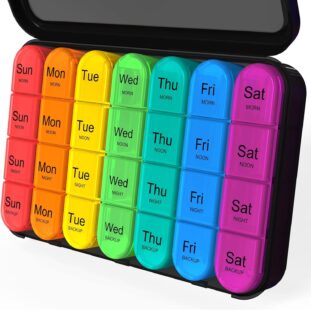
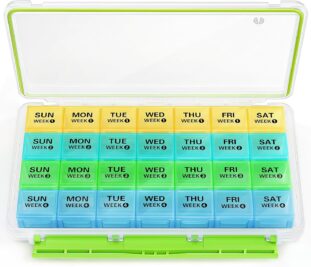
The strongest picks here are the EZY DOSE Weekly Daily Pill Organizer, and AUVON XL organizers for seniors who need more structured reminders. The DAVIKY & BUG HULL 4 Week Pill Dispenser offer a more guided system. These products fit different needs: basic weekly setup, larger pill capacity, and timed dispensing.
If managing several prescriptions feels messy or stressful, the right organizer can take a lot of guesswork out of the day. It will not replace a good medication review, but it can make your routine easier to follow and much harder to mix up.
If your medication routine has started to feel confusing, do not wait for a mistake to happen. Start with one simple step today: make one complete medication list and book a medication review with your doctor or pharmacist.
Conclusion: Small Changes Can Make Multiple Prescriptions Safer
Learning how to manage multiple prescriptions is not really about becoming perfect. It is about making the routine safe enough, simple enough, and clear enough that you can live your life without constant worry.
Small changes help:
- one accurate medication list
- one review with your doctor
- one organizer that fits your routine
- one habit of paying attention to side effects
That is often where real progress begins.
FAQs
What is polypharmacy?
Polypharmacy usually means taking five or more medications at the same time, especially in older adults.
How do I manage multiple prescriptions safely?
Keep one medication list, use a clear organizer, review medicines regularly, and ask your doctor or pharmacist about side effects and interactions.
What is the impact of polypharmacy on elderly adults?
It can increase the risk of falls, side effects, harmful interactions, and confusion about how or when to take medicines.
How do I reduce polypharmacy risks at home?
Use one medication station, good lighting, reminders, and a weekly organizer so doses are easier to track and less likely to be missed.
How do I have a medication review with my doctor?
Bring all medicines or a full list and ask whether each one is still needed, whether anything overlaps, and whether the routine can be simplified.
References
- Health Canada 2024. A Path to Improving Medication Appropriateness in Canada.https://www.canada.ca/content/dam/hc-sc/documents/corporate/about-health-canada/activities-responsibilities/canadian-drug-agency-transition-office/path-improving-medication-appropriateness-canada/path-improving-medication-appropriateness-canada.pdf
- Abby S. 2023. Q and A: Managing medication for loved ones. Mayo Clinic https://newsnetwork.mayoclinic.org/discussion/mayo-clinic-q-and-a-managing-medication-for-loved-ones/
- Jandu JS et al. Strategies to Reduce Polypharmacy in Older Adults. [Updated 2024 Aug 11]. In: StatPearls [Internet]. Treasure Island (FL): StatPearls Publishing; 2026 Jan. https://www.ncbi.nlm.nih.gov/books/NBK574550