
In this guide to restless legs treatment devices for seniors, compare 5 practical device types that may support better sleep, comfort, and nighttime symptom relief.
When restless legs syndrome starts acting up at night, it can make bedtime feel longer than it should. You finally settle in, get comfortable, and then your legs decide they have other plans. That crawling, twitchy, jumpy feeling can make falling asleep a real hassle!
Restless legs syndrome often gets worse during rest, especially in the evening or at night, and symptoms often ease, at least temporarily, with movement.
That is exactly why many people start looking for the best restless legs syndrome devices that can help settle symptoms before bed. The challenge, though, is figuring out what is actually worth trying, and not buying the fanciest gadget with the flashiest ad copy.
Some devices focus on compression. Some rely on heat, massage, or vibration. Others feel more advanced and clinical. Not all of them are equally useful for RLS, and not every product that claims to help tired legs is a great fit for nighttime restlessness!
I have seen this happen more than once: someone buys a gadget that looks impressive online, uses it twice, then shoves it in a closet beside an old heating pad and a half-used bottle of magnesium spray.
That is why this guide to restless legs treatment devices is meant to be practical, not flashy. The goal is to help readers choose a device that fits their symptoms, budget, and bedtime routine.
This guide to restless legs treatment devices focuses on five main device categories. Some are more strongly backed as RLS support tools than others.
Compression, heat or cold, massage, and movement-based comfort measures are commonly mentioned in mainstream guidance for symptom relief, while some specialized device categories are better viewed as supportive options rather than guaranteed solutions.
Why a Guide to Restless Legs Treatment Devices Can Save You Time and Money
There are a lot of products online that promise relief for sore feet, tired legs, poor circulation, muscle cramps, and “full body wellness.” That is part of the problem. Not every leg or foot device is a good fit for restless legs syndrome.
One reason this guide to restless legs treatment devices matters is that many products look similar at first glance, but work very differently.
A proper device guide helps you sort products by what they actually do:
- compression
- massage
- vibration
- heat or cold
- stimulation
It also helps you avoid buying something that sounds impressive but does not match the way your symptoms show up. If your symptoms mainly hit your calves at bedtime, a foot-only massager may not be enough.
If you hate tight pressure, a compression device may irritate you more than help. A little honesty here can save time and money.
Best Compression Devices for RLS
Compression devices deserve one of the strongest sections in this post because compression wraps and pneumatic compression are among the more recognized home-based sensory strategies that may help some people with RLS.
Cleveland Clinic notes that compression wraps can work by giving the brain another sensation to focus on, which may make the restless feeling less noticeable.
General Information
These devices wrap around the calves, feet, or full legs and use air compression in cycles to create pressure and release
| Targeted area calves lower legs sometimes feet sometimes thighs/full legs on premium systems | Best for people whose RLS symptoms are strongest in the calves or lower legs readers who want a sit-and-use evening device people who prefer compression over vibration or deep kneading |
| Main mechanism rhythmic air compression circulation support sensory distraction / comfort before bed | Special features to compare coverage area: calf only, calf + foot, or full leg corded vs cordless compression intensity levels number of modes/programs heat included or not timer settings remote control adjustability for larger calves noise level ease of putting on independently |
| Benefits to compare may feel soothing before bed easy to build into a nighttime routine can be useful for people who do not want intense massage some models feel more “treatment-like” than ordinary massagers | Possible drawbacks bulkier than simpler devices may feel too tight for some users not ideal for everyone with circulation or vascular issues without medical clearance better models can get expensive |
| Typical pricing band mid-range: about $140 to $250 CAD premium: $500+ to well over $1,000 CAD for advanced recovery-style systems based on current listings |
How Leg Compression Helps RLS Before Bed
If you are wondering how leg compression helps RLS, the answer is fairly simple. Gentle, steady rhythmic pressure may help distract from that hard-to-describe internal restlessness while also creating a calmer feeling in the calves and lower legs.
It is not a cure: compression is not magic, but it can be one of the more practical restless legs syndrome compression solutions to test before bed.
Restless Legs Syndrome Compression Solutions to Compare
Here are the strongest device candidates for this section based on products screened:
| Product | Targeted area | Special features | Best for | Price point |
|---|---|---|---|---|
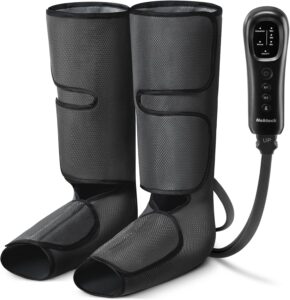
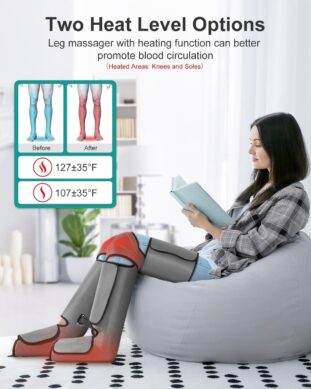
| Nekteck Leg Compression Massager with Heat & Controller | Foot & calf | Air compression, heat, handheld controller | Affordable mid-range option | Mid-range |
| Nekteck Leg Massager for Circulation & Pain Relief with Heat | Foot, calf, thigh | Air compression, heat, broader coverage | Users who want more than calf-only coverage | Mid-range |
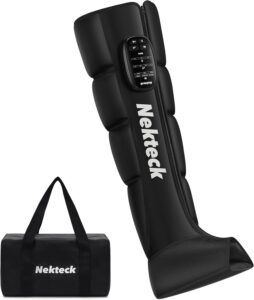
| Nekteck Cordless Leg Compression Massager | Lower legs | Cordless design, more flexible positioning | People who dislike being plugged in | Mid-range |
| Hyperice Normatec Go Calf | Calves | Portable premium compression | Targeted calf use & Travel | Premium |
| Hyperice Normatec 3 Recovery System | Lower body system | Premium recovery-style compression system | Users wanting a higher-end setup | Premium |
| Cueyou Air Pressure Calf Care, 2025 Evolution | Calf | Cordless, Portable compression | Targeted calf use | Low |
Products Guide – Leg Compression Massagers
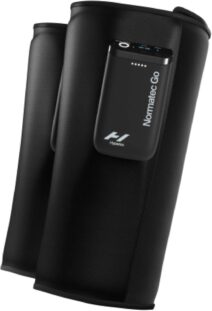
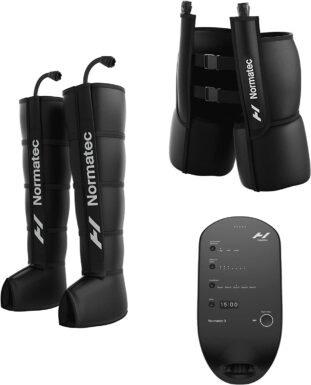
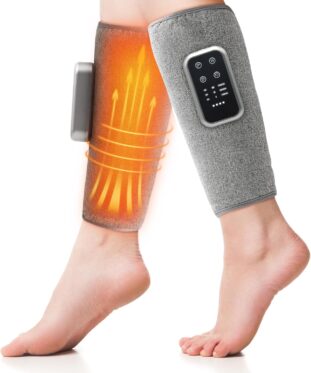
What makes this category strong
Compression devices are:
- easy to understand
- easy to compare
- often used while sitting quietly in the evening
- more “treatment-like” than ordinary massagers
Things to watch for
Compression is not for everyone. If someone has certain circulation problems, swelling issues, or vascular concerns, they should check with a doctor before using tight wraps or compression systems. This matters even more for older adults.
Best Foot and Calf Massagers for Restless Legs
This is probably the most reader-friendly section in this whole article because people immediately understand what a foot or calf massager is supposed to do. And honestly, for many seniors, comfort and ease of use matter just as much as technical theory.
Mainstream medical guidance often mention massage, heat, and warm or cool packs as symptom-calming strategies for RLS. That does not mean every foot massager is an RLS treatment device in the strict sense.
But it does mean these products can be very practical support tools.
General Information
These are machines that target the feet only or feet + calves using:
- kneading
- rolling
- air compression
- vibration
- heat
| Targeted area soles of the feet arches heels ankles calves on larger models | Best for seniors whose discomfort settles a bit with massage people who want a plug-in evening comfort ritual seniors who like a simpler device than compression boots |
| Main mechanism massage-based sensory relief muscle relaxation warmth and comfort before bed | Special features to compare foot-only vs foot-and-calf coverage heat on/off kneading vs rolling vs compression washable liners open design vs enclosed design intensity settings easy-to-read controls weight and portability fit for larger feet/calves |
| Benefits to compare relaxing at the end of the day often easier to understand than advanced devices heat + massage can make bedtime feel more manageable good lifestyle fit for a pre-sleep routine | Possible drawbacks may be too bulky to leave out in small spaces some units are noisy some enclosed foot massagers do not fit larger feet well not all models include true calf coverage |
| Typical pricing band basic to mid-range: around $125 to $200 CAD premium full calf systems: $400+ CAD |
How Foot and Calf Massagers Help Restless Legs
If you have ever rubbed your calves, stretched your feet, or put warmth on your legs because you were desperate for the sensations to settle down, then you already understand the logic here.
Foot and calf massagers may help by:
- creating a competing sensation
- relaxing tight muscles
- adding warmth before sleep
- encouraging a calm bedtime routine
Some users want strong kneading. Others want air compression. Some just want heat and a little pressure while they watch television. There is no single perfect match.
Product comparison for foot and calf massagers
| Product | Target area | Special features | Best for | Price point |
|---|---|---|---|---|
| Medcursor Foot Massager with Heat | Feet | Heat, massage, value-focused | Budget-friendly comfort | Lower-mid |
| LifePro Foot & Calf Massager | Feet & Calves | Massage-based comfort; Lifetime support | Mid-range everyday use | Mid–range |
| Nekteck Shiatsu Foot Massager Machine with Heat | Feet | Deep kneading, heat, air compression | People who want more pressure and compression | Lower-mid |
| Nekteck Foot & Calf Massager with Heat, Shiatsu | Feet, Calves, Hamstring, Back | Simpler heated kneading design- Versatile uses | Budget-conscious buyers | Budget |
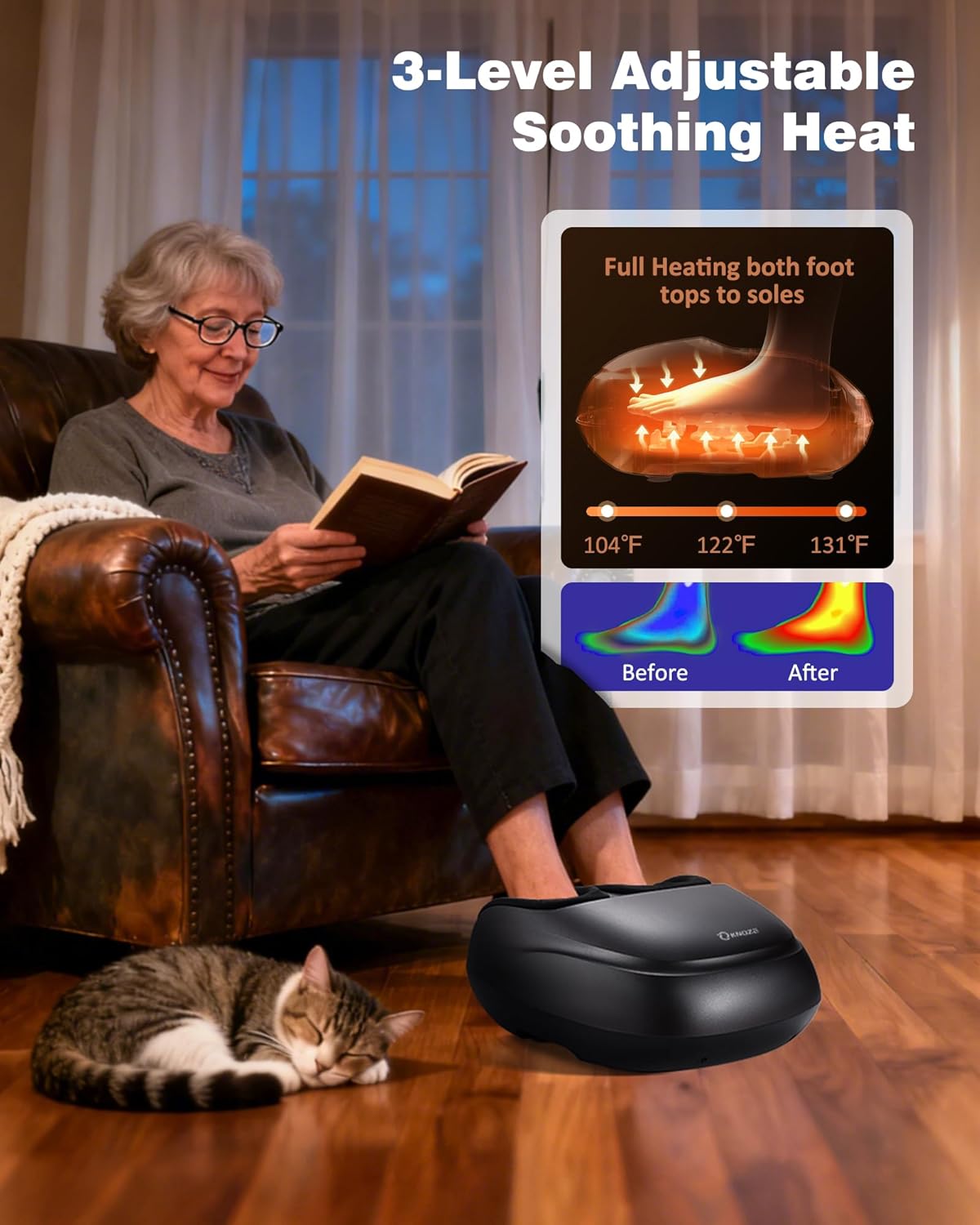
| KNQZE Shiatsu Foot Massager with Heat | Feet | Remote control, compression, multiple modes | Seniors who want feature variety | Mid-range |
| COMFIER 2-in-1 Shiatsu Foot and Calf Massager with Heat | Feet & Calves | Compression levels, foot-and-calf coverage, folds into ottoman-style foot rest | Premium comfort and broader coverage | Premium |
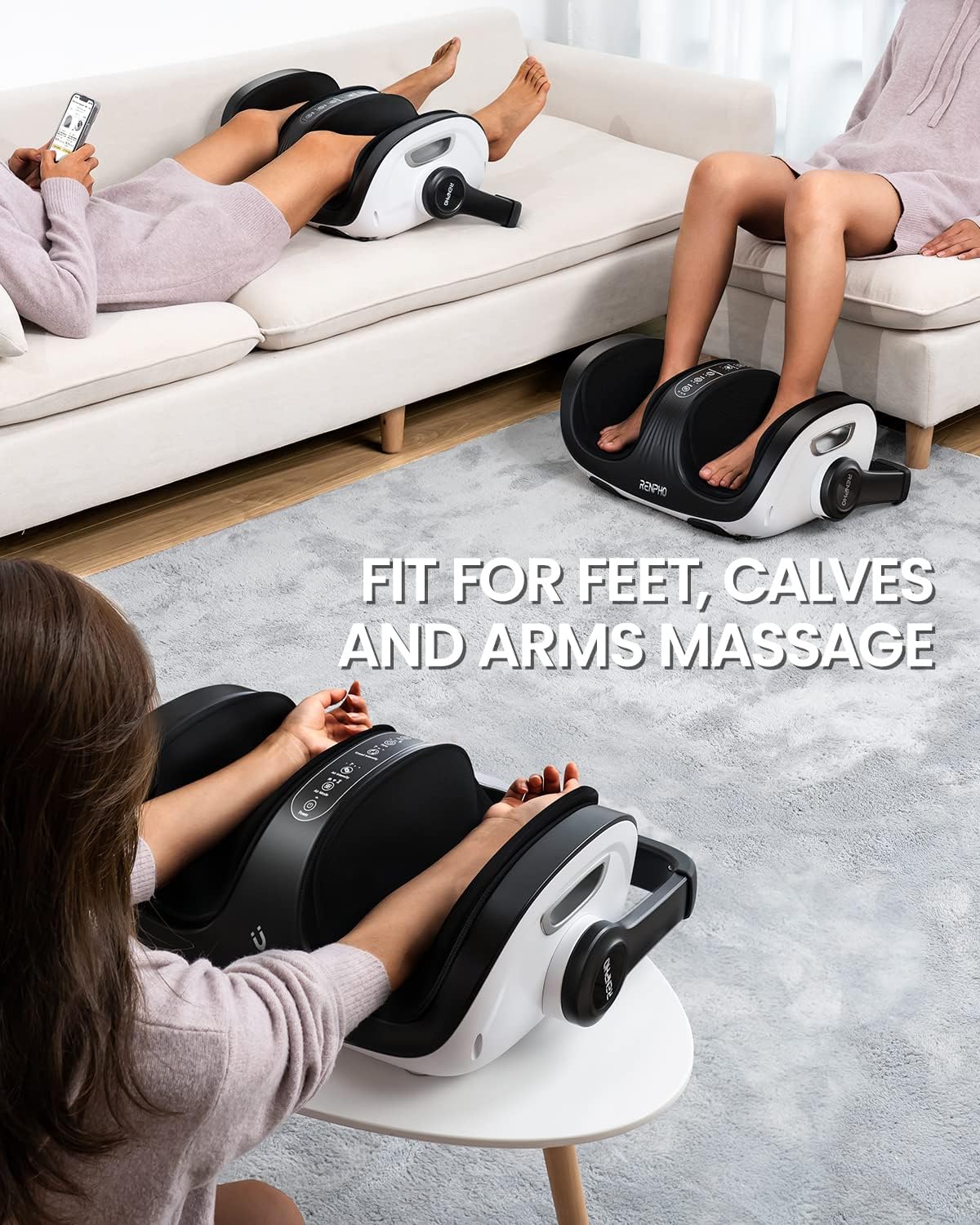
| RENPHO Shiatsu Foot and Calf Massager with Heat | Feet, Calves, Arms | Compression, 15, 20 or 30 minute timer | Premium comfort | Premium |
| SNAILAX Vibration Foot Massager with Heat | Feet, Calves, Back | Heated vibration, remote control, versatile uses | Budget-conscious buyers | Low-Mid |
Products Guide – Foot and Calf Massagers
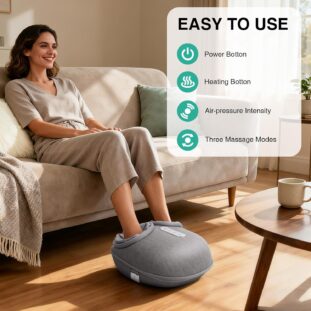
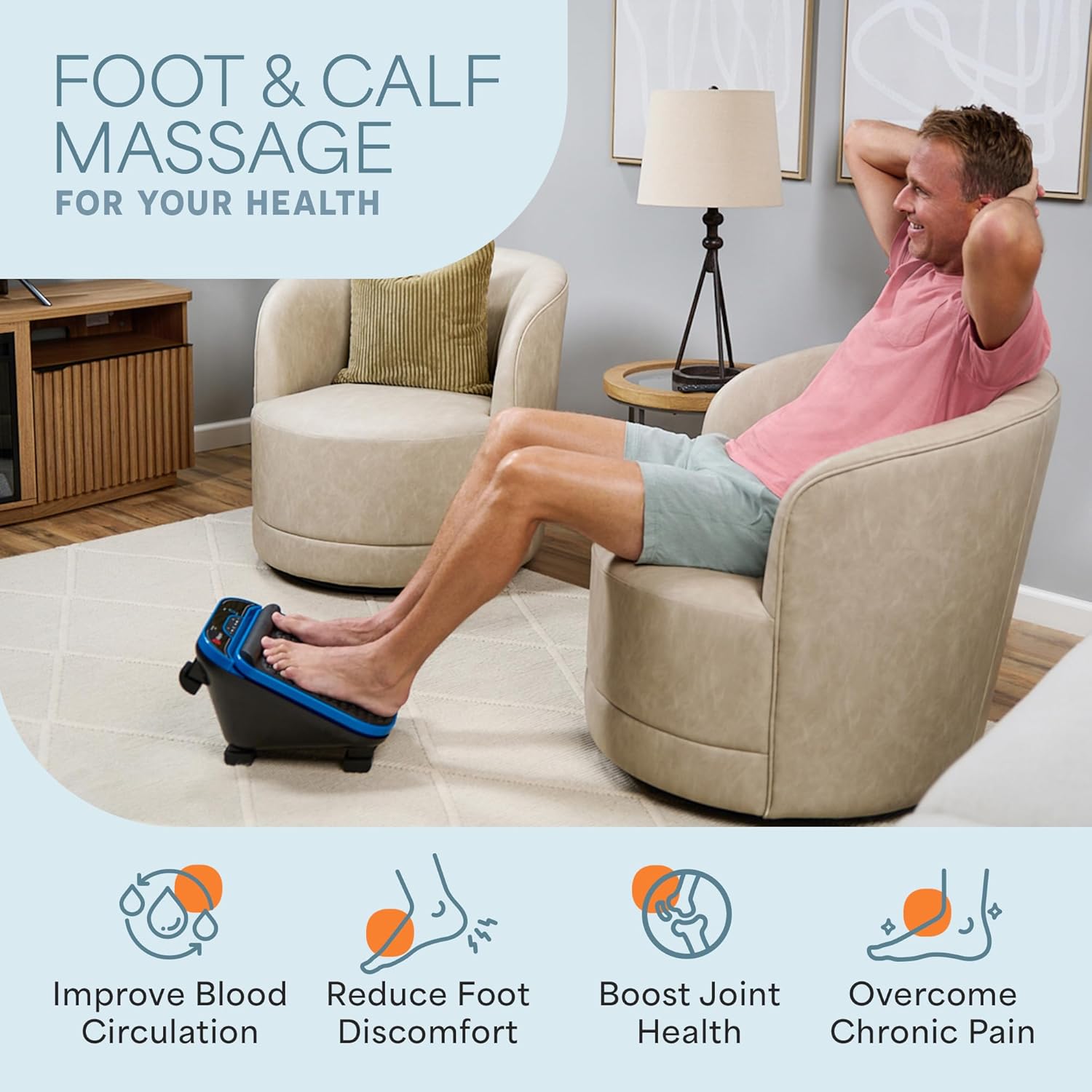
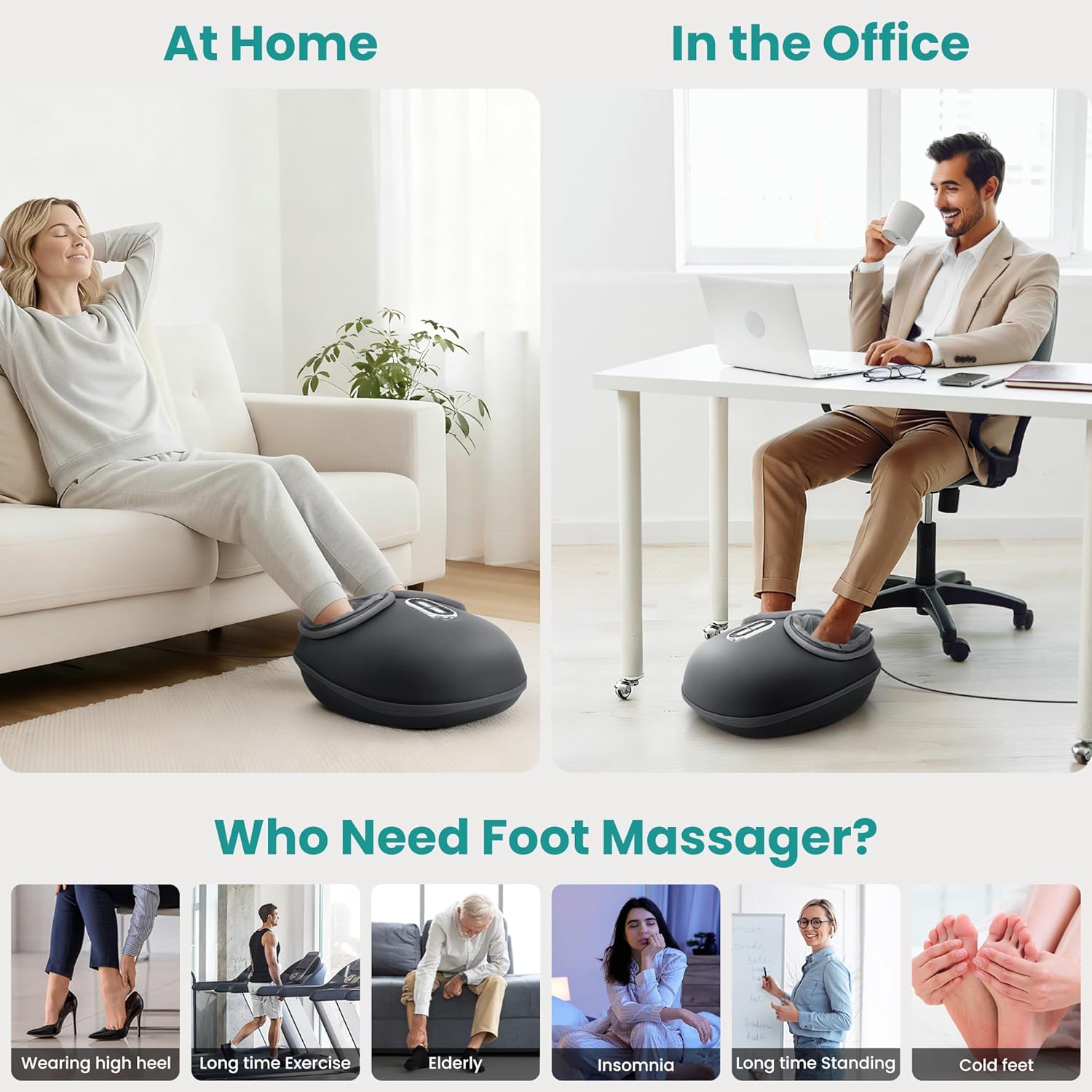
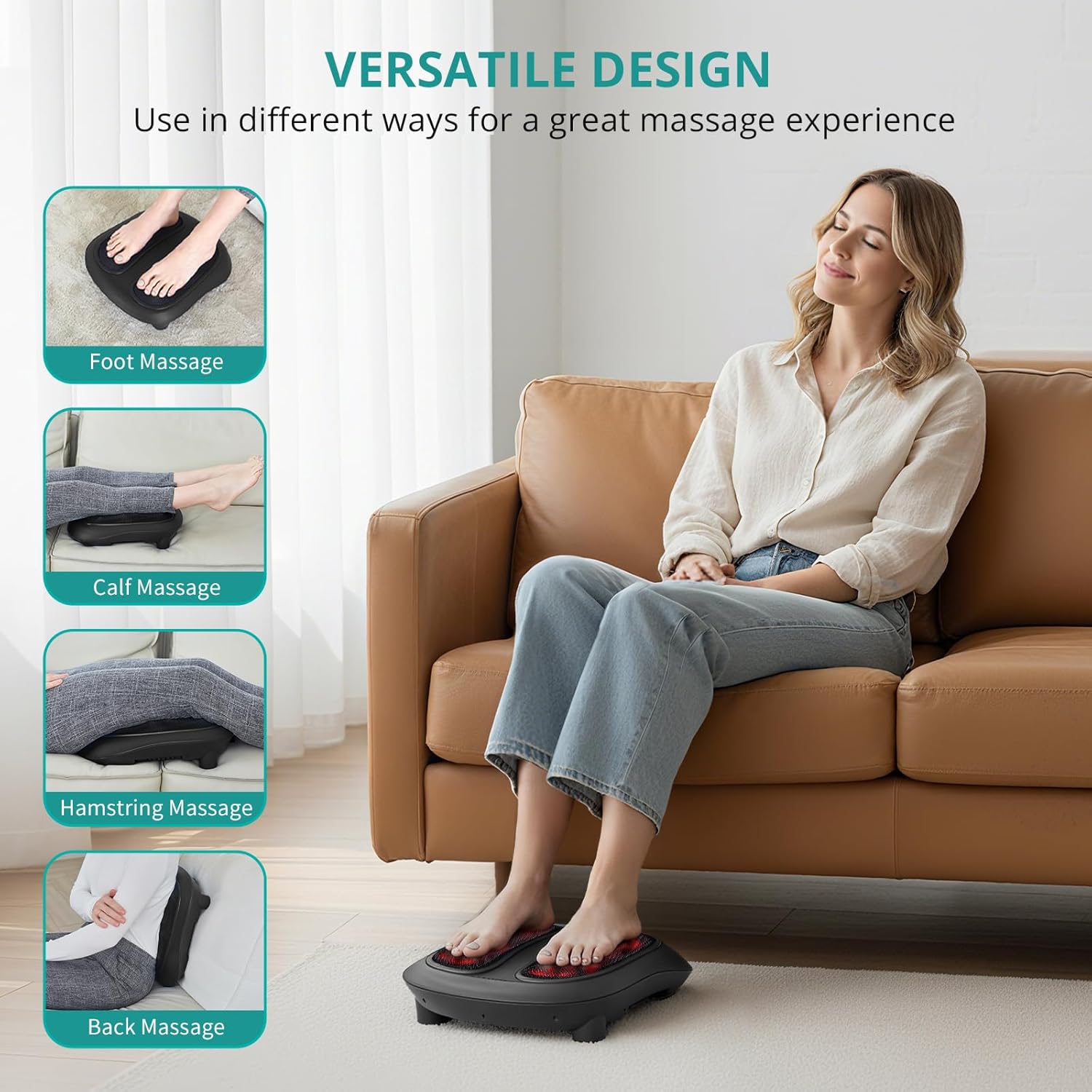
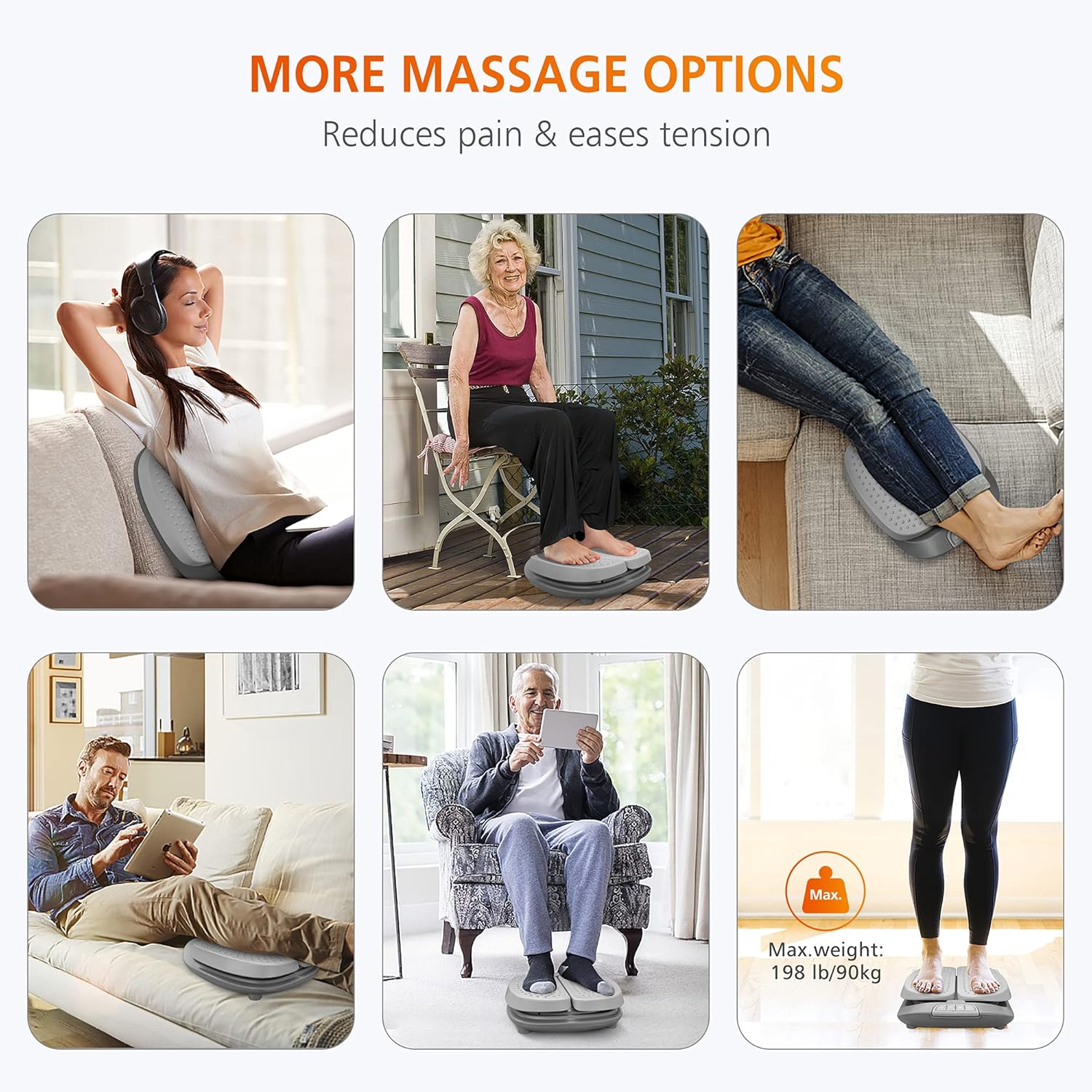
NEKTECK Shiatsu Foot & Calf Massager with Heat – Also for Hamstring & Back
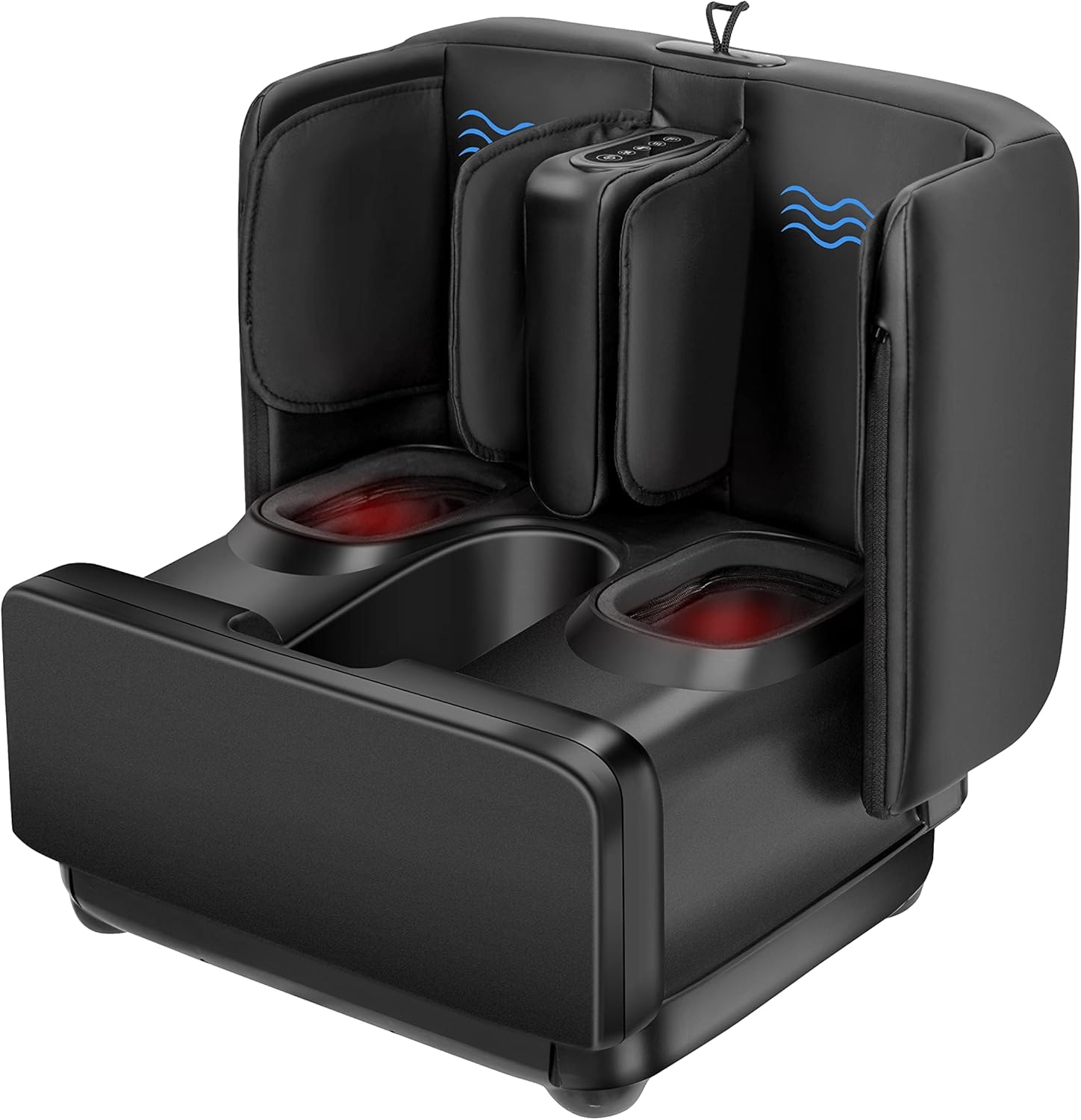
COMFIER 2 in 1 Shiatsu Foot and Calf Massager Machine with Heat, Doubles as an Ottoman
Best way to think about this category
This is a strong section for people who:
- want comfort more than complexity
- prefer heat and massage over compression sleeves
- want a device they can use every evening without a big setup
And frankly, that describes a lot of real people!
Vibration and Counterstimulation Devices for Restless Legs Syndrome
This category is more specialized, and it is one of those sections where honesty matters. True RLS-specific counterstimulation devices are harder to find in ordinary retail channels, especially on Amazon.ca.
That said, the idea behind this category still makes sense. Cleveland Clinic describes how additional stimulation to the legs can sometimes help “shut off” the feedback loop that makes symptoms feel so intrusive.
General Information
| Targeted area calves feet lower legs sometimes the exact area where the “creepy-crawly” sensation is strongest | Best for people who describe symptoms as buzzing, crawling, tingling, or sensory discomfort people who want sensory distraction rather than strong kneading massage people researching non-drug options used while resting or in bed |
| Benefits to compare may interrupt the sensory discomfort loop may be easier to tolerate than deeper massage can fit into a bedtime routine | Special features to compare vibration intensity number of programs noise level whether the device is wearable, pad-based, or wrap-style cordless vs plugged-in timer bedtime comfort whether it adds heat as well |
| Drawbacks fewer clear Amazon.ca options specifically marketed for RLS some products blur the line between “massage” and “counterstimulation” evidence is more specialized than broad consumer shopping categories |
Vibration Devices vs Counterstimulation Devices: What’s the Difference?
A simple vibration device gives the body another sensation to focus on in the form of a buzz or pulsing sensation. A counterstimulation device goes a step further and is intended to interrupt the unpleasant internal sensation with a stronger external one. In real life, there is a lot of overlap between the two.
For this guide, the key thing readers need to know is that these are not the strongest product-shopping categories for RLS. However, they can still be useful as supportive comfort tools that aim to create a stronger competing sensation that may make nighttime symptoms less noticeable.
Supporting products worth mentioning
| Product | Device type | Targeted area | Best for | Price point |
|---|---|---|---|---|
| FREEZE2TRIM Vita Feet Relief Ankle Heating Pad with Vibration | Hybrid heat + vibration wrap | Ankle, foot, lower leg comfort | Readers who like warmth plus gentle stimulation | Lower-mid |
| FITEASE Heated Ankle Brace / Cordless Foot Massager with Heat and Vibration | Hybrid cordless comfort wrap | Foot and ankle area | Readers who want a lighter, more flexible option | Budget |
These are better described as hybrid comfort devices than as pure counterstimulation devices.
Heat and Cold Therapy Devices for Restless Legs Syndrome
Heat and cold therapy devices are easier to explain because most people have already tried one or the other of these supportive comfort products at some point. Mayo Clinic, Cleveland Clinic, and MyHealth Alberta all mention warm or cool packs, warm baths, stretching, and massage as practical home strategies that may calm symptoms.
In line with these options, there are several other practical alternative therapies for restless legs that seniors may find beneficial.
General Information
| Targeted area calves feet ankles lower legs | Best for readers who already know warmth helps them relax people who want a simple bedtime comfort tool those who do not want bulky compression systems |
| Benefits to compare simple to use lower learning curve than advanced devices good for bedtime routines often lower cost than compression systems | Special features to compare heat only vs heat + vibration cordless vs plug-in number of heat settings auto shutoff wrap style vs pad style rechargeability flexibility around calves/ankles/feet safety and ease of use |
| Drawbacks not all products target the calf well some are better for ankles or knees than true lower-leg coverage cold options are less common in device form, so some “cold therapy” may need to be discussed as wraps or packs rather than powered devices |
When Should I Use Heat or Cold Therapy for Restless Legs?
In real life, many people figure this out by trial and error.
- If warmth helps your legs feel looser and calmer, try heat before bed.
- If your legs feel jumpy, irritated, or overactive, a cool wrap may feel better.
- If you are unsure, test each one on separate nights and keep it simple.
Heat and cold therapy devices work well for many because it has a low learning curve. It is also friendly for seniors who do not want an expensive or bulky device.
Supporting products worth mentioning for Heat and Cold Therapy Devices
| Product | Therapy type | Targeted area | Best for | Price point |
|---|---|---|---|---|
| EDIFOLLY Cordless Rechargeable Heating Pad with Vibration | Heat + vibration | Lower-leg comfort | Simple cordless warmth | Budget |
| COMFIER Heated Knee Brace Wrap with Massage | Heat + massage wrap | Knee and nearby leg area | Readers who like wrap-style support | Budget-mid |
| RECOV SLEEVE Cold & Hot Gel Compression Sleeve | Reusable hot/cold sleeve | Knee, ankle, shin, hamstring and more | Readers who want a simple non-electric option | Budget |
Some products are not RLS-specific at all, but may still help because the goal is symptom comfort. RECOV SLEEVE is a good example of that. It is a low-tech reusable hot/cold sleeve rather than a fancy device, but that can actually be a plus for readers who do not want cords, remotes, or bulky machines.
Neuromuscular Stimulation for Restless Legs: Devices Worth Considering
This is the most advanced category in this article, and for many readers it will be more educational than practical. These devices use electrical or neuromuscular stimulation rather than massage or compression.
They may sound appealing because they feel more clinical, but they are not necessarily the first thing most seniors need to try.
Why this category belongs in this guide for restless legs treatments devices
It belongs here because some readers will go looking for TENS- or EMS-style options once they realize ordinary massagers are not the only type of device available. Still, this section should be considered carefully. These are not beginner picks!
Supporting examples
| Product | Device type | Best for | Price point |
|---|---|---|---|
| AUVON Dual Channel TENS Unit | TENS-style stimulation device | Readers curious about a more advanced, targeted approach | Budget |
| Easy@Home Rechargeable TENS Unit Muscle Stimulator | TENS/EMS-style stimulation device | Readers wanting a simpler entry-level stimulation option | Budget |
How to Choose the Right Therapy Device for Restless Legs
Here is the part that matters most.
The most useful part of any guide to restless legs treatment devices is learning how to match the device to your actual symptoms.
Do not choose based only on star ratings. Choose based on:
- where your symptoms hit
- whether you prefer pressure, massage, warmth, or stimulation
- how much setup you can tolerate
- whether you will realistically use it 3 to 5 nights a week
- your budget
A quick way to narrow it down:
- Choose compression if your symptoms are strongest in the calves or lower legs and you like structured pressure.
- Choose a foot massager if you want an easier, comfort-focused device.
- Choose foot-and-calf coverage if your symptoms travel or feel broader than the feet.
- Choose heat or cold if you want the simplest bedtime support option.
- Look at specialized stimulation devices only if mainstream comfort options are not enough or you want to explore more targeted approaches.
When to Use a Device and When to Talk to Your Doctor
A device can be a practical support tool to calm restless legs at home. It should not become a substitute for medical common sense.
Talk to your doctor if:
- your symptoms are getting worse
- sleep loss is becoming a regular problem
- you think medication side effects may be involved
- you have numbness, weakness, swelling, or pain that feels different from your usual RLS symptoms
- you suspect iron deficiency or other nutritional issues
That last point matters because treatment often starts with checking for contributing factors rather than just throwing gadgets at the problem. Mayo Clinic notes that moderate regular exercise may help, while overdoing it or exercising too late can make symptoms worse. Cleveland Clinic also emphasizes checking iron status rather than blindly taking supplements. rsion bridge
There is no magic formulafor how to choose the right therapy device for restless legs! If you approach finding solutions for your restless legs syndrome in a calm and methodical manner, without being in a rush to find the solution that suits your needs – even though this is your fervent desire, you have a better chance of finding one!
If restless legs are making evenings harder than they need to be, the right device may help you build a more comfortable bedtime routine without turning your bedroom into a rehab clinic. Start with the category that matches your symptoms best, then keep it simple and consistent for a week or two.
Action Step
If this guide to restless legs treatment devices helped you narrow your options, start with one category that best fits your bedtime routine.to begin — not three.!
Consider restless legs syndrome compression solutions. A compression device or a foot massager is usually the easiest place to begin, especially if your symptoms tend to ramp up right before bed.
FAQs for A Guide to Restless Legs Treatment Devices
What are the best restless legs syndrome devices to try first?
In this guide to restless legs treatment devices, compression devices and foot massagers are usually the easiest starting points for most readers.
How does leg compression help RLS before bed?
Leg compression may help by creating steady pressure and sensory distraction, which can make lower legs feel calmer before sleep for some people.
Do foot and calf massagers help restless legs?
They may help some people by adding massage, warmth, and a competing sensation that makes evening discomfort feel less intense.
When should I use heat or cold therapy devices for restless legs?
Some people prefer heat, while others find cool packs more soothing. Testing each option on separate nights can help you figure out what feels best.
When should I talk to a doctor instead of buying another device?
Talk to your doctor if symptoms are worsening, sleep is regularly disrupted, or you have numbness, weakness, swelling, or possible medication side effects.
Authority References
- National Institute of Neurological Disorders and Stroke (NINDS) Restless Legs Syndrome https://www.ninds.nih.gov/health-information/disorders/restless-legs-syndrome/
- Mayo Clinic
- Cleveland Clinic (2021) The Best Home Remedies for Restless Legs Syndrome – Strategies for getting the sleep you need. https://health.clevelandclinic.org/home-remedies-for-restless-legs-syndrome/