

Learn easy, experience-backed tips for improving hydration for seniors in just one week – even if you don’t like drinking water. Make staying hydrated simple and stress-free with this fun, practical 7-day guide.
Let’s face it—drinking enough water isn’t exactly the most thrilling part of our day. For many seniors, it’s downright easy to forget or push off, especially when we don’t feel thirsty.
But here’s the kicker: dehydration can sneak up on you and knock you down harder than you’d think. I’ve seen it happen with my own dad—lethargy, dizziness, even a hospital visit once. That’s when we realized how important hydration for seniors really is.
The good news? Getting your daily water fix doesn’t have to be a chore. In fact, it can be turned into a simple and satisfying habit. That’s why I created this Hydration for Seniors Made Easy: 7 Day Challenge.
Whether you’re caring for someone or you’re on this journey yourself, these tips and tricks are pulled straight from lived experiences—and a few trial-and-error moments, too. Let’s dive in!
Why Hydration for Seniors Matters More Than You Think
As we age, our sense of thirst naturally decreases. That means by the time we feel thirsty, we might already be dehydrated. Plus, certain medications or medical conditions can make things worse.
Dehydration in older adults is linked to confusion, UTIs, kidney issues, and even falls. It’s no joke! So it’s critical to treat water like a daily necessity—not just a summer suggestion.
Also, during warmer months, focus on summer hydration tips. Think icy fruit smoothies, shaded breaks, and even fun hydration stations with grandkids. You’re never too old to get creative!
Common Hydration Myths for Seniors
Let’s bust a few myths, shall we?
Myth #1: “If I’m not thirsty, I don’t need to drink.” Wrong. As mentioned, senior hydration needs often exceed thirst cues.
Myth #2: “Drinking too much water will make me pee all night.” Try drinking more in the morning and early afternoon. Limit liquids a couple of hours before bed to avoid this issue.
Myth #3: “Coffee and tea don’t count.” Actually, they do! Just don’t rely on them entirely, especially if they’re loaded with sugar or caffeine. Herbal teas are especially great for staying hydrated over 60.
How to Properly Hydrate Your Body: 7 Day Challenge
Day 1: Start Simple – Start With Awareness
Kick off your challenge by making water your first drink of the day. As soon as you wake up, drink a glass of water. It’s a simple way to jumpstart your hydration and metabolism for the day.
Now to awareness —how much water should seniors drink anyway? A good general rule is around 6 to 8 cups a day, but that can vary based on medications, activity level, and even weather.
Today’s mission: track your water intake. Jot it down in a notebook or use one of those free hydration apps. My mom liked using a sticker chart—whatever works! We have a printable chart you can use at the end of this article!
Also, pay attention to the signs of dehydration in elderly folks. Common ones? Dry mouth, headaches, dark urine, or feeling foggy. Recognizing these red flags is half the battle.
Pro Tip: Keep a water bottle by your bed, so it’s easy to grab as soon as you wake up.
Day 2: Set a Water Goal – Track Your Progress
Set a goal for the amount of water you want to drink today. Aim for at least 8 cups, but if you’re already drinking that much, increase it by one more cup! The key is consistency.
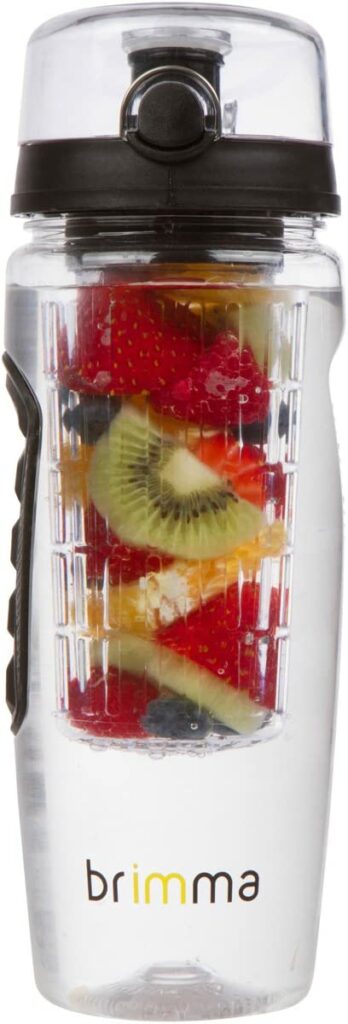
Pro Tip 1: Let’s be honest—plain water can get boring. On Day 2, we’re going to jazz it up. Try infusing water with any combination of lemon, ginger, cucumber, mint, or berries. Not only does it taste better, but it also adds a refreshing twist to your day.
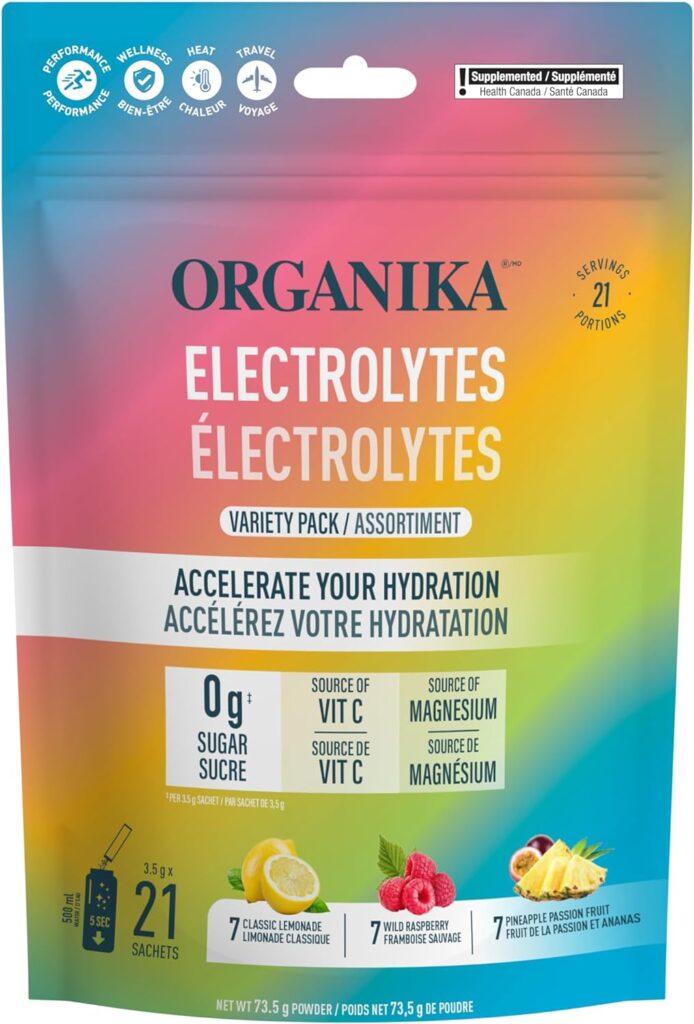
Don’t forget about electrolyte drinks for seniors—especially helpful if you’re sweating, sick, or on certain meds. Just watch out for sugary ones.
I personally love coconut water with a splash of lime. Use a water tracking app or a journal to log each glass you drink throughout the day.
Pro Tip 2: Use a water infuser bottle to keep things simple and make it easy to enjoy flavored water all day long.
Day 3: How to Super Hydrate Your Body – Hydrating Foods
Who said hydration only comes from a glass? Today, sneak in hydrating foods for seniors like watermelon, cucumbers, oranges, and even soups. A bowl of chicken broth or a juicy slice of melon can do wonders.
This trick was a lifesaver for my grandfather, who often forgot to drink but would happily munch on fruit all day.
Day 4: Create a Routine and Sip Throughout the Day – Encourage and Don’t Nag
Let’s turn hydration into a habit. Pair drinking water with daily activities: one glass after brushing teeth, one with every meal, one while watching the evening news. This helps create a rhythm.
Pro Tip 1: If you’re a caregiver, consider setting a timer or placing fluids for elderly care on visible surfaces. Clear water bottles on every table, for instance. Set a reminder on your phone to take a sip every hour.
Pro Tip 2: Avoid chugging all your water at once. Instead, sip water regularly throughout the day. Carry a water bottle with you wherever you go, and take small sips when you feel thirsty.
Day 5: Hydrate Before Meals – Get Rid of Excuses
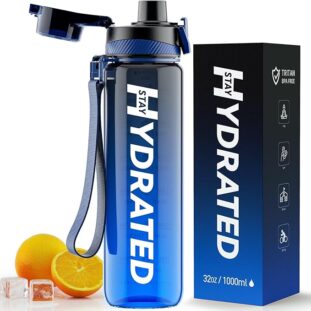
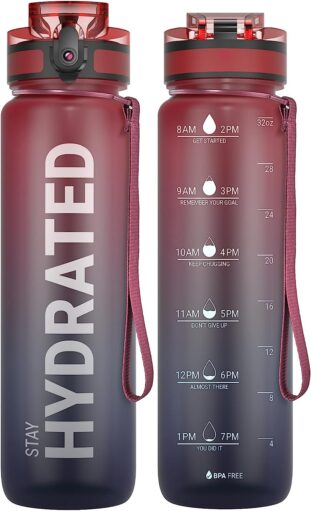
Time to eliminate the excuses. Keep a water bottle within reach—bedside, by your favorite chair, in your car. Bonus points if it’s one of those colorful bottles with time stamps or motivational quotes. Drinking water before meals not only helps hydrate you, but it can also aid digestion and help with portion control.
Pro Tip 1: Aim to drink a glass of water about 30 minutes before each meal to kick-start digestion.
Pro Tip 2: Don’t underestimate the power of a straw. Sounds silly, but believe me —drinking through a straw makes it easier and quicker to sip throughout the day.
Day 6: Hydrate After Exercise – Replenish Your Fluids
After your workout, make sure to hydrate properly. Sweating causes fluid loss, so drinking water post-exercise helps replenish lost fluids and supports muscle recovery.
Pro Tip: Add a pinch of salt or a splash of electrolyte drink to your water after a sweaty workout for added hydration benefits.
Day 7: Celebrate Your Progress – Reflect and Stay Hydrated
Last day of the challenge! You did it! Take a minute to look back: How did it go? Did you feel more energized? Did your skin or digestion improve?
For many, consistent hydration for seniors can lead to less fatigue and even fewer dizzy spells.
Today, revisit your notes. Then, set a longer-term plan—maybe a 30-day streak or incorporating more hydration routines for older adults. You’ve built the foundation; now keep building!
Keep hydrating even after the challenge—make water a permanent part of your daily routine.
Pro Tip: Reward yourself with a fun water bottle or hydration accessory to keep the momentum going.
How to Super Hydrate Your Body – Use a Simple Hydration Tracker
Track Your Hydration: Stay Energized and Refreshed!
| Day | Goal | Amount Drank | Completed? |
|---|---|---|---|
| Day 1 | 8 oz | ||
| Day 2 | 8 oz | ||
| Day 3 | 8 oz | ||
| Day 4 | 8 oz | ||
| Day 5 | 8 oz | ||
| Day 6 | 8 oz | ||
| Day 7 | 8 oz |
Conclusion: Hydration for Seniors
There you have it—hydration for seniors doesn’t have to be a struggle. With these daily steps, small wins turn into lifelong habits.
Whether it’s jazzed-up water, a hydration buddy, or simply a straw in your favorite cup, you’re now equipped to stay refreshed and energized.
Don’t wait for thirst to strike—take the 7-day challenge, rinse, and repeat. Your body (and brain) will thank you!
Related Articles
- How to Stay Hydrated When You Hate Water – Is it Possible?
- Why Is Water Important to Your Health? – Facts To Know
FAQ – Hydration for Seniors
How much water should seniors drink each day?
Most seniors should aim for 6–8 cups daily, but individual needs vary based on health, medication, and activity level.
What are the signs of dehydration in older adults?
Common signs include dry mouth, confusion, dizziness, dark urine, and fatigue.
Are there hydrating foods that help seniors stay hydrated?
Yes! Foods like watermelon, cucumbers, oranges, and soups add fluids and nutrients.
Can coffee or tea help with hydration for seniors?
Yes, in moderation. Herbal teas are best, and coffee counts too—just don’t overdo the caffeine.
What are the best drinks for seniors to stay hydrated?
Water, herbal teas, milk, and low-sugar electrolyte drinks work well.
How can I encourage my elderly parent to drink more water?
Use positive reinforcement, flavored water, visible reminders, or hydration games to build better habits.
What’s the best time to drink water to avoid nighttime bathroom trips?
Drink more in the morning and limit fluids 2 hours before bed.
Is dehydration a serious risk for seniors?
Absolutely. It can lead to UTIs, confusion, kidney problems, and even hospitalization.
References
Mayo Clinic. (2020, July 22). Water is essential to your body. Retrieved from www.mayoclinichealthsystem.org website: https://www.mayoclinichealthsystem.org/hometown-health/speaking-of-health/water-essential-to-your-body
6 Tips To Be “Water Wise” for Healthy Kidneys. (2015, April 28). Retrieved from National Kidney Foundation website: https://www.kidney.org/content/6-tips-be-water-wise-healthy-kidneys#:~:text=Water%20helps%20the%20kidneys%20remove