

Discover the benefits of magnesium lotion for leg cramps, why it’s a preferred remedy, and how it compares to oils. Learn how to apply it effectively to get back to your day, pain-free.
If leg cramps are your nightly (or daily!) struggle, you are not alone. Those sudden, painful spasms can stop anyone in their tracks, but for some of us, they seem to hit at the most inconvenient times.
Whether it is late at night or smack in the middle of a big project, a bad cramp can be debilitating.
Magnesium lotions, however, might just be the solution you seek. Maybe? This article breaks down how they work, why some people have absolute faith in them, and how they might just be your ticket to relief.
So, let us dive in to see if a magnesium lotion for leg cramps is the real deal!
Does Magnesium Help with Leg Cramps?
Magnesium plays a key role in muscle function, which is why it can be so effective in helping with leg cramps.
In short, magnesium is like a “maintenance worker” for your muscles, ensuring they’re well-supported, relaxed, and ready to handle everyday movements without cramping up. Here is how it works:
Muscle Relaxation
Magnesium is a natural muscle relaxant. It helps regulate calcium and potassium levels, which are essential for muscle contractions. When magnesium levels are low, muscles can become overexcitable, leading to spasms and cramps.
Magnesium also helps balance electrolytes in the body, so muscles stay relaxed and less likely to cramp.
Improved Blood Flow
Magnesium helps improve circulation, which can prevent cramping by ensuring that muscles get enough oxygen and nutrients. Good blood flow is essential for preventing muscle fatigue and spasms, especially in the legs.
This is particularly helpful for people who experience cramps at night or after periods of inactivity, as magnesium keeps blood vessels healthy and flexible.
Reducing Inflammation
Magnesium also has anti-inflammatory properties, which can help ease muscle tension and soreness. When muscles are inflamed, they’re more likely to cramp, so keeping inflammation down can prevent these painful spasms.
Nerve Support
Magnesium supports the function of nerves, helping them communicate with muscles properly. When nerves send the right signals, muscles can contract and relax normally, reducing the likelihood of cramps.
Magnesium Lotion for Leg Cramps: Why Some Prefer It
For people with sensitive stomachs or absorption issues, magnesium lotion is often a go-to. Unlike supplements, it bypasses the digestive tract, which can mean less risk of digestive upset—no surprises there, right? Plus, there’s the ease factor: just rub it on and let it work its magic.
Here’s why people prefer magnesium lotion for leg cramps:
- Quick, targeted relief: Lotions can be applied right where you need them, giving relief exactly where it hurts. Magnesium lotions can be applied exactly where the pain is, offering targeted relief for areas prone to cramping, like calves or feet. They work faster than oral supplements, which may take longer to reach the muscles.
- Easier to apply: Magnesium lotion is thicker than oils but still spreads easily, making it simple to apply. Seniors who might struggle with grip or dexterity can find lotions easier to handle and rub in, especially if they’re dealing with arthritis or other mobility issues.
- Non-greasy texture: Many lotions absorb without leaving a residue, so they’re less likely to feel sticky or transfer onto bedding or clothing.
- Gentle on the stomach: Unlike pills or powders, topical application avoids the digestive tract. Lotions are usually formulated to be more hydrating and gentle, which can be ideal for seniors with delicate or thinning skin. Magnesium oils, on the other hand, can sometimes cause tingling or mild irritation, especially on sensitive or dry skin. Lotions also tend to have added ingredients like aloe vera or vitamin E, which can soothe the skin and provide extra moisture.
- Suitable for all ages: Magnesium lotion is often gentle enough for various age groups, making it a go-to remedy for parents and grandparents alike.
- No bitter taste: A small but real perk if you’ve ever choked down a magnesium supplement that wasn’t exactly flavorless.
If you are looking for a natural, soothing approach to leg cramp relief, magnesium lotion might just hit the sweet spot. Plus, it’s a simple step to add to your bedtime routine!
So, overall, magnesium lotion offers a combination of comfort, ease, and effectiveness that can make it a great choice for seniors looking for natural relief without the potential downsides of oils or creams.
Magnesium Lotions vs. Magnesium Oils: Which is Better?
Now, if you are new to the magnesium game, you might have heard of both lotions and oils. They are similar but not quite the same, so let us take a look at what each one brings to the table.
Texture and Application
Magnesium Lotion: Creamier and typically more moisturizing, lotions are often preferred by folks with sensitive skin. They’re less likely to cause that tingling sensation some people get from magnesium oil.
Magnesium Oil: Not a true oil but rather a mix of magnesium chloride and water, magnesium oil tends to feel more intense on the skin. Some users find it effective for leg cramps but a bit too “tingly” or even itchy.
Absorption Rate
Both are designed to absorb into the skin, but some people believe magnesium oil might penetrate more deeply due to its liquid form. This can be great for folks who need faster relief, though it varies by skin type and sensitivity.
Skin Sensitivity
If you’re prone to irritation, magnesium lotion may be gentler and less likely to cause a reaction than magnesium oil. Oils can leave a bit of a residue, while lotions usually leave the skin feeling soft.
The Verdict?
If you want a fast-acting option and can handle a little tingle, magnesium oil might be your pick. But if you’re looking for something soothing and gentle on the skin, magnesium lotion is probably the better fit.
How to Use Magnesium Lotion for Leg Cramps
If you’re ready to give magnesium lotion a whirl, here’s a quick rundown on how to apply it effectively:
- Choose Your Timing: Apply magnesium lotion right after a warm shower. Warm skin can improve absorption, so it’s an ideal time.
- Massage It In: Spend a minute or two rubbing it into your legs (or wherever you tend to cramp up). A good massage can help it sink in deeper and increase circulation.
- Be Consistent: Regular use tends to yield the best results. For most folks, that means applying it once or twice daily.
- Patch Test: If you’re new to magnesium lotions, try a small amount on your forearm first to make sure your skin doesn’t react.
Top Amazon Picks: Magnesium Lotion for Leg Cramps
These products should give you a variety of options depending on your budget, preferences, and needs.
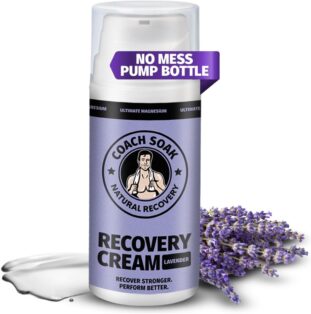
COACH SOAK Magnesium Lotion with MSM
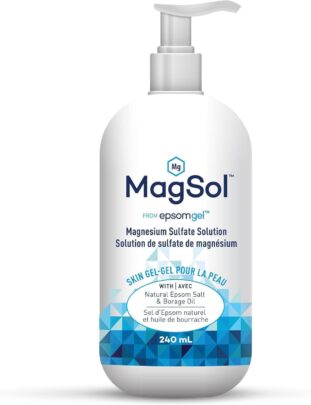
EPSOMGEL Magsol Magnesium Lotion
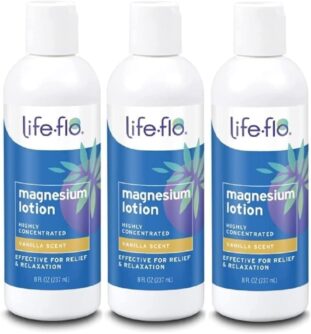
LIFE-FLO Magnesium Lotion 3 pack
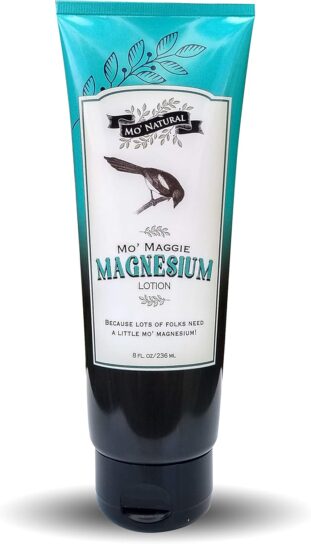
MO MAGGIE Magnesium Lotion – Highest Concentration of Genuine Zechstein Magnesium in a Lotion
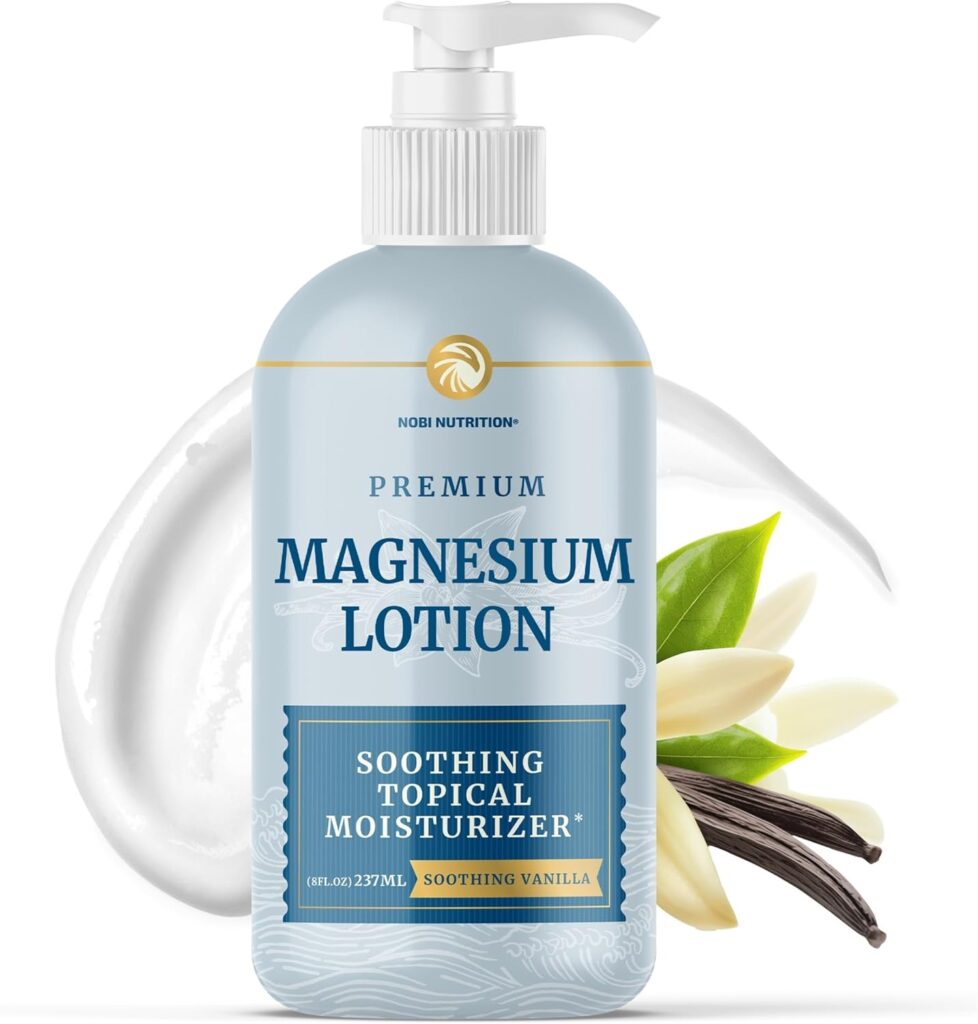
NOBI NUTRITION Magnesium Lotion
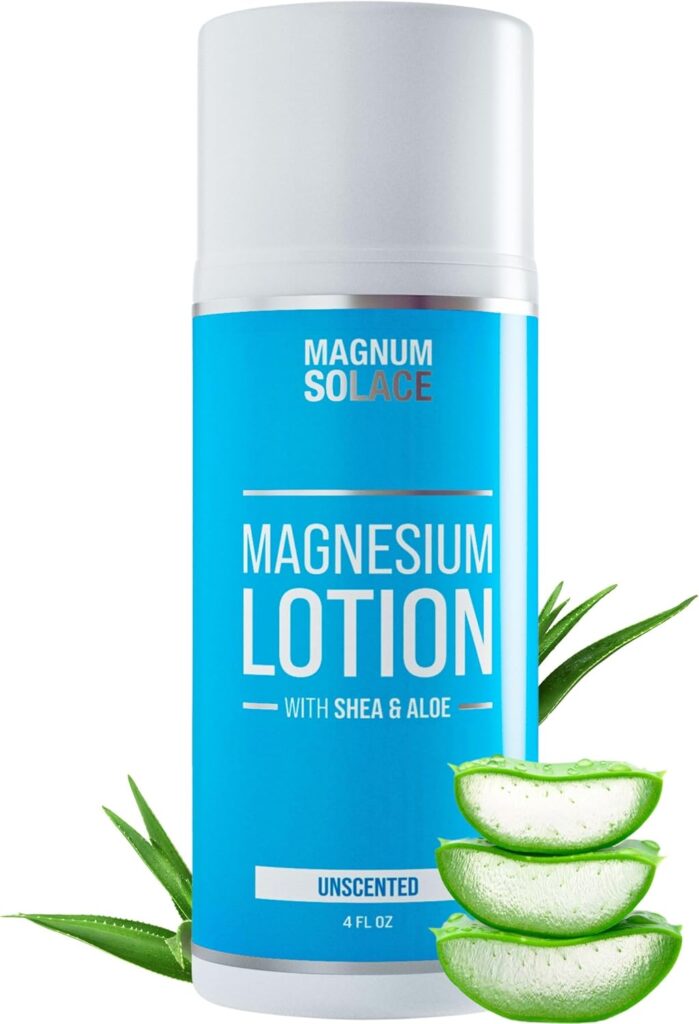
MAGNUM SOLACE Magnesium Lotion
How to Use Magnesium Lotion for Leg Cramps
If you are ready to give magnesium lotion a whirl, here is a quick rundown on how to apply it effectively:
- Choose Your Timing: Apply magnesium lotion right after a warm shower. Warm skin can improve absorption, so it’s an ideal time.
- Massage It In: Spend a minute or two rubbing it into your legs (or wherever you tend to cramp up). A good massage can help it sink in deeper and increase circulation.
- Be Consistent: Regular use tends to yield the best results. For most folks, that means applying it once or twice daily.
- Patch Test: If you’re new to magnesium lotions, try a small amount on your forearm first to make sure your skin doesn’t react.
Additional Tips for Managing Leg Cramps Naturally
While magnesium lotion can make a big difference, consider these extra tips to minimize leg cramps altogether:
- Stay Hydrated: Dehydration can trigger cramps, so make sure you’re drinking enough water throughout the day.
- Stretch Regularly: Stretching before bed, especially your calves and hamstrings, can go a long way in keeping cramps at bay.
- Eat a Balanced Diet: Foods rich in potassium and calcium, like bananas and dairy, support muscle health.
- Adjust Your Sleep Position: Sleeping with your legs slightly elevated can reduce pressure on your muscles and improve circulation.
Check out other articles for additional information on the use and top picks for magnesium cream for muscle pain and magnesium oils for cramps.
Conclusion – Use of Magnesium Lotion for Leg Cramps
When it comes to leg cramps, magnesium lotion offers a practical, natural solution that’s easy to incorporate into your routine. Whether you’re battling night-time leg cramps or getting calf spasms during workouts, magnesium lotion could be a quick, effective relief you’ve been looking for.
It is gentle on the skin, direct in its action, and—best of all—easy to apply whenever you feel a cramp coming on.
Give it a try, stay consistent, and combine it with other leg-cramp-busting habits for the best results. Who knows? This just might be the secret weapon that will tackle your cramps!
Related Articles
- 7 Magnesium Supplements for Leg Cramps: Amazing Relief
- Magnesium Deficiency and Symptoms: Your Risks
- 7 Diseases Caused by Magnesium Deficiency: Serious Risks
- Magnesium for Leg Cramps: 6 Effective Creams
FAQs about Magnesium Lotion for Leg Cramps
Can I use magnesium lotion every day?
Absolutely! Daily use is recommended for the best results, as consistency helps maintain adequate magnesium levels in the muscles.
Does magnesium lotion work instantly for leg cramps?
Relief time varies. Some people feel relief within minutes, while for others, it takes a few applications before they notice improvement.
What if I experience tingling or irritation?
A mild tingling sensation is common, but if you experience more intense irritation, try a lotion with a lower concentration of magnesium or switch to a magnesium lotion made specifically for sensitive skin.
What is the best magnesium lotion for leg cramps?
The best magnesium lotion for leg cramps is not set in stone, but Life-Flo (3 pack) and Ancient Minerals are popular.
References
Menacham, J (2024) What to Know about Magnesium and Your Leg Cramps https://www.healthline.com/health/magnesium-for-leg-cramps