

Managing money in retirement can feel harder than it should.
When income is fixed and everyday costs keep creeping up, even small spending mistakes can create real stress. A forgotten bill, an extra subscription, a few unplanned purchases, or a seasonal expense that sneaks up on you can all chip away at money faster than expected.
That is why the best budget tools for seniors are not really about doing complicated math. They are about making money easier to see, easier to track, and easier to manage.
For some older adults, that means using a simple spreadsheet. For others, it means a budgeting app, a printable budget sheet, or a digital envelope system that keeps spending categories clearer.
The goal is not to use the most advanced tool. It is to use one that feels simple enough to stick with.
This guide compares practical options that can help with retirement budgeting, fixed-income planning, and everyday money management without making the process feel more intimidating than it already does.
Why Budget Tools Matter More in Retirement
Retirement changes the way many people handle money.
A regular paycheck may be gone, but groceries, utility bills, medications, gifts, household expenses, and surprise costs still show up every month. That is exactly why budget tools for retirees become more important after retirement, not less.
For many retirees, the best tool is the one that helps them stay organized without adding extra frustration.
A good budget tool does more than track numbers. It helps seniors:
- see where money is going
- spot spending leaks earlier
- avoid late bill payments
- feel less anxious about day-to-day money decisions
This matters because small leaks add up. Extra subscriptions, repeat purchases, forgotten bills, and unplanned spending can quietly chip away at fixed income. A simple budget tool can make those patterns easier to spot before they become a problem.
The best personal finance tools for seniors are usually the ones that reduce confusion and make patterns easier to notice.
When money is tight, even everyday costs like medications become extremely important, so learning how to manage multiple prescriptions can help seniors plan more realistically
What Makes the Best Budget Tools for Seniors So Useful?
The best budget tools for seniors are useful because they help make money more visible.
Many retirees do not need a fancy financial system. They need something that helps them:
- track monthly income and expenses
- keep bills and due dates visible
- plan grocery and household spending
- reduce impulse purchases
- stay consistent with a retirement budget
That is especially true when living on a fixed income. Small leaks can quietly grow into bigger problems. An unused subscription, repeat trips to the store, missed due dates, or unplanned spending can all add up.
The right money management tools for seniors help catch those patterns before they cause more stress.
Seniors – How to Create a Budget Plan
For some seniors, that tool may be a basic spreadsheet. For others, it may be a budgeting app, printable worksheet, or simple tracking system that feels easier to maintain.
Before choosing one, it helps to understand what makes the best budget tools useful in real everyday life.
The goal is to use one that makes money management for seniors easier to follow and easier to keep up with. And, this does not have to be an advanced tool!
Knowing how to create a budget plan is an appropriate starting point.
Using a Spreadsheet as a Simple Budget Tool for Seniors
A spreadsheet is still one of the most practical budgeting tools available, especially for seniors who want control without relying too heavily on apps.
Some older adults feel much more comfortable using:
- a printed budget sheet
- a simple Excel file
- a basic Google Sheet
That makes sense. A spreadsheet can track monthly income, medication costs, groceries, household bills, gifts, and regular expenses all in one place.
✅ Why a spreadsheet works well
- It is simple and customizable: You can tailor it exactly to your needs—whether it’s tracking your retirement income, medication costs, or grandkid gift expenses.
- It can be printed and adjusted easily
- It is a strong option for low-tech seniors
- It works well for fixed-income budgeting
- It gives a clear view of spending categories
- It does not require learning a brand-new app
⚠️ A few limitations to keep in mind
- Transactions usually need to be entered manually
- It does not automatically sync with your bank
- Formulas can feel intimidating if the sheet is too complicated
That said, for many seniors, a spreadsheet works better than a more advanced app because it feels manageable. And that matters more than flashy features.
If starting from a blank spreadsheet feels intimidating, this simple Senior Monthly Budget Worksheet can make it easier to begin.
Free printable: Download
5 Best Budget Tools for Seniors Compared
The best budget tool depends on how comfortable you are with technology and how detailed you want your budgeting system to be. Some seniors prefer a simple spreadsheet or printed worksheet, while others like the convenience of an app.
This quick comparison makes it easier to see which option may fit your style best before looking at each one more closely.
Quick Comparison: 5 Best Budget Tools for Seniors
| Budget Tool | Best For | Ease of Use | Cost | Main Limitation |
|---|---|---|---|---|
| Simple Spreadsheet | Seniors who want full control and a low-tech option | Easy to Moderate | Free or very low cost | Manual entry takes time |
| Goodbudget | Retirees who like a visual envelope-style system | Easy | Free with paid upgrade | Requires regular manual updates |
| YNAB | Seniors who want detailed retirement budgeting help | Moderate | Paid subscription | Learning curve is higher |
| EveryDollar | Seniors who want a simple, no-frills budgeting app | Easy | Free with paid upgrade | Some useful features are limited in the free version |
| Printable Budget Worksheet / Senior Budget Planner | Seniors who prefer paper-based budgeting | Easy | Free or very low cost | No automation |
With that quick overview in mind, here is how each budgeting tool works in real everyday life.
Simple Spreadsheet
A spreadsheet is often the easiest place to begin. It works well for retirees who want a straightforward way to track income and expenses without relying on apps or passwords.
Best for: seniors who want full control and low-tech simplicity.
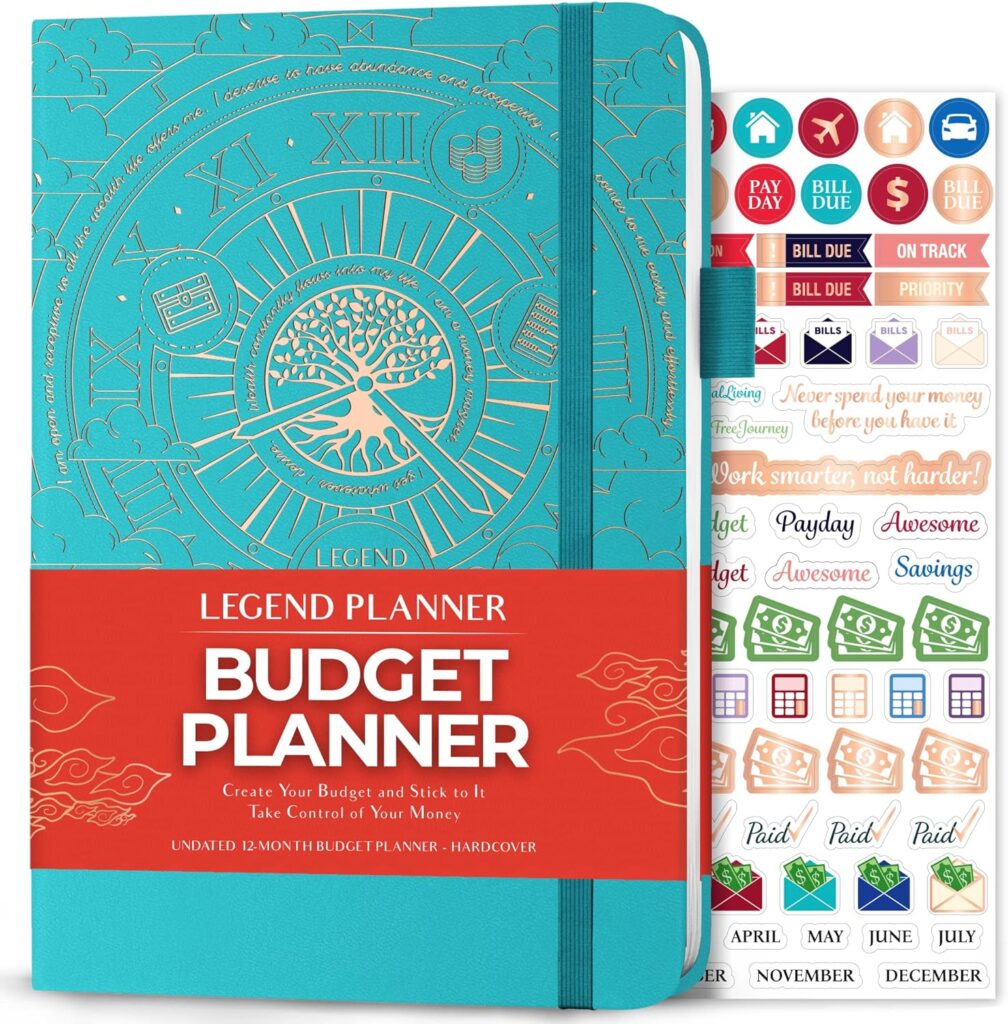
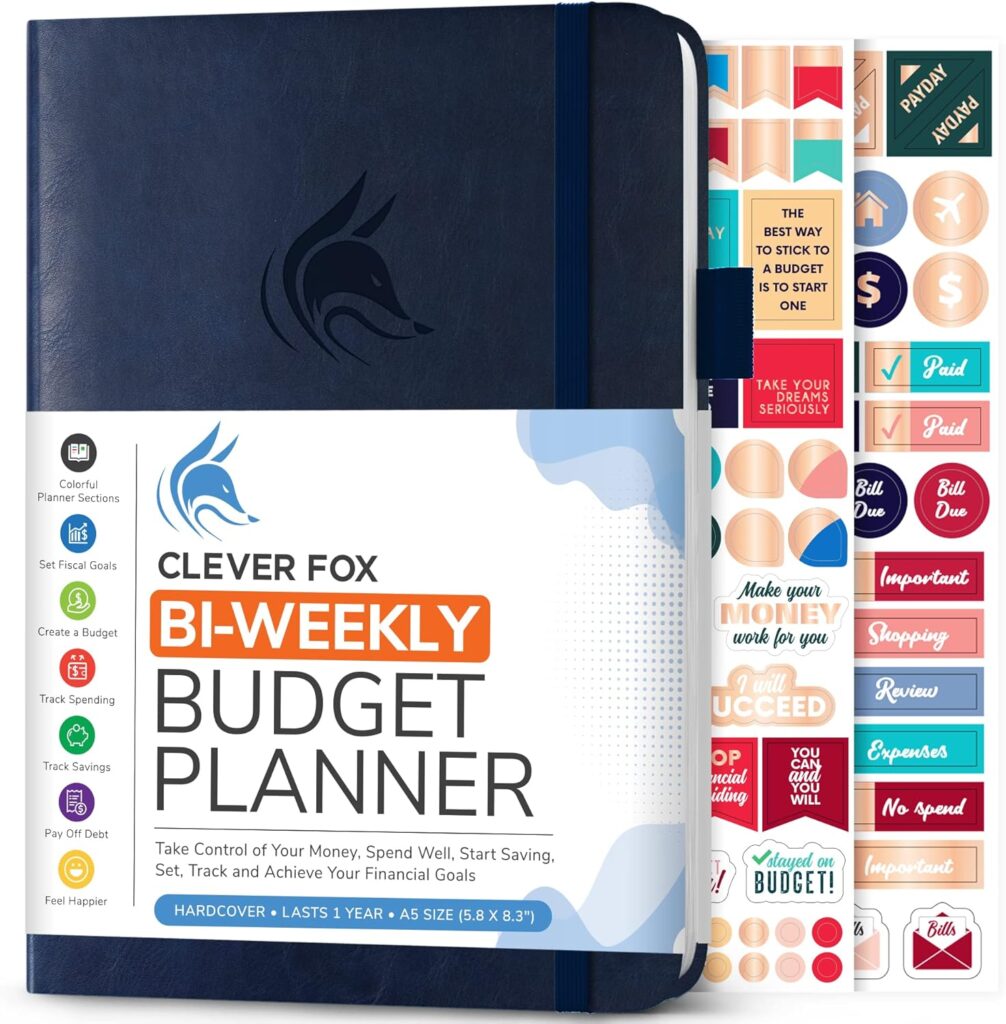
Seniors who want a traditional budget planner can choose from a wide variety on AMAZON. Consider the LEGEND Budget Planner or the CLEVER FOX Biweekly Budget Planner.
GoodBudget – The Modern Envelope System
Goodbudget is a digital version of the envelope system. It helps users divide money into categories like groceries, medications, transportation, and fun spending. When the category is used up, it is used up.
This makes it one of the more visual budget tools for retirees, especially for people who like simple category-based spending control.
Best for: retirees who want a more visual budgeting style
YNAB
YNAB, short for You Need A Budget, is a more detailed budgeting tool. It can be very helpful for seniors who want stronger planning habits and do not mind a steeper learning curve.
It is more hands-on than some other options, but that extra structure can help people who want clearer purpose behind every dollar.
Best for: retirees who want detailed planning and stronger control
Heads-up: It’s not free, but the peace of mind might just be worth the subscription.
EveryDollar
EveryDollar is a cleaner, simpler budgeting app built around assigning each dollar a job. It is easier to learn than some more detailed tools and works well for people who want a no-frills system.
For seniors who want a straightforward app without too many moving parts, this can be one of the easier budgeting apps for seniors to start with.
Best for: seniors who want a clean, straightforward budgeting system
Printable Budget Worksheet or Senior Budget Planner
Not every senior wants an app. A printable budget worksheet or simple senior budget planner can be one of the easiest personal finance tools for seniors because it keeps everything visible without technology getting in the way.
For many retirees, a printed worksheet feels less stressful than learning a new digital platform.
Best for: seniors who prefer paper-based budgeting and simple monthly tracking
What to Look for in Personal Finance Tools for Seniors
Not every budgeting tool is a good fit for retirees. Before choosing one, it helps to look at the features that make everyday money management easier, not harder.
Before choosing a budgeting system, it helps to know what actually makes one useful in everyday life. The best budget tools for seniors are usually the ones that feel clear, manageable, and realistic to keep using month after month.
Quick Checklist: What to Look for in Budget Tools for Seniors
| Criteria | Why It Matters |
|---|---|
| Ease of Use | The tool should feel simple to learn and easy to keep using without frustration. |
| Clear Spending Categories | It should make it easier to see where money is going every month. |
| Bill and Expense Tracking | A useful tool should help keep due dates, recurring bills, and daily expenses visible. |
| Fixed-Income Support | It should work well for retirement income, pensions, and tighter monthly budgets. |
| Security | If it is digital, it should offer solid privacy and account protection. |
| Flexibility | It should suit the senior’s comfort level, whether paper-based, spreadsheet-based, or app-based. |
| Helpful Support | Tutorials, setup guidance, or simple support can make a tool much easier to stick with. |
Once you know what matters most, it becomes much easier to compare the actual budget tools side by side.
Look for tools that offer:
Simple Navigation and Clear Categories
A good tool should feel easy to understand. Large text, clear labels, and straightforward spending categories matter more than fancy dashboards.
Fixed-Income Budgeting Support
The best budget tools for seniors should work well for people living on retirement income, pensions, or limited monthly cash flow.
Bill Tracking and Spending Visibility
A good tool should make it easier to see:
- what is due
- what was already paid
- where spending is rising
- what categories may need adjusting
Security and Ease of Use
If a tool feels frustrating, confusing, or hard to trust, it probably will not get used. The best one is the one you can stick with month after month.
A tool does not need dozens of features to be useful. In fact, for many seniors, simpler is better. If it takes too long to learn or feels frustrating after the first setup, it may not be the right fit.
The best budget tools for seniors are the ones that are easy enough to keep using month after month.
Honestly, if it takes more than 10 minutes to figure out, it’s probably not worth your time!
Smart Tips for Sticking to a Budget in Retirement
Even the best budget tool will not help much if it never gets used. The real goal is consistency.
A few habits can make retirement budgeting tools much more effective:
Review Spending Weekly
Looking at the budget once a week is often easier than waiting until the end of the month and feeling blindsided.
Use No-Spend Days
Choosing one or two no-spend days a week can help reduce impulse purchases more than many people expect.
Budget for Fun on Purpose
A retirement budget should not feel like punishment. Setting aside a little money for enjoyable things makes the budget more realistic and easier to stick with.
Plan for Annual Expenses
Insurance, holidays, birthdays, and yearly fees can sneak up quickly. Good retirement budgeting tools make room for those non-monthly costs too.
Start Simple
A complicated system often gets abandoned. A simple one is far more likely to become a habit.
If you want to stretch retirement income even further, these 50 savvy saving hacks for seniors can work alongside the budget tools in this guide.
If due dates and monthly bills tend to blur together, this Bill Payment Tracker can help keep everything visible in one place.
Free printable: Download
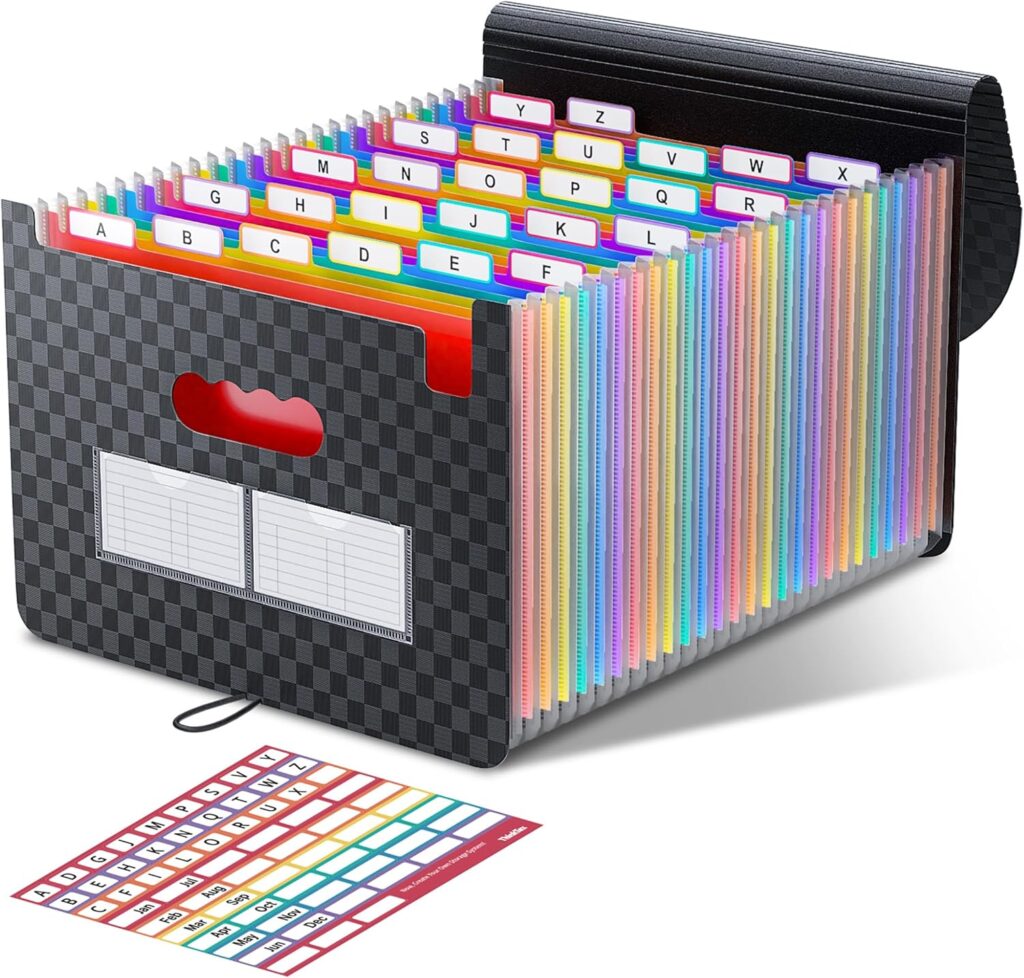
Pair this with a file / bill organizer such as the ThinkTex Accordion File Organizer
Common Budgeting Mistakes Seniors Should Avoid
Budgeting mistakes do not always come from overspending. Sometimes they come from assuming everything will be easy to remember later.
Common mistakes include:
- forgetting to record small purchases
- not budgeting for gifts or special occasions
- ignoring subscription costs
- waiting too long to review spending
- failing to talk openly about money with a spouse or partner
Small expenses can build up surprisingly fast. The more clearly they are tracked, the easier they are to manage.
This is one reason the best money management tools for seniors are not just about numbers. They help create visibility before small leaks become bigger problems.
A good budget is easier to protect when you also know how to spot common financial scams targeting seniors before money slips away.
Best Budget Tools for Seniors: Top Picks by Need
If you want the summarized version, here is the easiest way to think about the best options:
- Best low-tech option: Simple Spreadsheet
- Best visual budgeting tool: Goodbudget
- Best detailed planning option: YNAB
- Best simple budgeting app: EveryDollar
- Best paper-based option: Printable Budget Worksheet or Senior Budget Planner
That mix gives seniors a range of choices based on comfort level, budgeting style, and willingness to use digital tools.
Conclusion: How to Choose the Right Budget Tool for Your Needs
The best budget tools for seniors are not always the fanciest ones. They are the ones that help make retirement money easier to understand, easier to track, and easier to manage.
For some retirees, that means a spreadsheet and a printed budget page. For others, it means using a budgeting app that helps track spending automatically.
The right fit depends on:
- how much detail you want
- how comfortable you are with technology
- how simple you want the system to feel.
Good budgeting is not about taking all the joy out of retirement. It is about creating enough clarity and control that everyday money decisions feel less stressful.
Choose the tool that feels easiest to stick with. That is usually the one that works best. And, don’t forget that retirement budgeting also gets easier when you understand senior scams tips and how to avoid costly traps.
Related Articles
- 50 Savvy Saving Hacks for Seniors: A Guide
- Revealing 5 Common Financial Scams Targeting Seniors
- 18 Top Senior Scams: Tips to Avoid Them
FAQs for Best Budget Tools for Seniors
What are the best budget tools for seniors on a fixed income?
Simple spreadsheets, Goodbudget, EveryDollar, and printable budget sheets can all help seniors manage fixed-income budgeting more clearly.
Are there free personal finance tools for seniors?
Yes. Spreadsheets, printable worksheets, and some budgeting apps offer free options that can help seniors manage money without expensive software.
What is the easiest budget tool for seniors to use?
Many seniors find a simple spreadsheet or a basic budgeting app easiest because both can make monthly tracking feel more manageable.
Can budget tools help with retirement budgeting?
Yes. The best retirement budgeting tools help track income, expenses, bills, and spending habits so money feels easier to manage.
Are online budgeting tools safe for seniors?
Well-known budgeting tools can be safe, but seniors should still check privacy settings, reviews, and account protections before using them.