
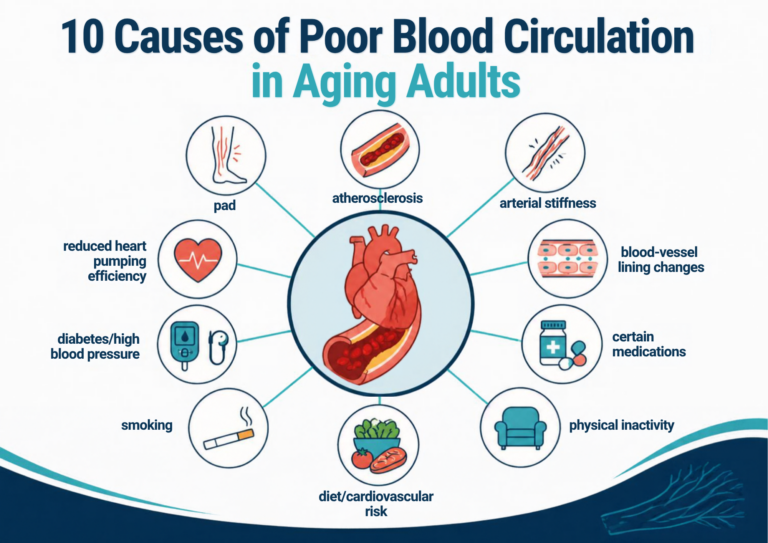
The causes of poor blood circulation in aging adults can range from changes in the blood vessels and heart to health conditions, medications, smoking, and reduced physical activity. For many seniors, the first clues may be easy to dismiss—cold feet, tingling, leg cramps, or a heavy, tired feeling after sitting for too long.
Poor circulation is not simply something to accept as a normal part of getting older. Understanding what may be behind it can make it easier to recognize important risk factors. Discuss persistent symptoms with a healthcare professional, and make more informed decisions about your health.
In this guide, we’ll look at 10 causes of poor blood circulation, including several common poor circulation risk factors and the main causes of poor leg circulation in older adults.
What Are the Main Causes of Poor Blood Circulation in Aging Adults?
The causes of poor blood circulation in older adults are rarely limited to one factor. Changes in the arteries and blood vessels can play a role, but health conditions, medications, smoking, inactivity, and long-term lifestyle habits may also affect how efficiently blood moves through the body.
Some poor circulation causes in seniors are linked to changes that become more common with age, while others are modifiable poor circulation risk factors. Understanding the difference is useful because it can help you recognize which factors deserve a conversation with your healthcare professional and which lifestyle habits may be worth addressing.
1. Atherosclerosis and Poor Circulation
Atherosclerosis and poor circulation are closely connected because atherosclerosis causes fatty deposits, called plaques, to build up inside the arteries.
As these deposits accumulate, the arteries can become narrower and stiffer. That leaves less room for blood to move through the vessel and can reduce blood flow to tissues farther downstream. Calcium deposits may contribute to additional arterial stiffening.
Atherosclerosis becomes more common as people grow older, but age is not the only factor involved. Smoking, high blood pressure, cholesterol problems, diabetes, and other cardiovascular risk factors can also contribute.
This is one reason persistent circulation problems should not simply be dismissed as “getting older.”
2. Peripheral Artery Disease and Poor Circulation
Peripheral artery disease and poor circulation are particularly important when symptoms involve the legs and feet.
Peripheral artery disease, or PAD, occurs when arteries supplying the limbs become narrowed or blocked. In older adults, this can reduce the amount of blood reaching the legs and may contribute to discomfort, cramping, difficulty walking, or other problems with the lower limbs.
The article identifies several factors commonly associated with PAD, including:
- smoking;
- diabetes;
- high blood pressure;
- high cholesterol; and
- atherosclerosis.
PAD deserves medical attention because more severe disease can lead to tissue damage and significant mobility problems.
Later in this guide, we will look more specifically at the causes of poor leg circulation and why reduced blood flow is so often noticed in the lower body.
3. Stiffer Arteries With Age
Healthy arteries need a degree of flexibility. They expand and contract as blood moves through them and as the body’s demands change.
Arteries commonly become less elastic and more rigid with advancing age. When vessels lose some of that flexibility, blood flow may become less efficient.
This does not mean that every older adult automatically develops serious poor circulation. Genetics, overall cardiovascular health, physical activity, smoking history, blood pressure, and other health conditions can all influence how well the vascular system functions over time.
The important distinction is that aging can increase vulnerability, but poor circulation should still be evaluated rather than assumed to be inevitable.
4. Changes in the Blood Vessel Lining
The inner lining of a blood vessel is called the endothelium. It helps the blood vessels respond appropriately to changes in blood flow and plays a role in maintaining vascular health.
Your original article notes that aging can affect how well this inner lining functions. When the endothelium does not work as effectively, the blood vessels may have more difficulty regulating blood flow normally.
For a senior reader, the easiest way to think about it is this: blood vessels are not simply passive tubes. Their inner lining actively helps regulate how they behave.
Changes in that system can therefore become one piece of the larger circulation picture.
5. Reduced Heart Pumping Efficiency
Blood circulation depends on the heart being able to pump blood effectively throughout the body. Weakening of the heart muscle and reduced cardiac output are possible contributors to poorer circulation.
However, it is important not to assume that normal aging automatically means the heart becomes too weak to circulate blood properly. Rather, heart conditions or changes that reduce pumping efficiency may contribute to circulation problems in some older adults.
That is especially relevant when poor circulation occurs alongside symptoms such as unusual shortness of breath, swelling, fatigue, or reduced exercise tolerance. Those symptoms deserve medical evaluation rather than being treated as a simple leg-circulation problem.
6. Diabetes, High Blood Pressure, and Other Health Conditions
Several health conditions can affect the blood vessels and contribute to circulation problems.
High blood pressure and diabetes are among the conditions associated with poor circulation and PAD.
High blood pressure places ongoing stress on blood-vessel walls. Over time, that can contribute to vascular damage and make circulation problems more likely.
Diabetes can also affect blood vessels and is particularly important for seniors because reduced circulation and reduced sensation in the feet can create additional concerns if cuts, blisters, or wounds go unnoticed.
This is why controlling underlying health conditions is an important part of addressing poor circulation. Improving comfort without managing the condition contributing to the problem does not address the whole picture.
7. Certain Medications
Medications can sometimes contribute to circulation-related symptoms, although the effect depends on the medication and the individual.
The existing article notes that certain medicines may lower blood pressure enough to affect how a person feels or may have other effects relevant to circulation.
That does not mean you should stop a prescribed medication because your hands or feet feel cold.
Instead, if circulation symptoms begin after:
- starting a new medication;
- changing a dose; or
- adding several medications,
mention the timing to your doctor or pharmacist.
For seniors taking multiple prescriptions, a medication review can sometimes uncover contributing factors that would be difficult to recognize on your own.
8. Smoking
Smoking is one of the most important modifiable risk factors discussed in the article.
Long-term tobacco use can damage blood vessels and contribute to the progression of atherosclerosis. Smoking is also identified as an important risk factor for peripheral artery disease.
That makes smoking especially relevant when poor circulation affects the legs.
For someone who has smoked for many years, the effects on vascular health do not necessarily disappear overnight. Still, stopping smoking remains an important step in reducing ongoing cardiovascular risk.
If quitting feels difficult, discussing cessation support with a healthcare professional can be far more effective than trying to manage it through willpower alone.
9. Physical Inactivity and Reduced Mobility
Many seniors become less active over time because of arthritis, pain, balance problems, illness, fatigue, or simply spending more time sitting.
Decreased physical activity is one of the contributing factors associated with poor circulation in older adults.
Regular movement helps the muscles work and supports normal cardiovascular function. Long periods of inactivity, on the other hand, may make heaviness, stiffness, or lower-leg discomfort more noticeable.
This does not mean every senior needs strenuous exercise.
For many older adults, the more realistic goal is simply to avoid remaining completely still for very long periods and to maintain as much safe daily movement as their health and mobility allow.
If walking or exercise is difficult because of pain, dizziness, shortness of breath, or significant mobility limitations, ask your healthcare professional what level of activity is appropriate.
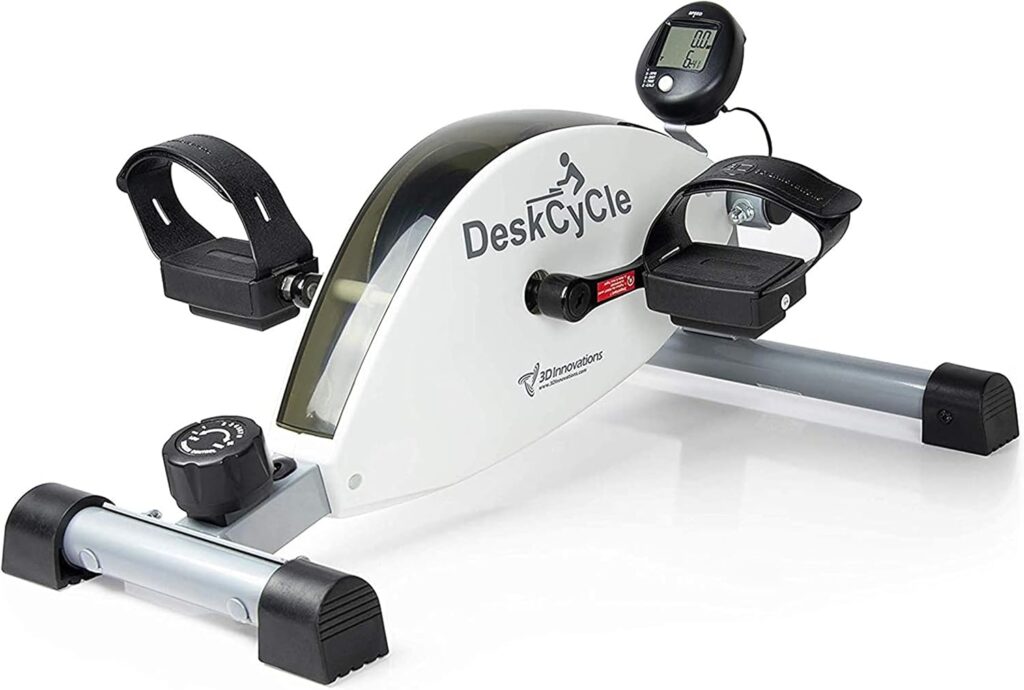
Optional Tool for Adding Gentle Seated Movement
For seniors who spend long periods sitting, a compact pedal exerciser can make it easier to add gentle movement while watching television, reading, or sitting at a desk. The DeskCycle Under Desk Bike Pedal Exerciser offers eight magnetic resistance settings, adjustable pedal height, and a smooth seated pedaling motion.
It is best viewed as a convenient way to stay more active—not as a treatment for poor circulation. If you have PAD, heart disease, significant leg pain, or other medical limitations, ask your healthcare professional what type and amount of exercise is appropriate.
10. Diet and Cardiovascular Risk
Diet is better understood as a cardiovascular risk factor than as a single direct cause of poor circulation.
Long-term unhealthy dietary habits may increase the progression of atherosclerosis and vascular problems.
A diet consistently high in foods that contribute to poor cardiovascular health may increase the likelihood of conditions such as:
- high cholesterol;
- high blood pressure;
- obesity; and
- diabetes.
Those conditions, in turn, can affect blood-vessel health and circulation.
A heart-healthy eating pattern built around vegetables, fruits, whole grains, appropriate protein sources, and other nutrient-rich foods is therefore less about finding a magical “circulation food” and more about supporting the health of the cardiovascular system as a whole.
More Than One Cause May Be Involved
Poor circulation is not always caused by an isolated problem.
An older adult may have several contributing factors at the same time—for example, reduced activity, diabetes, high blood pressure, and a history of smoking. Another person may primarily have an arterial condition such as PAD.
That is why identifying the likely causes of poor blood circulation matters more than simply trying to make cold or uncomfortable legs feel better.
Understanding what is driving the problem helps determine what should happen next—and whether the circulation issue can be addressed through risk-factor changes or needs medical evaluation and treatment.
What Are the Causes of Poor Leg Circulation?
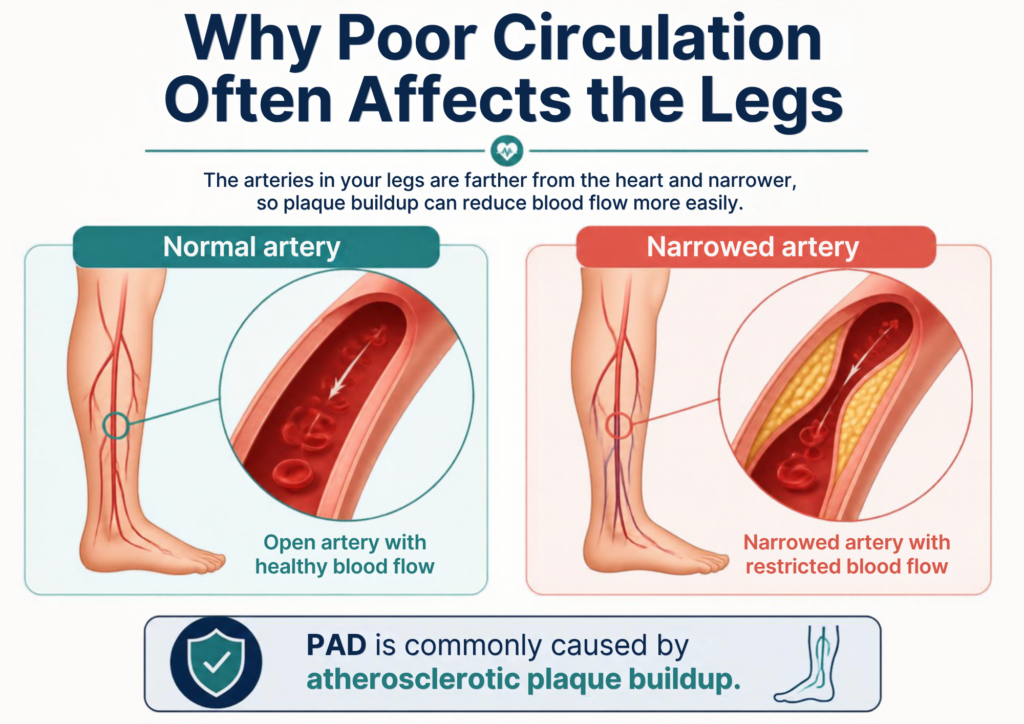
Poor circulation often becomes most noticeable in the legs and feet because these areas are farther from the heart and can be affected by both arterial problems and reduced movement.
One of the most important causes of poor leg circulation is peripheral artery disease (PAD). In PAD, arteries supplying the lower limbs become narrowed or blocked, reducing blood flow to the legs. Atherosclerosis, smoking, diabetes, high blood pressure, and high cholesterol are also factors associated with PAD.
Why PAD Commonly Affects the Legs
Peripheral artery disease often affects arteries that carry blood to the legs. When those arteries narrow, the muscles and tissues in the lower limbs may not receive as much blood as they need, particularly during activity.
Some seniors may notice leg discomfort, cramping, or difficulty walking. However, these symptoms are not unique to PAD, so they should not be used to diagnose poor circulation on their own.
If leg symptoms are persistent, worsening, or interfering with walking and daily activities, it is worth discussing them with a healthcare professional rather than assuming they are simply part of aging.
How Inactivity Can Affect Leg Circulation
Reduced activity is another contributor to circulation problems in older adults.
Many seniors spend more time sitting because of arthritis, pain, fatigue, balance concerns, illness, or reduced mobility. Your current article notes that decreased physical activity may contribute to poor circulation and that regular movement can help support blood flow and muscle function.
This does not mean you need strenuous exercise. Even maintaining safe, regular movement can be helpful for overall cardiovascular and mobility health.
For someone with significant pain, breathlessness, dizziness, or mobility limitations, however, it is better to ask a healthcare professional what level of activity is appropriate.
When Leg Circulation Problems May Point to Another Health Condition
Poor circulation in the legs may also be connected to conditions such as diabetes, high blood pressure, atherosclerosis, or other cardiovascular problems.
This is why it is important to look beyond the legs themselves. Cold feet, cramps, heaviness, or tingling may be the symptom you notice, but the underlying cause may involve a broader health condition that needs attention.
How Do You Know Which Cause May Be Affecting You?
It can be difficult to tell what is causing poor circulation based on symptoms alone.
Cold feet, tingling, cramps, numbness, or heavy legs may suggest a circulation problem, but these symptoms can also occur with other health conditions. These early signs can be easy to dismiss or misinterpret.
The goal is not to diagnose yourself, but to look at the overall pattern.
Look at the Pattern of Your Symptoms
Think about when the symptoms occur and whether they are changing.
Ask yourself:
- Do symptoms occur mainly during walking or activity?
- Do they improve with rest?
- Are both legs affected or only one?
- Are your feet unusually cold?
- Do you have numbness, tingling, cramping, or heaviness?
- Are symptoms becoming more frequent or severe?
These details can help you explain the problem more clearly to your healthcare provider.
What matters most is persistence and change. A symptom that happens occasionally may have many explanations, while a pattern that repeatedly interferes with walking, comfort, or daily life deserves more attention.
If you are noticing changes such as leg pain, numbness, swelling, cold feet, or slow-healing wounds, our guide to poor circulation symptoms and warning signs explains which patterns deserve closer attention.
Review Your Health Conditions and Medications
Your medical history can provide important clues.
If you have diabetes, high blood pressure, cholesterol problems, heart disease, or a history of smoking, those factors may increase the likelihood of vascular problems.
It is also worth reviewing recent medication changes. Some medications may affect blood pressure or contribute to circulation-related problems in certain people.
Do not stop prescribed medication because you suspect it may be contributing. Instead, mention any new or worsening symptoms to your doctor or pharmacist.
When Medical Evaluation May Be Needed
If poor circulation symptoms persist, worsen, or affect your mobility, a healthcare professional may need to determine whether an underlying condition is involved.
Consult a healthcare provider to identify the cause before relying on home remedies or supportive products.
That is especially important when symptoms occur alongside known cardiovascular disease, diabetes, significant swelling, or problems with the feet and legs.
The purpose of medical evaluation is not simply to confirm that circulation is poor. It is to understand why it is happening, because treatment depends on the underlying cause.
What Can You Do After Identifying the Cause?
Once the likely cause of poor circulation is clearer, the next step is to address the factor contributing to it rather than simply trying to relieve discomfort.
For some seniors, that may mean improving daily movement or stopping smoking. For others, it may involve better management of diabetes, high blood pressure, cholesterol, or another medical condition.
Once the underlying cause is clearer, you can also explore products for poor circulation in seniors that may provide comfort or support when they are appropriate for your situation.
Manage Underlying Health Conditions
If diabetes, high blood pressure, or another chronic condition is contributing to circulation problems, following the treatment plan provided by your healthcare professional is an important first step.
Manage chronic health conditions as directed rather than relying only on home remedies.
This may include prescribed medications, lifestyle changes, regular monitoring, or other treatments recommended for your specific condition.
Managing the underlying problem is usually more meaningful than trying to “boost circulation” with a single product or remedy.
Address Modifiable Risk Factors
Several contributing factors can sometimes be changed.
Regular activity, a balanced diet, avoiding smoking, limiting prolonged inactivity, and managing weight are practical ways to support cardiovascular health.
The key is to choose changes that are safe and realistic.
For many seniors, this may mean:
- walking or doing other low-impact activity as tolerated;
- breaking up long periods of sitting;
- eating a balanced, heart-healthy diet;
- avoiding smoking; and
- following medical advice for diabetes, blood pressure, or cholesterol.
Small, consistent changes are usually more practical than trying to overhaul everything at once.
Use Supportive Products Only When Appropriate
Supportive products may help with comfort, but they should not be treated as a cure for poor circulation.
Items such as a heated foot warmer and leg-elevation pillow are comfort aids rather than treatments for the underlying cause.
Check out these comfort aids in our products for poor circulation article.
When Poor Circulation Should Not Be Ignored
Poor circulation should not be brushed aside when symptoms are persistent, worsening, or beginning to interfere with walking, comfort, or everyday activities.
Reduced blood flow in the legs can sometimes be associated with peripheral artery disease (PAD), which may cause leg pain, difficulty walking, and, in more severe cases, tissue damage.
You should speak with a healthcare professional if you notice circulation-related symptoms that:
- continue for more than a short period;
- repeatedly occur during walking or activity;
- are becoming more painful or frequent;
- make it harder to walk or stay active;
- occur alongside significant swelling;
- involve numbness, tingling, or persistent coldness in the feet;
- are accompanied by slow-healing sores or wounds; or
- appear after a change in medication or a new health problem.
These symptoms do not automatically mean you have a serious circulation disorder, but they may be worth investigating—especially if you also have diabetes, high blood pressure, heart disease, high cholesterol, or a history of smoking.
The main goal is to identify the cause of poor blood circulation rather than simply trying to make the symptoms feel better. Once the cause is understood, your healthcare professional can help determine whether lifestyle changes, medication management, further testing, or other treatment is appropriate.
Conclusion: Understanding the Causes of Poor Blood Circulation
The causes of poor blood circulation in aging adults can include atherosclerosis, peripheral artery disease, stiffer arteries, changes in blood-vessel function, heart conditions, diabetes, high blood pressure, smoking, inactivity, medications, and other cardiovascular risk factors.
Although aging can affect the heart and blood vessels, poor circulation should not simply be accepted as an unavoidable part of getting older. Not every senior experiences significant circulation decline, because genetics, health status, and lifestyle all influence vascular health.
The most useful first step is to look beyond the symptom and ask what may be causing it.
If you are dealing with cold feet, leg heaviness, cramping, tingling, or other persistent changes, consider your health conditions, medications, activity level, and cardiovascular risk factors. Then discuss ongoing or worsening symptoms with a healthcare professional.
Understanding the cause gives you a much better foundation for deciding what to do next.
Related Articles
- Foot Problems and Diabetes. Why Important for Seniors?
- Poor Circulation Problems in Seniors – The Real Dangers
- Compression Leg Socks – How to Buy and Select
- The Best Products that Can Help Improve Poor Blood Circulation
- How to Select and Buy Womens Compression Socks
FAQs About the Causes of Poor Blood Circulation
What is the most common cause of poor blood circulation in older adults?
There is no single cause that affects every older adult. Common contributors include atherosclerosis, peripheral artery disease, diabetes, high blood pressure, smoking, reduced physical activity, and other cardiovascular conditions. More than one factor may be involved at the same time.
What causes poor circulation in legs and feet?
The causes of poor leg circulation may include peripheral artery disease, atherosclerosis, diabetes, smoking, high blood pressure, and reduced physical activity. PAD is particularly important because it can narrow or block arteries that carry blood to the lower limbs.
Can inactivity cause poor circulation in seniors?
Reduced physical activity can contribute to circulation problems, particularly in seniors who spend long periods sitting or have limited mobility. Your current article notes that regular activity supports blood flow and cardiovascular function.
Inactivity is usually best viewed as a contributing risk factor rather than the only possible cause.
Can medications contribute to poor circulation?
Some medications may affect blood pressure or contribute to circulation-related symptoms in certain people. The existing article notes that medication effects can sometimes play a role, particularly in older adults managing several health conditions.
Do not stop prescribed medication on your own. If symptoms began after starting or changing a medication, discuss the timing with your doctor or pharmacist.
When should poor circulation be checked by a doctor?
It is sensible to seek medical advice when symptoms are persistent, worsening, affecting walking or mobility, or occurring alongside problems such as significant swelling, numbness, cold feet, or slow-healing wounds.
Medical evaluation is especially important if you already have diabetes, heart disease, high blood pressure, high cholesterol, or other cardiovascular risk factors, because the underlying cause determines the appropriate treatment.
References
CDC (2024). Heart Disease. About Peripheral Arterial Disease (PAD) https://www.cdc.gov/heart-disease/about/peripheral-arterial-disease.html
Gornik HL, et al. (2024) ACC/AHA (American Heart Association) Guideline for the Management of Lower Extremity Peripheral Artery Disease. https://professional.heart.org/en/science-news/2024-guideline-for-the-management-of-lower-extremity-peripheral-artery-disease/top-things-to-know