

The causes of poor blood circulation in aging adults are primarily due to various age-related changes in the cardiovascular system and other factors.
Poor circulation is one of those issues that can sneak up on people as they get older. At first, it may just feel like cold feet, tingling, leg cramps, or that heavy, tired feeling in the legs after sitting too long.
But over time, poor circulation can make everyday comfort harder and may sometimes point to a deeper health issue that should not be ignored.
The good news is that once you understand the causes of poor blood circulation in aging adults, it becomes easier to spot the warning signs and take practical steps that may help.
In many cases, poor circulation is linked to habits, health conditions, or mobility issues that can be managed more effectively with the right support and medical guidance.
In this post, we will look at 10 causes of poor blood circulation in aging adults, the symptoms to watch for, and a few supportive products that may help improve comfort at home.
Main Causes of Poor Blood Circulation – Cardiovascular Changes
There are five notable changes in the cardiovascular system brought on by aging. These are :
Weakened Heart Muscles
As people age, the heart’s capacity to effectively circulate blood diminishes due to weakening of heart muscles. This decline in cardiac output translates to a reduced volume of blood being pumped throughout the circulatory system.
This could potentially lead to compromised circulation in various organs and tissues.
Blood Vessel Inner Lining Malfunction
The process of aging can result in impairment of the inner lining of blood vessels, known as the endothelium, which can diminish its capacity to produce substances that control blood flow and uphold vascular well-being.
Increased Rigidity of Arteries
With advancing age, arteries typically undergo a reduction in elasticity and an increase in rigidity. This decline in flexibility can hinder arteries from effectively expanding and contracting to accommodate variations in blood flow.
This can make the circulation of blood less efficient.
Atherosclerosis
Atherosclerosis is a gradual accumulation of fatty deposits, known as plaques, within the arteries, which can lead to a narrowing and stiffening of these blood vessels, thereby diminishing blood flow.
This condition tends to be more prevalent among elderly individuals and the potential to impact blood circulation throughout the entire body.
Additional factors such as the buildup of calcium deposits within the arteries, known as arterial calcification, can also contribute to a further decrease in blood flow.
What are the Causes of Poor Leg Circulation – Peripheral Artery Disease (PAD)
Peripheral artery disease (PAD) is a condition in which the arteries that predominantly deliver blood to the lower limbs, especially the legs, experience narrowing or blockage.
This condition is more frequently observed in older individuals and can severely hinder blood circulation to the legs, leading to various health issues.
Peripheral artery disease is a critical health concern as it can result in serious complications, such as leg pain, limping, and in severe cases, tissue damage or even amputation.
PAD often coexists with other cardiovascular risk factors, like atherosclerosis and high blood pressure, increasing the risk of heart disease and stroke.
While age is a significant risk factor for PAD, other factors such as smoking, diabetes, high blood pressure, and high cholesterol can also contribute to its development.
Early detection, lifestyle changes, and appropriate medical management are essential for addressing this condition and reducing the associated risks.
Preventive measures like stopping smoking, regular exercise, and a heart-healthy diet all play a role in both managing and preventing PAD.
Other Contributing Causes of Poor Blood Circulation in Aging Adults
Decreased Physical Activity
One of the main causes of poor leg circulation in many seniors is that they become less physically active over time, which can contribute to reduced mobility and poor circulation. Regular physical activity improves blood flow by promoting the dilation of blood vessels and enhancing the pumping action of the heart.
Smoking and Diet
Two behaviors generally more common in certain older demographics are prolonged tobacco use and poor dietary choices. Both can speed up the progression of atherosclerosis and exacerbate issues with blood circulation.
Medications and Health Conditions are Causes of Poor Blood Circulation
Certain medications and health conditions that are more prevalent in older adults can have side effects or complications that affect blood circulation.
For example, some medications may lower blood pressure to levels that impede circulation. On the other hand, chronic high blood pressure, often called hypertension – a condition more prevalent in older individuals causes similar issues.
The elevated blood pressure can have detrimental effects on blood vessels, affecting not only the arteries, but the capillaries as well, ultimately leading to a decrease in overall circulation.
How to Improve Poor Blood Circulation in Legs and Feet
Improving poor blood circulation in the legs can frequently be addressed with home remedies and lifestyle changes. However, consult with a healthcare provider to identify any underlying cause and ensure that these remedies are appropriate for your specific situation.
Lifestyle Changes
- Healthy Diet: Eat a balanced diet rich in fruits, vegetables, whole grains, and lean proteins. Foods high in antioxidants and anti-inflammatory properties, like berries and fatty fish, may promote better circulation.
- Regular Exercise: Avoid prolonged periods of sitting or standing. If you have a sedentary job, take regular breaks to move around. Engage in moderate, low-impact exercises like walking, swimming, or cycling to promote blood flow and strengthen leg muscles. Consult your doctor before starting any new exercise program.
- Hydration: Staying well-hydrated helps maintain blood viscosity and supports overall circulation. Aim to drink an adequate amount of water throughout the day.
- Avoid Smoking and Limit Alcohol: Smoking narrows blood vessels and impairs circulation. Limiting alcohol intake can also help improve vascular health.
Management Tips
- Weight Management: To reduce the strain on the circulatory system and improve blood flow a healthy weight must be maintained
- Warm Baths: Soaking in a warm bath is recommended to temporarily improve circulation by relaxing blood vessels and reducing muscle tension.
- Manage Chronic Health Conditions: Underlying medical conditions like high blood pressure or diabetes can affect circulation and must be managed as directed by the healthcare provider.
- Massage: Gentle leg massages can stimulate blood flow and alleviate muscle tension. Use of upward strokes towards the heart are recommended.
- Avoid Crossing Your Legs: Try to sit with your feet flat on the floor or prop your feet up when seated. This is because crossing your legs can impede blood flow.
- Elevate Your Legs: To reduce swelling and improve blood circulation it is helpful to elevate the legs above heart level for 15-30 minutes several times a day.
- Compression Stockings or Socks: Graduated compression stockings can help prevent the causes of poor blood circulation in the legs by applying pressure that decreases from the ankle upward. Consult a healthcare professional for guidance on selecting and using compression stockings if you have considerable leg and feet swelling. Compression socks for men, compression socks for women, and unisex compression socks are more readily available.
- Leg Exercises: Simple leg exercises, such as ankle pumps and toe raises, can be done while sitting or lying down to help improve circulation.
- Garlic: Garlic is believed to have properties that may improve circulation. Incorporating garlic into your diet or taking garlic supplements (with your doctor’s approval) may be beneficial.
- Ginkgo Biloba: Some studies suggest that ginkgo biloba may improve blood circulation. Consult your healthcare provider before taking any supplements.
Helpful Products That May Support Comfort With Poor Circulation
It is important to say this clearly: products do not fix the root causes of poor blood circulation, and they are not a substitute for medical advice.
Still, the right comfort tools can make a real difference for seniors dealing with cold feet, leg heaviness, swelling, or general discomfort at home.
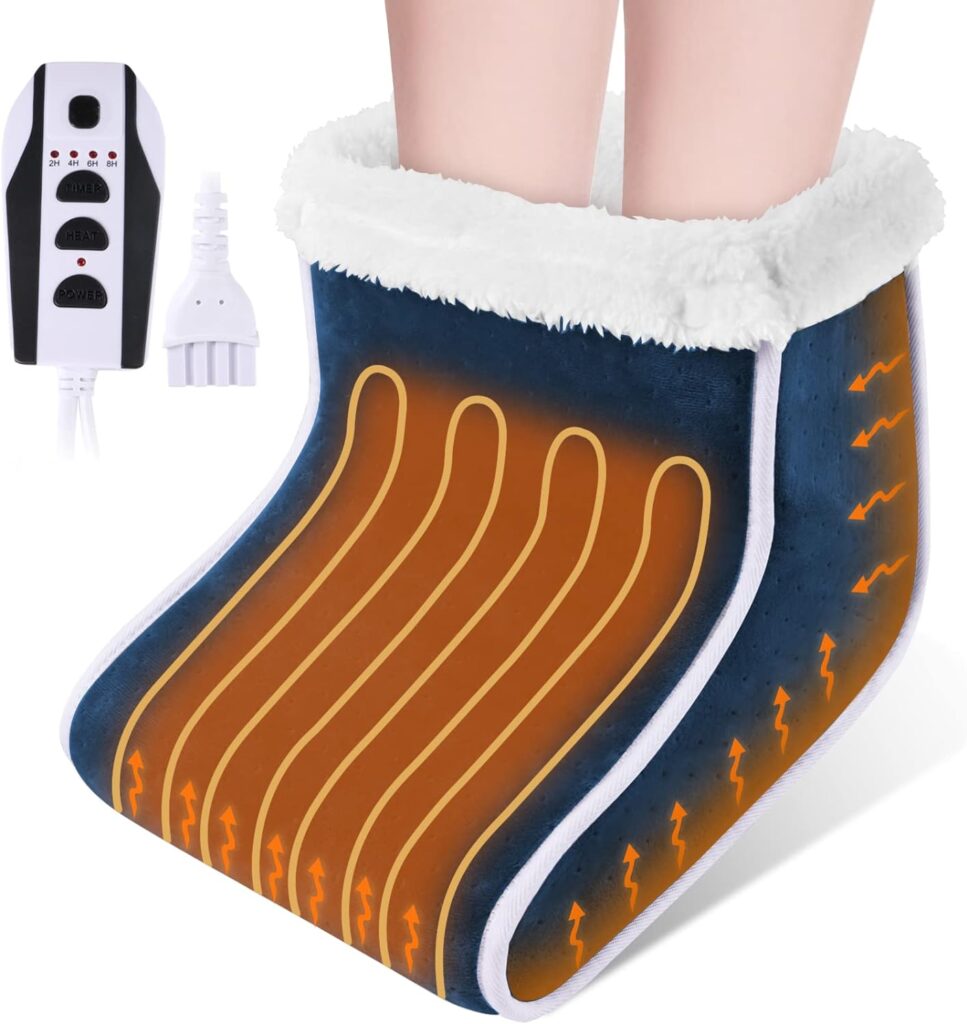
1. KLADNER Electric Heated Foot Warmer
If poor circulation tends to leave your feet feeling cold, especially in the evening, a heated foot warmer can make resting much more comfortable.
This kind of product is best seen as a comfort aid, not a treatment, but for seniors who are constantly reaching for extra socks or blankets, it can be a simple upgrade.
Best for: seniors with cold feet or evening discomfort
Why it may help: adds steady warmth that can make resting feel more comfortable
Keep in mind: warmth helps with comfort, but it does not address the underlying circulation problem
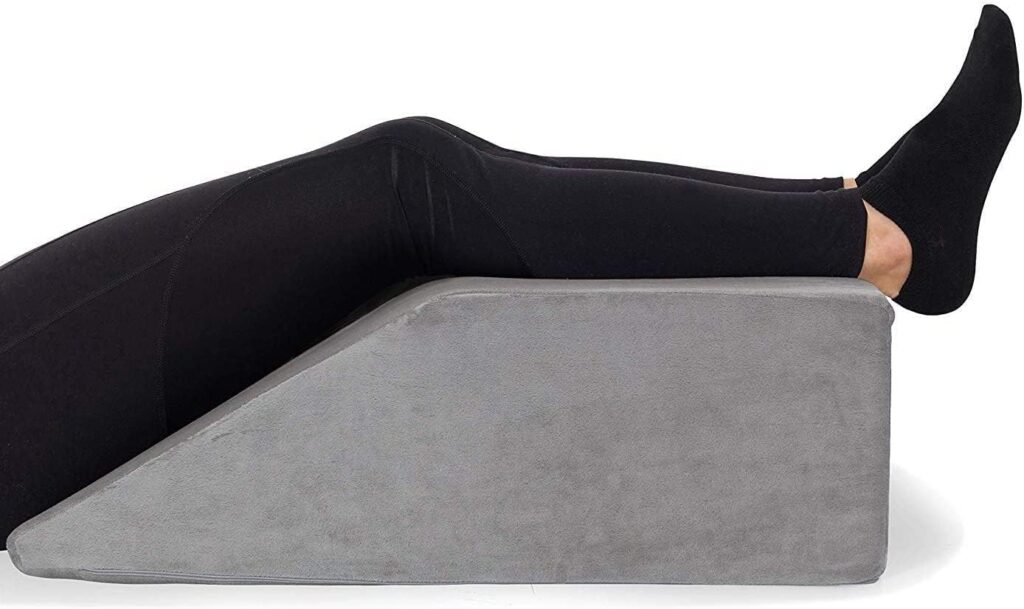
2. ALLSETT Leg Elevation Pillow
When poor circulation causes the legs to feel heavy, tired, or slightly swollen, leg elevation may help make resting more comfortable.
A leg elevation pillow can support the legs in a more relaxed position, which some seniors find especially helpful at night or while watching television.
Best for: seniors with leg heaviness, swelling, or tired legs
Why it may help: supports a more comfortable resting position and may reduce pressure on the legs
Keep in mind: this is a support tool, not a medical treatment for circulation problems
If poor circulation is leaving your legs and feet uncomfortable at the end of the day, a few simple comfort tools may help while you work on the bigger picture. These options are worth considering for seniors who want more warmth, support, and comfort at home.
Conclusion – Causes of Poor Blood Circulation
While aging does account for changes in the cardiovascular system, not all seniors will experience significant decline in blood circulation. Genetics, overall health and lifestyle, play a significant role in determining vascular health as the years roll by.
Now that you have a better understanding of the causes of poor leg circulation, take care to avoid those within your capacity and adopt the management tips in this article.
Related Articles
- Foot Problems and Diabetes. Why Important for Seniors?
- Poor Circulation Problems in Seniors – The Real Dangers
- Compression Leg Socks – How to Buy and Select
- The Best Products that Can Help Improve Poor Blood Circulation
- How to Select and Buy Womens Compression Socks
FAQs
What are the main causes of poor blood circulation in older adults?
Common causes include inactivity, diabetes, heart problems, smoking, obesity, and narrowed blood vessels that reduce healthy blood flow.
What are the causes of poor blood circulation in the legs?
The causes of poor blood circulation in the legs can include inactivity, vein problems, diabetes, peripheral artery disease, and prolonged sitting.
Can dehydration make circulation worse in seniors?
Yes. Dehydration can reduce blood volume, which may make dizziness, fatigue, and circulation-related discomfort worse in some older adults.
What are common warning signs linked to poor blood circulation?
Common warning signs include cold hands or feet, numbness, tingling, swelling, cramps, skin color changes, and slow wound healing.
Are the causes of poor blood circulation always serious?
Not always, but the causes should not be ignored because they can sometimes point to an underlying health problem.
References
Mayo Clinic. Peripheral Artery Disease (PAD) https://www.mayoclinic.org/diseases-conditions/peripheral-artery-disease/symptoms-causes/syc-20350557