
What is osteopenia vs osteoporosis in layman’s language? This guide explains the key differences, symptoms, causes, and treatments to help you protect your bone health.
Bones—our body’s sturdy framework—start losing density as we age. But how do we tell the difference between osteopenia and osteoporosis?
Most people think they are the same, but they are actually quite different! According to the International Osteoporosis Foundation, 1 in 3 women over 50 will experience osteoporosis-related fractures.
That is huge! Let’s dive into the key differences and what you can do to keep your bones healthy and strong.
This article breaks it down in simple, relatable terms, so by the end, you’ll know which condition might affect you, and more importantly, how to prevent it! We also provide you with some popular supplement choices.
What Is the Cause of Osteopenia? Signs and Risks
What is osteopenia vs osteoporosis? Let us first start off by looking at each one to compare the differences.
Osteopenia serves as the warning bell your body rings before things get serious. While it is not what we refer to as full-blown osteoporosis, it is also not something you want to ignore. I learned this the hard way after a routine check-up.
To put it simply, it’s when your bone density starts to decrease, but not to the point where you’re at serious risk for fractures just yet. It’s when your bones are giving you a heads-up, saying, “Hey, things aren’t looking great, but we can still fix this.”
My doctor told me it’s similar to when your car’s check engine light comes on—not a full breakdown, but if you don’t do something about it, you’re heading for trouble.
Common Symptoms of Osteopenia
The funny thing is, osteopenia does not have any obvious symptoms. It is one of those silent conditions where you won’t know you have it until you either get a bone density test (usually a DEXA scan screening) or, unfortunately, break a bone and find out the hard way.
I got my scan done after my doctor noticed I had lost a little height. I used to be 5’6″, but over time, I had apparently shrunk down by half an inch! Not a big deal, right? Except that can be an early sign of bone loss.
What is the Cause of Osteopenia?
Now, let’s talk about causes, because osteopenia does not just happen. For me, I’d say it was a mix of sitting at a desk all day (hello, laptop life) and not being the biggest fan of dairy.
Turns out, not getting enough calcium and vitamin D can seriously mess with your bones. And let’s be real, who remembers to take supplements every day? Not me!
Other causes? Aging is a big one. As you get older, your bones naturally start to lose density. It’s just one of those perks of getting older, like gray hair and forgetting why you walked into a room.
Women, especially after menopause, are more at risk because of changes in estrogen levels. Estrogen is like a bodyguard for your bones, and a decrease makes your bones start getting a little fragile.
Lifestyle also plays a huge part. I will admit, I wasn’t exactly hitting the gym consistently, and being sedentary is one of the main contributors to osteopenia. Lack of exercise, smoking, drinking too much alcohol are all things that speed up bone loss.
Genetics also plays a part. My grandma had osteoporosis, and I never thought much about it until my doctor reminded me that it can run in families.
But here’s what frustrated me most: it’s preventable! Had I known earlier that weight-bearing exercises (walking, jogging, or even just carrying groceries) could help keep my bones strong, I would’ve been all over that.
Now I’m playing catch-up, doing squats and lifting weights. Plus, my doctor says it’s never too late to start strengthening your bones.
Risks of Osteopenia
So, what are the risks of osteopenia? While it’s not as serious as osteoporosis, it’s still a red flag. If you don’t take steps to improve your bone health, it can lead to fractures down the road.
And from what I’ve seen with family members, breaking a bone in your later years is no joke. It’s not just the physical recovery—it’s the loss of independence and confidence.
All in all, if you get diagnosed with osteopenia, take it as an opportunity to get proactive. Start with small changes: up your calcium intake, get some sunshine for that vitamin D, and do exercises that make you feel strong.
What Is the Meaning of Osteoporosis? Long-Term Implications
Osteoporosis is the next stage after osteopenia—when your bones get so weak that even a minor fall could lead to a fracture.
The worst part? You might not know you have it until something actually breaks – osteoporosis early warning signs are non existent! My aunt didn’t even realize she had it until she tripped and broke her wrist. It’s one of those sneaky conditions.
There’s no bone pain or weird tingly feelings to tip you off. You usually find out after a fracture or, in some cases, after you’ve lost a few inches in height or developed a stooped posture.
My aunt’s spine had actually compressed a bit, and now she’s noticeably shorter—spine fractures are no joke. That gradual loss of height can be one of the early signs.
What is the Cause of Osteoporosis? Risks
The most common cause is aging. Once you hit your 30s, your bones start losing more mass than they can build. Women, especially after menopause, are at higher risk because of dropping estrogen levels, which protect bones.
But there’s more to it—chronic health conditions like hyperthyroidism or long-term use of medications like steroids can also weaken your bones. So, it’s not always age-related bone loss.
Postmenopausal women are the most at risk, but men can get it too, especially if they have family history of bone disease. It’s also more common in people with low body weight or sedentary lifestyles. It’s a wake-up call to prioritize your bone health now, before it sneaks up on you.
What is Osteopenia vs Osteoporosis: Key Differences
The main difference between osteopenia and osteoporosis is how much bone density you’ve lost. With osteopenia, your bones are weaker than normal but not super fragile yet.
Osteoporosis, though? That’s when your bone density has dropped so low that your bones are practically begging to break. I’ve heard doctors describe osteoporosis as having “porous” bones—they literally look like a sponge on X-rays.
Osteoporosis Early Warning Signs
Neither osteopenia nor osteoporosis usually have obvious symptoms until it’s too late. But with osteopenia, you might not even know you have it unless a doctor runs a DEXA scan screening.
Osteoporosis, on the other hand, tends to rear its ugly head when bones start breaking or you notice things like back pain, loss of height, or even a hunched posture.
With osteopenia, if you catch it in time, lifestyle changes like increasing your calcium intake and getting more active can slow it down or even reverse it. Osteoporosis on the other hand is more serious.
Once you’re at that stage, your bones are so brittle that falls or even minor impacts can lead to fractures. It’s a long-term condition that requires treatment and careful management.
Use the International Osteoporois Calcium Calculator to find out if you are getting enough daily calcium.
Diagnosis of Osteoporosis and Osteopenia
DEXA Scan Screening – Bone Density Results Explained
The gold standard for figuring out if you have osteopenia or osteoporosis is the DEXA scan screening (dual-energy X-ray absorptiometry). It’s basically an X-ray that measures the density of your bones. I remember getting one and thinking it would be like an MRI, but honestly, it’s super quick and painless.
The results will give you a T-score, which is a fancy way of saying how dense your bones are compared to a healthy young adult.
If your T-score is between -1 and -2.5, you’ve got osteopenia. If it’s lower than -2.5, that’s osteoporosis territory.
While a bone density test (Dexa scan screening) is the most accurate, doctors usually start with a basic risk assessment.
They will ask about your family history, any past fractures, or lifestyle factors like whether you smoke, drink, or rarely exercise.
I was surprised when my doctor asked me about my height because losing height is actually a subtle sign of bone loss. Who knew that could be a red flag!
Importance of Early Detection
Early detection is key to preventing serious fractures down the road. My aunt didn’t catch her osteoporosis until after a nasty fall, but if you catch it early—when it’s just osteopenia—you can make changes to prevent it from getting worse.
The earlier you get diagnosed, the easier it is to manage. Get those screenings done, especially if you’re over 50 or have any risk factors.
Osteoporosis and Osteopenia Symptoms Treatment
Lifestyle Changes for Bone Health
The first line of defense is usually making some simple lifestyle tweaks. When I found out I had osteopenia, my doctor was all about focusing on diet and exercise.
Loading up on calcium and vitamin D became my new routine— dairy, leafy greens, and spending a little more time in the sun (with sunscreen, of course!).
Also, weight-bearing exercises like walking or lifting light weights are a game-changer.
I started doing squats while brushing my teeth to sneak it in! It’s not a total fix, but it helps slow down bone loss.
Medications for Osteoporosis
When it comes to osteoporosis, sometimes lifestyle changes alone won’t cut it, especially if you’re already at high risk of fractures.
That’s when medications come in. You will have to get these through your doctor.
There are a few different options like bisphosphonates, which slow down the breakdown of bone, or denosumab, which helps your body maintain bone density.
I know a few people on these meds, and while they can have side effects, they’ve been able to avoid fractures so far. It’s a relief knowing there’s something out there that actually strengthens your bones.
Supplements and Diet
In addition to eating better, I started taking calcium and vitamin D supplements. It’s such an easy thing to add, and it gives me peace of mind.
Plus, some people need even more nutrients, like magnesium or vitamin K, which also help with bone strength.
I had no idea my bones were that needy! If you’re trying to stay ahead of osteoporosis, a little extra supplementation can go a long way.
Physical Therapy and Fall Prevention
For those with osteoporosis, especially older folks, working with a physical therapist can help. They focus on improving balance and strength to reduce the chance of falls.
My neighbor went through this after her hip fracture, and it made a world of difference in her confidence.
Popular Products for Bone Health – How to Prevent Bone Loss
Check out these popularly rated products on Amazon.ca for bone health:
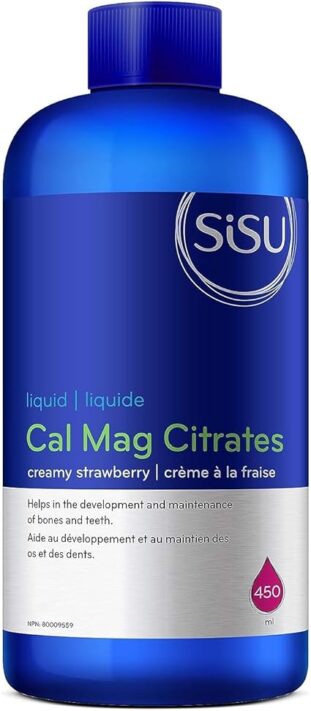
SISU Cal Mag Citrates Liquid with D3 Supplement – A calcium and magnesium supplement specifically designed to support bone health.
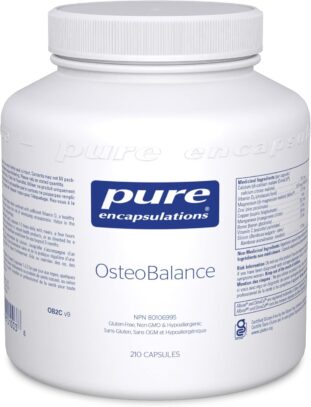
PURE ENCAPSULATIONS Calcium Citrate Supplement – A highly absorbable form of calcium for bone health.
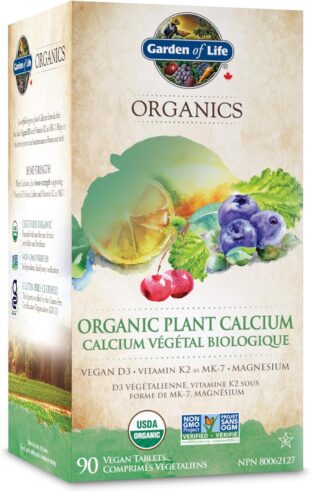
GARDEN OF LIFE Organic Plant Calcium Supplement – Includes calcium, magnesium, and vitamin D3.
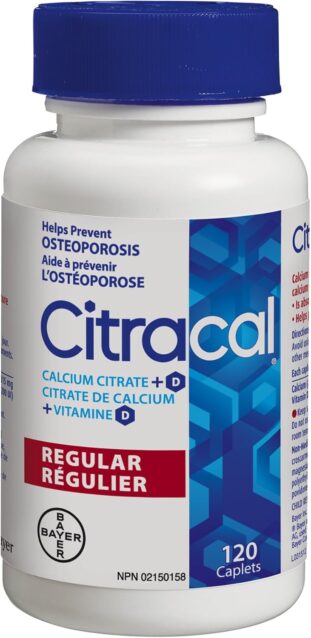
CITRACAL Calcium Citrate Supplement – A calcium and vitamin D supplement for long-lasting bone support.
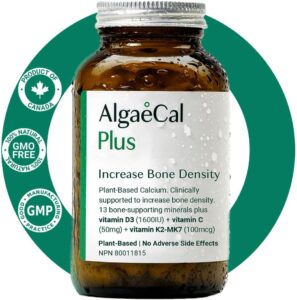
AlgaeCal PLUS Plant Calcium Supplement – A plant-based calcium supplement with magnesium and other vital minerals.
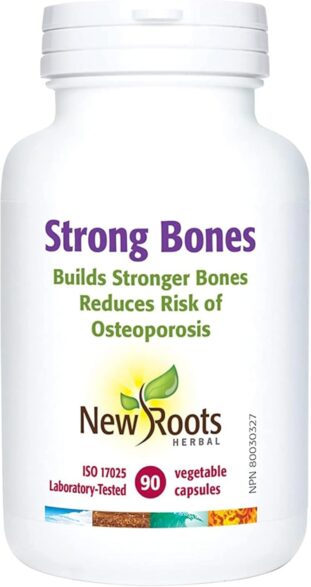
NEW ROOTS Herbal Strong Bones Supplement – Contains a long list of scientifically named ingredients required for bone health! Top-rated, but note that you need to take 2 pills, 3 X each day!
How to Prevent Bone Loss as You Age
What is osteopenia vs osteoporosis in the grand scheme of prevention. There are at least four things you need to do to prevent bone loss as you age – make dietary changes, weight bearing exercises, making changes to harmful habits, and ensuring you get regular screenings.
Eating for Strong Bones – Foods for Bone Health
You’ve probably heard it a million times, but your diet seriously impacts your bone health. I didn’t take it too seriously until I got a wake-up call.
Loading up on calcium-rich foods like dairy, almonds, and leafy greens is key. But don’t forget vitamin D—your body needs it to absorb calcium.
I started eating more salmon and getting outside for a few minutes each day, which actually helped. If you’re lactose intolerant like me, calcium-fortified plant milks are a great option too.
Exercise for Bone Strength
Exercise isn’t just for muscles—it’s for bones too! Weight-bearing exercises like walking, jogging, or even dancing help keep your bones strong.
I started walking around my neighborhood a few times a week, and it’s been a total mood booster.
Strength training with light weights is also great for bone density. My personal tip: pick exercises you actually enjoy so you’ll stick with them. Trust me, it’s easier than forcing yourself through workouts you hate.
Avoid Harmful Habits
Smoking and excessive alcohol can weaken your bones. Cutting down on the weekend wine and saying goodbye to cigarettes (if that’s your thing) will give your bones a fighting chance.
I’ve seen friends struggle with bone loss after years of these habits, and it’s tough. Making those changes early can prevent major issues down the road.
Regular Check-Ups and Screenings
Don’t wait for a fall to find out your bones are weak! Regular bone density tests—especially if you’re over 50—can help catch any issues before they get worse.
I got mine done after my doctor suggested it, and I’m so glad I did. Early detection is key.
Conclusion: What is Osteopenia vs Osteoporosis?
Understanding the differences between osteopenia and osteoporosis is important for protecting your bone health. While osteopenia serves as a warning, osteoporosis can lead to severe complications.
The good news? With early detection, right lifestyle changes, and supplements, you can prevent or slow down both conditions!
Make sure to consult with your doctor, get regular screenings, and stay active. Start today! Check out the various resources, and do leave us a comment!
Related Articles
- 5 Best Calcium for Osteoporosis: Strong Bones
- Osteoporosis and Aging: 10 Secrets to Stronger Bones
- The Causes of Osteoporosis – My Risks
FAQ for What is Osteopenia vs Osteoporosis?
What is osteopenia vs osteoporosis in laymans language?
Osteopenia means lower-than-normal bone density, while osteoporosis is more severe, causing weak, fragile bones prone to fractures.