

Discover the worst medication for arthritis you must avoid, why it may be doing more harm than good, and which options could actually help. If you think all arthritis medications are safe, think again!
Learn which medication for arthritis seniors should use cautiously, why long-term risks matter, and which safer options may be worth discussing.
Choosing the right medication for arthritis gets more important with age. For many seniors, arthritis is not just an occasional ache. It affects walking, sleep, household tasks, grip strength, and overall quality of life.
When the pain builds up, it is easy to assume that any arthritis medication is better than none. Unfortunately, that is not always true.
Some medications can help in the short term but cause bigger problems later, especially for older adults already dealing with bone loss, blood pressure concerns, stomach sensitivity, kidney strain, or multiple prescriptions.
That is why this article focuses on medication for arthritis you must avoid or at least use very cautiously. The goal is not to scare anyone away from treatment. It is to help seniors ask better questions and understand which options may be riskier over time.
The Arthritis Struggle: More Than Just Aches and Pains
Arthritis isn’t some minor nuisance you can ignore with a hot bath and a prayer. Whether it’s rheumatoid arthritis, osteoarthritis, or just plain old wear-and-tear, that stiffness and joint pain can seriously cramp your lifestyle.
And while popping a pill might sound like the easiest fix, not all arthritis pain relief options are created equal. There are however some medication for arthritis you must avoid.
Let’s be real. The “worst” medication doesn’t always mean it’s ineffective. Sometimes, it’s a combination of nasty side effects, interactions with other meds, or long-term damage that no one warns you about until it’s too late.
In addition, being over 60 and already juggling a medicine cabinet full of other prescriptions—yes, that’s a recipe for disaster.
Why Choosing the Right Medication for Arthritis Becomes More Important With Age
Arthritis pain is rarely simple. It may come from osteoarthritis in the knees, rheumatoid arthritis in the fingers, or a mix of age-related wear, stiffness, and inflammation in several joints at once. What works for one person may not be the safest choice for another.

This matters even more for seniors because arthritis treatment is often happening alongside:
- blood pressure medication
- diabetes medication
- sleep medication
- osteoporosis risk
- stomach or kidney sensitivity
A medication that seems helpful at first can create trouble when used too long, used too often, or mixed poorly with other prescriptions. That is why older adults need more than pain relief. They need a safer long-term plan.
For seniors already juggling several medications, learning how to manage multiple prescriptions can help reduce confusion and risk.
Arthritis Medication for Arthritis You Must Avoid: 2 Risky Types to Use With Caution
When people ask about the worst medication for arthritis, the answer is not always one single drug. More often, it is a type of medication that becomes risky when used the wrong way or for too long.
1. Arthritis Medication Side Effects: Long-Term Corticosteroids
Corticosteroids such as prednisone can be very effective in the short term. They reduce inflammation quickly and can help during severe flare-ups. That is why they are still prescribed in some arthritis cases.
The problem is what happens when they are used for months or years instead of brief periods.
Long-term corticosteroid use can raise the risk of:
- bone thinning and osteoporosis
- blood sugar spikes
- weight gain
- fluid retention
- mood changes
- insomnia
- increased infection risk
For seniors, that risk profile matters a lot. A medication that reduces joint pain but quietly weakens bones can create an even bigger problem later.
2. Arthritis Medication Side Effects: NSAIDs Used Too Often or Without Supervision
NSAIDs such as ibuprofen and naproxen are common arthritis pain relievers. They can absolutely help, especially during painful flare-ups. But they are not harmless when used too often or without medical guidance.
For older adults, heavy or long-term NSAID use can increase the risk of:
- stomach irritation or bleeding
- kidney strain
- fluid retention
- blood pressure problems
- medication interactions
That does not mean NSAIDs are always the wrong choice. It means seniors should be much more cautious about using them frequently, assuming they are harmless because they are common, or taking them without discussing the overall medication picture.
Medication for Arthritis in Knees: What Seniors Should Know About Osteoarthritis
Medication for arthritis in knees is often different from what is used for inflammatory arthritis. In many seniors, knee arthritis is caused by osteoarthritis, which comes from gradual joint wear, cartilage breakdown, and changes in the underlying bone.
For osteoarthritis in the knees, the most common medication groups include:
NSAIDs, used carefully
NSAIDs may help reduce pain and inflammation, but they should be used carefully in older adults because of stomach, kidney, and blood pressure concerns.
Topical NSAIDs
These are often a better starting point for localized pain because they can provide relief with fewer whole-body side effects than oral NSAIDs.
Acetaminophen
Acetaminophen may help with milder pain. It is easier on the stomach, but it is not very strong for inflammation, so results may be limited.
For seniors with knee arthritis, medication works best when combined with other supports such as weight management, light strengthening, better footwear, and pacing daily activity.
Medication for Arthritis in Fingers: What Helps With Rheumatoid or Inflammatory Arthritis
Medication for arthritis in fingers often depends on whether the arthritis is inflammatory, especially in cases like rheumatoid arthritis.
Rheumatoid arthritis is not just wear-and-tear. It is an autoimmune condition that can damage joints and affect other parts of the body too. That is why stronger disease-targeting medications are often needed.
DMARDs
Disease-Modifying Anti-Rheumatic Drugs, often called DMARDs, are used because they do more than just reduce pain. They can slow the disease process and help protect the joints over time.
Biologics
Biologic treatments may be considered when standard DMARDs are not enough. They target specific parts of the immune system and can be helpful in more aggressive arthritis cases.
For seniors with finger arthritis caused by inflammation, the key is not just symptom relief. It is choosing treatment that protects function and reduces damage over time.
👉 Talk to your doctor for a diagnosis and plan tailored to your specific arthritis type, symptoms, and overall health.
Topical Options for Arthritis Pain Relief for Seniors
Not every senior wants to add another pill. That is where topical treatments can be useful.
Creams, gels, and roll-ons may help with:
- localized pain
- sore finger joints
- knee flare-ups
- mild to moderate stiffness
These can be a practical option for seniors who want targeted relief without as much concern about stomach irritation from oral pain medication.
Topical products will not solve every arthritis problem, but they can play a useful supporting role in an overall arthritis plan.
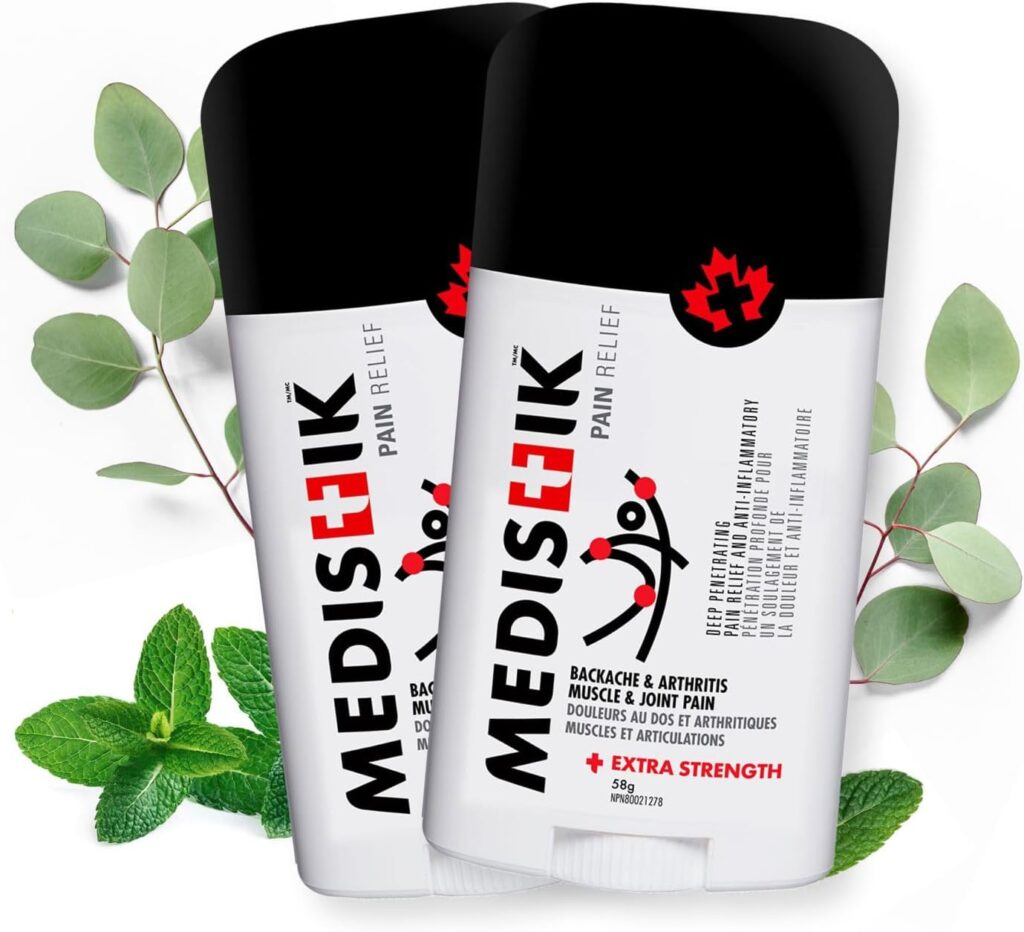
MEDISTIK Extra Strength Pain Relief Long Lasting Topical Pain Reliever for Backache, Arthritis, Muscle & Joint Pain (2x58g)
KALAYA 6X Extra Strength Pain Relief Cream (120g x 3 pkt)
Can Supplements and Diet Support Arthritis Relief?
Diet changes can help some seniors too, especially when they learn what foods to avoid for arthritis relief.
Some seniors find that supplements and diet changes help reduce stiffness or make flare-ups feel more manageable. They are not magic fixes, but they may be useful alongside other treatment.
Common supportive options include:
- turmeric or curcumin
- omega-3 fatty acids
- glucosamine
- chondroitin
- boswellia
INTELLIGENT LABS Triple Strength Glucosamine Sulfate Complex 1500mg, Boswellia, Chondroitin, MSM and Turmeric
NATURE’s WAY Boswellia, Helps Relieve Osteoarthritic Pain, 120 Vegetarian Tablets, Value Size
Diet can matter too. Many seniors notice they do better when they eat fewer processed foods and more:
- leafy greens
- berries
- salmon
- walnuts
- anti-inflammatory whole foods
The important part is staying realistic. Supplements and diet may support arthritis relief, but they should not replace proper medical care when arthritis is severe or worsening.
Always check with your doctor before adding anything new to your regimen, especially if you’re already on prescription arthritis treatments. A little nature-powered backup can go a long way—when used wisely.
Pro tip: Keep a food and supplement journal. Not only does it help track patterns, but it also makes discussions with your healthcare provider more productive.
And remember—consistency is key. Supplements take time to work, so stick with them for a few months before judging the results.
Managing Arthritis Long Term Without Relying on Risky Shortcuts
The most effective medication for arthritis depends on the type and severity of arthritis, but here’s a general breakdown of what works best for many people:
The best arthritis plan is usually the one that helps today without creating bigger problems tomorrow.
That often means combining:
- safer medication use
- exercise and joint-friendly movement
- topical relief
- weight management
- stress control
- supportive diet
- better pacing of daily activities
For seniors, long-term arthritis management is not about chasing a miracle pill. It is about reducing pain, protecting mobility, and avoiding treatment choices that quietly create new health problems over time.
A simple system like how to organize medications for seniors can also make arthritis treatment easier to follow safely.
Conclusion: The Best Arthritis Medication Plan Depends on the Individual
The medication for arthritis you must avoid is not always the same for every person. But long-term corticosteroids and poorly monitored NSAID use are two of the biggest caution areas for seniors.
The safest approach is not guessing. It is understanding what type of arthritis is present, what other health conditions exist, and which medications may create more risk than benefit over time.
Not every pain reliever is a good long-term answer, which is why you should understand which medication to avoid.
For many seniors, the best arthritis treatment plan includes a mix of caution, better questions, and a willingness to look beyond the quickest short-term fix.
FAQs
What medication for arthritis should seniors use with caution?
Long-term corticosteroids and frequent NSAID use should be used with caution because they can raise risks like bone loss, stomach problems, and kidney strain.
What is the worst medication for arthritis?
There is no single worst medication for everyone, but long-term corticosteroid use is often one of the riskiest choices for seniors because of side effects like osteoporosis and infection risk.
What medication for arthritis in knees is often used first?
For knee osteoarthritis, common options include topical NSAIDs, careful use of oral NSAIDs, and acetaminophen for milder pain.
What medication for arthritis in fingers helps with rheumatoid arthritis?
For inflammatory arthritis in the fingers, DMARDs and biologics are often used because they help slow disease activity, not just pain.
Can topical creams help arthritis pain without the use of more pills?
Yes. Topical creams and gels can help with localized arthritis pain and may be useful for seniors who want targeted relief.