

Arthritis and sleep problems (insomnia) are two conditions that affect millions of people around the world. It is a condition that causes inflammation in the joints, leading to pain, stiffness, and difficulty moving.
Insomnia, on the other hand, is a sleep disorder that makes it challenging to fall asleep, stay asleep, or get restful sleep.
While these may seem like two unrelated issues, they are often closely linked, especially among the elderly.
As we age, our bodies go through many changes that can lead to health challenges that affect our quality of life. Arthritis and insomnia are two conditions that are often seen together in the elderly.
Having arthritis is itself challenging , but having it compounded with insomnia makes it doubly so! This article explores how they are connected, their impact on the elderly, and strategies that can be used to manage both.
Can Arthritis Cause Sleep Problems?
There are several reasons why arthritis and insomnia often go hand-in-hand in the elderly. Firstly, arthritis pain can be intense, especially at night, and may interfere with the ability to sleep.
It can keep you tossing and turning all night looking for a good position to settle into!. That has been my own experience and indeed a very frustrating situation!
It is the inflammation in the joints that can cause throbbing and discomfort which make it challenging to find a comfortable position in bed, leading to restlessness and sleep deprivation.
Secondly, arthritis can lead to mental health problems, such as depression and anxiety, which can also contribute to insomnia.
As the condition progresses and with growing mobility issues, you may become more isolated and lose the ability to participate in social activities, leading to feelings of loneliness and sadness.
Finally, arthritis and insomnia can create a vicious cycle, where one condition exacerbates the other. For example, sleep deprivation can cause fatigue and worsen arthritis pain, leading to more sleep problems, and on and on……
Similarly, the pain and discomfort of arthritis can cause stress and anxiety, which can also lead to insomnia.
Arthritis and Sleep Problems – Impact on the Elderly
Arthritis and insomnia can significantly impact the lives of the elderly. Both conditions can make it challenging to complete everyday tasks, leading to a loss of independence and reduced quality of life.
Arthritis pain can make it difficult to move around and perform simple tasks like getting dressed or cook a meal.
Sleep problems can lead to fatigue, reduced concentration, and memory problems, making it difficult for you to enjoy social activities and maintain relationships with loved ones.
Furthermore, the social and emotional impact of arthritis and insomnia can be significant because you may feel isolated, lonely, and disconnected from the world around you.
This can lead to depression and anxiety, which can further exacerbate sleep problems and worsen your arthritis symptoms.
Finding Relief for Arthritis and Sleep Problems
Fortunately, there are several ways to manage both arthritis and sleep problems such as insomnia in the elderly. Here are some strategies that can help:
Medications
Over-the-counter pain relievers, such as acetaminophen, ibuprofen, and naproxen, can provide relief for arthritis pain.
Prescription medications, such as corticosteroids, disease-modifying antirheumatic drugs (DMARDs), and biologics, can also be helpful in managing the condition.
Sleep aids, such as melatonin or prescription medications like zolpidem or eszopiclone, may also be helpful for insomnia.

It is important to speak to a healthcare provider before starting any new medication. Some medications may have side effects or interact with other medications, so it’s essential to understand the risks and benefits before taking them.
Does Sleep Affect Arthritis? Try Exercising
Low-impact exercise, such as walking, swimming, or cycling, can help improve joint mobility, reduce inflammation, and alleviate arthritis pain.
Exercise can also help improve sleep quality and reduce the symptoms of insomnia. Ensure that you start off with gentle exercises, and gradually increase the intensity of these exercises to avoid further injury.
Lifestyle changes
Maintaining a healthy diet, avoiding smoking and excessive alcohol consumption, and managing stress can help reduce the symptoms of arthritis and improve overall health.
A healthy diet can provide essential nutrients that help reduce inflammation and promote joint health. Stress reduction techniques, such as meditation, yoga, or deep breathing, can help reduce stress and anxiety, which can contribute to insomnia. Herbal teas are also known to provide relief – What Are Good Herbal Remedies for Inflammation? – Herbal Teas
Assistive Devices
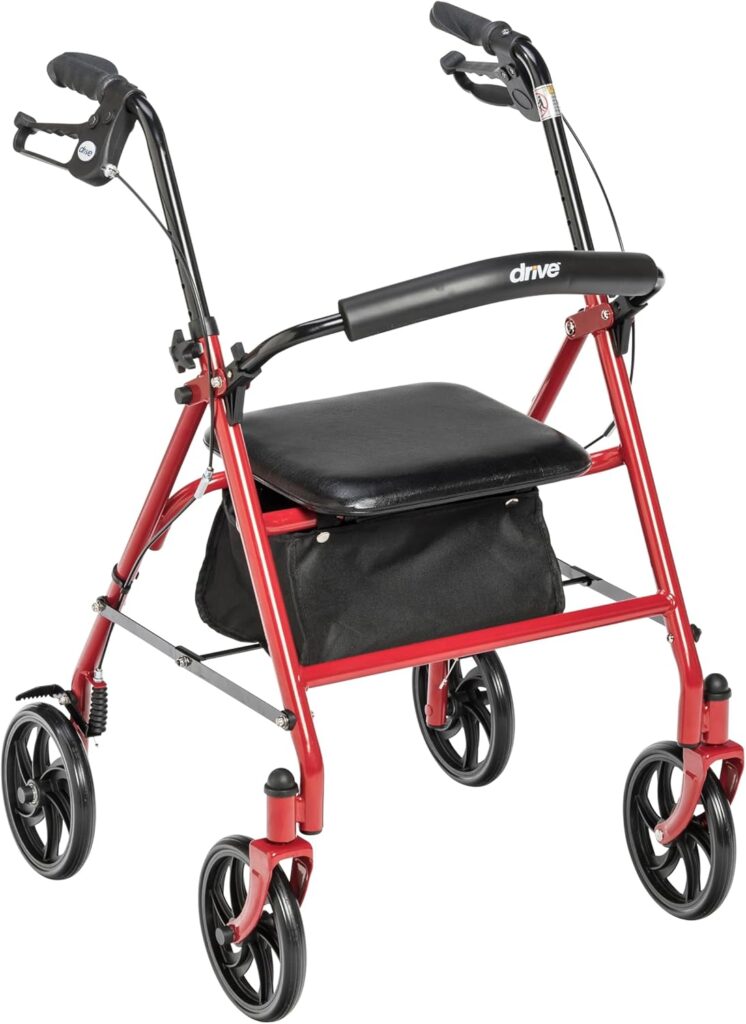
Using assistive devices, such as braces, canes, or walkers or rollators, can help support joints and reduce pain and discomfort. A popular and affordable rollator to consider is the DRIVE MEDICAL 10257RD -1 with its ergonomic arms.
In addition, using a supportive mattress and pillows can help reduce pressure on joints and improve sleep quality.

Physical Therapy
Physical therapy can help improve joint mobility and strength, which can reduce arthritis pain and improve sleep quality.
A physical therapist can also recommend exercises and assistive devices that can help manage symptoms.
Cognitive-Behavioral Therapy (CBT)
CBT is a type of talk therapy that can help manage insomnia by addressing negative thought patterns and behaviors that contribute to sleep problems.
CBT can also help manage the mental health aspects of arthritis by improving coping skills and reducing anxiety and depression.
Acupuncture
Acupuncture is an alternative therapy that involves the insertion of needles into specific points in the body. Acupuncture may help reduce arthritis pain and improve sleep quality, although more research is needed to determine its effectiveness.
Conclusion – Arthritis and Sleep Problems
Does sleep affect arthritis? Are arthritis and sleep problems connected? Emphatically “Yes”. These are two conditions that are often experienced together in the elderly.
Arthritis pain can make it challenging to fall asleep, stay asleep, or get restful sleep, while insomnia can worsen arthritis symptoms and contribute to mental health problems.
However, there are several strategies that can be used to manage both conditions, including medication, exercise, lifestyle changes, assistive devices, physical therapy, CBT, and acupuncture.
So don’t throw your hands in the air and give up!
By working with a healthcare provider and implementing a combination of strategies, individuals can reduce the impact of arthritis and sleep problems on their lives and improve their overall health and well-being.
Related Articles
- What is Arthritis? – Focus on Seniors
- What Are Good Herbal Remedies for Inflammation? – Herbal Teas
- Arthritis and Insomnia – A Sure Recipe for Senior Falls
- Why is Arthritis Painful? – How to Know Different Skin Types
- The Offset Handle Walking Cane – Best for Arthritis
- How to Use The Power of 5 Herbal Teas for Arthritis Relief
- Weighted Blankets for Seniors – Are Helpful for Insomnia?
- Shoes for Arthritis – Compare Stylish Options
References
Bliddal et al (2014) Osteoarthritis, obesity and weight loss: evidence, hypotheses and horizons – a scoping review Obes Rev. 15(7): 578–586
https://www.ncbi.nlm.nih.gov/pmc/articles/PMC4238740/#:~:text=Weight loss can prevent the onset of osteoarthritis, relieve, loss reduces the risk for OA in women
Pietrangelo, A (2020) Early Signs of Rheumatoid Arthritis https://www.healthline.com/health/early-signs-rheumatoid-arthritis
Mayo Clinic (2019) Rheumatoid Arthritis https://www.healthline.com/health/early-signs-rheumatoid-arthritis
Consumer Health (2020) Joint Supplements: Benefits, Uses, Side Effects and Scams. https://consumershealth.org/joint-supplements-guide/