

Best potassium supplement options can help support proper muscle function and reduce painful leg cramps caused by electrolyte imbalance.
If you experience frequent muscle spasms or cramps at night, potassium may play an important role in restoring the mineral balance your muscles need to contract and relax properly.
In this guide, we review five helpful supplement options, explain proper potassium dosage, and share practical tips to help reduce uncomfortable muscle cramps safely.
Why Leg Cramps Happen – and Why Potassium Matters
When those pesky leg cramps strike — especially at night — it can feel like nothing brings faster relief than stretching or massaging the cramping muscle. These sudden spasms are often linked to dehydration, overuse, or electrolyte imbalances such as low potassium levels.
In many cases, a mineral deficiency causes muscle cramps, especially when the body lacks essential electrolytes such as potassium or magnesium
But if you’re dealing with frequent cramps, your body might be telling you it needs a boost of potassium! Let’s look at the best potassium supplement options that can help get you back on your feet—literally and figuratively—without the painful interruptions.
Potassium is a powerhouse mineral when it comes to keeping muscles relaxed and pain-free. As we age, the body may lose essential minerals more easily, increasing the risk of electrolyte imbalances that can trigger muscle cramps.
This is why seniors are more likely to experience low potassium levels and muscle cramps. Fortunately, a potassium supplement might just do the trick to help ease that muscle tension and keep cramps at bay.
This article evaluates the best potassium supplement forms for seniors, how to recognize the symptoms of low potassium, the most effective supplements that actually work, recommended daily dosage of potassium, and practical tips on how and when to take potassium supplement for maximum benefit.
What Is the Best Potassium Supplement for Leg Cramps?
Potassium plays an important role in muscle contraction, nerve signaling, and electrolyte balance. When potassium levels are low, muscles may contract involuntarily, leading to painful spasms and leg cramps.
Choosing the best potassium supplement can help support healthy muscle function, especially when combined with proper hydration and nutrition.
Why Deficiencies Cause Leg Cramps
Leg cramps are often linked to mineral and vitamin deficiencies that affect muscle contraction and nerve signaling.
Common deficiencies that cause muscle cramps include:
• Magnesium deficiency – affects muscle relaxation and nerve function
• Potassium deficiency – disrupts electrolyte balance and muscle contraction
• Calcium deficiency – affects muscle signaling and contraction
• Vitamin D deficiency – contributes to muscle weakness and pain
• Vitamin B deficiencies – can affect nerve signaling and muscle function
When these nutrients are low, muscles may contract suddenly and remain tense, creating the painful sensation associated with cramps.
What Are the Symptoms of Low Potassium?
Low potassium, or hypokalemia, can cause more than just those dreaded leg cramps. Here’s what to watch out for:
- Frequent muscle cramps and spasms – The most noticeable symptom for many, these are often centered in the legs.
- Weakness and fatigue – Potassium functions to help keep muscles strong, so low levels can leave you feeling unusually weak.
- Tingling or numbness – If you’ve ever experienced pins and needles that last longer than usual, potassium could be a potential culprit.
- Heart palpitations – In severe cases, low potassium might cause your heart to race or skip beats.
If any of these sound familiar, it might be worth checking your potassium levels and talking to your doctor about the best course of action.
These symptoms may indicate low potassium levels, a condition known as hypokalemia, which can affect muscle contraction and nerve signaling.
Best Potassium Supplement Forms for Leg Cramps
The best potassium supplement for leg cramps is one that provides a safe dose of potassium while supporting electrolyte balance and muscle function. Many supplements contain about 99 mg of potassium per serving, which aligns with safety guidelines for over-the-counter supplements.
Many people searching for the best potassium supplement for leg cramps look for options that support electrolyte balance without upsetting the stomach.
When it comes to finding the best potassium supplement for leg cramps, there are a few forms to consider. Each has its own set of benefits, so here’s a quick rundown. Examples of each are provided below
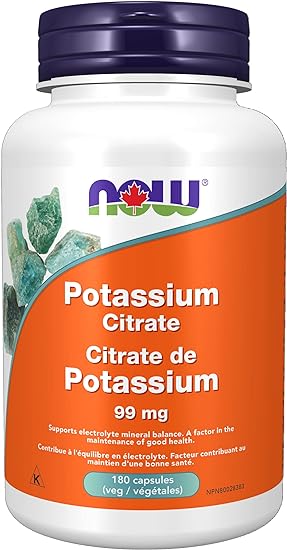
Potassium Citrate – Known for being gentle on the stomach, this form is often recommended for seniors.
Potassium Gluconate – Available in tablets and liquid, it’s a good option if you’re looking for a mild form with fewer digestive issues.
Potassium Chloride – This one is a bit stronger and often used in medical settings. It can be effective for severe deficiencies but may require a prescription.
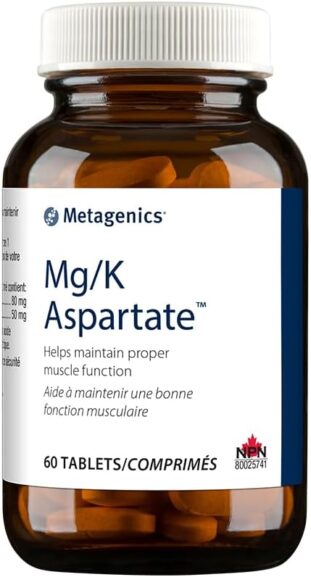
Electrolyte Tablets or Powders – These often combine potassium with other essential electrolytes like magnesium, helping to keep muscles in top shape.
Depending on your body’s needs, one of these might be the perfect fit. Always consult with a healthcare provider before starting any new supplement.
| Potassium Form | Best For | Absorption | Notes |
|---|---|---|---|
| Potassium Citrate | Gentle digestion | High | Popular for leg cramps |
| Potassium Gluconate | Everyday supplementation | Moderate | Common OTC supplement |
| Potassium Chloride | Medical deficiency | High | Often prescribed |
| Electrolyte Blends | Hydration + cramps | Moderate | Often combined with magnesium |
What is the Most Effective Potassium Supplement for Leg Cramps?
Let’s talk effectiveness! The most effective potassium supplement for leg cramps typically comes down to one that’s easily absorbed by your body and fits your lifestyle.
This why many people searching for the best potassium supplement for leg cramps look for options that support electrolyte balance and which don’t upset the stomach.
For many seniors, potassium citrate or potassium gluconate tend to be a great choice because they’re gentle yet efficient at boosting potassium levels.
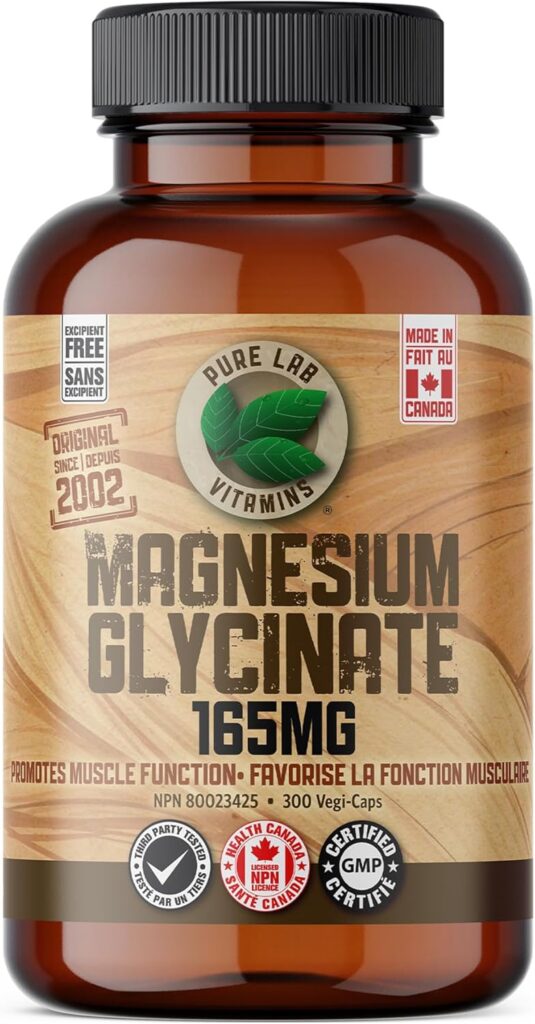
If you struggle with frequent cramps, try pairing your potassium with a magnesium supplement.
These two minerals work in harmony to keep muscles relaxed, especially at night when leg cramps often creep up.
Recommended Daily Dosage of Potassium
Now, what is the safe amount? The recommended daily intake of potassium for most adults is around 2,600-3,400 mg.
However, supplements typically come in much lower doses, as it is best to get most of your potassium from food sources like bananas, potatoes, and leafy greens.
If you are going the supplement route, start low and slow! A dose of 99 mg per tablet is common, as higher doses might require supervision by a doctor.
It is also always smart to let your healthcare provider guide you on dosage, especially if you have kidney issues or other health concerns.
Using a Potassium Supplement for Leg Cramps
Supplements for Leg Cramps at Night
Nighttime leg cramps are particularly common in older adults. They often occur when muscles remain contracted during sleep or when electrolyte levels drop overnight.
Magnesium, potassium, and B-vitamins are among the most commonly recommended supplements for leg cramps at night because they support proper nerve and muscle function.
However, supplements work best when combined with:
• adequate hydration
• stretching before bed
• balanced nutrition
• regular physical activity
Combining potassium with other electrolytes like sodium and magnesium can help alleviate leg cramps more effectively because these minerals work together to support muscle function, hydration, and overall nerve health.
Let’s break down how they interact, recommended proportions, and the importance of sticking to safe doses.
Relationship Between Potassium, Sodium, and Magnesium for Muscle Health
Potassium plays a key role in muscle contractions and helps transmit signals between nerves and muscles. Low potassium levels can lead to cramping because the muscles lose the ability to relax smoothly.
Sodium assists in fluid balance and helps with muscle contractions as well. While it’s often limited due to high intake from foods, a small, balanced amount can help maintain electrolyte stability and muscle responsiveness, preventing cramps.
Magnesium is essential for muscle relaxation and energy production in cells. It often works alongside potassium to reduce muscle spasms and improve relaxation after contractions, especially during physical activity.
Recommended Dosage Proportions
The exact proportions of potassium, sodium, and magnesium will vary depending on individual health needs, activity level, and dietary intake.
However, a general guideline for adults, especially for managing muscle cramps, is as follows:
- Potassium: Approximately 2,600-3,400 mg per day (from all sources), though supplements usually have lower doses, around 99 mg per tablet. Consult a doctor before taking higher doses. For safety, always check for this quantity first before checking for the quantity of magnesium. Excess potassium (Hyperkalemia) can cause heart palpitations, muscle weakness, nausea and stomach discomfort.
- Magnesium: Around 300-400 mg daily, which can help alleviate cramps, especially for those with low magnesium levels. While rare, too much magnesium can cause diarrhea, low blood pressure, nausea, and in extreme cases, cardiac arrest.
- Sodium: Daily intake varies, but generally 1,500-2,300 mg is sufficient. Those with a balanced diet may need less to none sodium supplementation. Excess sodium often leads to water retention and undue stress on the heart.
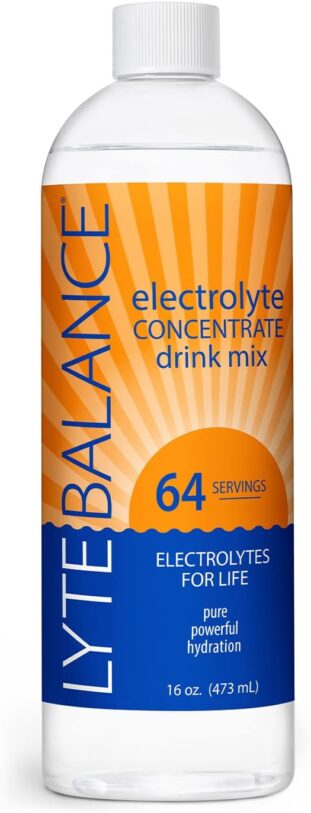
Also, if you are prone to cramps during or after exercise, potassium-enriched sports drinks can work well. but be mindful of sugar content—some of those drinks are loaded with it!
Look for options specifically designed for muscle health rather than just energy.
Effects of Too Much Potassium
While potassium is essential, too much of it can cause its own set of problems. High potassium, or hyperkalemia, can cause irregular heartbeats, nausea, and muscle weakness.
In severe cases, it may cause heart palpitations or arrhythmias, which are especially concerning for people with kidney issues, as the kidneys help regulate potassium levels.
Excess potassium and magnesium are both particularly risky for the kidneys.While low potassium can cause cramps, high levels might make you feel sluggish and weak.
That is why it is key to stick to recommended doses. If you are ever unsure, always err on the side of caution and check with a healthcare provider.
Best Time to Take Potassium Supplements
So, when is the optimal time to pop that potassium supplement? Morning or evening?
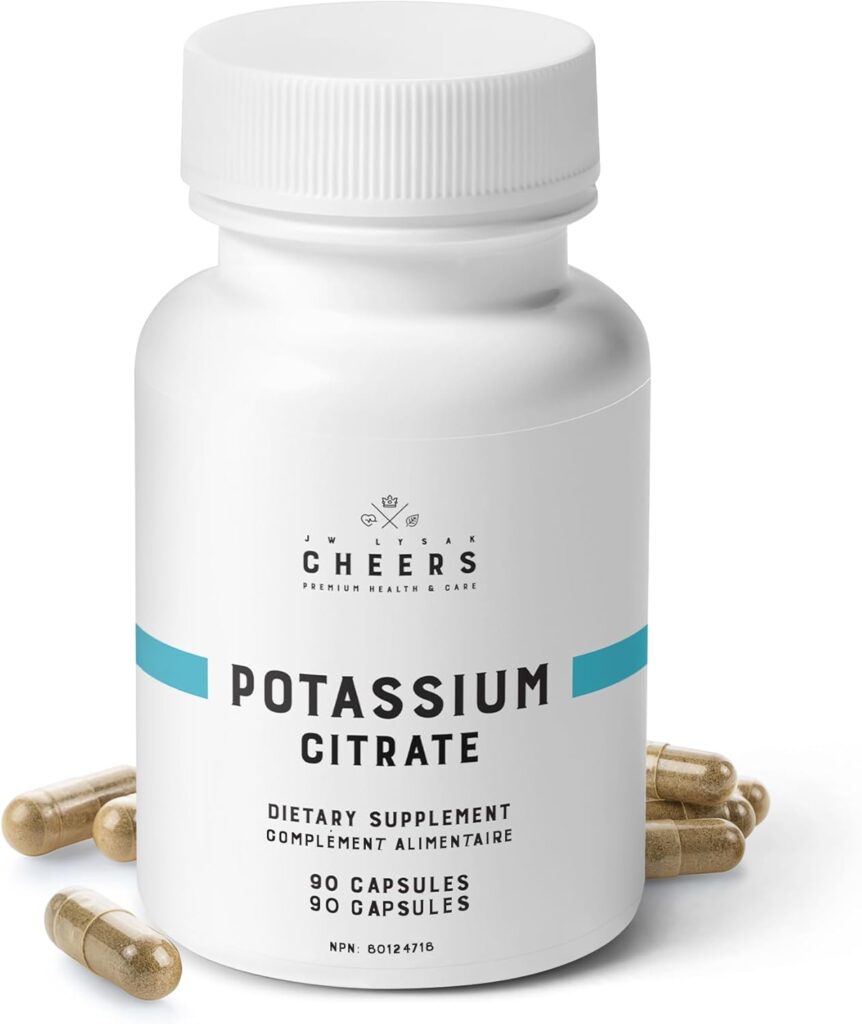
Here’s the scoop, but try to experiment to find which works best for you as our bodies react differently :
Take it with meals: Potassium is gentler on the stomach when taken with food, so try to take it with your breakfast or lunch.
Stay hydrated: Potassium works best in a well-hydrated body. Keep sipping water throughout the day to help the mineral do its job.
Avoid right before bed: Some people experience mild stomach discomfort with potassium, so it is best to avoid it just before getting into bed.
Other Helpful Options for Leg Pain Relief
Some people prefer fast-acting cramp relief tablets rather than daily supplements.
You may also want to explore:
• Hyland’s Leg Cramps Tablets
• Esenvia Legs Relief Tablets
These products may provide temporary relief during active cramping episodes, while supplements focus on long-term prevention.
Practical Tips for Managing Leg Cramps with Potassium
Here’s what you can do to keep those leg cramps at bay:
- Incorporate potassium-rich foods like bananas, spinach, and potatoes into your diet.
- Stay active – Gentle stretching or a quick walk daily helps keep your muscles loose.
- Consider an electrolyte supplement if you’re losing minerals due to heavy sweating.
- Stay consistent and do not skip your daily dose. Potassium is most effective with regular intake.
Small steps like these can make a big difference in your comfort and quality of life.
Related Guides for Leg Cramp Relief
If you want to explore additional ways to prevent muscle cramps, you may also find these guides helpful:
- Causes of Leg Cramps at Night
- Magnesium Supplements for Muscle Health
- Topical Treatments for Leg and Foot Cramps
When to See A Doctor For Leg Cramps
Occasional leg cramps are common, but persistent or severe muscle spasms may signal an underlying medical condition.
If cramps occur frequently, worsen over time, or are accompanied by swelling or weakness, it is important to consult a healthcare professional for evaluation.
Conclusion – The Best Potassium Supplement for Leg Cramps
Painful leg cramps can disrupt sleep, limit mobility, and affect daily comfort. In many cases, these cramps are linked to electrolyte imbalances or low potassium levels that affect normal muscle contraction.
Magnesium and potassium are among the most commonly recommended supplements for supporting muscle relaxation and preventing spasms. Herbal supplements may also help improve sleep and reduce muscle tension.
If leg cramps occur frequently, it is important to speak with a healthcare professional to identify possible underlying causes.
👉 Explore the recommended supplements above to find a safe option that supports healthy muscle function and long-term cramp relief.
Related Articles
- The Truth About Dietary Supplements – Fact vs Fiction
- How to Use Dietary Supplements Properly – Things to Know
- Causes of Leg Cramps at Night – How to Stop Them
FAQs for The Best Potassium Supplement for Leg Cramps
Can potassium supplements help with leg cramps?
Yes, potassium supplements are known to help relieve muscle cramps, particularly for those who experience nighttime or exercise-related leg cramps.
What’s the best potassium supplement for leg cramp relief?
Potassium citrate or potassium gluconate is often recommended, as they are gentle and effective for many people, including seniors.
How much potassium should I take daily?
The general recommendation is around 2,600-3,400 mg daily from all sources, but you should consult a healthcare provider to determine what’s right for you.
Can I get enough potassium from food?
Absolutely! Foods like bananas, potatoes, and leafy greens are potassium-rich and can help meet your daily needs. Supplements are often used when dietary intake is not enough.
Is there a risk in taking too much potassium?
Yes, excessive potassium can cause stomach issues, muscle weakness, and even heart irregularities in severe cases. Stick to recommended doses and check with your doctor if unsure.