
Senior safety in the bedroom matters more than many people realize. The bedroom feels familiar, private, and comforting, which is exactly why risks often go unnoticed there for too long.
But for older adults, it can quickly become one of the easiest places to fall, get confused at night, mismanage medication, or struggle during an emergency.
This article identifies 14 different risks, from poor lighting and unstable furniture to medication mistakes, sleep disruption, and emergency access problems.
The good news is that most of these risks are fixable. A safer bedroom does not always require a major renovation. Often, it starts with noticing what has quietly become harder.
Why is Bedroom Safety Important for Seniors?
Why is bedroom safety important for seniors? Because the bedroom is where many risks come together at once:
- poor lighting
- nighttime waking
- reduced balance
- medication use
- weak grip
- clutter
- emergency delays
Falls are one of the most serious concerns. Health Canada’s Safe Living Guide for seniors recommends removing tripping hazards, improving lighting, checking furniture stability, and using supports where needed to reduce fall risk at home.
For many older adults, the bedroom becomes especially risky at night, when fatigue, darkness, and urgency
Senior Safety in the Bedroom:14 Risks to Address
Risk #1. Lack of Risk Awareness

The biggest risk is often not recognizing that the bedroom has become harder to use safely. If a person does not see the hazards, they are less likely to fix them.
Risk #2. Falls
Falls are one of the most serious bedroom risks for seniors. Weak balance, reduced muscle strength, dizziness, or nighttime disorientation can all increase the chance of falling.
Risk #3. Poor Lighting
Dim light, burned-out bulbs, and shadowy corners make it harder to see cords, rugs, footwear, and furniture edges. This is one of the easiest risks to underestimate. Poor lighting can increase falls.
Risk #4. Common Bedroom Hazards for Seniors
Loose rugs, clutter, electrical cords, narrow pathways, and tightly arranged furniture are all classic common bedroom hazards for seniors. These become even more dangerous when vision or balance is reduced.
Risk #5. Limited Mobility
Getting in and out of bed should not feel like a daily obstacle course. But for many seniors, poor bed height, joint pain, weakness, or stiffness make transfers harder.
Even changing sheets or adjusting blankets can become a fall risk if bed height is awkward.
Risk #6. Absence of Assistive Devices
When there are no rails, grab points, or supports, seniors may use nearby furniture for balance instead. That is risky if the furniture was never meant to hold body weight.
Risk #7. Unstable Furniture
Because of a lack of mobility aids, seniors may try to use any piece of furniture for support during transfers, dressing, or nighttime movement. If this furniture is unstable or wobbly, it can collapse or break leading to falls or injuries.
Risk #8. Bathroom Accessibility
If the bedroom connects to a bathroom, the risks overlap. Seniors often move between the two spaces at night when they are sleepy, rushing, or disoriented.
Wet floors, poor bathroom lighting, and low toilet seats can raise the risk further. Your current draft already points readers to your bathroom safety post, and that connection should stay. Read Why is Senior Safety in the Bathroom Important?
Risk #9. Body Temperature Regulation Problems
Many seniors are more sensitive to temperature changes and may struggle to regulate body temperature as well as they once did. A bedroom that is too hot or too cold can affect comfort, sleep quality, and health.
Risk #10. Mismanaging Medication
The bedroom is often where medications are stored or taken, especially at night. Confusion and memory issues, or taking multiple medications can increase the chance of taking the wrong dose or the wrong medicine.
Risk #11. Emergency Access and Fire Safety
Seniors need quick access to a phone, call button, or medical alert option. Fire safety also matters more than people think, especially if heating devices, overloaded outlets, or mobility limits are involved. Limited mobility might further impede quick evacuation during a fire.
Risk #12. Sleep Issues and Nighttime Confusion
Sleep issues among seniors can significantly impact safety in the bedroom, creating potential hazards which increase the risk of accidents.
Poor sleep can affect balance, alertness, coordination, and decision-making. Night waking, wandering, confusion, or grogginess after sleep medication can all raise bedroom risk.
- Increased Risk of Falls: Sleep disturbances, such as insomnia or frequent waking during the night, can lead to grogginess and reduced alertness. Seniors may be more prone to falls when getting out of bed or moving around the bedroom in a state of drowsiness.
- Reduced Mobility and Coordination: Sleep disorders can contribute to a decline in overall mobility and coordination. Seniors with impaired motor skills may struggle to navigate the bedroom safely, increasing the likelihood of tripping or stumbling.
- Confusion and Disorientation: Sleep problems can exacerbate confusion and disorientation, especially if a senior wakes up during the night. Disoriented seniors may struggle to identify their surroundings, increasing the risk of accidents or injuries.
- Medication Side Effects: Some sleep medications or medications prescribed for other conditions can have side effects that affect balance, coordination, or cognitive function. Seniors with sleep problems may be more prone to medication errors, such as taking the wrong dose or forgetting to take medication altogether. This can impact their overall health and well-being.
- Wandering Behavior: Sleep disorders, particularly those associated with conditions like dementia, can lead to wandering behavior during the night. Seniors may unintentionally wander into potentially hazardous areas of the bedroom or house.
- Difficulty Getting In and Out of Bed: Seniors with sleep issues may find it challenging to get in and out of bed safely, especially if they experience stiffness, weakness, or joint pain. This difficulty can lead to falls or strain injuries.
- Increased Vulnerability to Emergencies: Sleep-deprived seniors may have delayed reactions during emergencies, such as a fire or sudden medical issue. This vulnerability can compromise their ability to respond quickly and appropriately to urgent situations.
- Impact on Mental Health: Persistent sleep issues can contribute to mental health challenges, including depression and anxiety. These conditions can further affect a senior’s overall well-being and ability to navigate their bedroom safely.
Poor sleep can affect overall health and increase the risk of accidents during the day.
Risk #13. Personal Hygiene Challenges
Seniors with limited mobility or dexterity may find it challenging to perform personal hygiene tasks such as bathing, grooming, dressing or accessing necessary items, which could impact their well-being and safety. The bedroom may need better storage, seating, lighting, or support devices.
Risk #14. Failing to Reassess Risks as Needs Change
This final risk is one of the most important. A bedroom that was safe six months ago may no longer be safe now. Needs change with mobility, vision, balance, cognition, and medication use. Failing to keep up with those changes can create compounded risks.
How to Prevent Falls in the Bedroom
If you want to know how to prevent falls in the bedroom, the answer is not just one fix. It usually means improving the whole environment.
Start with these:
- improve bedside and pathway lighting
- remove loose rugs and cords
- clear clutter
- make sure furniture is stable
- keep important items within reach
- assess bed height and transfer support
- use motion-sensor lighting if nighttime trips are common
- add bed-assist rails if appropriate
The best changes are the ones that reduce risk without making the room feel clinical.
Senior Safety Bedroom Checklist: What to Review First
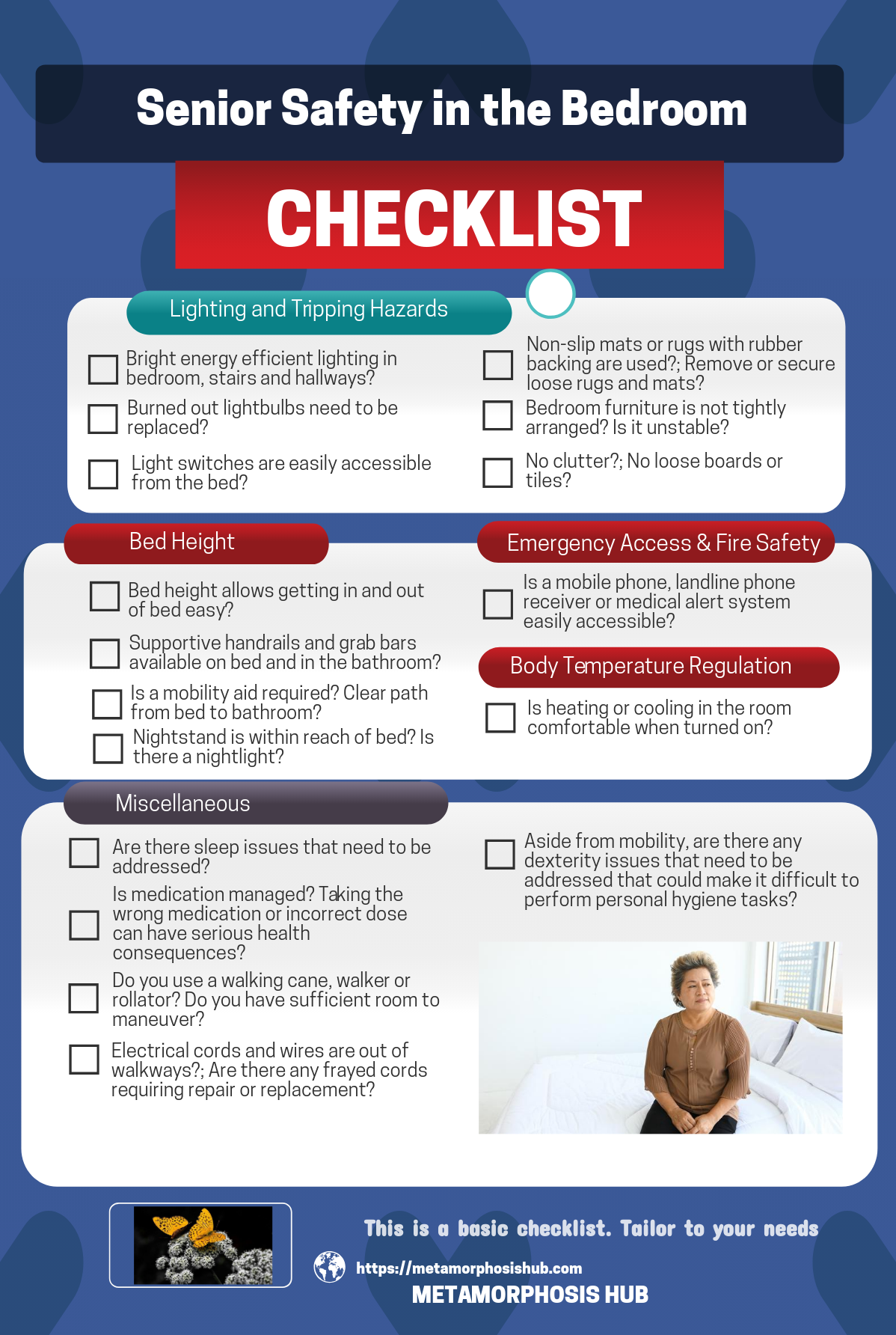
A practical senior safety bedroom checklist should include:
- Is lighting bright enough at night?
- Are there trip hazards on the floor?
- Is the path to the bathroom clear?
- Is the bed too high or too low?
- Is there safe support for getting in and out of bed?
- Is emergency help easy to reach?
- Are medications organized clearly?
- Are sleep issues increasing confusion or falls?
- Is furniture stable?
- Is the room temperature comfortable and safe?
That is where most people should begin — not with panic, just with a calm room-by-room review.
Helpful Products That Can Improve Bedroom Safety for Elderly Adults
Once you identify the biggest bedroom risks, the right products can help reduce some of the daily strain and uncertainty.
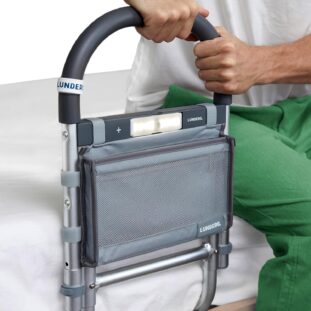
LUNDBERG Bed Rails for Seniors with Motion Light and Storage Pocket
This product supports limited mobility, assistive devices, and nighttime safety. It combines bedside support with a motion light and storage pocket, which makes it useful for both transfer safety and visibility.
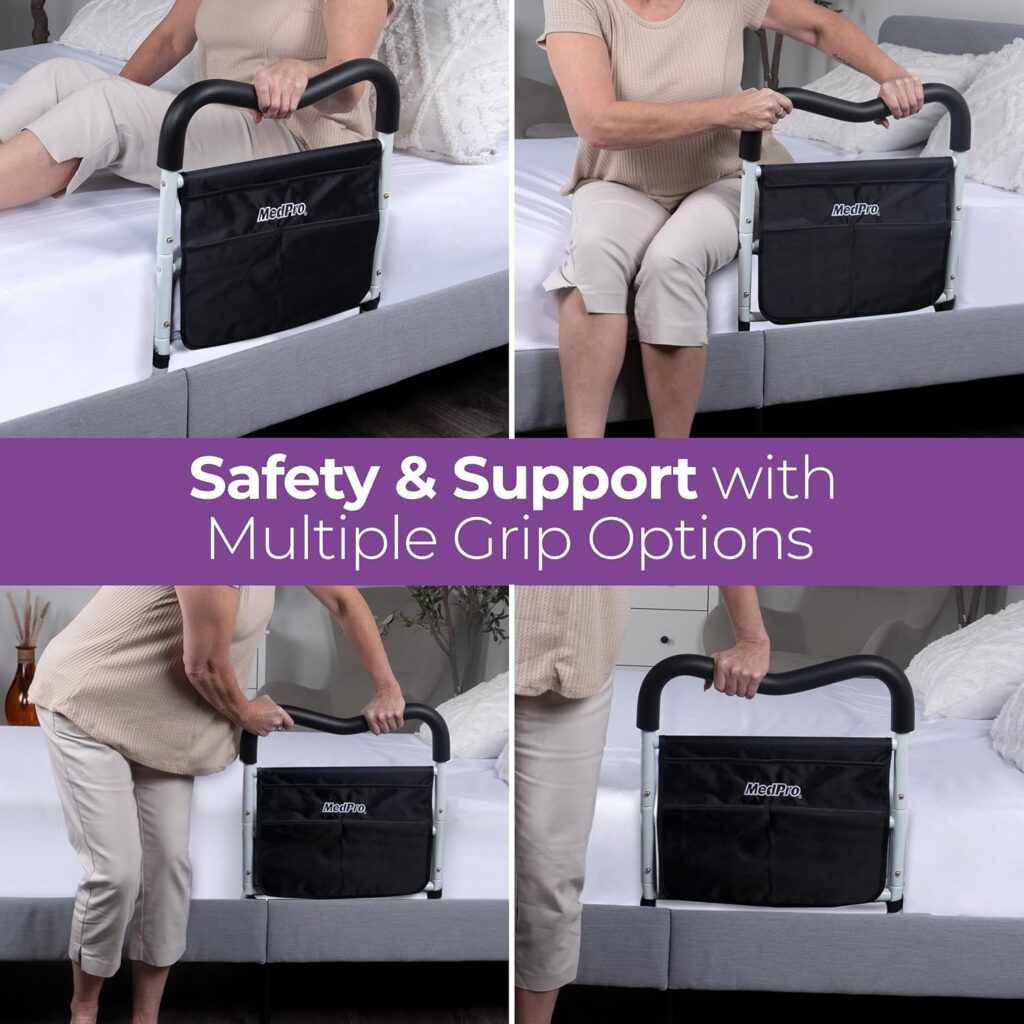
MedPro MGrip Contoured Bedside Rail
A good second rail option for seniors who need bedside support without a bulky setup. It is a strong option for safe bed transfers.
GE Enbrighten LED Motion Sensor Night Light
A practical fix for poor lighting and nighttime walking. It fits perfectly under poor lighting, falls, and bathroom access risks.
NIMOOD C5 Pro Bed Assist Rails for Seniors
A more premium bed-assist option for seniors who need stronger support beside the bed. This works well for limited mobility and safer transfers.
A safer bedroom does not always require dramatic change. Sometimes it is the small supports — a steadier rail, better night lighting, or easier access to help — that make the biggest difference in reducing risk.
Conclusion: Small Bedroom Changes Can Make a Big Difference
Bedroom safety for elderly adults is not something to leave to chance. The bedroom may look familiar, but familiarity can hide risks.
The most important step is to look at the room with fresh eyes. Better lighting, safer transfers, fewer obstacles, and easier emergency access can make the bedroom feel safer without making it feel less like home.
The goal is not perfection. It is reducing avoidable risk before one bad night turns into a serious injury.
Related Articles
- How to Prevent Seniors Falling – The Effects of Osteoporosis
- How to Maintain Independence – Prevent Causes of Falls in Seniors
- How to Prevent Falls in Seniors – Home Safety
- Why is Senior Safety in the Bathroom Important? – Facts
- How to Ensure Safety in the Kitchen – 11 Point Checklist
FAQ
Why is bedroom safety important for seniors?
Bedroom safety is important for seniors because falls, poor lighting, clutter, medication mistakes, and emergency delays can lead to serious injuries.
What are common bedroom hazards for seniors?
Common bedroom hazards for seniors include loose rugs, cords, poor lighting, unstable furniture, difficult bed access, and cluttered walkways.
How do you prevent falls in the bedroom for seniors?
To prevent falls in the bedroom, improve lighting, clear pathways, remove loose rugs, use supportive bed rails if appropriate, and keep essentials within easy reach.
What should a senior safety bedroom checklist include?
A senior safety bedroom checklist should cover lighting, flooring, furniture stability, bed height, emergency access, medications, fire safety, and nighttime mobility.
What makes bedroom safety for elderly adults more difficult?
Bedroom safety for elderly adults becomes harder when mobility, balance, vision, sleep quality, or memory begin to change.
References
The Safe Living Guide—A Guide to Home Safety for Seniors https://www.canada.ca/en/public-health/services/health-promotion/aging-seniors/publications/publications-general-public/safe-living-guide-a-guide-home-safety-seniors.html