

Restless legs that start twitching just as you’re trying to fall asleep can be incredibly frustrating. Understanding the causes of restless leg syndrome is the first step toward finding relief.
Many people assume restless leg syndrome (RLS) is just an annoying sleep disturbance, but the condition is often linked to nutritional deficiencies, medications, lifestyle habits, or underlying health conditions.
In this guide, we’ll explore 9 surprising causes of restless leg syndrome, explain how to identify triggers for restless leg syndrome, and share practical strategies for how to relieve restless leg syndrome naturally, especially for seniors.

You know that feeling—you’re just about to drift off, your body relaxing, and bam! Your legs start twitching like they’re trying to do the jitterbug on their own.
If this sounds all too familiar, you might be one of the many people—especially seniors and the elderly —dealing with the ever-mysterious restless leg syndrome (RLS).
I’ve been there, lying awake, legs buzzing, wondering if it’s something I ate or if my body was just playing tricks on me.
In this post, we’re diving deep into causes of restless leg syndrome. And let me tell ya—some of them are downright shocking. This isn’t just about wiggly legs; there’s a lot going on behind the scenes. I’ll walk you through the hidden culprits, share a few personal wake-up calls, and give you some practical tips I learned the hard way.
How Do I Know If I Have Restless Leg Syndrome?
Many people wonder how do I know if I have restless leg syndrome, especially when symptoms appear only at night.
Common symptoms include:
• An irresistible urge to move the legs
• Crawling, tingling, or itching sensations
• Symptoms that worsen during rest or inactivity
• Temporary relief when moving or stretching the legs
• Difficulty falling asleep because of leg discomfort
If these symptoms occur regularly in the evening or at night, restless leg syndrome may be the cause.
What Is Restless Leg Syndrome, Anyway?
Let’s start with the basics. Restless leg syndrome, also called Willis-Ekbom Disease, is a neurological condition that creates an irresistible urge to move your legs—usually in the evening or when you’re trying to rest. For many older adults, it’s a silent sleep saboteur.
It’s not just a case of the fidgets. It feels like crawling, tingling, or a deep itch you just can’t scratch. And while the causes can seem mysterious, there are some very real, often surprising, reasons this happens.
The Shocking Truth: Causes of Restless Leg Syndrome
# 1. Low Iron Levels – The Sneaky Culprit
When my doctor ran a blood test and told me my iron deficiency might be behind my twitchy legs, I laughed. I wasn’t anemic, or so I thought. Turns out, you don’t need full-blown anemia for low iron to lead to RLS. It messes with dopamine production, which controls muscle movement.
🛠️ Tip: Ask your doctor to check your ferritin levels (not just iron). Keep it above 50 ng/mL if you’re managing RLS.
# 2. Neurological Causes: When the Brain Misfires
Here’s where things get weird. RLS is believed to be linked to how your brain processes dopamine.
That’s the same neurotransmitter involved in Parkinson’s disease. It doesn’t mean you have Parkinson’s, but the connection is there.
In fact, neurological causes of RLS often show up alongside nerve damage or spinal issues. Got sciatica? That could be part of it.
🛠️ Tip: If you’ve got a history of back injuries, strokes, or neuropathy, mention it to your doc when discussing RLS.
# 3. Medication-Induced Mayhem
One of my friends developed RLS after starting an antihistamine for her allergies. No joke. Turns out medication-induced RLS is a thing. Common culprits include antidepressants, antipsychotics, and certain antihistamines.
🛠️ Tip: If your symptoms started after a new prescription, bring it up with your doctor. A small medication adjustment might be all it takes.
# 4. Lifestyle Triggers: Everyday Habits That Wreck Your Sleep
Alright, here comes the “don’t shoot the messenger” section. I had to cut back on my nightly wine and late coffees because, yep, restless leg syndrome and caffeine (plus alcohol) don’t play nice.
Also, let’s talk about restless legs after exercise. Overdoing it—especially late in the day—can rev up your nervous system just enough to trigger an episode.
🛠️ Tip: Avoid heavy workouts after 6 PM and swap that second cup of coffee for a calming herbal tea.
# 5. Nutritional Deficiencies Causing Restless Leg Syndrome
Ever heard of vitamin deficiencies and restless legs? Neither had I until my B12 levels tanked. Turns out, low levels of B12, magnesium, and folate can be triggers too.
Low levels of certain nutrients are one of the most overlooked nutritional deficiencies causing restless leg syndrome. In addition to iron deficiency, low levels of vitamin B12, magnesium, and folate may contribute to nerve irritation and muscle discomfort.
Seniors are particularly vulnerable because nutrient absorption can decline with age.
🛠️ Tip: Seniors are especially prone to absorption issues. A basic blood panel can rule out these sneaky causes.
# 6. Underlying Health Conditions: The Bigger Picture
Here’s where things get serious. Chronic diseases and RLS go hand in hand more often than people realize. If you’ve got diabetes, kidney disease, or even rheumatoid arthritis, RLS could be tagging along.
Restless leg syndrome due to kidney issues is especially common in seniors on dialysis. It’s not just about your legs—it’s about your whole system being out of balance.
🛠️ Tip: If your RLS is new and persistent, dig deeper. It might be a symptom, not just a standalone problem.
# 7. Restless Leg Syndrome and Anxiety and Stress: Mind and Body Connection
Can anxiety and stress really affect your legs? Yes! Stress and restless leg syndrome are close cousins. When I was caregiving for my mother and sleeping poorly, my legs would buzz like crazy every night.
Also, changes in estrogen levels, especially during pregnancy and restless leg syndrome, can kick things off. While that ship may have sailed for most of us, hormonal shifts still matter.
🛠️ Tip: Try guided relaxation or magnesium soaks. Reducing stress—even a little—can calm those nerves.
# 8. Genetic and Primary RLS: Sometimes, It’s in the Family
If your mom or dad used to joke about “ants in their pants,” they might not have been kidding. RLS genetic factors are very real. Primary restless leg syndrome often runs in families and shows up earlier in life—but can worsen with age.
🛠️ Tip: Track your family health history. If others had it, you’re not imagining things—this might be inherited.
# 9. Sleep Deprivation – A Vicious Cycle
One of the more frustrating things about RLS? RLS and sleep deprivation go in circles. The less you sleep, the worse your symptoms get—and the worse your symptoms, the less you sleep.
🛠️ Tip: Try setting a sleep routine that includes light stretching, warm baths, and turning off screens an hour before bed.
Example of Helpful Restless Leg Syndrome Relief Options
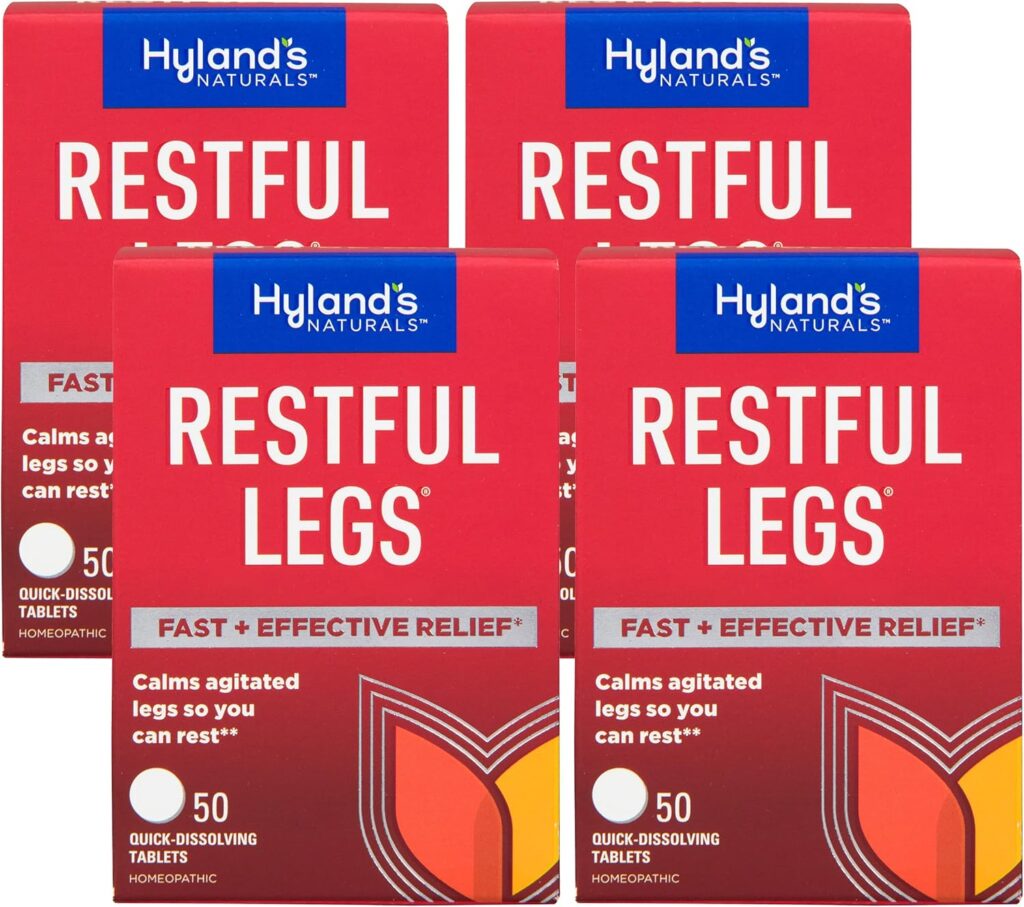
The restless leg syndrome relief examples shown throughout this article highlight the variety of helpful products available on the market today.
These examples help demonstrate the range of products available so readers can better understand how to choose options that provide them the most relief, and support healthy circulation. In many cases a combination of 1-2 products may be helpful.
Below are examples:
How to Reduce Restless Leg Syndrome at Night
Many people experience their worst symptoms in the evening.
Here are several strategies that may help reduce restless leg syndrome at night:

- gentle stretching before bed
- foot massage
- magnesium supplementation
- warm baths to relax muscles
- limiting caffeine and alcohol in the evening
- maintaining a consistent sleep routine
Small adjustments to your nighttime habits can often provide noticeable relief.
How to Relieve Restless Leg Syndrome Symptoms
While identifying the causes of restless leg syndrome is essential, many people are equally interested in learning how to relieve restless leg syndrome symptoms quickly.
Several strategies may help reduce discomfort and calm the urge to move your legs:
• gentle stretching before bedtime
• warm baths or heating pads
• light evening walks to improve circulation
• magnesium or iron supplements (if deficiencies are present)
• reducing caffeine and alcohol intake
Many people find that combining several of these strategies provides the most effective relief.
👉 In our detailed guide on how to relieve restless leg syndrome naturally, we explore the most effective treatments, supplements, and lifestyle adjustments that can help manage symptoms long term.
Wrapping It Up: Restless Legs Don’t Have to Rule Your Nights
Restless leg syndrome can be frustrating, especially when it disrupts sleep night after night. Understanding the causes of restless leg syndrome—from iron deficiency to lifestyle triggers—can help you take meaningful steps toward relief.
The encouraging news is that many cases improve once underlying triggers are identified and addressed.
The bottom line? Don’t ignore it. RLS isn’t just a weird quirk. It’s your body waving a red flag, asking you to pay attention. The good news is that once you know the cause, you can start finding relief.
FAQs
What causes restless leg syndrome?
The most common causes of restless leg syndrome include low iron levels, neurological dopamine imbalances, medication side effects, and nutritional deficiencies such as magnesium or vitamin B12.
How do I know if I have restless leg syndrome?
Common symptoms include an uncontrollable urge to move the legs, tingling sensations, and symptoms that worsen during rest or at night.
What nutritional deficiencies cause restless leg syndrome?
Iron deficiency is the most common cause, but low magnesium, vitamin B12, and folate may also contribute to restless leg symptoms.
How can I relieve restless leg syndrome naturally?
Lifestyle changes such as stretching, reducing caffeine intake, correcting nutritional deficiencies, and improving sleep habits may help reduce symptoms.
How do I reduce restless leg syndrome at night?
Maintaining a consistent sleep routine, avoiding stimulants before bedtime, and using relaxation techniques can help reduce nighttime symptoms.