

Discover the most dangerous walking mistakes to avoid in seniors and learn practical, experience-backed tips to stay safe, prevent falls, and improve mobility in your golden years.
I remember the first time I caught my mother, who is in her late 70s, shuffling down the hallway in her house slippers like she was trying to sneak past a sleeping bear! While she didn’t realize it, but every step was a fall waiting to happen!

This was when it hit me that there are so many walking mistakes to avoid in seniors that we just don’t talk about until something goes wrong.
Mobility is freedom, especially as you age. But without some awareness and a few small adjustments, daily walks can go from beneficial to downright risky.
Whether you’re a senior yourself or helping someone who is, this guide will walk (pun intended) you through the most dangerous walking mistakes to avoid in seniors, based on real-life experiences, a bit of trial and error, and hard-earned wisdom.
These walking mistakes are grouped into four sections: common mistakes, posture and balance mistakes, unsafe surroundings mistakes, and ignoring healthy habits mistakes.
Helpful tips are also provided along with a review of common walking injuries in seniors and how to avoid them.
Common But Dangerous Walking Mistakes to Avoid in Seniors
Let’s kick things off with the most frequent offenders. You’d be surprised how minor changes can make a huge difference.
#1 Shuffling Instead of Lifting Your Feet
Shuffling may seem harmless, but it’s one of the biggest culprits behind trips and falls. Seniors often do this unconsciously due to joint pain or poor posture. My dad did it too—until a nasty trip on a rug finally got him to pay attention.
Tip: Encourage proper walking techniques for seniors like consciously lifting the feet with each step. Even a slight lift improves stability. Also, senior gait training tips with a physical therapist can help reinforce safer habits.
#2 Wearing Unsafe Footwear
Let’s be honest, those floppy slippers or worn-out sneakers have got to go. Safe walking shoes for elderly should offer good grip, proper arch support, and cushioning for arthritis, or diabetics, or sciatic nerve pain . No heels, no slick soles, no exceptions!
Tip: Look for shoes labeled specifically for senior walkers—they often have non-slip soles and velcro straps for easy fastening.
#3 Ignoring Pain or Discomfort
Here’s a biggie: walking through pain. Seniors sometimes think discomfort is just part of aging, but it’s actually a warning light on the dashboard. as is the case with sciatic nerve pain.
Tip: Get any elderly joint pain from walking checked out early. It might be something as simple as improper footwear, or it could signal the need for mobility tips for aging adults or assistive devices.
#4 Skipping Walking Aids When Needed
There’s no shame in using a cane or walker—it’s a tool, not a crutch. But pride sometimes gets in the way.
Tip: A quick assessment by a professional can identify if walking aids for elderly safety are necessary. And believe me, a well-fitted cane can feel like a confidence booster, not a burden.
Posture and Balance Mistakes to Watch Out For
Sometimes it’s not about where you’re walking, but how you’re walking.

#5 Poor Posture Habits Need Correction
Hunched shoulders and looking down at your feet are major no-nos. Not only does it throw off your balance, but it also puts unnecessary strain on your neck and back.
Tip: Practice walking tall—chin up, shoulders back, and eyes forward. Correcting senior walking posture takes practice but pays off.
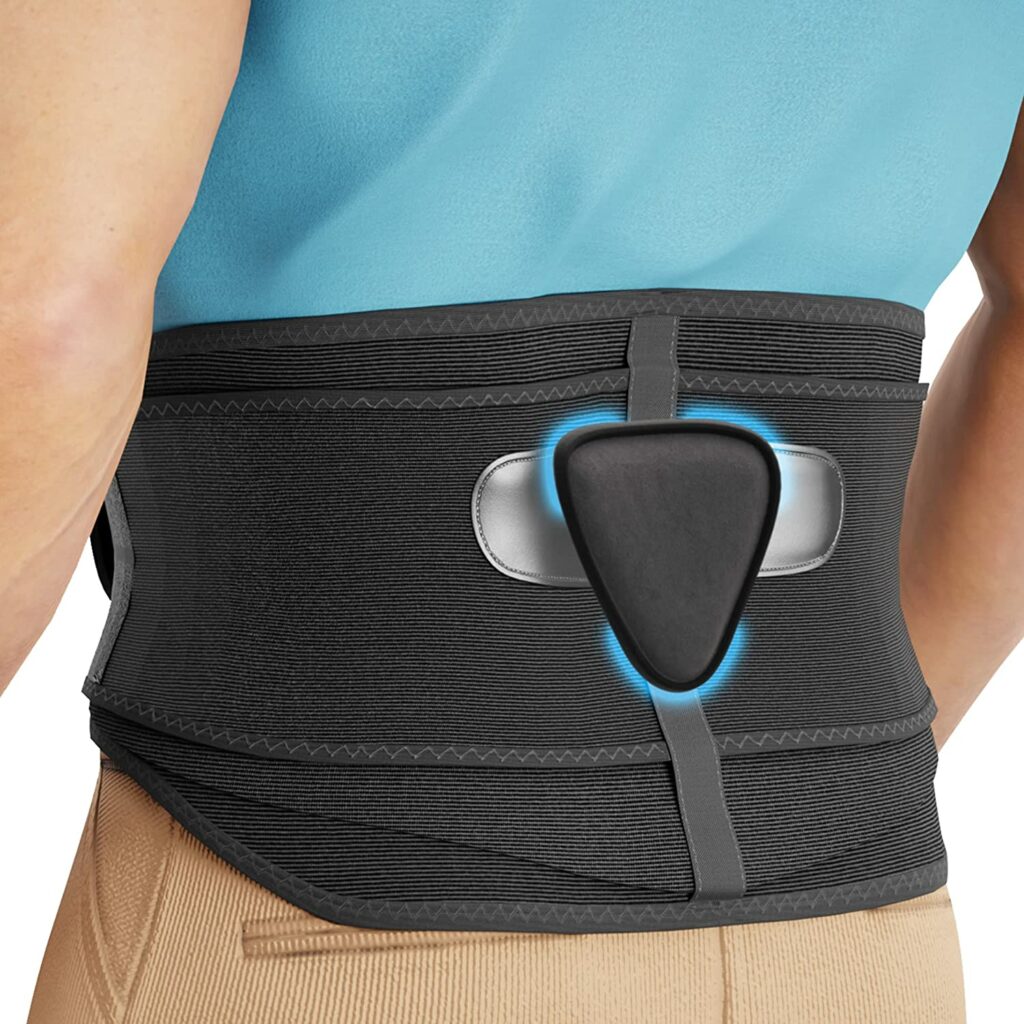
Many of the advertised models do not always met expectations. Check two that are top-rated in this article: Modvel and Gagasisco
#6 Overestimating Your Ability to Balance
Just because you could do something ten years ago doesn’t mean you should now. Overconfidence will always lead to you taking missteps.
Tip: Regular balance assessments and balance issues in seniors training, like tai chi or gentle yoga, can work wonders.
#7 Not Using Handrails or Support When Available
I must admit that I used to tease my mom about grabbing every railing she passed. Now I’m the one reminding her not to ignore them!
Tip: Always use rails on stairs and grab bars in bathrooms. It’s not weakness; it’s wisdom. That simple act can prevent falls in elderly walkers. Also, do try to remember to wash your hands afterwards!
Unsafe Surroundings Walking Mistakes Seniors Make at Home and Outside
Your surroundings can be just as risky as your habits.
#8 Cluttered Pathways
Those stray shoes, rugs, and dog toys? They’re like booby traps for seniors and the elderly.
Tip: Declutter walking paths and install proper lighting. It’s one of the easiest ways to prevent trips in older adults.
#9 Walking in Poor Lighting
Dimming vision plus dim lighting equals disaster.
Tip: Install motion-sensor nightlights or bright, non-glare bulbs throughout the house. Senior mobility problems often start with things like unseen steps.
#10 Ignoring Weather Conditions
Rain, ice, and even heat can pose serious risks.
Tip: On slick or extreme days, consider walking indoors—like in malls or community centers. Better safe than sorry.
Ignoring Healthy Habits that Support Safer Walking
Walking isn’t just about the legs; it’s about the whole body, warm ups and cool downs, adequate hydration, and safety:
#11 Skipping Warm-Ups and Cool-Downs
You wouldn’t jump into a car and floor it—so don’t do that to your body.
Tip: A quick stretch or warm-up can make walking smoother and safer. Focus on calves, ankles, and hips to reduce senior stride and step mistakes.
#12 Not Drinking Enough Water

Dehydration can lead to dizziness, and dizziness leads to falls. Hydrate regularly and do so throughout the day. If you find this difficult, invest in a motivational water bottle.
These are extremely helpful. Check out the colors for the MEVOLY brand. You will find one that you fall in love with to suit your needs!
Tip: Keep a small water bottle handy on walks, especially in warmer months. Proper hydration is part of how seniors can walk safely.
#13 Walking Alone Without Letting Someone Know – Really Dangerous!
Even in safe neighborhoods, it’s smart to let someone know where you’re going.
Tip: Share your walking route, carry a cellphone, or even use a tracking app. Senior walking habits to change should always include safety-first thinking.
Common Walking Injuries in Seniors and How to Avoid Them
You’d be surprised how something as simple as a daily walk can lead to trouble if you’re not careful. Over the years, I’ve seen family members and clients brush off small stumbles—only to end up with bigger problems.
The truth is, walking injuries in seniors are not always dramatic falls.
Hip fractures top the list. They often happen when balance is off or a trip goes unnoticed—until it’s too late. Then there’s the dreaded sprained ankle, usually caused by uneven pavement, slippery floors, or those sneaky throw rugs at home. Seniors with weaker bones are also prone to wrist fractures from trying to stop themselves during a fall.
Not all injuries are sudden, though. Chronic knee or back pain from poor walking posture or unsupportive shoes builds over time. I’ve even had a neighbor deal with plantar fasciitis because she insisted on walking in old, flimsy sandals!
So, what’s the fix? Start with safe walking shoes, keep pathways clutter-free, and don’t ignore pain. Add in a little balance training or check-in with a physical therapist, and you’re on your way to fewer injuries and more confident strides.
In short, avoiding common walking injuries in seniors isn’t about walking less—it’s about walking smart. And trust me, making a few changes now beats recovering from a broken hip later!
How to Improve Walking Safety in Seniors
By now you might be wondering, “Okay, but how do I start with all this great information?” Great question! Do the following:
Review Your Current Walking Habits
Make a checklist of your current routine. Are you wearing the right shoes? Using support if needed? Walking in safe, clear areas?
Tip: A quick self-audit or even filming your walk can help you notice dangerous walking habits in older adults.
Seek Help From Professionals if Necessary
From physical therapists to occupational therapists, plenty of pros are trained to help older adults move better.
Tip: Ask for a senior exercise walking form evaluation. It’s often covered by insurance and can lead to tailored exercises that reduce mobility tips for aging adults issues.
Make Walking a Social Activity
There’s safety—and joy—in numbers.
Tip: Join a local walking group or start one with neighbors. It keeps you accountable and helps reduce aging and balance problems through regular movement.
Conclusion: Dangerous Walking Mistakes to Avoid in Seniors
Walking is one of the best things seniors can do for their health, but only if it’s done safely. By recognizing the walking mistakes to avoid in seniors, we can make simple changes that pay off in big ways—less pain, fewer falls, and more independence.
Whether it’s swapping out shoes, fixing posture, or just cleaning up the living room floor, every small improvement adds up. And if you’re helping a loved one, be patient—it’s not about nagging, it’s about keeping them walking strong for years to come.
Related Articles
- 8 Essential Senior Citizen Safety Tips Guide for Independence
- How to Prevent Falls in Seniors – Safety in the Home
FAQs for Walking Mistakes to Avoid in Seniors
What are the most common walking mistakes to avoid in seniors ?
Seniors often shuffle their feet, wear unsafe shoes, ignore pain, and skip support tools like canes or walkers.
How can seniors prevent falls while walking?
Use proper footwear, maintain good posture, clear walking paths, and consider balance training.
Can posture affect walking safety in older adults?
Absolutely. Hunched posture shifts balance and increases fall risk. Practicing upright walking can help.
What type of footwear should seniors use when walking?
Supportive, non-slip shoes with a firm grip and cushioning are best. Avoid open backs and slick soles.