

What is a potassium deficiency? Learn 5 danger signs to watch for, possible causes, and when low potassium needs medical attention.
Potassium might not be the first thing you think about when it comes to good health, but this little mineral packs a punch, especially as we age. For seniors, potassium plays a key role in keeping muscles strong, nerves healthy, and the heart ticking smoothly.
But what happens when you don’t get enough? That is where things get tricky, as a potassium deficiency can sneak up on you with a whole set of warning signs.
In this article, we will dive into what is a potassium deficiency, its causes, effects, and—most importantly—how to spot and tackle it.
What is a Potassium Deficiency?
A potassium deficiency, or hypokalemia, is when the body has too little potassium, a vital electrolyte that helps with everything from muscle contractions to keeping our heartbeat steady.

Low potassium levels can disrupt normal bodily functions, making even small tasks feel exhausting.
For seniors, a potassium deficiency can be a game-changer. Since potassium is responsible for balancing electrolytes, it keeps muscles functioning properly and prevents dehydration.
Without enough potassium, muscles can cramp, the heart might skip a beat, and fatigue sets in faster than you’d like.
Understanding what a potassium deficiency is can help you take steps to prevent it.
Causes of Potassium Symptoms
So, what causes a potassium deficiency in the first place? While anyone can experience low potassium, there are some specific reasons it’s more common among seniors:
- Use of Medications: Certain medications, especially diuretics (water pills), lower potassium by increasing the amount you lose in urine.
- Diet: A lack of potassium-rich foods like bananas, oranges, and spinach in your diet can contribute to low levels.
- Dehydration: When you lose too much fluid, either from excessive sweating, vomiting, or diarrhea, you also lose electrolytes, potassium included.
- Kidney Issues: As you age, the kidneys don’t always work as efficiently, and potassium levels can drop as a result.
- Excessive Alcohol: Drinking too much alcohol can disrupt electrolyte balance and lead to chronic potassium deficiency.
If any of these causes sound familiar, consider making some simple lifestyle changes—like adding more potassium-rich foods to your diet and talking to your doctor about your medications.
Effects of Potassium Deficiency
What happens when you don’t have enough potassium? The effects can range from mild to downright debilitating. Here are some signs that you might have a potassium deficiency:
- Muscle Weakness and Cramps: One of the biggest warning signs of low potassium is muscle cramps, especially in the legs. Both potassium and magnesium play a role in muscle contractions.
- Fatigue: With low potassium, the body’s cells can’t get the energy they need, leading to constant tiredness and a lack of energy.
- Heart Palpitations: Potassium is key to keeping a steady heartbeat, so a deficiency might cause irregular heartbeats.
- Digestive Problems: Low potassium can slow down digestive muscle contractions, leading to constipation or bloating.
- Numbness and Tingling: Potassium helps with nerve function, so you might feel tingling or numbness if you are deficient.
If any of these effects sound like something you are experiencing, it’s a good idea to check with a healthcare provider and get your levels tested.
Potassium Deficiency Diseases
Unfortunately, low potassium levels are not just a temporary inconvenience. They can lead to more serious conditions:
- Hypokalemia: This is the medical term for severe potassium deficiency and can cause major heart and muscle issues.
- Kidney Issues: Chronic low potassium can impact the kidneys, affecting kidney health and increasing the risk of kidney stones.
- Hypertension: Since potassium helps regulate blood pressure, a deficiency can lead to high blood pressure over time.
- Arrhythmia: Potassium plays a key role in heart function, so a deficiency can trigger dangerous heart arrhythmias or even cardiac arrest.
Each of these conditions is serious, especially as you age. Keeping an eye on potassium levels is essential for overall health and well-being.
What are the Best Forms of Potassium?
The best forms of potassium come from natural food sources like bananas, oranges, potatoes, spinach, and avocados, which provide potassium along with other essential nutrients.
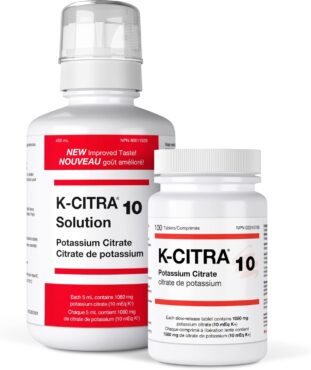
For those who need supplements, potassium gluconate and potassium citrate are common options, though they should only be taken under medical guidance to avoid excessive intake.
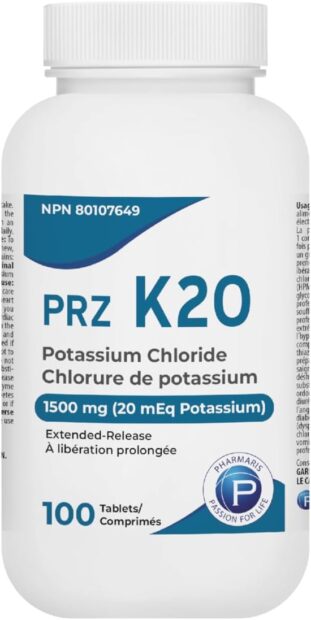
Potassium chloride supplements are often used to treat more severe deficiencies, especially for those on certain medications.
Ultimately, getting potassium from your diet is preferred as they’re easier for the body to balance, while supplements can be beneficial when prescribed by a healthcare provider.
Use of Potassium for Leg Cramps
If you have ever experienced sudden muscle cramps, especially in your legs, low potassium might be to blame.
Here’s the truth: Potassium plays a key role in muscle function, helping muscles contract and relax properly. When potassium levels drop, muscles start to cramp, and this is especially common in the legs.
Some easy ways to prevent leg cramps are through improved nutrition, hydration, stretching and supplements:
- Eating potassium-rich foods: Foods like bananas, sweet potatoes, and spinach are great for boosting potassium levels.
- Staying hydrated: Dehydration can make muscle cramps worse, so drink plenty of water throughout the day.
- Stretch before bed: This helps loosen up your muscles and reduce the risk of night cramps.
- Alternative potassium supplement: Only as a last option if advised by your doctor, though. Too much potassium can be harmful so always consult a professional.
Taking these steps can make a real difference. The right balance of electrolytes will have your legs feeling better in no time!
Effects of Too Much Potassium
Too much potassium in the body, known as hyperkale-mia, can be just as concerning as a potassium deficiency. Here’s what you need to know about the effects:
Muscle Weakness and Fatigue: Excess potassium can interfere with normal muscle function, causing weakness, fatigue, or a feeling of heaviness, especially in the arms and legs.
Tingling or Numbness: Some people experience tingling, numbness, or unusual sensations in their limbs, as high potassium affects nerve function.
Irregular Heartbeat: Potassium plays a critical role in heart function, so high levels can lead to arrhythmias (irregular heartbeats) and, in severe cases, even cause the heart to stop.
This is the most serious risk of hyperkalemia.
Breathing Difficulties: Severe hyperkalemia can lead to respiratory muscle weakness, making it harder to breathe.
Nausea and Vomiting: High potassium levels can disrupt digestion, leading to symptoms like nausea, stomach cramps, and even vomiting.
Hyperkalemia is often caused by kidney issues (since kidneys help regulate potassium), certain medications, or overconsumption of potassium supplements.
If you think you’re experiencing symptoms of high potassium, it’s essential to seek medical help immediately.
How to Treat Potassium Deficiency
If you have discovered you are low on potassium, don’t worry—there are many ways to get back on track:
Eat More Potassium-Rich Foods: Increase intake of foods high in potassium, such as bananas, oranges, potatoes, and leafy greens. A balanced diet can often be the best medicine.
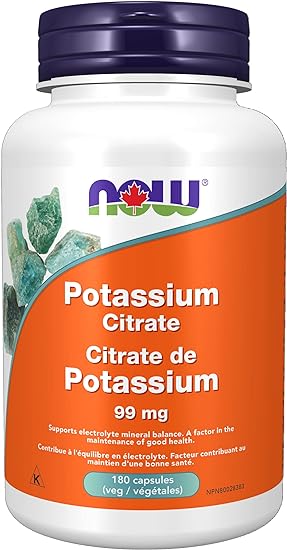
Consider Using Supplements: Potassium supplements can help if you are not getting enough from food, but they should be taken under medical guidance.
Too much potassium can be just as dangerous as too little!
Check Your Medications: If you are on diuretics or other medications that affect potassium, talk to your doctor.
They might adjust your prescription to prevent potassium loss.
Hydrate Properly: Dehydration can make a potassium deficiency worse, so stay hydrated, especially if you’re active or live in a warm climate.
Get Regular Blood Tests: For seniors, regular check-ups are a must. A simple blood test can tell you if your potassium levels are low and help your doctor decide the best treatment plan.
Treating a potassium deficiency does not have to be complicated. Small adjustments in diet and lifestyle can go a long way.
Conclusion – What is a Potassium Deficiency?
Potassium might seem like just another nutrient, but its role in muscle function, heart health, and nerve function makes it critical, especially for seniors.
Now that you know what a potassium deficiency is, and the warning signs to watch for, you are better equipped to stay healthy and active.
To keep things simple: eat well, stay hydrated, and have regular check-ups. With a little bit of care, you will keep your potassium levels in check and your body feeling its best.
Related Articles
What Supplements Help Leg Cramps – The Best Ones
FAQs for What is a Potassium Deficiency?
What foods are high in potassium for seniors?
Potassium-rich foods include bananas, potatoes, spinach, and oranges. These foods can help prevent low potassium levels and keep muscles and nerves functioning well.
What is a potassium deficiency?
A potassium deficiency happens when potassium levels in the body drop too low and start affecting muscles, nerves, and heart function. May be more serious in older adults.
What causes potassium deficiency?
Potassium deficiency can be caused by poor diet, vomiting, diarrhea, certain medications, dehydration, or health conditions that affect mineral balance.
How do I know if I have a potassium deficiency?
Common signs include muscle weakness, cramps, fatigue, constipation, irregular heartbeat, and feeling unusually tired or lightheaded.
When should potassium deficiency be checked by a doctor?
See a doctor if symptoms are persistent, severe, or include palpitations, weakness, faintness, or worsening muscle cramps.