

A medication safety checklist works best when it covers everything you swallow, not only what the doctor prescribed. Vitamins, minerals, herbal products, fish oil, sleep aids and the pain reliever in the bathroom cabinet all count. This guide walks you through gathering every bottle, writing one clear list, asking a doctor or pharmacist the right questions, and setting up a daily routine at home.
It gives no doses and recommends no supplements. Those decisions belong to the people who know your health history. The goal here is to make it easy for them to check what you already take, or what you are thinking of adding.
Disclosure: As an Amazon Associate, this site earns from qualifying purchases. If you buy through a link on this page, we may earn a small commission at no extra cost to you. This article is general information, not medical advice. Check with your doctor or pharmacist before you start, change or stop any medicine or supplement.
Why a Medication Safety Checklist Should Include Supplements
A supplement is a product with active ingredients, and active ingredients can interact with other things you take. Some change how a prescription works in the body. Some add to a medicine’s effect. Others cause the same side effect as a medicine you already take, so the two together become more than either would be alone.
Age raises the stakes. Many people over 65 take several prescriptions, see more than one doctor, and fill prescriptions at more than one pharmacy.
Each prescriber may not know what the others ordered, and almost none of them know about the supplements unless you say so. Doctors and pharmacists often ask only about prescriptions, so supplements stay off the record.
The label “natural” tells you nothing about whether a product is safe with your medicines. If you want more background on the risks, our post on the dangers of vitamin supplements for seniors covers them in detail. This checklist is for the next step: getting a professional to look at your own situation.
5-Step Medication Safety Checklist
| Steps | Action |
|---|---|
| 1 | Gather every prescription, OTC medicine and supplement |
| 2 | Write one complete medication list |
| 3 | Review it with a doctor or pharmacist |
| 4 | Watch for new symptoms or side effects |
| 5 | Set up a simple daily medication routine |
Step 1: Complete a Medication Safety Self-Assessment
Gather Every Medicine and Supplement
Pick a time when you are not rushed and clear a kitchen table or countertop. Then collect everything. A good starting place is to gather all your prescription medicines, even ones you only take occasionally.
Check the following areas as many people sometimes forget where they kept these items – especially expired ones:
- Kitchen counters, cabinets and the shelf above the refrigerator
- The bathroom cabinet and the medicine cabinet
- Bedside tables and dresser drawers
- Purses, coat pockets, pill cases and travel bags
- Inside the refrigerator, where some medicines and drops are kept
- Boxes of samples from a friend or relative
Supplement Safety for Seniors Taking Medications
Bring in more than prescription pills. Include:
- Over-the-counter products such as pain relievers, antacids, allergy tablets, cold remedies and sleep aids
- Vitamins, minerals and herbal products, in any form: tablets, capsules, gummies, powders, teas or drops
- Creams, patches, eye drops, inhalers and anything else you apply or breathe in
- Protein shakes or fortified drinks you use every day as a supplement
In Canada, look for an eight-digit NPN or DIN-HM on the label of an authorized natural health product.
Set aside anything that looks expired, has a missing or unreadable label, or that you cannot identify. Do not throw these away or guess. Ask the pharmacist what to do with them, since many pharmacies have a safe disposal option and can tell you how to dispose of each product properly.
Do not decide on your own to stop something at this stage. The point of this step is to see the whole picture.
Step 2: Write One Complete Medication and Supplement List
A clear list lets a professional spot a problem quickly. Use paper, a notebook page or a typed sheet. Make one line for each product with these details copied from the label:
- The exact name on the bottle, including the brand
- What it contains, if the label lists ingredients
- The strength printed on the label
- How often you actually take it, and at what time of day
- Why you take it, in your own words
- Who suggested it: a doctor, a pharmacist, a friend, an advertisement
- When you started
Copy what the label says. If you take something differently from the directions, write down what you really do, since that is the information a professional needs. Add a line at the top for allergies and past bad reactions to any medicine, and another for the names and phone numbers of your doctors and your pharmacy.
Keep a second short section called “Thinking about adding.” If you have seen an ad, read an article or heard from a neighbor about a supplement you might try, write down its name there. Asking before you buy is much easier than fixing a problem afterward.
Make at least two copies. One stays in your wallet or purse, and one goes on the refrigerator or somewhere a family member or emergency responder can find it. Update both whenever anything changes.
Filling in this list is also a simple medication safety self-assessment. If you cannot say why you take something, or if two products look like they do the same job, mark them with a star. Those are the first items to bring up with your doctor to better understand how to manage multiple prescriptions..
Step 3: Review Your Medication Safety Checklist With a Doctor or Pharmacist
Bring the list, the bottles and a pen. Tell the doctor or pharmacist at the start that you want a full review that includes your supplements. Here are some core questions to ask before you start, change or stop anything. Write down the answers on your medication list or in a notebook.
Questions About What You Take Now
- Does anything on this list interact with anything else on it?
- Do I still need each of these? Is anything doubled up, such as two products with the same ingredient?
- Is there a better time of day for any of them? Should any be taken with food or kept apart from another?
- Are there foods or drinks I should avoid with these, such as grapefruit, alcohol or leafy greens?
- Do any of my health conditions, such as kidney, liver or heart problems, change what is safe for me?
Questions Before Adding a New Supplement
- I am thinking about taking this product. Is it safe with my medicines and my health conditions?
- What would you expect it to do for me, and how would we know whether it is working?
- Should I mention it to my other doctors, or should you?
- If I am scheduled for surgery, a dental procedure or tests, should I stop anything beforehand?
Questions Before Stopping or Changing Anything
- Is it safe to stop this suddenly, or does it need to be reduced gradually?
- If I miss a dose, what should I do?
- What should I do if I have trouble swallowing a tablet? Can it be crushed or split, or is there another form?
Never change, split or crush a medicine without asking, because some are made to release slowly and breaking them changes how they work. The same holds for stopping a prescription because you think a supplement can replace it.
A pharmacist is a good first stop for these questions. They see your full prescription record if you use one pharmacy, and they are used to answering questions without an appointment. If you use more than one pharmacy, ask whether it is possible to move everything to one, so a single record shows all your medicines.
Step 4: Medication Safety Tips for Seniors – Watch For New Symptoms
Any new symptom that appears after you start, stop or change a product deserves a call, even if it seems small. Report these promptly to your doctor or pharmacist:
- Dizziness, unsteadiness or a new fall
- Unusual sleepiness, confusion or changes in memory or mood
- Stomach upset, nausea, vomiting, diarrhea or constipation that is new
- Easy bruising, nosebleeds or bleeding that is hard to stop
- A new rash, itching or swelling
- A racing, pounding or uneven heartbeat
- Changes in appetite, urination or sleep
- Any new symptom that started within days or weeks of a new product
Some signs need emergency help. Call your local emergency number right away for trouble breathing, swelling of the face, lips or throat, chest pain, fainting, or signs of a stroke such as sudden weakness on one side or slurred speech. If you want to review what those signs look like, see our post on the symptoms of a stroke.
When you call, have your list in front of you and mention every product you take, including the supplements. Tell them when the symptom began and what you took that day.
Step 5: Build a Safe Daily Routine
Once a professional has reviewed your list, you can build a routine that is easy to follow every day. The aim is to make the correct action the easy one. These medication safety tips for seniors work best when everyone in the household follows the same routine on how to organize medications for seniors.
Choose an Easy-to-Use Pill Organizer
A weekly pill organizer with separate compartments for morning, noon, evening and bedtime helps many people. Before choosing one, think about your hands and your eyes. There are several to choose from. Look for these features:
- Lids that open easily if your fingers are stiff or arthritic, but that will not pop open in a bag
- Large, high-contrast day and time labels
- Compartments big enough for your biggest tablets or capsules
- Removable day sections you can carry with you
- A design simple enough that you can fill it correctly every time
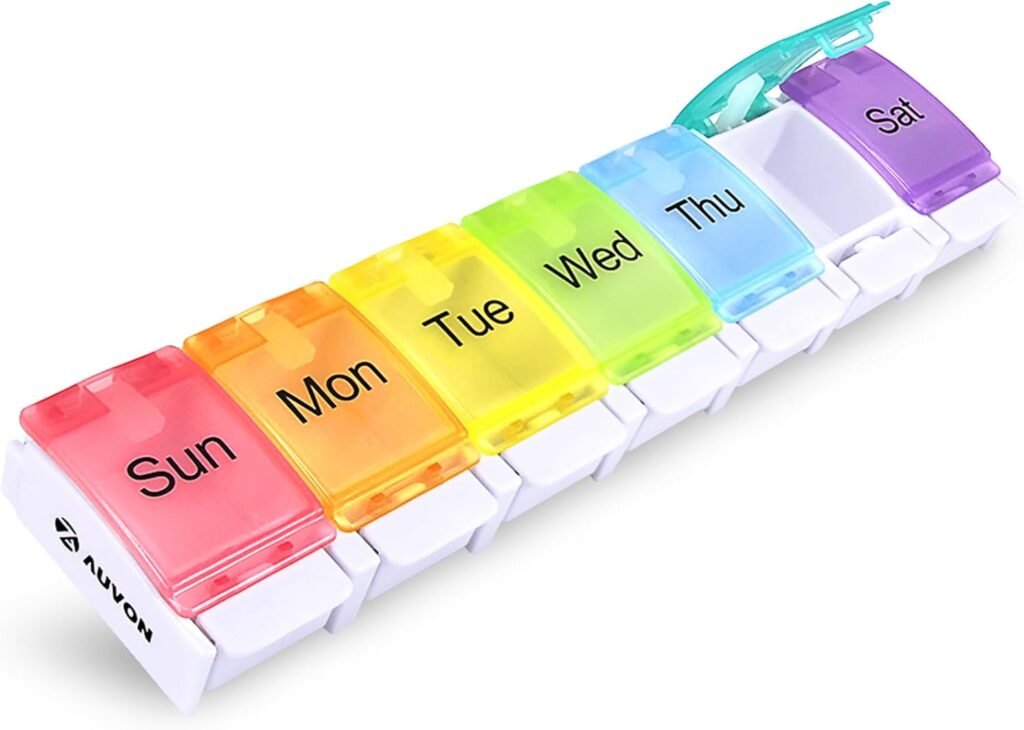
Ask your pharmacist whether it is fine to keep all your medicines in an organizer. Some products should stay in the original container, for example if they are sensitive to moisture or light.
Fill It on the Same Day Each Week
Choose a regular time, such as Sunday morning, sit at the table with your list beside you, and fill every compartment in one sitting. Fill it only when you are alert and the room is quiet. Check each bottle against the list as you go.
If the contents of the organizer ever look different from what you expected, stop and ask the pharmacist before taking anything.
Prescription and Supplement Safety Solutions: Label and Store with Care
- Keep medicines in their original bottles, with the label facing out, until you fill the organizer.
- Store them where the label says, since heat and humidity in a bathroom can damage some products.
- Keep supplements in a separate, marked spot so they do not get mixed up with prescriptions.
- Use a large-print label or colored sticker on bottles that look alike.
- Keep everything out of reach of children and pets.
Keep a Simple Medication Log
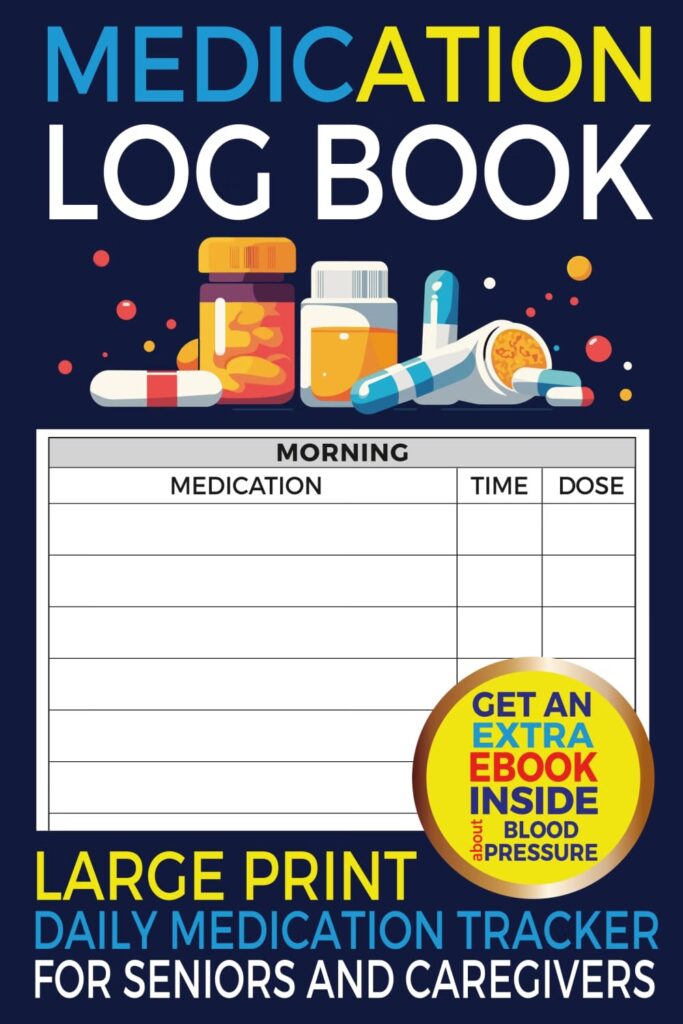
A paper chart on the refrigerator is adequate. List the days across the top and the times down the side, and tick each box when you take a dose.
If you are unsure whether you already took something, the log answers the question and prevents a double dose. Use the back of the page for notes: a headache on Tuesday, a dizzy spell on Thursday. Those notes give your doctor useful details at your next visit.
Unfortunately, loose sheets of paper can be misplaced.
Log information into a Medication Log book. This is
Best for: seniors or caregivers who want one ongoing paper record for doses, changes and appointment notes at doctor visits.
Furthermore, senior health gadgets for independent living such as a phone alarm or a loud, easy-to-read clock can also serve to remind when a pill should be taken. If you want to compare options, our alarm clock comparison for seniors shows what is available.
Among the supplement safety solutions that work for most households, a clear list, one organizer and a daily log do the most.
How a Caregiver Can Help Without Taking Over
If you are an adult child or caregiver, the aim is to support your parent’s independence while lowering risk. Start by asking permission. Say you would like to help put the list together, and offer to sit with them while they gather the bottles. People are far more willing to share when they feel respected.
Some practical ways to help:
- Go to the appointment, bring a second copy of the list, and write down the answers
- Offer to call the pharmacy to ask about moving all prescriptions to one location
- Check the organizer once a week to see whether it was emptied as expected
- Set a regular day to review the list together and update it
- Watch for changes in balance, mood, appetite or alertness, and report them to the doctor
Be careful about bringing in a supplement as a gift or suggestion. Even a product you take yourself may not suit your parent’s medicines or health conditions. Ask the pharmacist first.
If your parent has memory problems, the arrangement may need to change. The doctor can advise whether supervised dosing is appropriate, who should store the medicines, and how to do this in a way that keeps your parent’s dignity intact.
Respect their preferences wherever you can, and bring in a professional when you cannot agree.
Supplement safety for seniors taking medications comes down to shared information. When your parent, the family and the pharmacist all work from the same up-to-date list, mistakes are much easier to catch.
Conclusion: Supplement Safety for Seniors Taking Medications
Print the checklist from this post, put it in a bag with all your bottles, and take it to your next pharmacist or doctor visit. Ask for a full review that includes your supplements, and write down what they say.
If you want help with the daily routine, start with the organizer features listed above: easy-open lids, large labels and compartments sized for your tablets. Choose one that suits your hands and your schedule, and ask your pharmacist whether it suits your medicines.
FAQs about Medication Safety Checklists for Seniors
What should be included on a medication safety checklist?
Include prescriptions, over-the-counter medicines, vitamins, herbal products and supplements, along with their strength, timing, reason for use and who recommended them.
Why should seniors tell their pharmacist about supplements?
Supplements can interact with prescription and over-the-counter medicines, change their effects or increase side effects. A pharmacist can review the complete list for potential problems.
How often should seniors review their medication list?
Update the list whenever a medicine or supplement is started, stopped or changed, and bring the current list to medical and pharmacy appointments.
Can vitamins and supplements interact with medications?
Yes. Natural health products can interact with prescription medicines, OTC drugs and other supplements, sometimes increasing or reducing their effects.
Should seniors use a pill organizer?
A pill organizer can make a routine easier to follow, but some medicines should remain in their original packaging. Ask a pharmacist before transferring them.
References
Health Canada (2017). Safe Use of Natural Health Products: It’s Your Health. https://www.canada.ca/en/health-canada/services/healthy-living/your-health/medical-information/safe-use-natural-health-products.html
Health Canada (2016). About Natural Health Products. https://www.canada.ca/en/health-canada/services/drugs-health-products/natural-non-prescription/regulation/about-products.html