

Leg cramps are frustrating enough on their own, but they can be even more concerning when they keep returning and you cannot work out why. One common question is whether there is a connection between vitamin deficiency and leg cramps.
In some cases, a nutrient deficiency may contribute to muscle cramping, weakness, or other uncomfortable sensations.
But deficiency is only one possible explanation. Leg cramps can also be associated with muscle fatigue, dehydration, medications, circulation problems, nerve conditions, or other health issues.
This distinction is especially important for older adults. Changes in appetite, diet, medication use, digestion, and nutrient absorption can make some deficiencies more likely with age. At the same time, taking supplements simply because cramps are occurring may not address the real cause.
This guide looks at four nutrient deficiencies that may be associated with leg cramps, why each one matters, and how to recognize when testing or medical advice may be appropriate.
The goal is not to guess which supplement you need. It is to understand when a nutrient deficiency may reasonably be part of the picture and when recurring cramps deserve further evaluation.
For a broader look at muscle fatigue, dehydration, medications, nighttime cramping, and other common causes, see Reasons for Leg Cramps: 10 Home Remedies That May Help.
Can Vitamin Deficiency and Leg Cramps Be Connected?
Yes, vitamin deficiency and leg cramps can sometimes be connected, although the relationship is not as simple as assuming that every cramp means you are missing a particular vitamin.
Muscles depend on nutrients, fluids, nerves, and normal electrical activity to contract and relax properly. When certain nutrient levels become too low, muscle or nerve function can be affected, which may contribute to symptoms such as cramping, twitching, weakness, or muscle discomfort.
It is also important to recognize that people often use the phrase “vitamin deficiency” broadly when searching for information about leg cramps. Some of the nutrients most relevant to muscle function—such as magnesium, potassium, and calcium—are actually minerals rather than vitamins.
For seniors, deficiency may be more likely when food intake has changed, appetite is reduced, certain medications are being used, or a health condition affects how nutrients are absorbed or regulated.
However, symptoms alone usually cannot tell you whether a particular nutrient is low. Recurring cramps should therefore not automatically lead to magnesium, potassium, vitamin D, or other supplements.
Instead, the more useful question is:
Could a deficiency be contributing to the cramps, and is there a reason to have that possibility properly evaluated?
The next four sections look at the nutrient deficiencies most relevant to that question.
Nutrient Deficiency and Leg Cramps: 4 Nutrients to Know
When people search for a connection between vitamin deficiency and leg cramps, they are often referring to vitamins and minerals together.

Several nutrients are essential for normal nerve and muscle function, and very low levels can sometimes contribute to cramping, weakness, twitching, or other muscle symptoms.
However, finding the right explanation is important. A leg cramp does not tell you which nutrient is low, and recurring cramps should not automatically lead to supplements.
Four nutrients worth understanding are magnesium, potassium, calcium, and vitamin D. Each affects muscle function differently, and the reasons their levels become low can also vary.
1. Magnesium Deficiency and Leg Cramps
Magnesium plays an important role in normal nerve and muscle function. When magnesium deficiency becomes significant, symptoms can include weakness, numbness or tingling, muscle contractions, and muscle cramps.
However, this does not mean magnesium deficiency is responsible for most leg cramps. Symptomatic magnesium deficiency caused simply by eating too little magnesium is uncommon in otherwise healthy people because the kidneys normally help conserve the mineral.
Low magnesium is more likely when something interferes with absorption or causes excessive losses. Certain digestive disorders, prolonged diarrhea, some medications, poorly controlled diabetes, and other health conditions can increase the risk.
If recurring leg cramps occur alongside weakness, tingling, digestive problems, significant dietary changes, or medications that can affect magnesium levels, discussing the possibility with your healthcare professional is more useful than automatically starting a supplement.
Magnesium deficiency can cause cramps, but magnesium supplements are not a universal treatment for leg cramps. The NIH specifically notes that most muscle cramps are caused by something other than magnesium deficiency.
2. Potassium Deficiency and Leg Cramps
Potassium is an electrolyte that helps nerves communicate and muscles contract normally. When blood potassium becomes abnormally low—a condition known as hypokalemia—muscle function can be affected.
Low potassium may occur after prolonged diarrhea or vomiting, with the use of certain diuretics or laxatives, after heavy fluid losses, during dialysis, or because of other medical circumstances. Low dietary intake by itself is rarely the sole cause of significant hypokalemia.
Symptoms can include fatigue and muscle weakness, while more severe potassium deficiency can interfere with normal muscle contraction and heart rhythm.
Low potassium is also one of the electrolyte abnormalities healthcare professionals may consider when investigating recurrent muscle cramps.
Potassium deserves particular caution because more is not always better. Older adults with kidney disease, heart conditions, or certain medications may not be able to safely handle additional potassium.
For that reason, suspected potassium deficiency should be evaluated rather than treated by adding potassium supplements or electrolyte products on your own.
3. Calcium Deficiency and Leg Cramps
Calcium is best known for supporting bones and teeth, but it is also essential for normal nerve signalling and muscle contraction.
When the calcium level in the blood becomes too low—a condition known as hypocalcemia—symptoms can include muscle cramps, spasms, stiffness, and tingling around the lips, fingers, or feet. More severe abnormalities can affect the heart rhythm or cause other serious symptoms.
Low blood calcium can have several possible causes. These include problems involving the parathyroid glands, kidney disease, malnutrition, difficulties absorbing calcium, and low levels of vitamin D or magnesium. This means that simply eating more calcium may not address the underlying problem.
Calcium is therefore a much more useful nutrient to consider about deficiency-related cramping than assuming that every recurring leg cramp is caused by magnesium or potassium.
If cramps occur together with persistent tingling, muscle spasms, or other unexplained symptoms, your healthcare professional can decide whether checking calcium or related factors is appropriate.
4. Vitamin D Deficiency and Leg Cramps
Vitamin D supports bone health, calcium regulation, and normal muscle function. Unlike magnesium, potassium, and calcium, vitamin D is actually a vitamin, but its relationship with muscle health makes it relevant when investigating recurring weakness or discomfort.
In adults, significant vitamin D deficiency can lead to osteomalacia, which may cause bone pain and muscle weakness. Inadequate vitamin D can also adversely affect muscle strength.
Older adults are among the groups more vulnerable to low vitamin D because the skin becomes less efficient at producing vitamin D from sunlight with age. People who spend little time outdoors or who have conditions that interfere with fat absorption may also be at greater risk.
Muscle weakness or discomfort in someone with vitamin D deficiency does not prove that vitamin D is the cause of every cramp. If a deficiency is suspected, testing and an appropriate treatment plan are more useful than choosing a high-dose vitamin D supplement based on symptoms alone.
What About Vitamin B12 and Vitamin E?
Vitamin B12 and vitamin E can both affect the nervous system and muscles, but neither belongs in the main four nutrient deficiencies most directly relevant to this article.
Vitamin B12 deficiency is worth mentioning because it can cause neurological symptoms such as numbness, tingling in the hands or feet, weakness, and problems with balance. These symptoms may sometimes be described as aching, heaviness, or unusual discomfort in the legs rather than a typical sudden muscle cramp.
Older adults may be more vulnerable to vitamin B12 deficiency because the ability to absorb B12 from food can decline with age. Certain medications, digestive conditions, pernicious anemia, and previous stomach or intestinal surgery can also interfere with absorption.
This means B12 may be worth investigating when recurring leg symptoms occur together with numbness, tingling, weakness, or balance problems, rather than assuming that the problem is simply a mineral-related muscle cramp.
Vitamin E deficiency is much less common. True vitamin E deficiency is rare in healthy people and is usually associated with conditions that interfere with fat absorption. When severe, it can damage nerves and muscles and cause weakness, loss of sensation, or problems with coordination.
How Do You Know If a Deficiency Is Causing Leg Cramps?
Unfortunately, the cramp itself usually cannot tell you which nutrient—if any—is too low.
Muscle cramps, weakness, twitching, numbness, and fatigue can occur for many different reasons. Similar symptoms may be caused by dehydration, medication effects, circulation problems, nerve disorders, kidney disease, or ordinary muscle fatigue. This makes it difficult to diagnose a nutrient deficiency from symptoms alone.

Instead, your healthcare professional may look at the whole pattern, including:
- your diet and recent changes in appetite;
- medications and supplements you take;
- vomiting, diarrhea, or other causes of fluid loss;
- digestive disorders that could affect absorption;
- kidney or other chronic health conditions;
- numbness, tingling, weakness, or balance problems; and
- how often the cramps occur and whether other symptoms accompany them.
Blood tests can help check certain nutrient levels when there is a reason to suspect a deficiency. For example, magnesium can be measured with a blood test, and vitamin D status is commonly assessed with a 25-hydroxy vitamin D blood test. Calcium and potassium can also be measured as part of laboratory testing when appropriate.
Vitamin B12 can also be measured, and additional testing may sometimes be needed when the result is uncertain or symptoms suggest a deficiency.
The key point is that testing should be guided by your symptoms, medical history, medications, and risk factors. Routine testing for every nutrient is not necessary for every person with leg cramps.
This is why taking several supplements “just in case” is usually less useful than first asking whether there is a genuine reason to suspect a deficiency.
Why Seniors May Be More Vulnerable to Nutrient Deficiency
Older adults can become more vulnerable to certain nutrient deficiencies for several reasons, and these risks often overlap.
Appetite and food intake may decrease with age, while dietary variety can become more limited. Digestive changes and certain gastrointestinal conditions can also affect how well nutrients are absorbed. In addition, medications commonly used by older adults may influence nutrient levels or interfere with absorption.
Vitamin B12 is a good example. Many older adults produce less stomach acid, which can make it harder to release and absorb B12 naturally present in food.
Vitamin D can also become more difficult to maintain because aging skin is less efficient at producing vitamin D from sunlight, and some older adults spend less time outdoors.
Magnesium and potassium levels may be affected by medications, digestive losses, chronic illness, or changes in kidney function. These factors make it especially important for seniors not to assume that more of a nutrient is automatically safer.
Older adults may face a combination of dietary changes, reduced absorption, medication use, and lower sun exposure. Age itself, however, does not prove a deficiency. It simply means there may be more reasons to consider diet, absorption, medications, and health conditions when recurring cramps are being evaluated.
Should Seniors Take Supplements for Leg Cramps?
Not automatically.
If recurring leg cramps are caused by a genuine nutrient deficiency, correcting that deficiency may be appropriate. But taking magnesium, potassium, calcium, vitamin D, or other supplements simply because cramps are occurring can be misleading—and in some situations, unsafe.
Do not guess blindly, do not assume every cramp means a deficiency, and do not combine several supplements without understanding the cause.
Before adding a supplement, consider whether there is a clear reason to suspect a deficiency. That may include changes in diet, reduced appetite, digestive problems, recent illness, medication use, or other health conditions.
This is especially important for seniors with kidney disease, heart conditions, or multiple medications, because some nutrients and supplements can interact with medical treatment or become harmful when taken in excess.
For example, potassium should not be supplemented casually in someone whose kidneys may have difficulty regulating potassium levels. High doses of vitamin D can also cause problems when taken unnecessarily over time.
A more sensible approach is to:
- review your diet and recent changes in eating habits;
- consider medications and health conditions that may affect nutrient levels;
- discuss persistent or unusual cramps with your healthcare professional; and
- use supplements only when there is a clear reason to do so.
The goal is not to find the strongest supplement. It is to identify whether a deficiency is actually contributing to the problem.
For readers specifically interested in supplement options, refer to a separate article What Supplements Help Leg Cramps? – The Best Ones, rather than expanding this specialist into a supplement-buying guide.
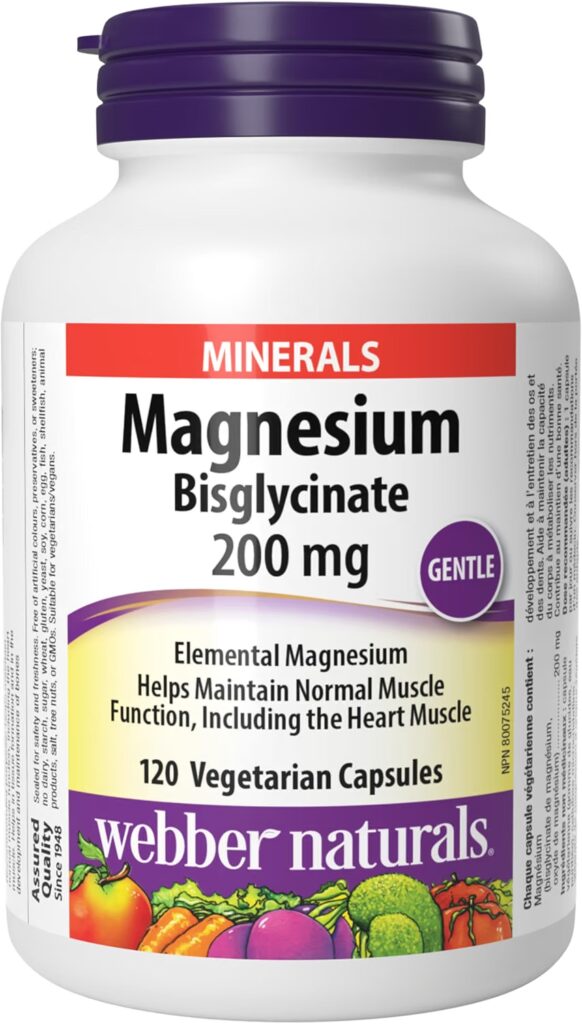
If magnesium supplementation has been recommended: A magnesium product may be useful when there is a genuine reason to correct low magnesium. Choose a licensed Canadian natural health product and follow the label or your healthcare professional’s advice rather than treating every leg cramp with magnesium.
Keeping approved supplements organized: If you already take vitamins, minerals, or medications recommended by your healthcare team, a clearly labelled weekly organizer can make it easier to keep track of what you take and avoid accidental duplication.

When to See a Healthcare Professional About Possible Nutrient Deficiency
Occasional leg cramps are common, but recurring symptoms deserve more attention when there is reason to suspect that a nutrient deficiency may be involved.
Speak with your healthcare professional if:
- cramps are becoming frequent, severe, or more persistent;
- you also have weakness, numbness, tingling, or unusual fatigue;
- your appetite or diet has changed significantly;
- you have experienced prolonged vomiting, diarrhea, or other fluid loss;
- you have a digestive condition that may affect nutrient absorption;
- symptoms began after a medication change;
- you have kidney, heart, or other chronic health conditions; or
- you are already taking several supplements without knowing whether they are needed.
Persistent cramps should not simply be ignored or self-treated indefinitely. A healthcare professional can look at your symptoms, diet, medications, and medical history together and decide whether further evaluation is appropriate.
This is particularly important because muscle cramps alone cannot reliably identify which nutrient, if any, is low.
If symptoms are new, worsening, or accompanied by other unusual changes, it is better to investigate the underlying cause than to keep adding supplements in the hope that one will work.
Conclusion: Vitamin Deficiency and Leg Cramps
The connection between vitamin deficiency and leg cramps is real in some cases, but it is not the explanation for every cramp.
Low levels of magnesium, potassium, calcium, or vitamin D can affect normal muscle or nerve function, while vitamin B12 deficiency may contribute to neurological symptoms such as weakness, tingling, or numbness.
For seniors, the bigger challenge is that several factors can overlap. Diet, medication use, digestion, chronic health conditions, and age-related changes can all influence nutrient status.
That is why the best approach is not to assume that one vitamin or mineral is responsible.
If leg cramps keep returning, consider whether there is a genuine reason to suspect a deficiency and discuss persistent symptoms with your healthcare professional. When a deficiency is confirmed, the appropriate response can then be based on the actual cause rather than guesswork.
For broader causes of leg cramps and practical home-care measures, see Reasons for Leg Cramps: 10 Home Remedies That May Help.
For cramps linked to medical conditions such as circulation problems, nerve compression, diabetes, kidney disease, or thyroid disorders, see Leg Cramp Causes: 6 Medical Conditions That May Be Involved.
Your original conclusion already contained the useful idea that nutrient intake, hydration, medications, circulation, and overall health should be considered together. The revised conclusion simply narrows that message to this page’s specialist purpose.
Related Articles
FAQs About Vitamin Deficiency and Leg Cramps
What vitamin deficiency causes leg cramps?
There is no single vitamin deficiency responsible for all leg cramps. Low levels of magnesium, potassium, calcium, or vitamin D may sometimes contribute to muscle cramps, weakness, or other muscle symptoms.
Magnesium, potassium, and calcium are minerals rather than vitamins, but they are often included when people search for information about vitamin deficiency and leg cramps. Symptoms alone cannot confirm which nutrient, if any, is low.
Can low magnesium cause leg cramps?
Yes, significant magnesium deficiency can affect normal nerve and muscle function and may contribute to muscle contractions or cramps.
However, magnesium deficiency is not the cause of every leg cramp, so recurring symptoms should not automatically lead to magnesium supplementation.
Can low potassium cause leg cramps?
Low potassium can interfere with normal muscle function and may contribute to weakness or cramping. Potassium levels can be affected by illness, fluid loss, certain medications, and some medical conditions.
Because too much potassium can also be harmful, supplements should not be taken casually—especially by people with kidney or heart problems.
Can vitamin D deficiency cause leg cramps?
Vitamin D deficiency may contribute to muscle weakness or discomfort, but leg cramps alone do not prove that vitamin D is low.
Vitamin D is more useful to consider when there are additional risk factors, such as limited sun exposure, reduced dietary intake, or other reasons to suspect deficiency.
How do I know if my leg cramps are caused by a nutrient deficiency?
You usually cannot tell from the cramp itself.The more useful clues come from your overall pattern of symptoms, diet, medications, digestive health, recent illness, and other medical conditions.
If cramps are frequent or unusual, your healthcare professional can decide whether a nutrient deficiency should be investigated.
References
National Institutes of Health NIH Office of Dietary Supplements (2026) Magnesium. https://ods.od.nih.gov/factsheets/magnesium-healthProfessional/
MedlinePlus (2020) Calcium Blood Test – What is a calcium blood test? https://medlineplus.gov/lab-tests/calcium-blood-test/
National Institutes of Health NIH Office of Dietary Supplements (2025) Vitamin D. https://ods.od.nih.gov/factsheets/VITAMIND/HealthProfessional/
National Institutes of Health NIH Office of Dietary Supplements (2022) Vitamin D Fact Sheet for Consumers. https://ods.od.nih.gov/factsheets/VITAMIND-Consumer/
National Institutes of Health NIH Office of Dietary Supplements (2023) Vitamin B12 Fact Sheet for Consumers. https://ods.od.nih.gov/factsheets/VitaminB12-Consumer
National Institutes of Health NIH Office of Dietary Supplements (2021) Vitamin E Fact Sheet for Consumers. https://ods.od.nih.gov/factsheets/vitamine-consumer/
MedlinePlus (2020) Magnesium Blood Test – What is a magnesium blood test? https://medlineplus.gov/lab-tests/magnesium-blood-test/