

Back pain becomes more common as we get older, but that does not mean repeated flare-ups are inevitable.
Some causes of back pain—such as arthritis, osteoporosis, previous injuries, or changes in the spine—cannot always be prevented. However, everyday habits can still help reduce unnecessary strain, maintain strength and mobility, and make future episodes less disruptive.
Our complete guide to back pain in seniors explains the common causes, warning signs and treatment options.
Good back pain prevention is not about protecting your back by avoiding movement. In most cases, staying active and keeping your body capable is more helpful than becoming increasingly cautious.
The 12 strategies below focus on practical steps you can use at home and during everyday activities. You do not need to make every change at once. Small improvements that you can maintain are usually more useful than a complicated routine that is quickly abandoned.
If you already live with persistent pain, our guide to managing chronic back pain explains ways to improve comfort and daily function.
What Does Back Pain Prevention Really Mean?
No strategy can guarantee that you will never experience another episode of back pain.
Instead, back pain prevention means reducing avoidable strain and maintaining the strength, movement, balance, and general health that help your body cope with everyday demands.
That includes habits such as:
- staying physically active;
- maintaining strength and mobility;
- getting enough sleep;
- avoiding tobacco;
- eating a balanced diet;
- maintaining a comfortable body weight; and
- arranging everyday tasks so they place less unnecessary strain on your back.
Staying adequately hydrated is also part of good overall health, particularly as we age. Water supports normal body and muscle function, but drinking extra water should not be viewed as a specific treatment or guaranteed way to prevent back pain.
The bigger picture matters most.
For many older adults, prevention is less about one special exercise or perfect posture and more about remaining active, adaptable, and confident in movement.

1. Stay Physically Active
One of the most useful things you can do for your back is to keep moving.
Long periods of inactivity can contribute to loss of strength, reduced endurance, stiffness, and less confidence in everyday movement. Regular activity helps maintain the physical capacity needed for walking, climbing stairs, shopping, gardening, and other daily tasks.
You do not need strenuous exercise to benefit.
Activities may include:
- walking;
- swimming or water exercise;
- cycling on a suitable stationary bike;
- light household or gardening activities; or
- exercise classes designed for older adults.
The most useful activity is usually one that you enjoy enough to do regularly.
Build Activity Into Your Day
If formal exercise feels difficult, start with ordinary movement.
Take a short walk after lunch, stand and move around during television breaks, or divide household tasks into several shorter sessions.
Regular movement throughout the day may be more realistic than trying to complete one long workout.
If you have been inactive for a long time or have medical conditions that affect exercise, start gradually and ask your healthcare provider or physiotherapist for guidance when needed.
The goal is not to push through severe pain. It is to maintain enough regular activity that your strength and confidence do not steadily decline.
2. Build Strength and Balance Gradually
Staying active is important, but strength and balance deserve attention too.
Strong muscles in the legs, hips, abdomen, and back help support everyday movements such as standing from a chair, carrying groceries, climbing steps, and getting in and out of a car.
Balance matters because falls can lead to injuries that cause or worsen back pain, particularly in people with osteoporosis.
A simple exercise program might include:
- chair rises;
- gentle leg strengthening;
- light resistance exercises;
- balance practice near a stable support;
- walking; and
- appropriate flexibility or mobility exercises.
You do not need to perform every type of exercise every day.
Progress Slowly
A common mistake is doing too much when you first feel motivated.
Instead, begin with an amount you can comfortably manage and increase gradually. Gentle lower back pain exercises are recommended.
This is particularly important if you already experience recurring back pain, arthritis, osteoporosis, or poor balance.
A physiotherapist or qualified exercise professional can help adapt exercises to your abilities if you are unsure where to begin.
Regular chronic back pain exercise does not have to be complicated. The aim is to keep your body strong enough for the activities you want and need to do.
3. Change Positions Instead of Chasing Perfect Posture
You may have heard that sitting or standing with “perfect posture” is the key to preventing back pain.
The reality is more flexible.
There is no single posture that everyone needs to maintain all day. Even a comfortable position can become uncomfortable if you stay in it for too long.
For many people, the better strategy is simply to change position regularly.
If you sit for long periods:
- stand up occasionally;
- take a short walk;
- gently change your sitting position; and
- adjust your chair if you feel unsupported or uncomfortable.
If you spend a long time standing, shift your position, take sitting breaks when possible, and avoid remaining rigidly in one stance.
Let Comfort Guide You
Your sitting or standing position should feel reasonably comfortable and allow you to move easily.
You do not need to constantly pull your shoulders back, hold your stomach tight, or force your spine into a particular shape.
The goal is not perfect posture. It is avoiding prolonged, uncomfortable positions and giving your body regular opportunities to move.
That simple habit can be one useful part of lower back pain prevention, particularly for people who spend much of the day sitting or standing.
4. Make Your Home and Work Areas Back-Friendly
Many everyday tasks involve reaching, bending, standing, or sitting for long periods. Small changes to your surroundings can make these activities easier and reduce unnecessary strain.
You do not need an elaborate ergonomic setup.
Start by looking at the places where you spend the most time—your kitchen, desk, favourite chair, workshop, or gardening area.
Helpful changes may include:
- keeping frequently used items within easy reach;
- avoiding repeated bending to very low shelves;
- using a stable chair with comfortable support;
- adjusting work surfaces when they are unusually high or low;
- changing position during longer tasks; and
- using a step stool rather than stretching awkwardly for high objects.
In the kitchen, for example, moving heavier pots or appliances to waist-level storage can reduce repeated lifting from the floor.
The goal is not to remove every bend or twist from your day. Your back is designed to move.
Instead, a back-friendly setup helps you avoid repeating awkward or tiring movements for long periods, especially when you are already fatigued.
Simple changes to your environment can therefore become a practical part of back pain prevention without making you fearful of normal movement.
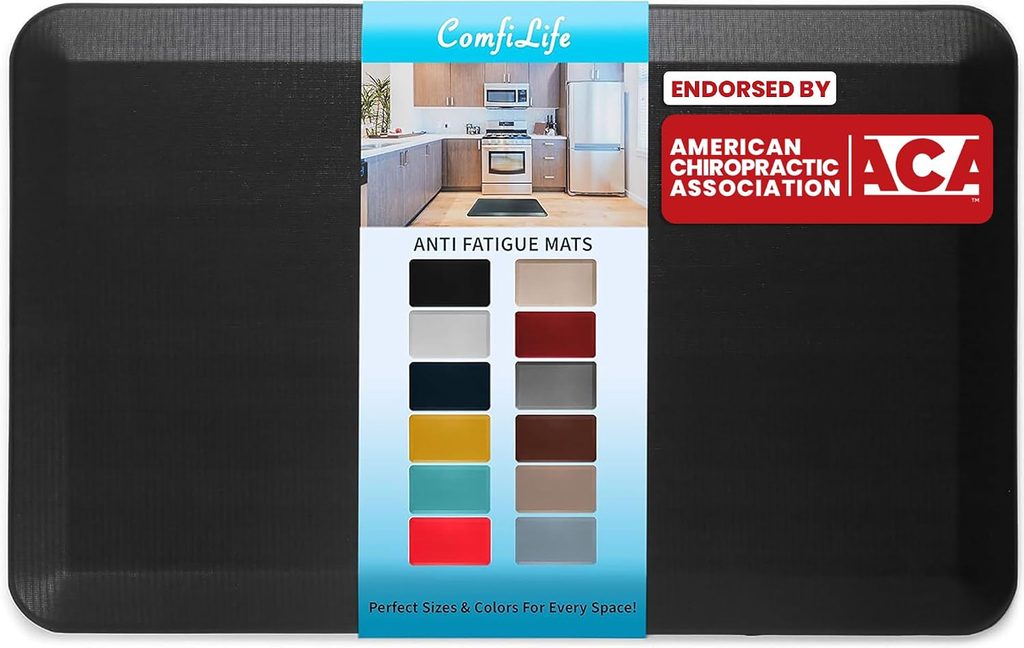
For longer standing tasks: A cushioned standing mat may make kitchen or workbench tasks more comfortable when you spend extended periods on your feet. There is an important senior-specific caution here: only use a mat that lies flat, has a non-slip surface and does not create a trip hazard. This product is a standing-comfort aid and NOT a back-pain treatment.
5. Use Safer Lifting and Carrying Habits
Lifting is part of everyday life, whether you are carrying groceries, moving laundry, gardening, or picking something up from the floor.
You do not need to keep your spine perfectly straight every time you lift. However, heavier or awkward objects are easier to manage when you plan the movement rather than suddenly twisting or reaching.
Before lifting:
- move close to the object;
- check whether it is heavier than expected;
- keep your feet in a stable position;
- use your legs and hips as well as your back;
- avoid twisting quickly while carrying a heavy load; and
- ask for help when something is too heavy or awkward to handle safely.
Holding an object close to your body can also make it easier to control than carrying it at arm’s length.
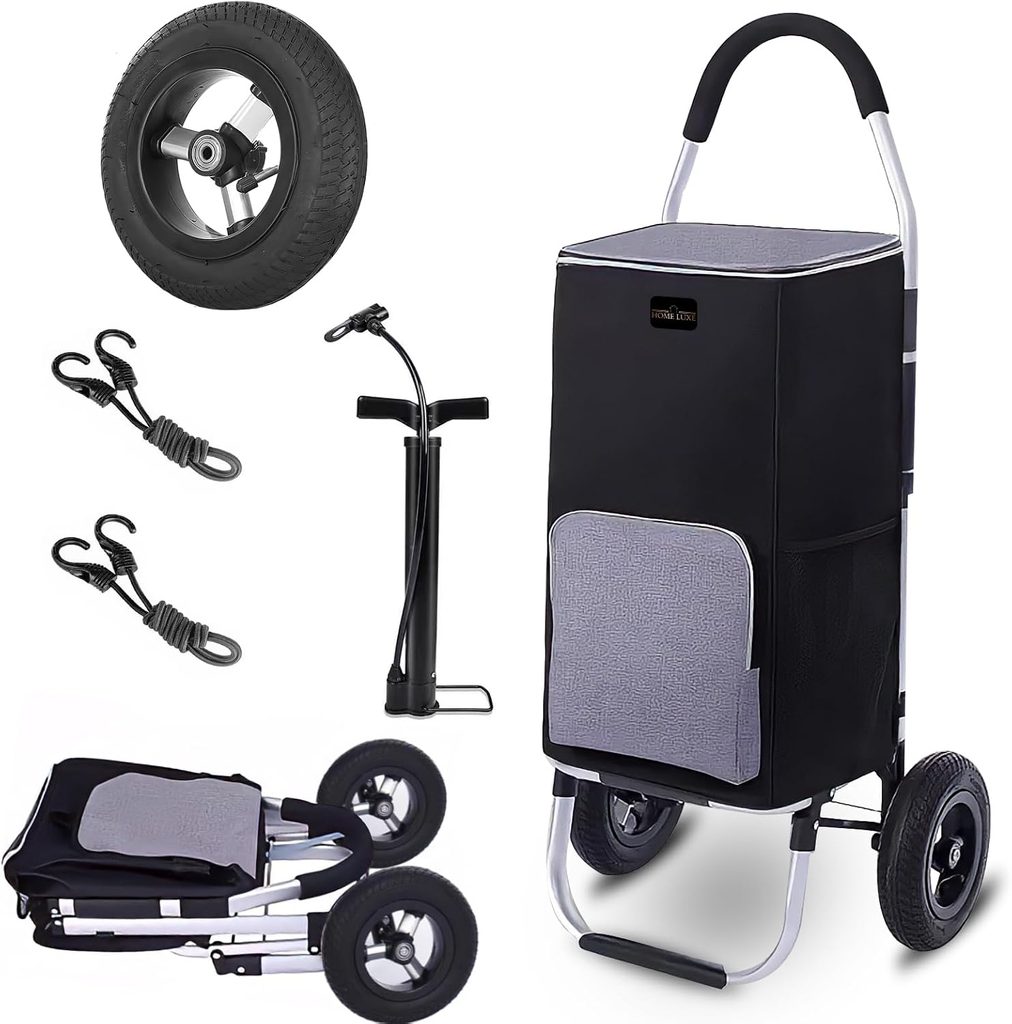
For heavier shopping trips: A foldable wheeled grocery cart can reduce the amount you need to carry by hand, particularly when transporting groceries from a car or nearby store.
Divide Heavy Loads When You Can
Two lighter grocery bags may be easier to manage than one very heavy bag.
The same principle applies to laundry baskets, gardening supplies, boxes, and household items.
Using a cart, trolley, or wheeled bag can also reduce the amount you need to carry.
Good lifting habits are not about treating your back as fragile. They are about matching the task to your current strength and avoiding unnecessary overload.
6. Maintain a Comfortable Body Weight
Body weight is only one factor among many that can influence back health.
Carrying excess weight may increase the physical demands placed on the body during standing, walking, and other daily activities. However, weight alone does not explain why someone develops back pain, and people of every body size can experience it.
For older adults, the more useful goal is usually to support a weight that works well for your overall health, strength, mobility, and medical needs.
That may involve:
- eating a balanced diet;
- staying regularly active;
- preserving muscle as you age; and
- avoiding extreme or restrictive diets.
If weight loss has been recommended for health reasons, gradual changes are generally more sustainable than rapid dieting.
It is also important not to focus so heavily on the scale that you overlook strength and function.
A person who becomes lighter but loses muscle may not necessarily move more comfortably or confidently.
For lower back pain prevention, maintaining strength, staying active, and supporting overall health are usually more important than chasing a particular number on the scale.
7. Learn How to Prevent Back Pain When Sleeping
Sleep position can make a noticeable difference in comfort, especially if your back tends to feel stiff in the morning.
There is no single “best” sleeping position for everyone, but a few simple adjustments may help reduce strain.
If you sleep on your side, try placing a pillow between your knees to keep your hips and pelvis more comfortable.
If you sleep on your back, a pillow under your knees may reduce tension through the lower back.
The most important thing is to choose a position that feels comfortable and allows you to relax rather than forcing your body into a rigid posture.
Check Your Sleep Setup
If you regularly wake with more pain than when you went to bed, consider whether your mattress or pillow setup is contributing.
A mattress should feel supportive and comfortable for your body and preferred sleep position. There is no need to assume that the firmest mattress is automatically the best choice.
The same applies to pillows and positioning aids.
Small adjustments may help, but they should be viewed as part of broader back pain prevention, not a guaranteed solution on their own.
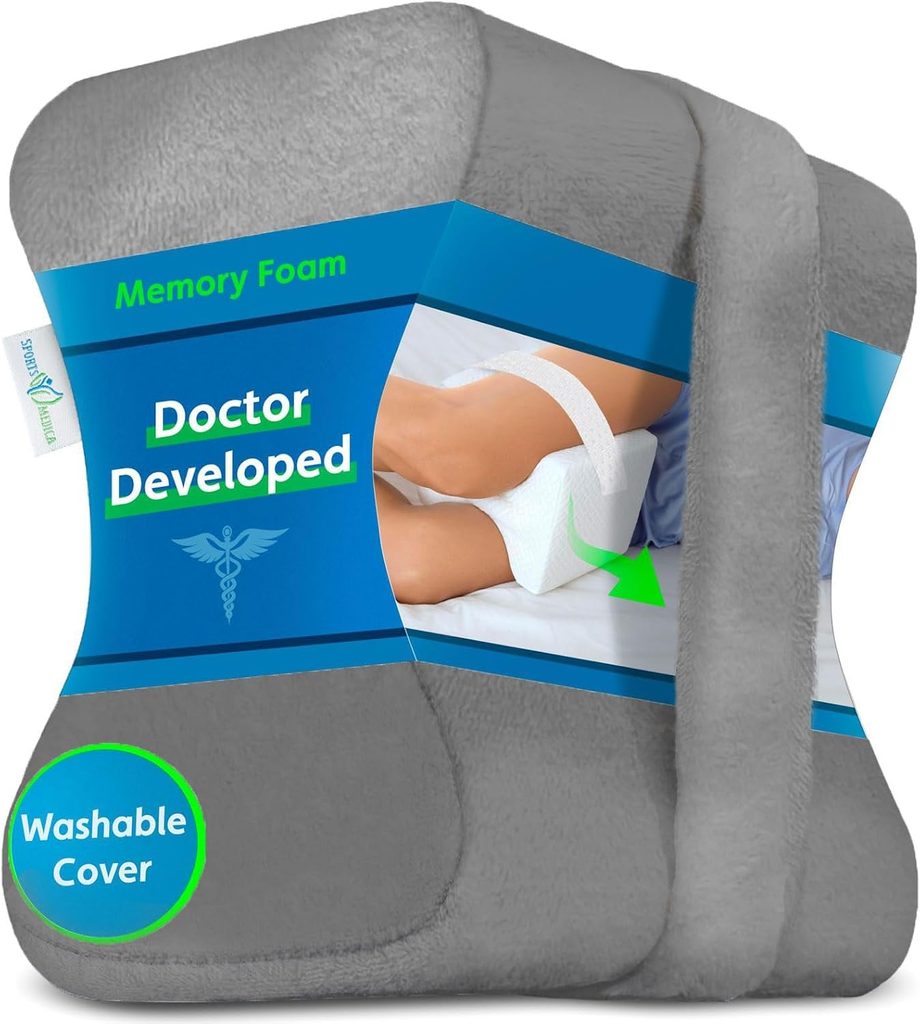
For side sleepers: A contoured knee pillow can make it easier to keep the legs comfortably separated during sleep. Choose one only if that position feels more comfortable for you.
8. Pace Activities to Reduce Back Pain Flare-Ups
One of the easiest ways to trigger back pain flare-ups is to do much more than usual on a day when you happen to feel good.
This can create a familiar pattern:
feel better → do too much → flare up → rest for several days → repeat
Pacing helps break that cycle.
Instead of trying to finish a large task all at once, divide it into shorter periods with planned breaks.
For example, if you are gardening, cleaning, or shopping, you might stop before you feel exhausted rather than waiting until your back is already protesting.
Aim for Consistency
Pacing does not mean avoiding activity.
The goal is to make your activity level more predictable so your body is not constantly moving between overdoing it and doing very little.
You may find it helpful to:
- alternate heavier and lighter tasks;
- spread chores across several days;
- sit for part of a task when practical;
- change position regularly; and
- increase activity gradually rather than suddenly.
Over time, this can help you stay active with fewer setbacks and make everyday routines more manageable.
9. Protect Bone Health and Reduce Fall Risk
For older adults, back pain prevention is not only about muscles and movement. Bone health matters too.
Osteoporosis can weaken the bones of the spine and increase the risk of vertebral compression fractures. These fractures can cause sudden or persistent back pain and may occur after relatively minor stress.
Protecting bone health may include:
- getting enough calcium and vitamin D;
- doing regular weight-bearing and resistance exercise;
- avoiding smoking;
- limiting excessive alcohol;
- reviewing medications that may affect bone health; and
- discussing bone-density testing when appropriate.
Your healthcare provider can help you decide whether osteoporosis screening or treatment is suitable for you.
Reduce Your Risk of Falls
Falls are another important source of back and spinal injury.
Simple fall-prevention steps may include:
- keeping walkways clear;
- improving lighting;
- using handrails on stairs;
- choosing stable footwear;
- addressing vision problems;
- reviewing medications that may cause dizziness; and
- practicing strength and balance exercises.
If your balance has become less reliable or you have already had a fall, it is worth discussing this with a healthcare professional.
Preventing falls protects more than your back. It also helps preserve mobility, independence, and confidence.
10. Avoid Smoking
Smoking affects more than the lungs and heart. It is also associated with a higher risk of low back pain and poorer overall musculoskeletal health.
For older adults, avoiding tobacco can support:
- circulation;
- bone health;
- healing;
- cardiovascular fitness; and
- overall physical function.
If you already smoke, quitting can still benefit your health at any age.
You do not need to manage this alone. A doctor or pharmacist can help you explore smoking-cessation options that fit your health history and medications.
For back pain prevention, avoiding tobacco is best viewed as one part of supporting the overall health of your bones, muscles, and cardiovascular system.
11. Support Sleep, Stress Management and Overall Wellbeing
Poor sleep and ongoing stress can make recurring pain harder to manage.
When you are tired, tense, or worried about another flare-up, everyday movement may feel more difficult. You may also become less active, which can gradually affect strength and confidence.
Helpful habits may include:
- keeping regular sleep and waking times;
- using a calming bedtime routine;
- staying socially connected;
- making time for enjoyable activities;
- using relaxation or breathing techniques; and
- addressing persistent anxiety, low mood, or sleep problems.
These steps do not mean that back pain is psychological.
They simply recognize that pain, sleep, stress, mood, and physical activity can influence one another.
Supporting your overall wellbeing can make it easier to stay active and consistent with the habits that contribute to lower back pain prevention.
12. Act Early When Pain or Mobility Starts Changing
Back pain prevention is not only about avoiding the first episode. It can also mean responding early when something starts to change.
If you notice that you are:
- walking less because of discomfort;
- becoming weaker or less steady;
- avoiding activities you normally enjoy;
- having more frequent flare-ups;
- waking regularly because of back pain; or
- relying more heavily on pain medication,
it may be worth reviewing your routine before the problem becomes more limiting.
Sometimes a small adjustment in activity, exercise, sleep, or daily habits is enough to help.
At other times, changing symptoms may need professional assessment.
Seek medical advice promptly if back pain is accompanied by new weakness, numbness, bowel or bladder changes, fever, unexplained weight loss, or significant pain after a fall or injury.
The goal is not to become anxious about every ache.
It is to notice meaningful changes early and respond before they have a larger effect on your mobility and independence.
Good back pain prevention is ultimately about staying active, capable, and confident for as long as possible.
Conclusion: Make Back Pain Prevention Part of Everyday Life
Back pain cannot always be prevented, especially when conditions such as arthritis, osteoporosis, or previous injuries are involved.
But back pain prevention can still reduce avoidable strain, support mobility, and help make recurring flare-ups less disruptive.
You do not need a perfect posture, complicated exercise routine, or expensive equipment. Staying active, maintaining strength and balance, pacing demanding activities, sleeping comfortably, and responding early when something changes can all make a difference.
Start with one or two habits that fit easily into your routine and build from there.
The goal is not to protect your back from every movement. It is to keep your body strong, adaptable, and confident enough to continue doing the activities that matter to you.
FAQs About Back Pain Prevention
What is the best way to prevent back pain?
Regular physical activity, strength and balance exercises, changing positions frequently, safer lifting habits, good sleep, and maintaining overall health can all help reduce the risk of recurring back pain and flare-ups.
Can you completely prevent lower back pain?
No strategy can guarantee that you will never experience lower back pain. Age-related changes, injuries, arthritis, osteoporosis, and other health conditions can still contribute, but healthy habits may reduce avoidable strain and recurring episodes.
How can I prevent back pain when sleeping?
Choose a comfortable sleeping position and supportive mattress. Side sleepers may find a pillow between the knees helpful, while back sleepers may prefer support beneath the knees. Comfort is more important than forcing one “perfect” position.
Can exercise help prevent back pain flare-ups?
Yes. Regular activity and appropriate strength, balance, and mobility exercises can help maintain physical capacity. Start gradually and avoid sudden increases in activity, particularly if you have been inactive or already experience recurring back pain.
When should recurring back pain be checked by a doctor?
Seek medical advice if back pain is becoming more frequent or severe, limiting mobility, or accompanied by weakness, numbness, bowel or bladder changes, fever, unexplained weight loss, or significant pain after a fall or injury.
References
WHO (2023). WHO releases guidelines on chronic low back pain. https://www.who.int/news/item/07-12-2023-who-releases-guidelines-on-chronic-low-back-pain
National Institute of Arthritis and Musculoskeletal and Skin Disease (NIH). Back Pain https://www.niams.nih.gov/health-topics/back-pain
















Great information. Thanks for sharing these.
Thanks for the read! Delighted that you found value in the article