

Chronic back pain can make ordinary activities—walking, cooking, gardening, sleeping, or simply getting out of a chair—feel more difficult than they used to.
But managing chronic back pain does not necessarily mean finding one treatment that makes every ache disappear. A more realistic goal is to reduce the effect pain has on your daily life so you can move more comfortably, stay active, sleep better, and continue doing the things that matter to you.
For many people, successful chronic back pain management involves several approaches working together. Movement, exercise, physical therapy, comfortable positioning, good sleep, appropriate pain relief, and learning how to handle flare-ups can all play a part.
The right combination will depend on your health, abilities, and the reason your pain has persisted.
If you are still wondering why your back continues to hurt, start with our guide to the causes of chronic lower back pain. Understanding possible contributors can make it easier to choose appropriate ways to manage them.
The nine strategies below focus on practical steps that can make living with chronic back pain easier.
Disclosure: As an Amazon Associate, this site earns from qualifying purchases. Some links in this article may lead to Amazon products, and if you buy through them the site may earn a small commission at no extra cost to you.
What Does Managing Chronic Back Pain Really Mean?
When pain has lasted for months, management becomes about more than getting through a bad day.
The aim is to improve comfort, movement, confidence, and everyday function while reducing the disruption pain causes for back pain in seniors.
Current guidance supports using a combination of approaches rather than relying on one treatment alone. Depending on the individual, chronic back pain management may include education and self-care, appropriate exercise, physical therapy, psychological support, and medication when suitable.
This is particularly important for older adults because health conditions, mobility, medications, strength, and personal goals can vary considerably from one person to another.
A useful management plan may help you:
- move more comfortably;
- maintain or rebuild strength;
- manage flare-ups more confidently;
- sleep better;
- remain involved in everyday activities; and
- reduce the amount of attention pain demands from your day.
You do not necessarily have to become completely pain-free before life begins to improve.
Sometimes progress means walking a little farther, needing fewer rest breaks, sleeping through more of the night, or returning to an activity you had stopped doing.
Small improvements can add up.

1. Keep Moving Without Overdoing It
When your back hurts, resting may seem like the safest option. A short period of reduced activity can sometimes be helpful during a flare-up, but spending too much time inactive can make it harder to regain normal movement.
For many people, managing low back pain includes continuing everyday activities as much as their symptoms comfortably allow.
That might mean:
- taking short walks;
- doing light household activities;
- changing position regularly;
- breaking larger jobs into smaller tasks; or
- gradually returning to hobbies and activities you enjoy.
The key word is gradually.
You do not have to push through severe pain to make progress. Instead, try finding an amount of activity you can manage reasonably well and build from there. This is the key to back pain prevention.
Try Pacing Instead of Doing Everything at Once
A common pattern is to feel better, tackle several neglected jobs in one day, and then spend the next day recovering from a flare-up.
Pacing can help break that cycle.
For example, instead of gardening for an hour, you might work for 15 or 20 minutes, change position, take a break, and return later if you still feel comfortable.
The goal is not to avoid activity. It is to make activity more manageable and consistent.
Over time, that consistency can help you maintain mobility and confidence without repeatedly pushing your body beyond what it is ready to handle.
2. Build Strength and Mobility Gradually
Regular exercise is one of the approaches recommended for people with chronic low back pain, including older adults.
That does not mean you need strenuous workouts. Gentle lower back exercises for seniors are recommended.
A suitable program may include a combination of:
- gentle strengthening;
- walking or other aerobic activity;
- flexibility and mobility exercises;
- balance exercises; and
- activities that improve general endurance.
Living with chronic back pain becomes more manageable by strengthening the muscles that support your trunk, hips, and legs can make everyday activities such as standing, climbing stairs, carrying groceries, and getting out of a chair easier.
Mobility exercises can also help you remain comfortable through the range of movement you use during daily life.
LOWER BACK PAIN RELIEF EXERCISES THAT WORK on You TUBE
Choose Exercise That Fits Your Abilities
There is no single exercise program that is best for everyone with chronic back pain.
Age, balance, arthritis, osteoporosis, previous injuries, heart health, and current fitness can all affect what is appropriate.
Start at a level you can manage and increase gradually rather than trying to make up for months of reduced activity in a few days.
Consistency matters more than intensity.
If pain has made you afraid to move, your mobility has declined significantly, or you are unsure which exercises are appropriate, professional guidance can help. That brings us to the next strategy: physical therapy for chronic back pain.
3. Consider Physical Therapy for Chronic Back Pain
If chronic back pain has affected the way you walk, bend, lift, or carry out everyday activities, physical therapy may help you become more comfortable and confident with movement.
A physiotherapist can assess your strength, flexibility, balance, walking pattern, and the movements that are particularly difficult for you.
Your program may include:
- strengthening exercises;
- gentle mobility work;
- walking or other aerobic activity;
- balance exercises;
- advice about pacing activities; and
- ways to make everyday movements easier.
The goal is not necessarily to “correct” every age-related change in your spine. Many changes seen on scans are common as people get older and do not always explain how much pain someone feels.
Instead, physical therapy usually focuses on improving function and gradually increasing what you are able to do.
When Professional Guidance May Be Especially Helpful
Consider asking for professional guidance if you have become much less active because of pain, are worried about falling, have difficulty knowing which exercises are safe, or have other conditions such as osteoporosis or arthritis that may affect your exercise choices.
A personalized program can also help if previous attempts at exercise caused flare-ups or left you unsure about how much activity was appropriate.
Physical therapy works best when the strategies you learn can become part of everyday life rather than something you do only during appointments.
4. Manage Flare-Ups With Simple Comfort Measures
Even when chronic back pain is generally well managed, flare-ups can still happen.
You may notice more discomfort after an unusually active day, a long car journey, too much sitting or standing, poor sleep, or sometimes for no obvious reason at all.
A flare-up does not automatically mean that you have damaged your back again.
Heat or Cold May Provide Short-Term Comfort
Some people find a heating pad, warm shower, or heat pack soothing when the back feels stiff or achy.
Others prefer a cold pack, particularly after an activity that has irritated their symptoms.
Neither approach treats the underlying cause of chronic pain, but either may provide temporary comfort.
Protect your skin by wrapping hot or cold packs rather than placing them directly against it. Older adults with reduced skin sensation or circulation problems should be particularly careful with extreme temperatures.
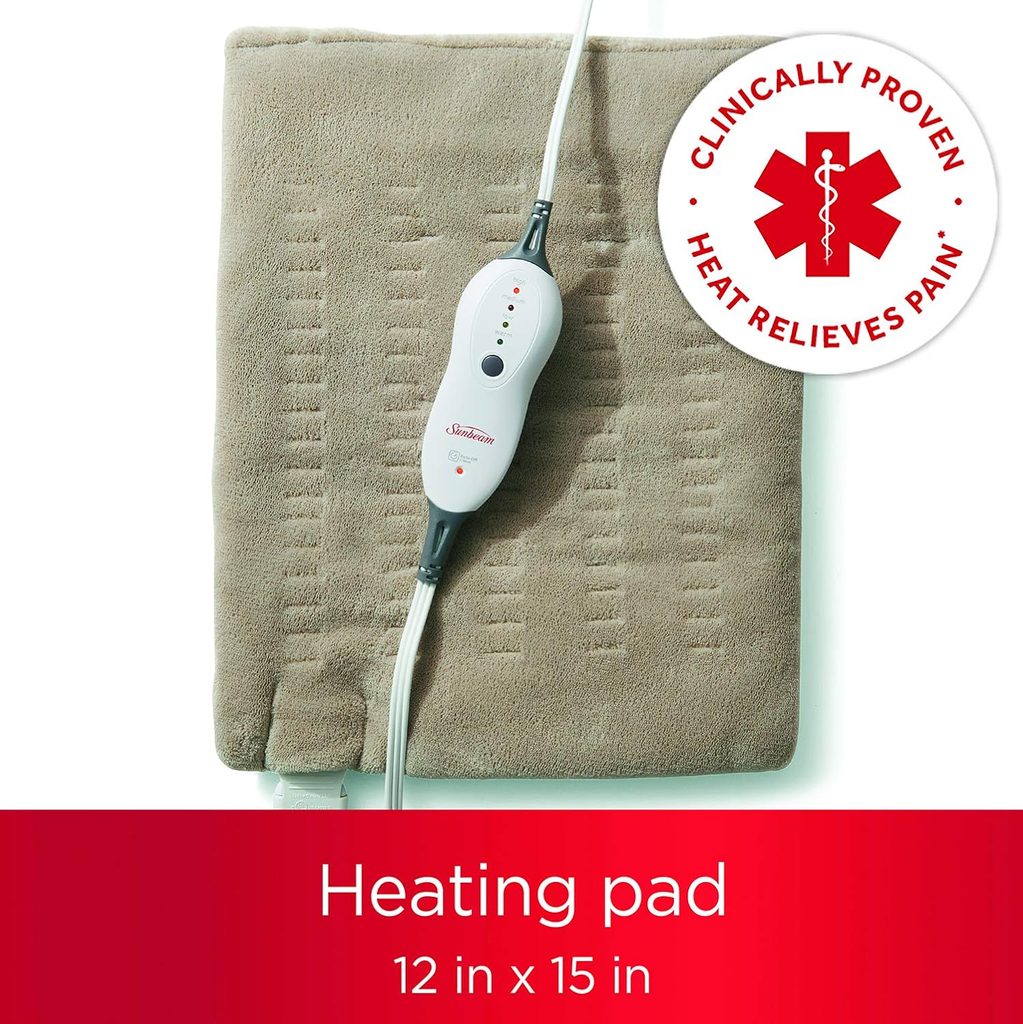
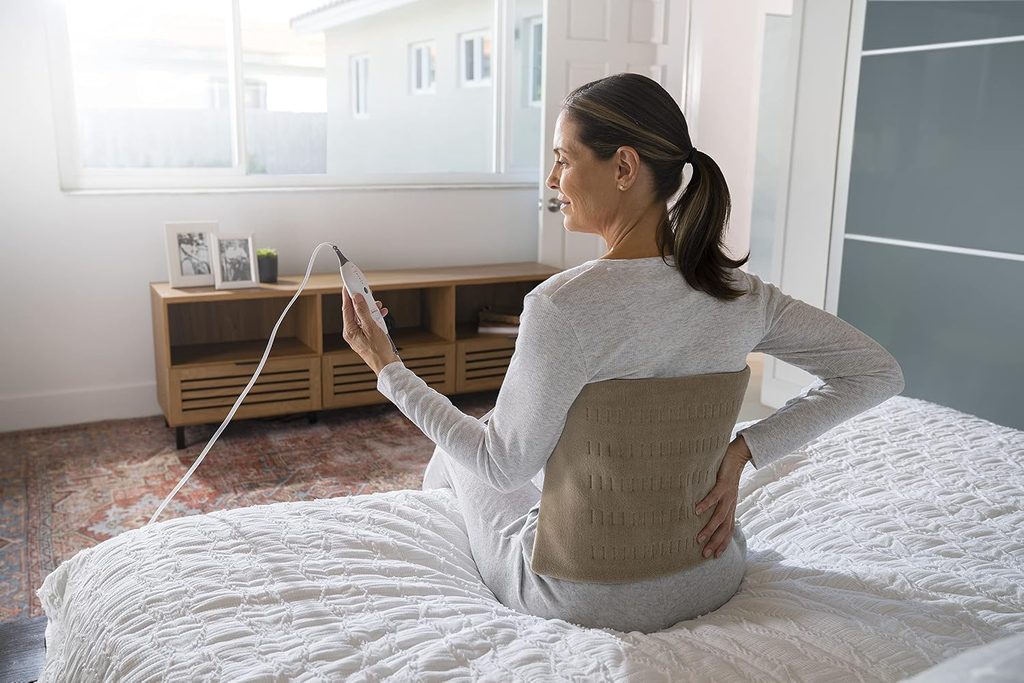
SUNBEAM Premium Standard Size Heating Pad
Modify Activity Rather Than Stopping Completely
During a flare-up, you may need to temporarily reduce or change certain activities. That does not necessarily mean complete bed rest.
Short walks, gentle movement, changing position regularly, and breaking tasks into smaller pieces may be easier than remaining still for long periods.
As symptoms settle, gradually return to your usual activities.
If a flare-up feels very different from your normal pattern, becomes progressively worse, or comes with new weakness, numbness, bowel or bladder changes, fever, or other concerning symptoms, seek medical advice rather than assuming it is a routine episode.
5. Use Pain Medications Carefully
Medication can be one part of chronic back pain management, but it should not automatically become the only strategy.
This is particularly important for older adults, who are more likely to take several medications or have health conditions that affect which pain relievers are suitable.
Over-the-Counter Does Not Always Mean Risk-Free
Non-steroidal anti-inflammatory drugs, or NSAIDs, include medicines such as ibuprofen and naproxen.
They may help some people with low back pain, but they can also cause problems involving the stomach, kidneys, heart, blood pressure, or interactions with other medicines. Age and existing health conditions can increase some of these risks.
For that reason, it is sensible to check with a doctor or pharmacist before using an NSAID regularly, particularly if you have kidney disease, heart problems, high blood pressure, a history of stomach ulcers or bleeding, or take blood thinners.
Be Cautious With Long-Term Pain Medication
Prescription medicines are sometimes considered when pain is difficult to manage, but stronger does not necessarily mean better for chronic back pain.
For example, opioid pain medicines carry risks that include sedation, constipation, falls, dependence, and overdose. Current guidelines do not recommend routinely using opioids to manage chronic low back pain.
If you already take prescription pain medication, do not suddenly stop or change the dose without discussing it with the prescribing healthcare professional.
Review Medication as Part of the Bigger Plan
If you regularly need medication just to get through the day, that is worth discussing with your healthcare provider.
A medication review can help determine whether your current treatment is still appropriate, whether side effects or interactions are a concern, and whether other approaches could reduce your reliance on medication.
The aim when you treat chronic back pain is not simply to suppress symptoms. Medication, when appropriate, works best as one part of a broader plan that also considers movement, strength, sleep, daily activity, and overall health.
6. Make Sitting and Sleeping More Comfortable
When you live with chronic back pain, small changes to the way you sit, rest, and sleep can make everyday life more comfortable.
The goal is not to find one “perfect” posture and hold it all day. In fact, staying in the same position for too long may be more uncomfortable than changing positions regularly.
When sitting, try to:
- keep your feet supported;
- choose a chair that feels stable and comfortable;
- avoid sitting for very long periods without moving;
- stand, stretch, or walk briefly when you can; and
- use cushions or lumbar support if they genuinely improve comfort.
A supportive chair cushion for older adults or a comfortable recliner for back pain may make prolonged sitting easier for some people. These products do not treat the underlying cause of chronic pain, but they may help you sit more comfortably.
Make Sleep Positioning Work for You
There is no single best sleeping position for everyone with back pain.
Some people are more comfortable lying on their side with a knee pillow between the knees. Others prefer sleeping on their back with support beneath the knees.
Your mattress should feel supportive and comfortable rather than forcing your body into a particular position.
If your current mattress or pillow repeatedly leaves you stiff or uncomfortable in the morning, it may be worth considering whether your sleep setup is contributing to the problem.
Comfort matters—but remember that changing a chair, mattress, or pillow is usually one small part of managing chronic back pain, not a complete treatment.
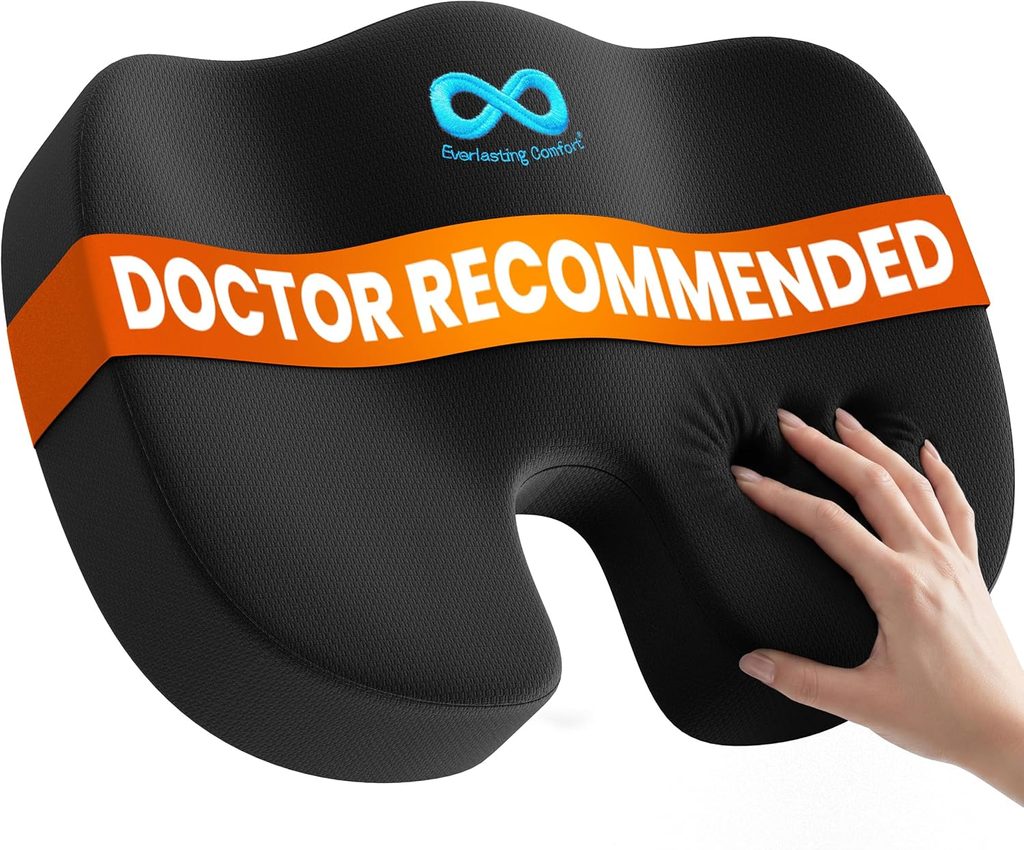
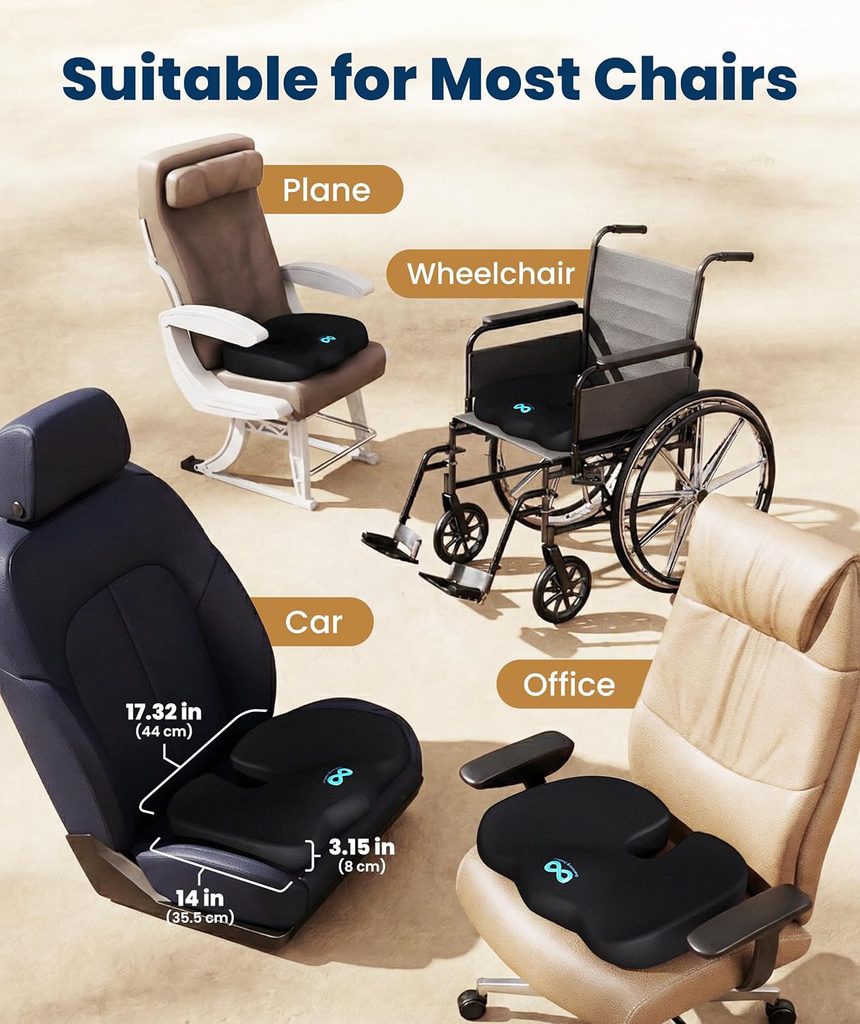
Everlasting Comfort Doctor Recommended Memory Foam Seat Cushion
7. Improve Sleep and Reduce the Stress–Pain Cycle
Chronic pain and poor sleep often affect each other.
Pain can make it harder to fall asleep or stay asleep. Then a poor night’s sleep can leave you tired, less active, more irritable, and sometimes more sensitive to pain the following day.
That does not mean the pain is “all in your head.” Sleep, stress, mood, physical activity, and the nervous system can all influence how strongly persistent pain is experienced.
Simple sleep habits may help:
- keep fairly regular sleep and waking times;
- create a relaxing routine before bed;
- limit long periods of inactivity during the day;
- keep the bedroom comfortable and quiet; and
- discuss persistent sleep problems with a healthcare professional.
Stress Management Can Be Part of Pain Management
Living with pain for months or years can be frustrating. Some people begin worrying about movement, avoiding activities, or feeling discouraged when another flare-up occurs.
Relaxation exercises, mindfulness, breathing techniques, enjoyable activities, and staying socially connected may help reduce some of that strain.
Cognitive behavioural therapy, often called CBT, can also help some people develop practical ways to respond to persistent pain, fear of movement, stress, and disrupted daily routines.
Using psychological strategies does not mean the pain is imaginary.
They are simply another tool that can be combined with exercise, movement, and other treatments to make chronic back pain management more manageable.
8. Consider Complementary Therapies Carefully
Massage, spinal manipulation, acupuncture, and other complementary treatments are often promoted for relief from chronic back pain.
Some may provide short-term relief for certain people, but they are usually best considered part of a broader management plan rather than a replacement for staying active and rebuilding function.
Massage and Manual Therapy
Massage may temporarily reduce muscle tension and help some people feel more comfortable.
Manual therapy can also include joint mobilisation or spinal manipulation performed by an appropriately trained professional.
Current guidance supports some of these approaches when they are used alongside active strategies such as exercise rather than as stand-alone treatments.
What About Acupuncture?
The evidence and recommendations for acupuncture are not identical across major guidelines.
The World Health Organization says needling therapies such as acupuncture may be offered as part of care for chronic primary low back pain, although the certainty of the evidence is limited. NICE guidance in the United Kingdom does not recommend routinely offering acupuncture for low back pain.
If you are interested in acupuncture, discuss whether it is appropriate for your health situation and choose a properly qualified practitioner.
Be Wary of Treatments That Promise a Quick Fix
A treatment does not become effective simply because it is labelled “natural,” “drug-free,” or “alternative.”
For example, therapies such as traction and TENS devices are commonly marketed for back pain, but major clinical guidelines do not recommend routinely using them for chronic low back pain.
This does not mean every complementary approach is useless. It means it is worth asking:
- What evidence supports it?
- Are there risks for someone my age or with my health conditions?
- Will it help me become more active and functional?
- Is it meant to complement—or replace—proven approaches?
For a closer look at these options, see our guides to alternative treatments for chronic back pain and natural remedies for chronic back pain.
9. Know When You Need More Specialized Treatment
Most chronic back pain is managed without surgery or invasive procedures. But if pain continues to interfere with walking, sleep, independence, or daily activities despite a well-planned conservative approach, it may be time to discuss other options with your healthcare provider.
A specialist assessment may be appropriate when:
- pain remains severe or disabling;
- symptoms continue to worsen;
- there is persistent leg pain, numbness, or weakness;
- walking becomes increasingly difficult;
- the cause of the pain is still unclear; or
- treatment has not improved your ability to function.
Depending on the underlying problem, specialized care may include additional assessment, pain-management services, targeted procedures, or a surgical opinion.
These treatments are not appropriate for everyone.
For example, spinal injections are not routinely recommended for ordinary chronic low back pain. Certain procedures may be considered only when a specific pain source or condition has been identified.
Surgery is generally reserved for selected problems—such as significant nerve compression or another structural condition—when symptoms and test results support that approach.
If you are trying to treat chronic back pain that has not improved, the next step is usually not to search for a stronger treatment on your own. It is to reassess the likely cause and decide whether your current management plan needs to change.
If you are unsure why your symptoms continue, our guide to the causes of chronic lower back pain explains many of the conditions and other factors that can contribute to persistent pain.
Supportive Products for Chronic Back Pain: What Can Help?
Products cannot correct most causes of chronic back pain, but some can make sitting, resting, sleeping, or carrying out daily activities more comfortable.
Useful options may include:
- supportive chair cushions that improve comfort during sitting;
- recliners that allow you to change position and support the back and legs;
- mattresses that feel comfortable and supportive for your preferred sleeping position;
- knee pillows or positioning pillows that make side or back sleeping more comfortable; and
- heat or cold products for short-term symptom relief during flare-ups.
The most useful product is usually one that solves a specific comfort problem rather than one that promises to “fix” chronic back pain.
For example, if sitting is your biggest challenge, a comfortable chair cushion for older adults or supportive recliner for back pain may be more relevant than buying multiple pain-relief gadgets.
What About Back Braces?
A back brace may seem like an obvious solution, but braces and lumbar supports are not recommended as routine treatment for chronic primary low back pain.
In some individual situations, a healthcare professional may still recommend temporary support for a specific reason. However, relying on a brace for everyday chronic pain should not replace movement, strengthening, and other active approaches.
If you are considering one, our guide to back braces for lower back pain relief can help you understand the different types and when extra support may—or may not—make sense.
Think of supportive products as comfort tools, not cures. The foundation of managing chronic back pain is still a plan that helps you remain active, maintain strength, manage flare-ups, and protect your independence.
Managing Chronic Back Pain One Step at a Time
Managing chronic back pain is rarely about finding one perfect treatment. For most people, progress comes from combining manageable changes—staying active, rebuilding strength, improving sleep, handling flare-ups, and using medications or other treatments appropriately.
The same is true of chronic lower back pain management. What helps one person may not be the best approach for another, especially when health conditions, mobility, and the causes of pain differ.
Focus on improvements that make everyday life easier: walking farther, sleeping better, returning to activities you enjoy, or feeling more confident about movement.
And if your symptoms change or continue to limit your independence, have them reassessed rather than simply accepting worsening pain as part of aging.
The next step is learning how to prevent chronic back pain and reduce the chances of avoidable flare-ups.
FAQs About Managing Chronic Back Pain
What is the best way to manage chronic back pain?
The best approach usually combines several strategies, such as staying active, building strength, improving sleep, using medication carefully, and addressing flare-ups. The right combination depends on your health, symptoms, and what helps you function better.
Can chronic back pain improve after years?
Yes. Even when back pain has lasted for years, people may still improve their strength, mobility, sleep, confidence, and ability to manage daily activities. Progress does not always mean becoming completely pain-free.
Should you keep exercising with chronic back pain?
In many cases, gentle and gradual activity is helpful. The goal is to stay active without repeatedly pushing beyond your limits. If pain is severe, worsening, or accompanied by new neurological symptoms, seek medical advice first.
What helps relieve chronic back pain at home?
Simple measures may include gentle movement, heat or cold, pacing activities, supportive seating, comfortable sleep positioning, and following an appropriate exercise plan. Home strategies usually work best as part of a broader management approach.
When should chronic back pain be treated by a specialist?
Specialist assessment may be appropriate if pain remains severe, continues to worsen, affects walking or independence, causes persistent leg weakness or numbness, or does not improve despite a well-planned conservative treatment approach.
References
John Hopkins Medicine (2023) 7 Ways to Treat Chronic Back Pain Without Surgery https://www.hopkinsmedicine.org/health/conditions-and-diseases/back-pain/7-ways-to-treat-chronic-back-pain-without-surgery