

Lower back pain can make everyday activities such as walking, standing from a chair, gardening, or getting dressed more difficult. But becoming less active is not always the answer.
Appropriate lower back exercises for seniors can help maintain strength, mobility, balance, and confidence in movement. Exercise may also make it easier to continue the daily activities that support independence.
There is no single best exercise for lower back pain for seniors, because the right movement depends on your health, mobility, and the cause of your symptoms
The 12 exercises below begin with simple seated movements and gradually introduce more challenging strengthening and mobility exercises. You do not need to perform all 12 in one session.
Start with a few that feel comfortable, move slowly, and build gradually.
If you already live with persistent pain, these exercises can complement—but not replace—a broader plan for managing chronic back pain.
Disclosure: As an Amazon Associate, this site earns from qualifying purchases. Some links in this article may lead to Amazon products, and if you buy through them the site may earn a small commission at no extra cost to you.
Before Trying Lower Back Exercises for Seniors
For back pain in seniors, most people are encouraged to stay active, but the right exercise depends on your causes of chronic lower back pain, your health, and your current level of mobility.
Before beginning, choose a stable surface and wear comfortable clothing and supportive footwear. If an exercise requires standing, keep a sturdy chair, countertop, or railing nearby if you need extra balance support.
When choosing exercises for chronic low back pain, start with movements you can control comfortably and progress gradually.
Start with a small number of repetitions. You can add more as the movement becomes easier.
Stop and Get Medical Advice When Symptoms Change
Do not try to exercise through new or rapidly worsening symptoms (refer to the Exercises to avoid for lower back pain section below).
A little muscular effort or mild stiffness can occur when you begin exercising. Sharp, shooting, or rapidly increasing pain is a reason to stop and reassess the movement.
If you have osteoporosis, a previous vertebral fracture, significant balance problems, or another condition that affects safe movement, ask a healthcare professional or physiotherapist whether any exercises should be modified.
The Royal Osteoporosis Society specifically notes that forward bending is a normal movement, but some people with osteoporosis may need to modify uncontrolled, repeated, end-range or loaded spinal flexion, especially where fracture risk is relevant.
This does not mean your back is fragile. It simply means that the safest exercise program is one that matches your body and your health.
12 Best Lower Back Exercises for Seniors
You can perform several of these lower back strengthening exercises for seniors, especially those that target the hips, legs and trunk at home.
The first few movements are particularly useful as gentle exercises for lower back pain as they require little equipment, and can be adapted easily
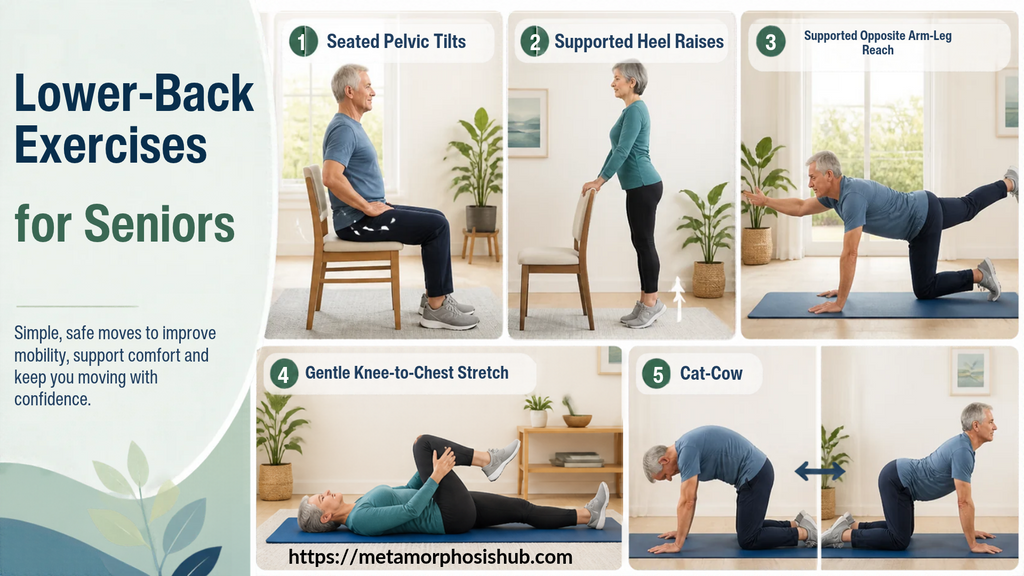
1. Seated Pelvic Tilts
Seated pelvic tilts provide gentle movement through the pelvis and lower back without requiring you to lie on the floor.
How to do it:
- Sit toward the middle of a sturdy chair with your feet flat on the floor.
- Rest your hands on your thighs.
- Slowly roll your pelvis backward slightly, allowing your lower back to gently flatten.
- Then roll your pelvis forward slightly so the natural curve returns.
- Move between the two positions slowly and comfortably.
Start with 5 to 8 repetitions.
Keep the movement small. You are not trying to force your back into a deep arch or slouch.
This is one of the easiest gentle exercises for lower back pain to use after sitting for a while or when your back feels stiff.
2. Seated Marching
Seated marching works the hip and abdominal muscles while allowing you to remain supported by a chair.
Living with chronic back pain requires strengthening of the hips and legs. This can make everyday movements such as walking, climbing stairs, and getting out of a car easier.
How to do it:
- Sit upright in a sturdy chair without wheels.
- Place both feet flat on the floor.
- Slowly lift one foot a few inches from the floor.
- Lower it with control.
- Repeat with the other leg.
Begin with 5 to 10 lifts on each side.
Try not to lean far backward or sideways as you raise the leg. If lifting the knee high causes discomfort, simply lift the foot a smaller distance.
As your strength improves, you may be able to perform more repetitions while maintaining good control.
3. Sit-to-Stand
The sit-to-stand is one of the most practical lower back strengthening exercises for seniors because it trains the legs, hips, and trunk for a movement you use throughout the day.
How to do it:
- Sit toward the front of a firm chair with your feet comfortably apart.
- Lean forward slightly from the hips.
- Press through your feet and stand up.
- Pause once you are steady.
- Slowly lower yourself back into the chair.
Start with 3 to 5 repetitions.
Use the chair arms or place your hands on your thighs if you need assistance. As the exercise becomes easier, you may gradually rely less on your hands.
Avoid dropping quickly back into the chair. The controlled lowering portion is part of the exercise.
If you feel lightheaded when standing, pause and make sure you are steady before continuing.
4. Supported Heel Raises
Heel raises strengthen the calf muscles and provide a simple opportunity to practice balance while standing.
Although they do not directly exercise the lower back, stronger legs and better balance can support safer walking and everyday movement.
How to do it:
- Stand behind a sturdy chair or at a kitchen counter.
- Place your feet about hip-width apart.
- Hold the support lightly with both hands.
- Slowly lift your heels so you rise onto the balls of your feet.
- Pause briefly.
- Lower your heels slowly back to the floor.
Begin with 5 to 10 repetitions.
Keep your body upright rather than leaning forward. Use as much hand support as you need.
If balance is difficult, keep both hands firmly on the support and make the heel lift very small.
As you become stronger and steadier, gradually increase the number of repetitions rather than trying to rise higher.
5. Standing Hip Abduction
Standing hip abduction strengthens the muscles along the outside of the hips, which help with balance, walking, and pelvic stability.
How to do it:
- Stand behind a sturdy chair or beside a countertop.
- Hold on for support.
- Keep your body upright and your toes pointing forward.
- Slowly move one leg out to the side.
- Pause briefly, then return the foot to the floor.
- Repeat on the other side.
Start with 5 to 8 repetitions on each leg.
Keep the movement small and controlled. Avoid leaning your upper body sideways to lift the leg higher.
If balance is limited, use both hands for support.
This exercise should feel like gentle work in the hip muscles rather than strain in the lower back.
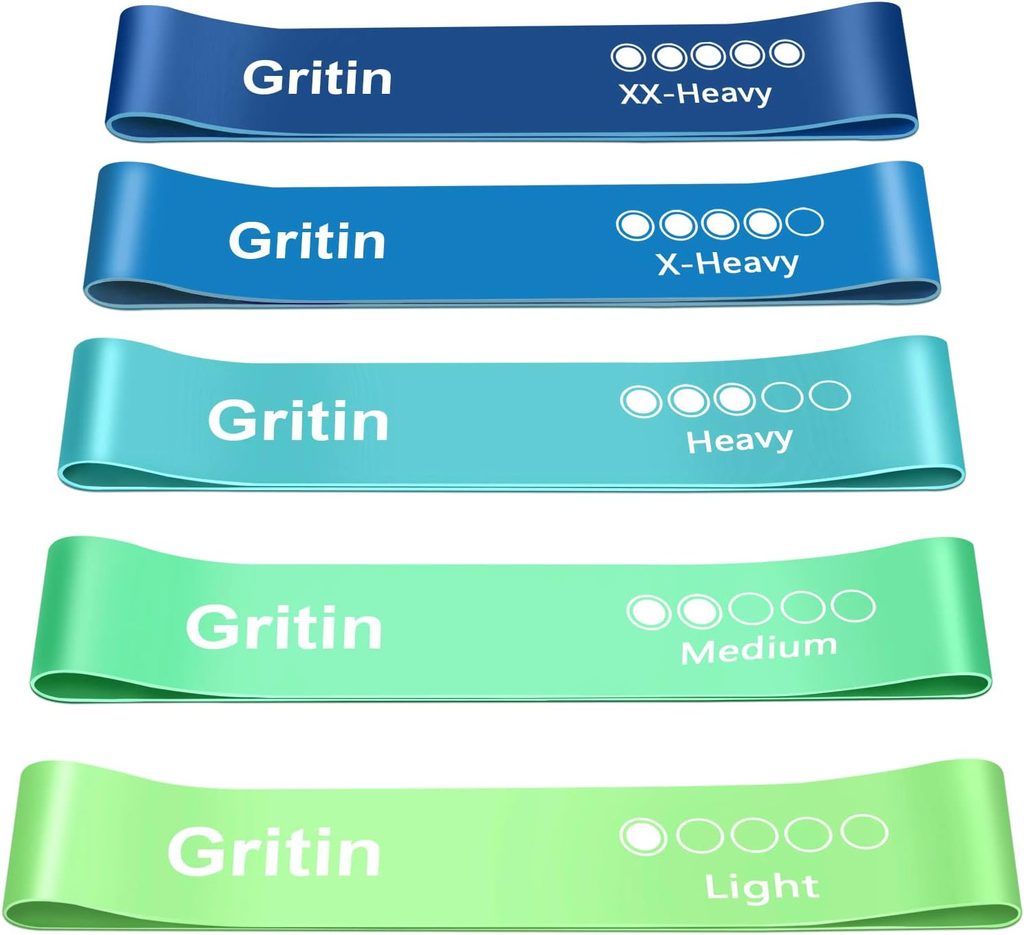
Resistance bands are not something beginners need immediately. Different resistance levels allow progression as strength improves.
6. Gentle Standing Back Extension
Some people feel comfortable with a small amount of backward movement after sitting or bending forward for long periods.
This exercise should remain gentle and pain-free.
How to do it:
- Stand with your feet about hip-width apart.
- Place your hands on your hips or lower back.
- Keep your knees relaxed.
- Slowly lean backward a small amount.
- Return to upright.
Repeat 3 to 5 times.
Do not force the movement or try to create a deep backbend.
This exercise may not suit everyone. Stop if it increases leg pain, numbness, tingling, dizziness, or discomfort in the lower back.
People with spinal stenosis, osteoporosis, balance problems, or other spinal conditions may need a different movement, so individual guidance can be helpful.
7. Supported Opposite Arm–Leg Reach
This exercise challenges trunk control, balance, and coordination without requiring you to get onto your hands and knees.
It is a senior-friendly alternative to a traditional bird-dog exercise.
How to do it:
- Stand behind a sturdy chair or countertop.
- Hold the support with one hand.
- Gently extend the opposite leg slightly behind you.
- If you feel steady, reach the free arm forward.
- Hold briefly, then return to the starting position.
- Repeat on the other side.
Start with 3 to 5 repetitions per side.
The leg does not need to lift high. Focus on staying tall and controlled.
If coordinating the arm and leg feels difficult, begin with the leg movement only.
As your balance improves, you can gradually add the arm reach.
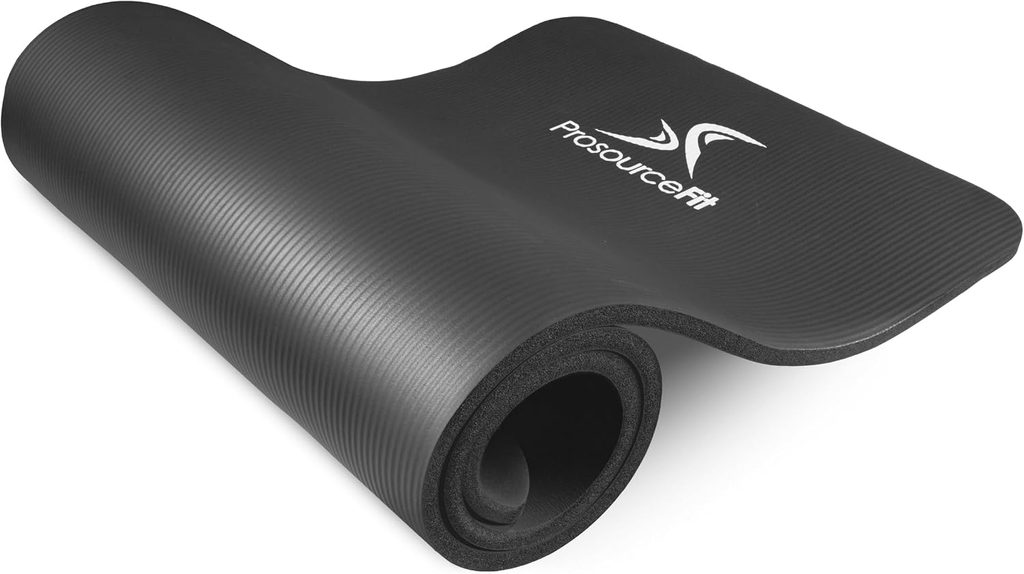
A padded mat makes the bridge, knee-to-chest and cat-cow exercises more comfortable than exercising directly on a hard floor.
8. Glute Bridge
The glute bridge strengthens the buttock and hip muscles, which help support walking, standing, and other everyday movements.
It does require getting onto the floor or a firm bed, so skip it if getting down or back up is difficult.
How to do it:
- Lie on your back with your knees bent and feet flat.
- Keep your feet about hip-width apart.
- Gently tighten your abdominal and buttock muscles.
- Slowly lift your hips a few inches.
- Pause briefly.
- Lower yourself back down with control.
Begin with 5 repetitions.
You do not need to lift high. A small, comfortable movement is enough.
Avoid arching your lower back at the top of the exercise.
If bridging causes back pain, leg symptoms, or cramping, stop and try a simpler exercise instead.
For people who cannot comfortably get onto the floor, sit-to-stand and standing hip exercises can provide similar strengthening benefits in a more accessible position.
9. Gentle Knee-to-Chest Stretch
A gentle knee-to-chest stretch may help some people loosen the lower back and hips.
How to do it:
- Lie on your back with both knees bent and feet flat.
- Bring one knee slowly toward your chest.
- Hold behind the thigh or around the shin, whichever feels more comfortable.
- Hold for a few seconds.
- Lower the leg and repeat on the other side.
Start with 3 to 5 repetitions per side.
Do not pull the knee forcefully toward your chest.
If the movement increases leg pain, tingling, numbness, or pressure in the lower back, stop and choose a different exercise.
People with osteoporosis or previous spinal fractures may need modifications to forward-bending movements, so individual guidance can be helpful.
10. Cat-Cow With a Comfortable Range
Cat-cow provides gentle movement through the spine and can help reduce stiffness for some people.
It does require getting onto your hands and knees, so use a padded surface and skip it if kneeling or getting down to the floor is difficult.
How to do it:
- Begin on your hands and knees.
- Keep your hands beneath your shoulders and knees beneath your hips.
- Slowly round your back upward as far as feels comfortable.
- Then gently return through neutral and allow a small downward curve.
- Continue moving slowly between the two positions.
Begin with 5 repetitions.
Movement should remain smooth and controlled rather than exaggerated.
If rounding or arching the spine feels uncomfortable, reduce the range. Those with osteoporosis or a history of vertebral fractures should avoid forcing the spine into end-range bending. They may prefer a supported standing or seated mobility exercise instead.
11. Short Walking Intervals
Walking is one of the simplest ways to stay active when you have recurring low back pain and is helpful with back pain prevention.
You do not need to begin with a long walk. Start with an amount you can manage comfortably—even 5 minutes may be enough at first.
Try to:
- walk at a comfortable pace;
- use a cane or walking aid if recommended;
- choose a level, familiar surface;
- wear stable footwear; and
- increase time gradually rather than suddenly.
If one long walk is difficult, several shorter walks spread throughout the day may be easier.
Walking helps maintain general fitness, leg strength, confidence, and everyday mobility. It may be easier to continue consistently than a complicated exercise routine.
If walking repeatedly causes increasing leg pain, numbness, weakness, or other neurological symptoms, have the pattern assessed rather than simply pushing farther.
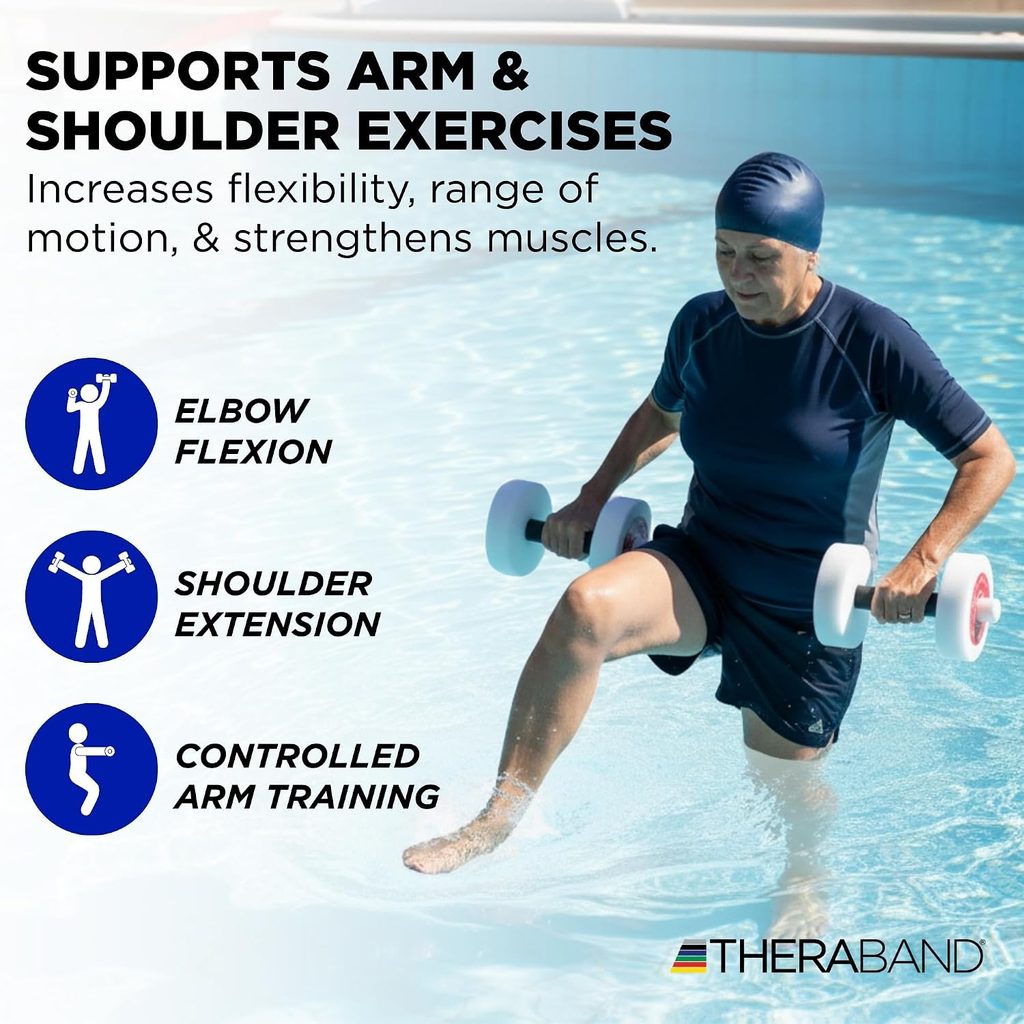
12. Water Walking or Gentle Pool Exercise
Water exercise can be a useful option when exercising on land feels uncomfortable because buoyancy of the water reduces the amount of body weight you need to support while still allowing your muscles to work.
Options may include:
- walking forward through waist- or chest-deep water;
- gentle sideways walking;
- small leg movements while holding the pool edge; or
- a supervised aquatic exercise class.
Begin slowly and keep movements controlled.
A warm pool may also feel comfortable for stiff muscles, but the main benefit is that water allows many people to move with less impact.
Pool exercise is not suitable for everyone. Use extra caution if you have balance problems getting in or out of the pool, open wounds, certain heart conditions, or other medical concerns.
For many older adults, water walking can be an enjoyable way to add movement without making every session feel like formal exercise.
The last four exercises fit well with current authority guidance. The NHS includes knee-to-chest and cat-cow-style movements among common back exercises, but advise people to stop if symptoms worsen (Berkshire Healthcare).
The WHO similarly recommends exercise programs for chronic low-back pain and emphasizes adapting activity to the person’s abilities and health.
Exercises to Avoid for Lower Back Pain—or Modify Carefully
There is no universal list of exercises that everyone with lower back pain must avoid.
A movement that feels comfortable for one person may aggravate symptoms for another, and conditions such as osteoporosis, spinal stenosis, arthritis, balance problems, or previous fractures may require different modifications.
The goal is to adjust exercises when necessary rather than become afraid of movement.
Be Careful With Deep or Repeated Forward Bending
Forward bending is part of everyday life, but repeated, forceful, or heavily loaded bending may need modification—especially for people with osteoporosis or previous spinal fractures.
Exercises such as deep toe touches, repeated sit-ups, or loaded bending with a rounded back may place unnecessary stress on the spine.
A controlled hip hinge, where you bend from the hips while keeping the movement comfortable, may be a better option.
Avoid Forcing Twisting Movements
Gentle rotation can be appropriate for some people, but aggressive twisting or trying to push farther into a stretch is unnecessary.
Keep movements slow and within a comfortable range.
Modify High-Impact Exercise When Needed
Running, jumping, and other high-impact activities are not automatically unsafe, but they may be unsuitable for someone with poor balance, recent injury, osteoporosis with fractures, or limited conditioning.
Walking, water exercise, or other lower-impact activities may be better starting points.
Progress Resistance Exercises Gradually
Strength training can be beneficial, but begin with a manageable resistance and good technique rather than lifting as heavily as possible.
Reduce the load or change the movement if you feel uncontrolled strain in your back.
Do Not Push Through Worsening Nerve Symptoms
Stop an exercise and seek professional advice if it causes or clearly worsens:
Seek medical advice if back pain is accompanied by:
- new or increasing leg weakness;
- sharp or shooting pain down the leg;
- loss of balance:
- new numbness or tingling around the groin or saddle area;
- new bladder or bowel problems;
- severe pain following a fall or injury;
- fever or unexplained weight loss; or
- symptoms that remain substantially worse after the exercise.
Temporary stiffness is different from rapidly worsening or neurological symptoms.
The safest exercises to avoid for lower back pain are therefore not always specific movements. Often, they are exercises performed with too much force, too much resistance, poor control, or without considering an underlying health condition.
Conclusion: Start Gently and Build From There
The best lower back exercises for seniors are the ones you can perform comfortably, consistently, and with good control.
You do not need to complete all 12 exercises at once. Start with a few movements that suit your current abilities, build strength gradually, and pay attention to how your body responds. Stop when symptoms change!
Consistency matters more than intensity.
With the right approach, regular movement can help support strength, mobility, balance, and confidence in everyday life.
FAQs About Lower Back Exercises for Seniors
What are the best lower back exercises for seniors?
Gentle seated pelvic tilts, sit-to-stand exercises, hip strengthening, walking, and water exercise are good starting options for many seniors because they depend on your health, mobility, and the cause of your back pain.
How often should seniors do lower back exercises?
Many seniors can benefit from gentle movement most days, with strengthening exercises several times per week. Start with a small amount and increase gradually rather than doing too much at once.
Are lower back strengthening exercises safe for seniors?
Yes, when they are matched to the person’s abilities and performed with good control. Seniors with osteoporosis, previous fractures, balance problems, or significant nerve symptoms may need modified exercises or professional guidance.
Should I exercise if my lower back already hurts?
Gentle activity is often appropriate for ongoing low back pain, but stop if exercise causes sharp pain, worsening leg symptoms, numbness, weakness, or a clear increase in symptoms that does not settle.
What exercises should seniors avoid with lower back pain?
There is no universal list, but deep loaded bending, aggressive twisting, heavy resistance, and high-impact exercise may need modification. Avoid any movement that causes worsening nerve symptoms or feels uncontrolled or unsafe.
References
Royal Osteoporosis Society (2026). How to Exercise Safely for Bones: Exercise safely with and without osteoporosis. https://theros.org.uk/information-and-support/exercise/how-to-exercise-safely-for-bones/
Berkshire Healthcare NHS Foundation. Low Back Pain https://www.berkshirehealthcare.nhs.uk/advice/low-back-pain
WHO (2023). WHO Releases Guidelines on Chronic Low Back Pain https://www.who.int/news/item/07-12-2023-who-releases-guidelines-on-chronic-low-back-pain