
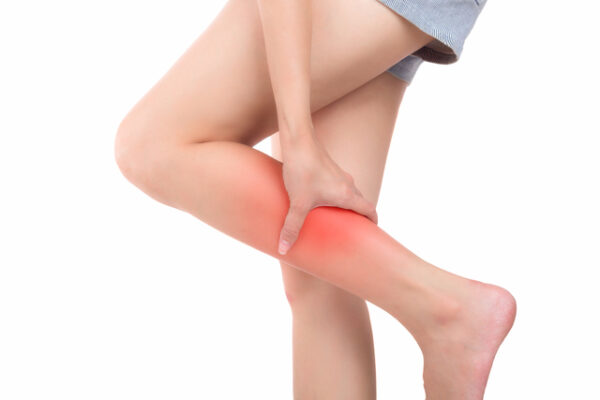
If you have ever had a leg cramp hit out of nowhere, you already know how quickly the panic sets in. One moment everything is normal. The next, your calf, foot, or leg locks up so hard you can barely think straight.
For a long time, I kept asking the same question many other people ask: what is the best treatment for leg cramps? I wanted one answer. One solution. One thing that would stop the pain and keep it from coming back.
What I learned, though, was not what I expected.
The biggest lesson was this: the best treatment for leg cramps is often not one product, one supplement, or one home remedy. It is first figuring out why your cramps are happening in the first place.
That was the real turning point for me!
This article is a “down-to-earth” perspective about the treatment of leg cramps and the realization with many senior friends that often, many of us have been putting the cart before the horse! Really?
My First Leg Cramp Taught Me Nothing Except Panic
Think back to your very first leg cramp? How did you feel through that excruciating pain? Panic? Alarm? Seeing stars?
My first leg cramp was miserable. I remember feeling alarmed, confused, and honestly a little frightened. I could not understand what had caused it because I was not doing anything unusual.
Then it happened again while I was driving in traffic. I had to pull over and wait it out while howling at the top of my lungs with tears in my eyes, trying to work the pain out of my foot and calf. By the time it passed, I was left with that dull aching soreness many cramp sufferers know too well. That was when I realized I needed answers.
What could be going on? I had no idea about the causes of severe leg cramps or what to do about them.
I decided to pay a visit to my doctor.
A doctor visit helped calm my fears, but it did not solve the problem completely. I was told that electrolyte imbalance, dehydration, and vitamin and mineral deficiencies could play a role in aging adults. She urged me to be more nutritionally conscious, so I cleaned up my diet and hoped that would be the end of it.
It wasn’t.
Sadly, I was wrong! Then came the night cramps — the kind that wake you up suddenly and make you wonder how something so small can hurt so much. This was the most horrible experience of all time!
Fellow sufferers understand what I mean. My screams must have surely woken up the neighbors and I cannot say that I was apologetic about it since I was in so much pain. This could not be a consequence of aging…….or could it?
What is the Best Treatment for Leg Cramps? – What I Did Wrong
This was the biggest shift in my thinking: the best treatment for leg cramps depends on the cause.
That sounds obvious now, but it took me far too long to really accept it.
Your cramps may be linked to:
- dehydration
- electrolyte imbalance
- poor circulation
- medications
- muscle fatigue
- sitting too long
- certain medical conditions
- aging-related muscle and tendon changes
Your draft already lays out this point well: what helps one person may not help another because the underlying trigger may be completely different.
Once I understood that, the question changed from:
“What is the best treatment for leg cramps?”
to:
“What is causing my leg cramps, and which treatment fits that cause?”
That is a much better question.
Common Causes of Severe Leg Cramps
Several common causes related to lifestyle include the following:
1. Dehydration
This turned out to be a major issue for me. Like many older adults, I was not drinking enough water consistently. Aging predisposes seniors more to dehydration as they tend to forget to drink water and this can play a big role in cramping.
2. Electrolyte Imbalance
Potassium, magnesium, and calcium all matter for muscle function. These electrolytes may be lost during intense muscle use and dehydration through perspiration. This explains where the use of these supplements are born from. If they are off, cramping becomes more likely.
3. Poor Circulation
Sitting too long, reduced activity, or circulation-related conditions can contribute to cramps, especially in the legs.
4. Medications
Some medications linked to Alzheimer’s, heart disease, Parkinson’s, high cholesterol, and blood pressure management may trigger cramping in some people.
5. Medical Conditions
The side effects of several medical conditions can cause cramping in the legs. Diabetes, peripheral artery disease, kidney issues, osteoarthritis, Parkinson’s disease, and other conditions can contribute to leg cramps.
This is why random guesswork rarely works for long.
The Best Treatment for Leg Cramps? Start Here
In my opinion, the best treatment for leg cramps is to go to war on the root cause.
Yes! Although this sounds extreme and funny, the best treatment for leg cramps is for you to embark on an all-out-war to IDENTIFY THE ROOT CAUSE or CAUSES.
It is a painstaking exercise, but sadly, with this predicament, most of us are looking for quick fix solutions – and rightly so! Only a fellow sufferer can understand why you want to do this.
If you are lazy about doing this exercise, there is no doubt that you will only continue to get some temporary relief from these episodes.
That does not mean doing everything at once. It means working through the likely triggers honestly and methodically, ideally with medical guidance if the cramps are frequent, severe, or associated with other symptoms.
Dehydration appears to be a common cause in seniors, so it is helpful to begin with getting your 8 glasses of water (or as close to it as you can) each day while you try to identify your triggers. You may be pleasantly surprised to find that this alone may reduce the frequency of your episodes.
For me, three things stood out:
- I was dehydrated more often than I realized
- I had become too sedentary
- I was drinking far too much coffee
Once I tackled those, the cramps became much less frequent. That was the breakthrough.
Not because I had found one magical cure — but because I had finally identified the main causes!Helpfu
Leg Cramp Relief Techniques That Help in the Meantime
While you are working on root causes, some relief techniques and products may still help.
They include leg elevation pillows, knee pillows, supplements, use of topicals, compression socks and others. A few examples are provided in this article.
These are all helpful in their own ways. Unfortunately, individually, they may only serve to address ONE of the causes of your cramping.
From personal experience, and in discussion with other sufferers, excluding medical conditions, you will find that that in many cases, there are a combination of lifestyle and other non-medical causes that may contribute to your leg cramps.
Consequently, you may require a combination of solutions. This is why you usually experience varied results with different solutions.
Consider the following techniques:
Stretching and massage
These can help when a cramp strikes and may also reduce muscle tension afterward.
Better hydration
For me, this made a noticeable difference.
Pillow support
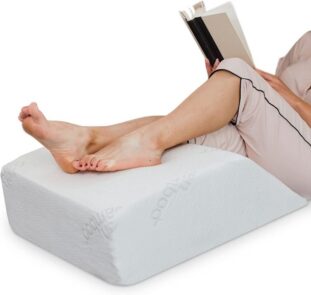
The Kölbs Flat Top Bed Leg Pillow, can be useful for people who need leg positioning support or better nighttime comfort.
Topical relief
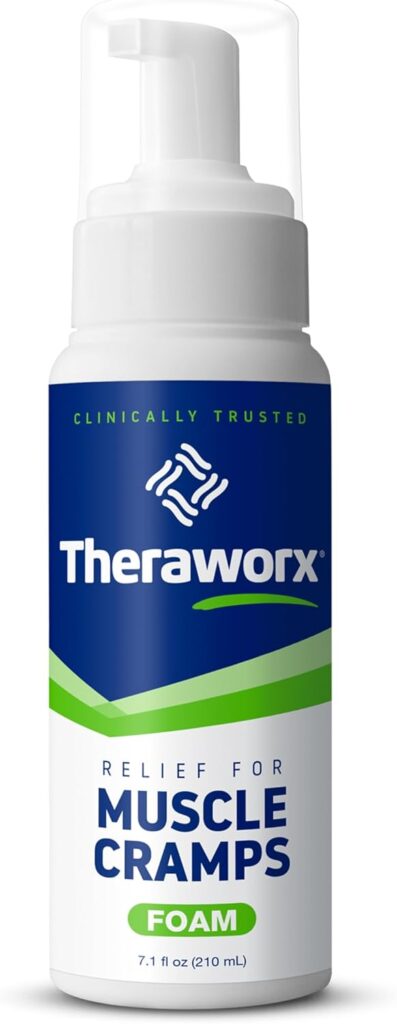
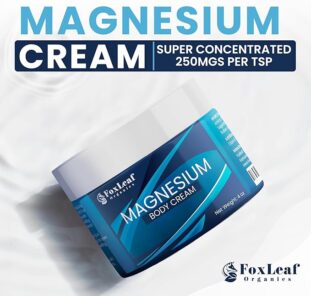
Theraworx Foam/Roll-On and FOXLEAF Magnesium Cream, are examples which provide temporary relief.
Compression socks
These may help some people, especially when poor circulation is part of the picture.
My Story and Leg Cramp Relief Techniques That Helped Me
In the quest for relief, I have tried several solutions and products for leg cramps, including some natural remedies, on this site with varied results.
With the benefit of hindsight, that was to be expected – since I did not identify the true root cause of my leg cramps! Keep in mind that my causes may not be the same as yours, so I will only mention them here briefly.
They included, dehydration due to aging, sedentary lifestyle, and drinking 4-5 cups of coffee a day. Increasing my water intake made a huge difference in the frequency and duration of these cramps.
Once I made changes to my sedentary lifestyle which was causing poor circulation in my legs, and my coffee drinking habit, these cramps slowly became history. Sadly, it is impossible to eliminate the aging factor.
Certain products I continue to use include my knee pillow, since I am a side sleeper (plus it helps alignment of my spine keeping back pain in check) and my compression socks.
- Leg Cramps and Seniors. The Best Knee Pillows For Night Relief
- Best Topical Pain Relief for Leg or Fot Cramps: 7 Fast-Acting Options
When to See a Doctor
Do not brush off frequent or severe cramps without checking in with a healthcare professional.
That matters especially if:
- cramps are happening more often
- they wake you regularly at night
- you notice weakness, numbness, or swelling
- symptoms began after starting a medication
- you have diabetes, circulation issues, kidney problems, or another chronic condition
Final Thoughts
If you are asking what the best treatment for leg cramps is, I understand the question completely. I asked it too.
But the truth is, the best treatment usually starts with one uncomfortable realization: you have to stop chasing random fixes and start identifying your real triggers.
For me, that meant hydration, less caffeine, better movement, and learning that my cramps were not coming from one single cause.
That was the real lesson.
If this post saves you time, frustration, and some of those painful trial-and-error experiments, then it has done its job.The important thing is not to mistake relief tools for root-cause solutions. Sometimes you need both.
While you work on identifying your triggers, a few practical comfort products may still help you manage the pain and disruption of leg cramps. They will not fix every cause, but they can make flare-ups easier to handle while you sort out what is really behind them!
Leave a comment if you liked this article or have your own experience to share.
Related Articles
- 7 Symptoms of Dehydration in Seniors – Effects
- Leg Cramps in Seniors – A Seriously Painful Experience
- Does Stress Affect Weight?: 2 Little Known Secrets
- Leg Cramps in Seniors. The Best Leg Pillows For Night Relief
- 17 Effects of Caffeine on the Body – Good and Bad
- Reasons for Leg Cramps. Natural Remedies that Work
- How to Stay Hydrated When You Hate Water – Is it Possible?
- Compression Leg Socks – How to Select and Buy
- 5 Helpful Supplements for Leg Cramps: Facts
- The Best Stylish Compression Socks for Women
- Best Black Mens Compression Socks – 7 Reasons for Popularity
- Do Leg Cramps Have a Cure? – Avoid 12 Risks
FAQ
What is the best treatment for leg cramps?
The best treatment for leg cramps depends on the cause, but identifying the trigger first often leads to better long-term relief.
What are common causes of severe leg cramps?
Common causes of severe leg cramps include dehydration, electrolyte imbalance, poor circulation, muscle fatigue, medications, and certain health conditions.
What causes severe leg cramps at night?
Causes of severe leg cramps at night may include dehydration, aging-related muscle changes, inactivity, poor circulation, and underlying medical conditions.
What leg cramp relief techniques may help quickly?
Helpful leg cramp relief techniques include stretching, massage, heat, hydration, and using products like topicals, pillows, or compression socks.
Why do leg cramp treatments work for some people and not others?
Leg cramp treatments vary in results because the causes are not always the same, so one person’s fix may not work for another.
References – Best Treatment for Leg Cramps
O’Brien, S. M. (2015) Overcoming nocturnal leg cramps https://www.clinicaladvisor.com/home/the-waiting-room/overcoming-nocturnal-leg-cramps/
Hubert M, et al. (2016) Prevalence of cramps in patients over the age of 60 in primary care : a cross sectional study. National Library for Medicine. https://www.ncbi.nlm.nih.gov/pmc/articles/PMC4983045/
Cleveland Clinic (2023) Leg Cramps. https://my.clevelandclinic.org/health/diseases/14170-leg-cramps
Rodriguez J. (2020) Leg Cramps in Elderly Adults Griswold Home Care